
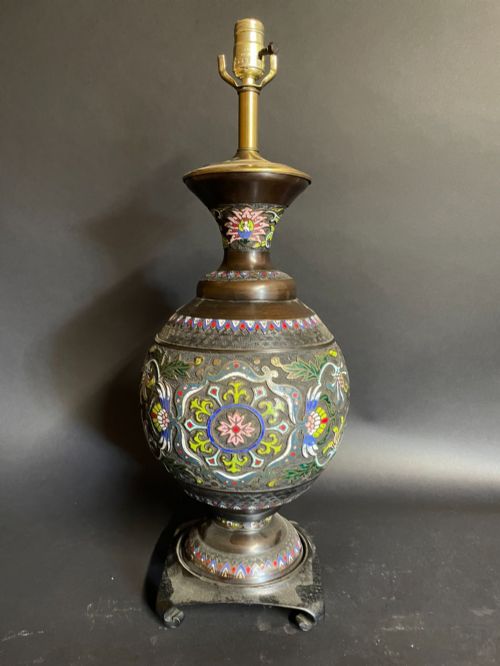


Bronze Floral Vase
A bronze floral vase brings metalwork and botanical design together, offering lasting decorative presence for any room.
Bronze Floral Vase
A bronze floral vase combines cast or chased metalwork with botanical motifs, spanning periods from the nineteenth century onward. Buyers look for these pieces to anchor a mantelpiece or tabletop with substantial form and intricate surface detail.
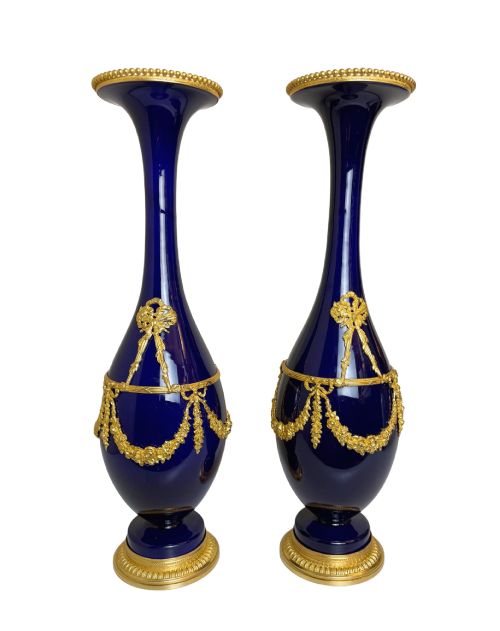
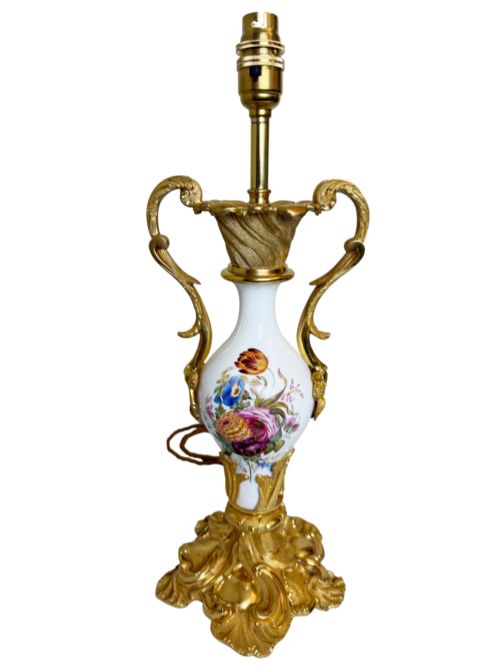
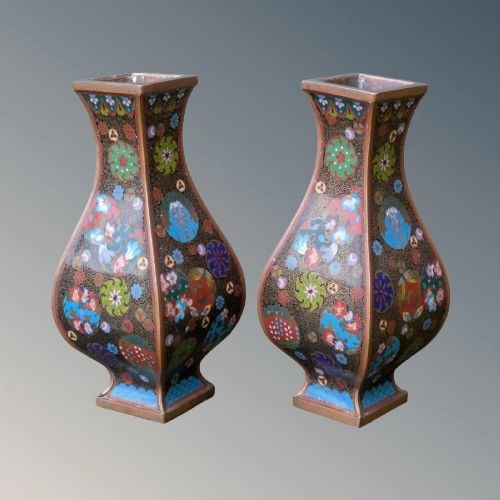
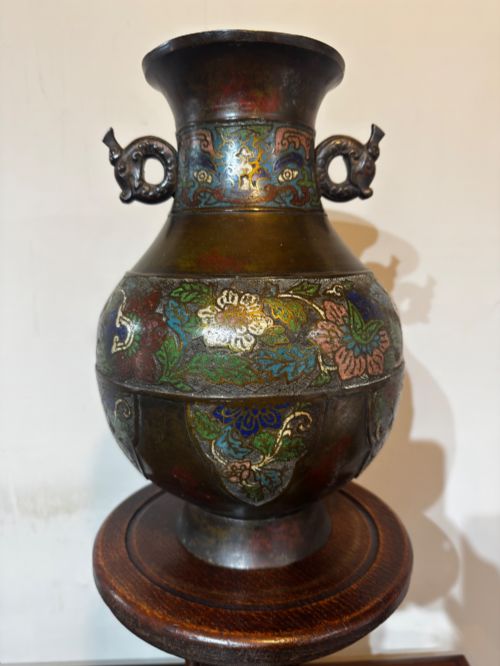
The selections available here lean heavily toward nineteenth-century works, alongside Japanese Meiji period examples and Chinese cloisonné productions. Forms range from classical baluster shapes to converted lamps and lidded ginger jars.
European interpretations in French Louis XVI and Rococo revival styles appear alongside Asian export wares. Each version reflects the specific decorative priorities of its origin and era.
Materials and Construction
Craftsmen utilised bronze, brass, and copper as foundational metals, frequently applying gilt bronze, ormolu, or gilt metal highlights. These metallic bodies were often cast, chased, or worked with mixed metal inlays to create raised floral and bird details.
Enamel techniques such as cloisonné and champlevé added vibrant colour across the surfaces of both Chinese and Japanese vessels. Porcelain elements, including blue and white panels or pâte-sur-pâte sections, were routinely integrated with bronze mounts.
Current listings feature nineteenth-century and early twentieth-century pieces utilising bronze, cloisonne, porcelain, and gilt metal.
Assessing Quality and Execution
Execution of detail separates standard production from exceptional work, particularly in the crispness of chased foliage and the precision of inlaid wires in cloisonné pieces. Superior examples display deep, deliberate chasing rather than soft or cast-over surface lines.
The harmony between secondary materials, such as porcelain bodies and gilt bronze mounts, dictates the overall coherence of the object. Weight, balance, and the integrity of patination indicate the level of care invested by the original workshop.
Charles Korschann·Doulton Slaters Patent
The Bronze Floral Vase Glossary
- Cloisonne
- Enamelling technique where thin metal wires form raised cells on a metal body to hold coloured pastes before firing. This method creates distinct compartments for intricate patterns.
- Champleve
- Enamelling method involving troughs or hollows carved into a bronze base to receive coloured enamel. The surrounding metal walls remain visible between the filled areas.
- Ormolu
- Finely ground high-carat gold applied to a bronze object through a mercury amalgamation process. This technique imparts a durable, rich golden surface.
- Patina
- Surface sheen and colour developed on bronze through age, handling, or chemical treatment. A stable patina signals natural oxidation over decades.
Bronze Floral Vase: Frequently Asked Questions
How do I clean a bronze floral vase?
Dust gently with a soft, dry cloth to preserve the existing surface patination and any delicate enamel or gilt details.
Avoid commercial metal polishes, water, or abrasive cleaners, as these substances can strip historical finishes and damage mixed metal inlays.
Were these vases used for water?
Many nineteenth-century decorative vessels served purely as ornamental display pieces on mantelpieces or tables rather than functional containers.
Enamelled and mounted pieces, particularly those with internal wiring or delicate liners, risk damage if exposed to standing water.
How can I tell Japanese from Chinese work?
Japanese Meiji pieces frequently employ mixed metal elements like silver and copper inlay depicting naturalistic floral and bird scenes.
Chinese works from the Qing period tend toward formalised cloisonné patterns with heavier bronze foundations and distinct colour palettes.
What is the difference between ormolu and gilt bronze?
Ormolu specifically denotes mercury-gilded bronze executed in the eighteenth and nineteenth-century French tradition to achieve a deep golden lustre.
Gilt bronze is a broader term encompassing any bronze object featuring a layer of gold applied by various historical methods.