


Antique Dutch Cabinet
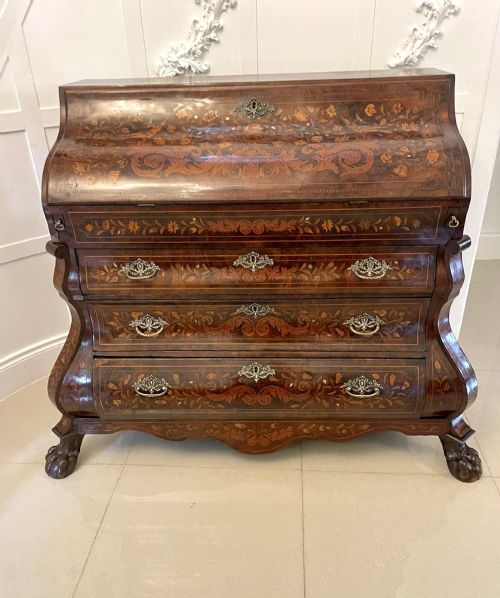
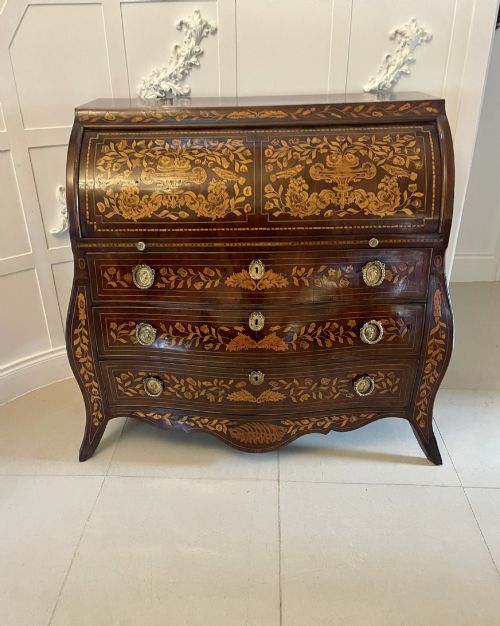
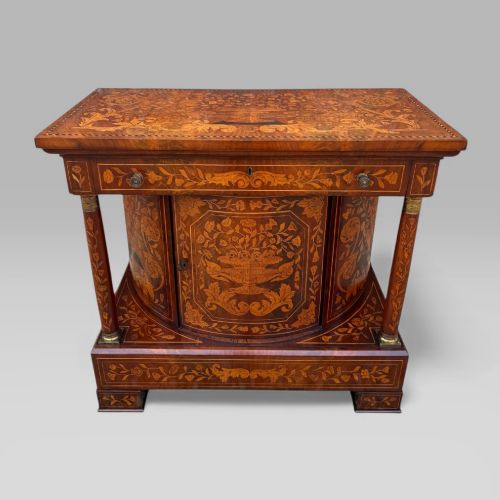
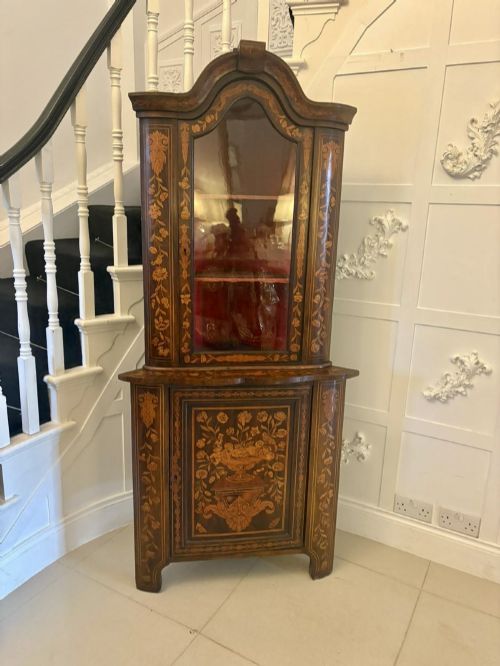
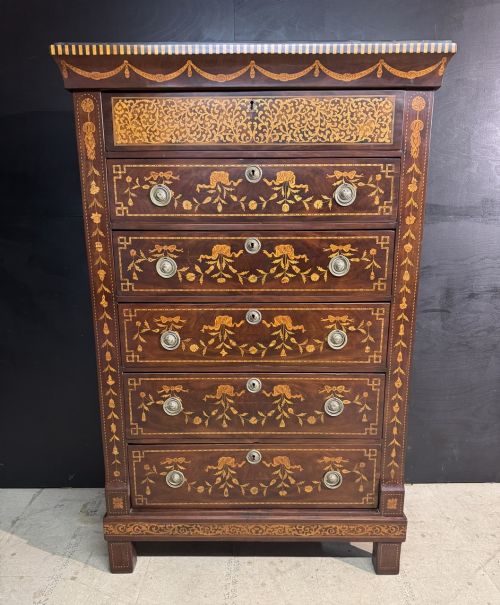
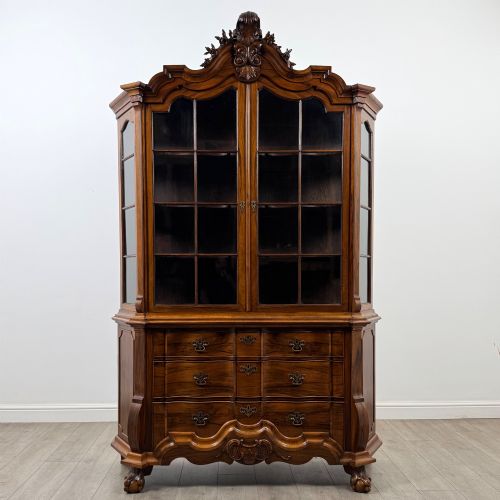
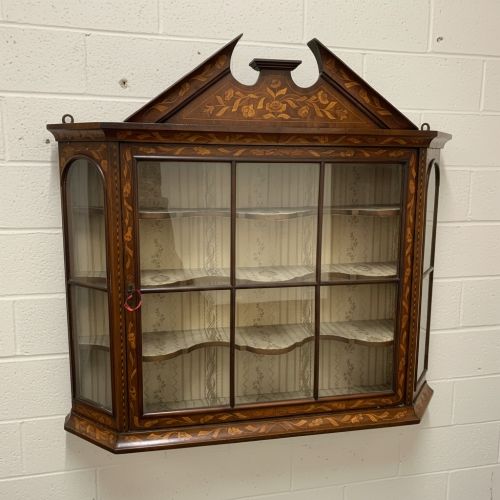
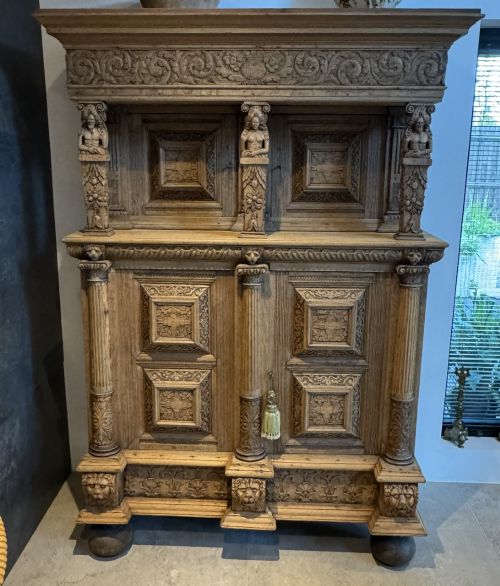
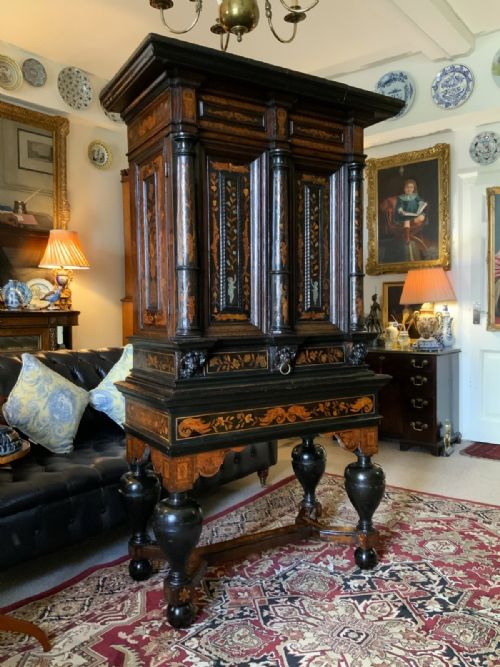
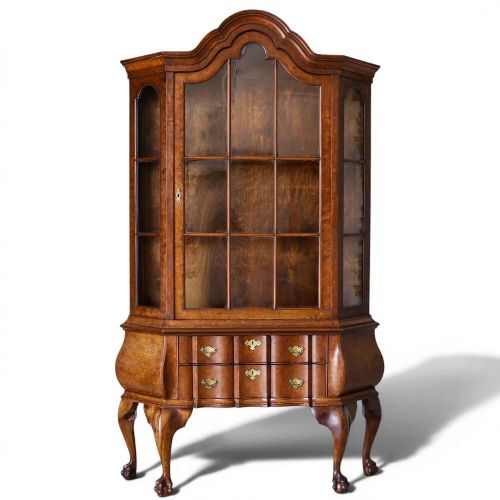
An antique dutch cabinet brings rich timber tones and floral marquetry into a room, offering both display space and historic character.
Forms and periods
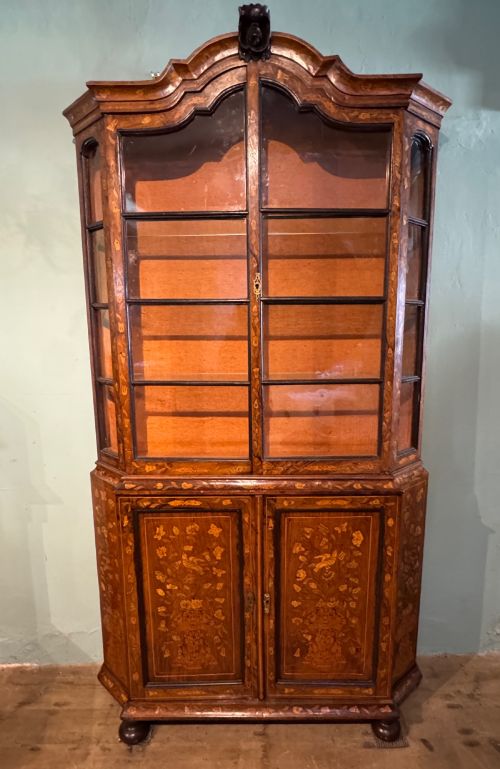
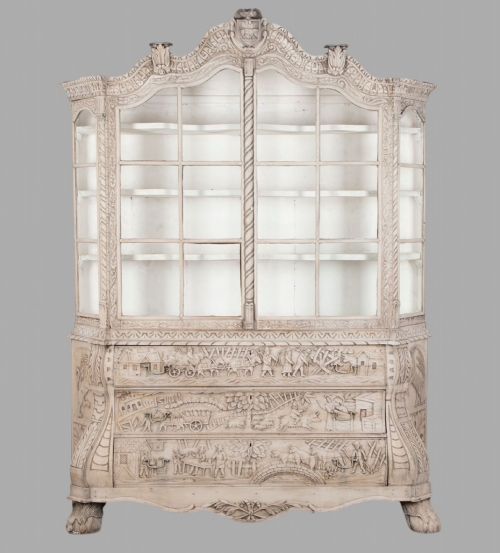
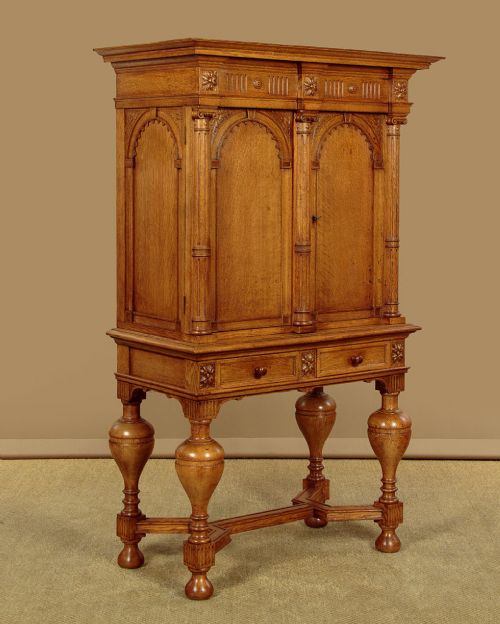
An antique dutch cabinet encompasses diverse forms, from substantial walnut display cabinets and bombé armoires to corner cupboards and smaller side cabinets. The historical spread spans seventeenth-century oak and ebony pieces through to nineteenth-century satinwood, mahogany, and burr walnut iterations.
Materials and construction
Cabinet makers utilised a rich palette of timbers, combining structural oak and walnut with decorative veneers of rosewood, ebony, fruitwood, satinwood, and burr elm. Brass hardware often secures doors and drawers on these case pieces.
Complex marquetry techniques define the decorative surfaces, inlaying contrasting woods to create intricate floral and foliate motifs. Carved details and glass panes appear on display variations designed to showcase prized objects.
Retail Price Guide 2026
Typical UK retail prices for dutch cabinet, calculated from the Sellingantiques database of over a million retail prices indexed since 2003. This retail price guide relies exclusively on Sellingantiques data; no external sources or auction records are used, so the figures do not describe the wider market.
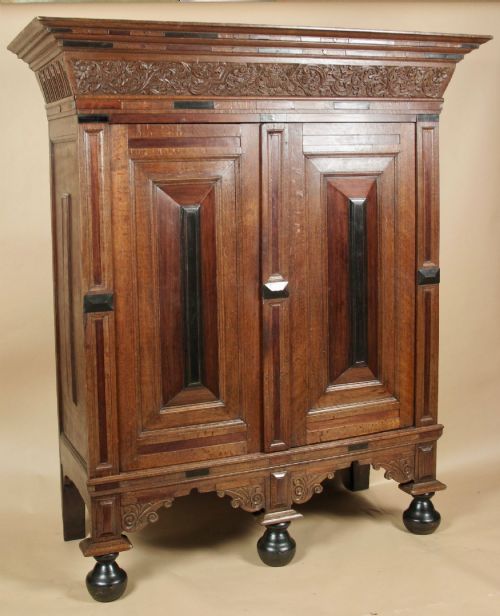
Some seventeenth-century kussenkast designs feature cushion panels so aggressively pillowed they practically invite a nap.
Assessing quality
The sophistication of the marquetry inlay and the choice of primary and secondary woods dictate the standing of a piece. Finer examples display precise cutting of floral veneers and balanced composition across bombé or rectilinear forms.
Proportion and the integrity of the timber influence the distinction between standard items and exceptional survivals. Original brass mounts and well-figured burr walnut or rosewood further elevate the status of a cabinet.
The Antique Dutch Cabinet Glossary
- Marquetry
- Decorative inlay work using various coloured wood veneers to form detailed pictures or floral patterns on furniture surfaces. This technique requires immense skill to fit individual wooden segments together seamlessly.
- Bombé
- A swelling, bulging contour found on the lower sections or sides of certain eighteenth-century cabinets and chests. This curved profile demands advanced woodworking techniques to achieve symmetry and structural strength.
- Vitrine
- A glass-fronted display cabinet or case designed for exhibiting porcelain, glassware, or small decorative objects. These cabinets protect delicate items from dust while permitting clear visibility from multiple angles.
- Kussenkast
- A traditional Dutch cushion-style wardrobe or armoire characterised by raised, pillow-like moulded panels on the doors. These seventeenth-century forms demonstrate heavy timber construction accented by contrasting veneers.
- Armoire
- A tall wardrobe or large cupboard with doors enclosing shelving or hanging space for garments. In antique Dutch furniture, these pieces often feature substantial cornices and bombé bases.
Frequently Asked Questions
How do I date an antique dutch cabinet?
Dating relies on observing structural timbers, veneer choices, and stylistic markers such as seventeenth-century cushion mouldings versus later nineteenth-century marquetry.
Hardware styles and construction methods hidden inside drawers or backboards also provide clues to the period of manufacture.
Where should I place a display cabinet?
These cabinets suit principal reception rooms or dining spaces where their detailed marquetry and glass panels can be fully appreciated. Direct sunlight should be avoided to protect sensitive wood veneers and polishes.
Adequate floor clearance is essential, particularly for larger bombé or cabinet on chest forms that command significant visual weight.
What is a cabinet on chest?
A cabinet on chest combines an upper display section or cupboard with a lower chest of drawers base. This stacked form maximises vertical storage while providing a stable footprint.
Many examples feature elaborate floral marquetry spanning both sections to create a unified decorative facade.
How do I clean floral marquetry?
Dusting with a soft, dry cloth prevents particulate accumulation within the fine lines of the wood inlay. Moisture should be kept away from antique polishes and veneered surfaces.
Occasional application of appropriate furniture wax helps nourish the timber without clouding the detailed grain.