

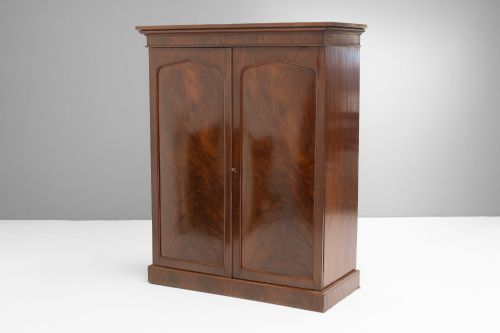
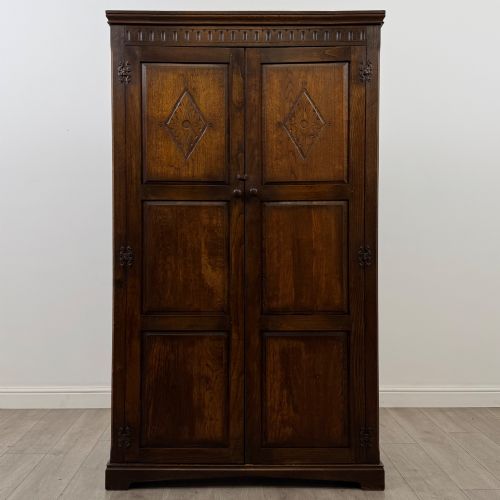
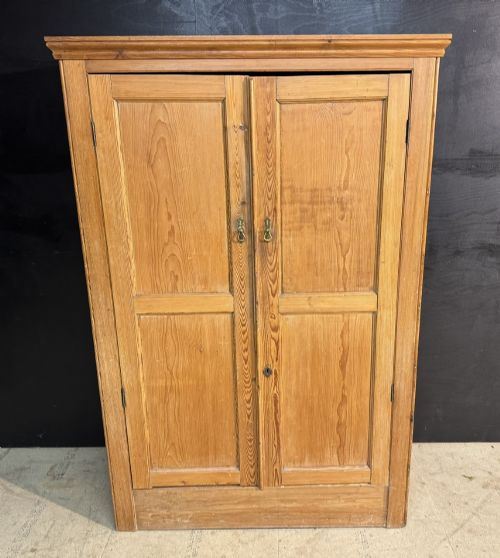
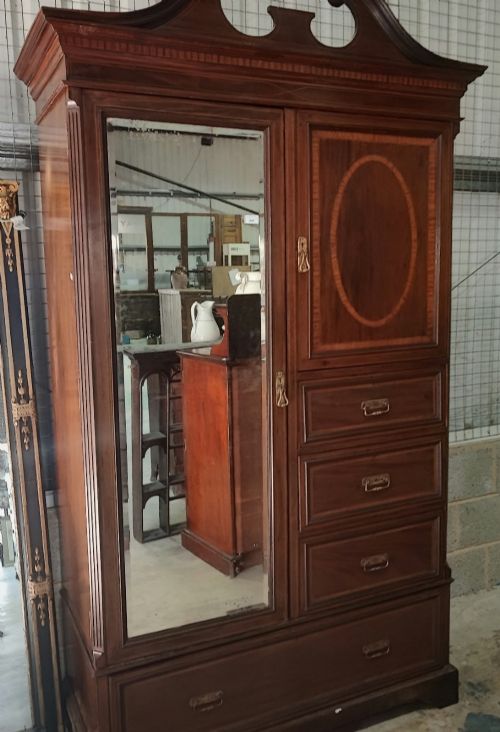
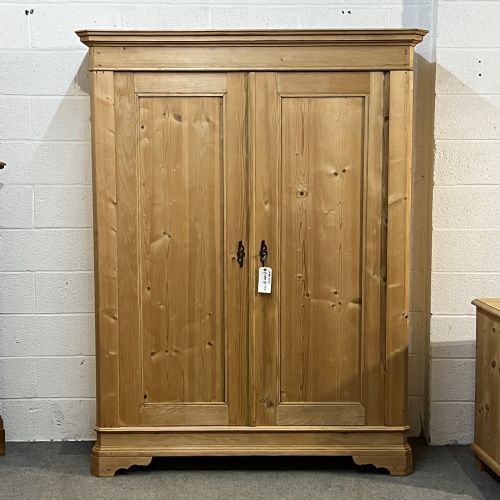
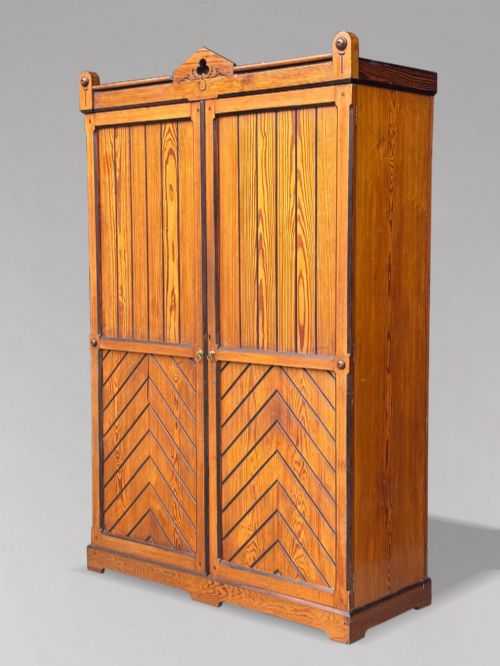
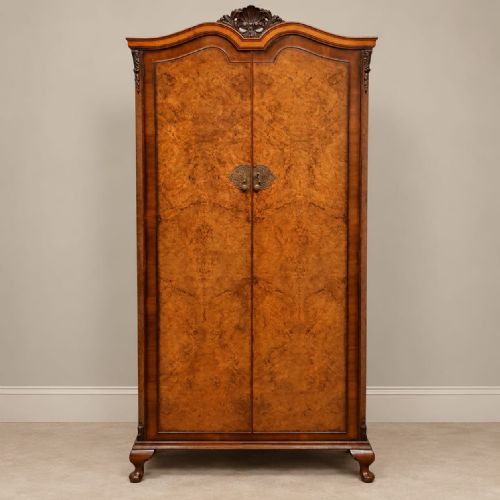
Antique Armoire Cabinet
An antique armoire cabinet offers grand scale and timber presence, bringing architectural storage into a modern interior.
Defining the antique armoire cabinet
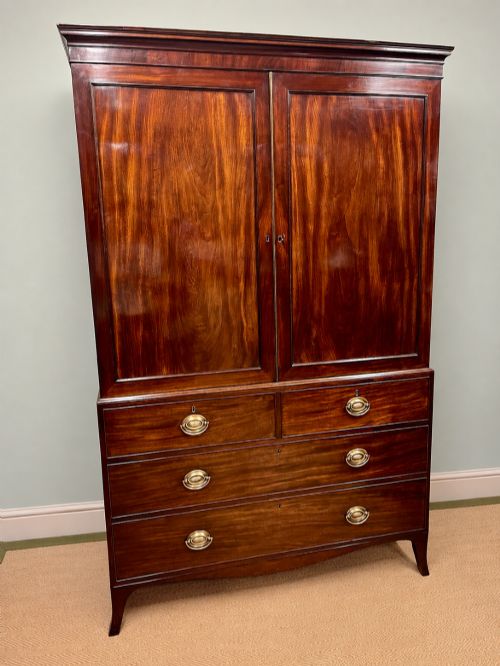
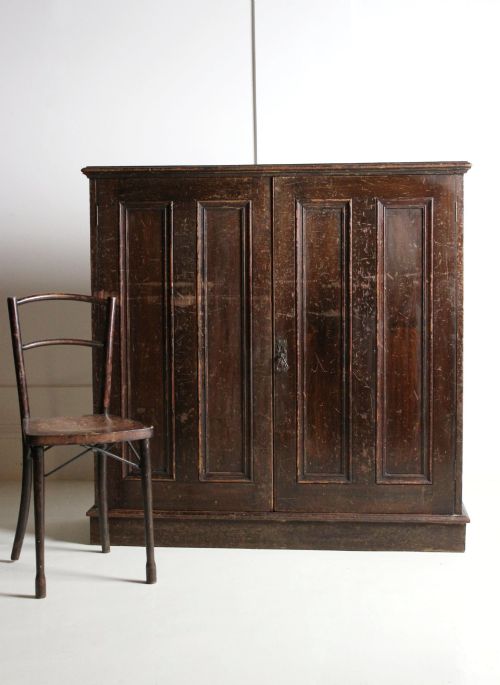
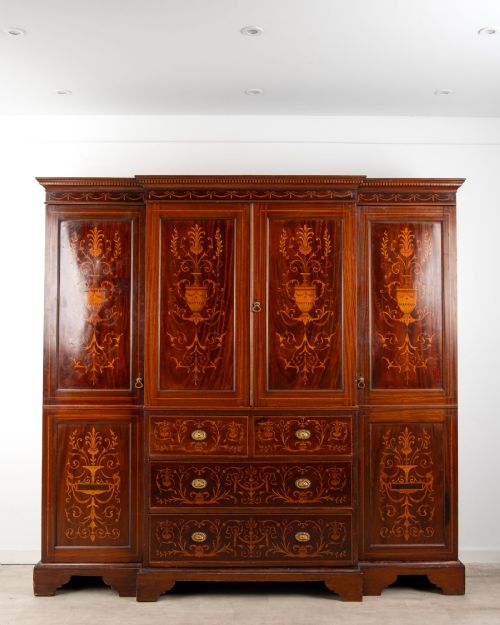
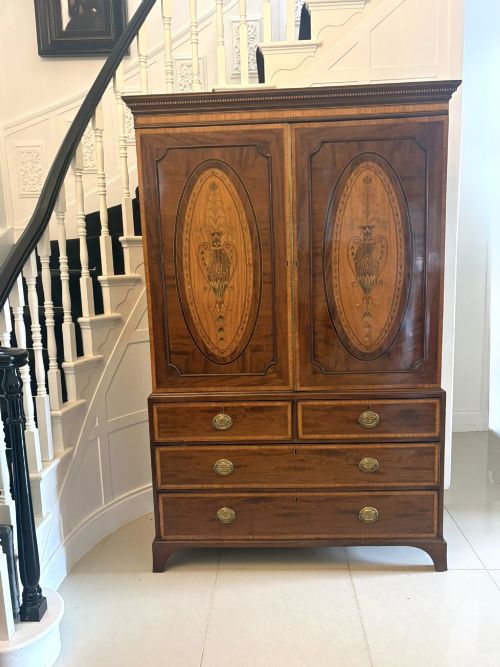
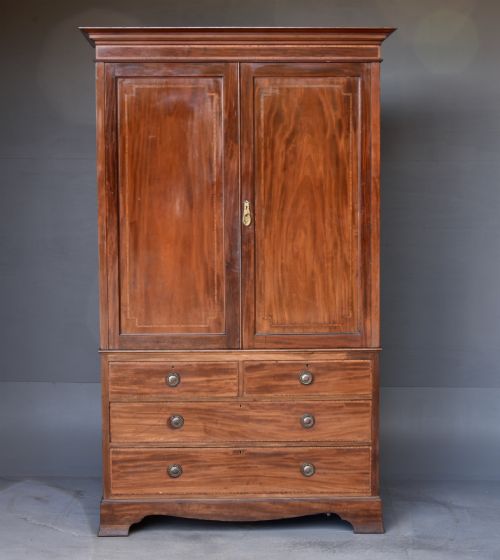
When you search for an antique armoire cabinet, you are looking at substantial freestanding storage pieces that serve as wardrobes, linen presses, or display vitrines. These grand items originated as functional household cupboards and evolved into decorative focal points for bedrooms and halls.
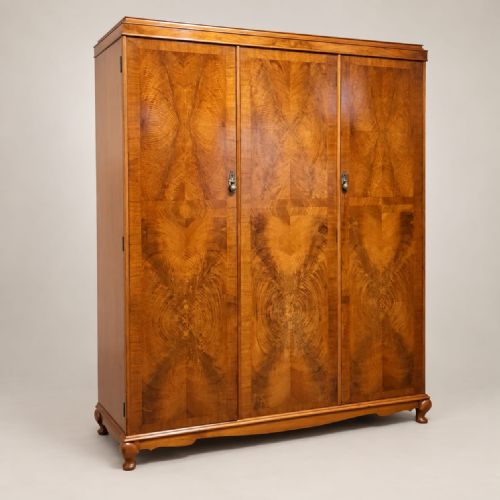
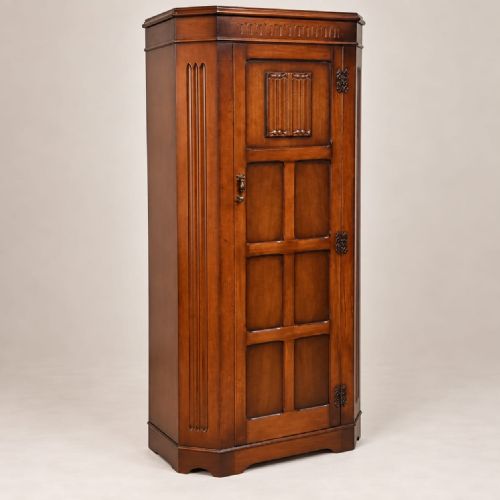
On this page, you are most likely to meet French and Dutch examples spanning the eighteenth, nineteenth, and early twentieth centuries. The evidence shows forms ranging from monumental carved oak wardrobes to burr walnut bombe cabinets and compact Edwardian cupboards.
The selection encompasses diverse regional characteristics, including Italian Renaissance Revival display cabinets, Art Deco wardrobes by named makers, and ebonised or painted finishes. Each piece provides deep internal storage behind panelled, glazed, or mirrored doors.
Materials and construction methods
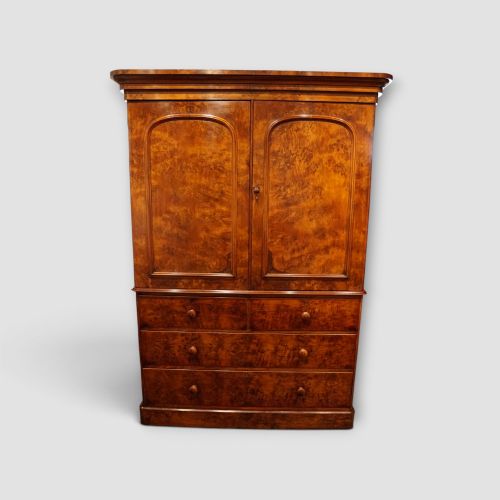
Makers utilised dense native and exotic timbers, selecting figured burr walnut, burr maple, oak, mahogany, and walnut veneers to create rich surface pattern. Selected pieces incorporate glazed panels, mirrored glass, and contrasting ebonised wood details.
Construction relies on traditional joinery methods, incorporating carved wood ornamentation, shaped bombe profiles, and secret drawers concealed within the carcass. Brass hardware, including hinges and escutcheons, secures the large doors typical of these substantial storage forms.
Retail Price Guide 2026
Typical UK retail prices for armoire cabinet, calculated from the Sellingantiques database of over a million retail prices indexed since 2003. This retail price guide relies exclusively on Sellingantiques data; no external sources or auction records are used, so the figures do not describe the wider market.
Certain Dutch baroque cabinets conceal secret drawers designed to outsmart prying eyes and safeguard family valuables.
Distinguishing quality across the range
Quality rests in the selection of timber veneers, where highly figured burr walnut or burr maple displays deliberate grain matching across expansive surfaces. The depth and crispness of hand carving on oak and walnut carcasses likewise separate standard production from superior cabinet work.
Harry and Lou Epstein
The Antique Armoire Cabinet Glossary
- Armoire
- A large freestanding wardrobe or cupboard, typically featuring double doors enclosing shelving or hanging space. Originating in France, these pieces provide substantial room for clothing and household linens.
- Bombé
- A swelling, convex curved furniture shape, most commonly seen on the lower front and sides of eighteenth-century Dutch cabinets. This technique demands exceptional skill from the cabinetmaker to shape veneers over curved timber.
- Burr walnut
- A veneer taken from the knotted growth of a walnut tree, prized for its swirling, highly decorative grain pattern. Makers applied this material to prominent surfaces on high-status cabinets.
- Vitrine
- A glass-fronted display cabinet designed for the presentation of porcelain, books, or curiosities. These pieces often feature glazed sides and internal shelving.
- Linen press
- A tall cupboard traditionally used for storing folded textiles and bed linens, often fitted with sliding trays or internal shelves behind panelled doors.
Frequently Asked Questions
What is an antique armoire cabinet?
An antique armoire cabinet is a large freestanding storage piece designed to hold clothing, linens, or household goods. These substantial items provide deep internal capacity behind panelled or mirrored doors.
Historically used in European bedrooms and halls, they combine practical utility with significant architectural presence.
How do I date an antique armoire?
Dating relies on examining the timber species, construction joinery, decorative carving styles, and hardware. Eighteenth-century pieces often feature figured burr walnut and bombe curves, while nineteenth-century examples frequently show French oak or walnut construction.
Twentieth-century pieces, such as Art Deco items, display streamlined forms and distinct veneer choices typical of the period.
Can antique armoires be dismantled?
Many large continental armoires and wardrobes are constructed using knock-down bolt assemblies, allowing them to be taken apart for transport and installation. This traditional engineering method was essential for moving monumental furniture into rooms.
It is advisable to check the construction of individual pieces before attempting relocation.
Where should I place an armoire?
These tall storage pieces suit bedrooms, dressing rooms, and large hallways where their scale anchors the room. They provide an alternative to fitted wardrobes while introducing historic timber texture to an interior.
Ensure adequate wall clearance for the wide-swinging doors characteristic of these cabinets.