


Blonde Wood Armoire
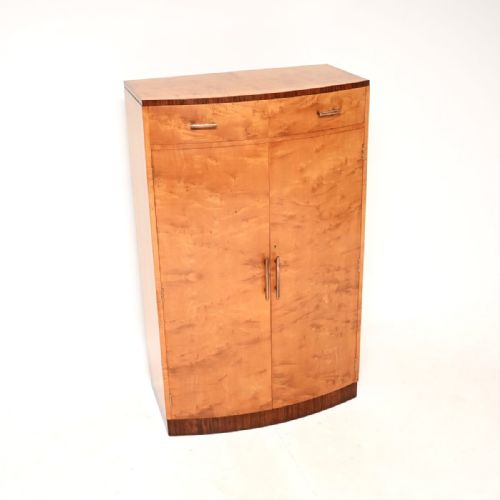
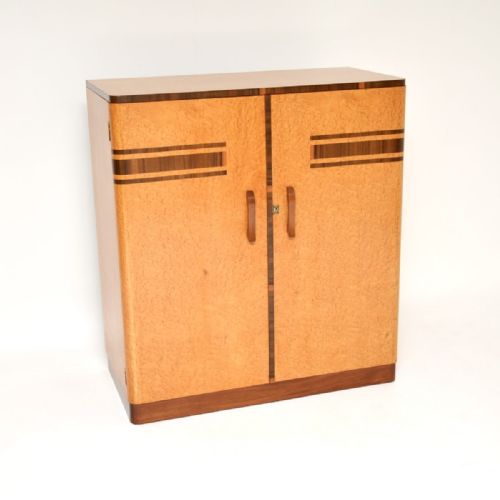
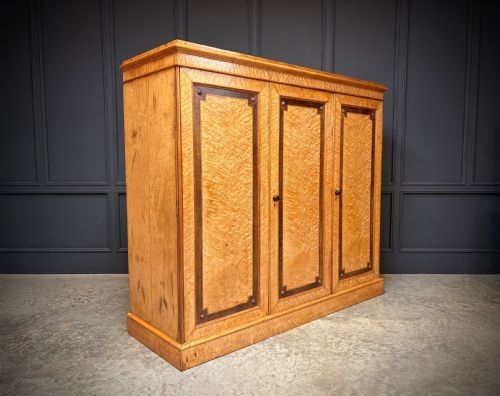
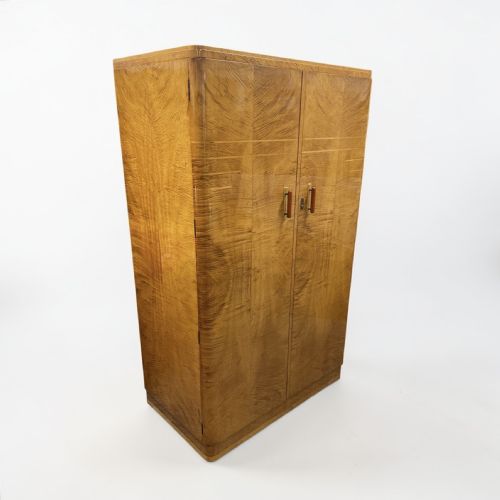
A blonde wood armoire brings pale timber grain and generous storage to a bedroom, drawing on styles from the nineteenth century to the Art Deco era.

Blonde Wood Armoire
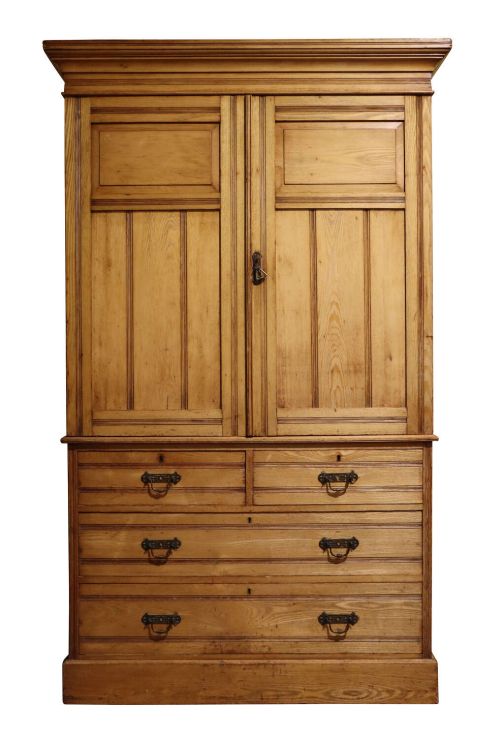
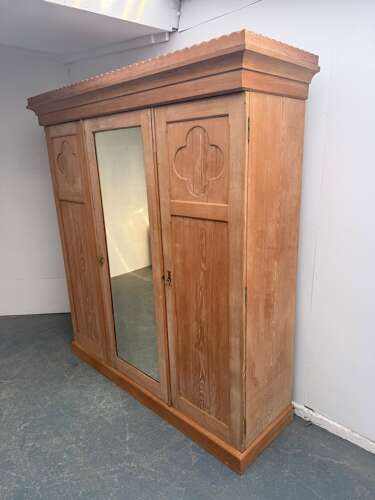
When you search for a blonde wood armoire, you encounter pale timber storage pieces spanning several distinct periods and styles, including nineteenth century examples and twentieth century designs. These items serve primarily as wardrobes, compactum wardrobes, and press cupboards, offering substantial internal space for clothing and linens.
The selection on this page relies heavily on nineteenth century craftsmanship alongside pieces from the Art Deco period. You will find forms ranging from Swedish fitted cupboards to English gentleman's wardrobes and large bedroom cabinets.
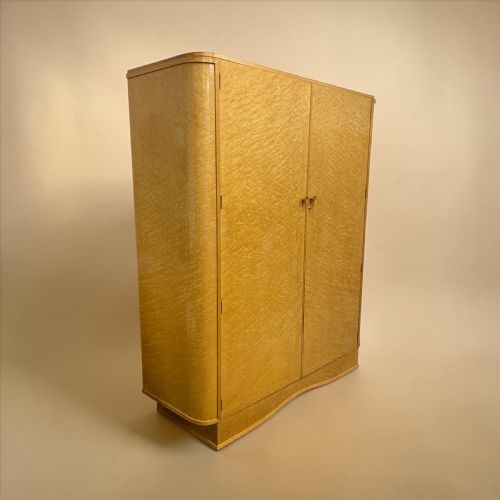
Makers and designers from different decades utilised pale timbers such as ash, birch, satin birch, and birds eye maple to create these striking storage solutions. Each piece reflects the aesthetic values of its origin, whether it is the clean lines of Scandinavian design or the decorative detailing of the Aesthetic Movement.
How they were made
The construction of these pieces depends upon the skilled selection of lighter timbers such as ash, satin birch, and birds eye maple, often paired with contrasting woods like walnut for visual depth. Cabinet makers utilised brass for hardware and fixtures, adding functional metal accents that complement the pale grain of the main body.
Surfaces were treated in various ways, ranging from traditional wax finishes to polished veneers that highlight the natural figure of birds eye maple and satinwood. Joinery methods varied by period, supporting both the sturdy frameworks of Victorian press cupboards and the streamlined silhouettes of Art Deco bedroom cabinets.
Blonde Wood Armoire Retail Price Guide 2026
Typical asking prices for blonde wood armoire among the pieces listed under this phrase on Sellingantiques today, from the lower quarter to the upper quarter. They describe what is for sale here now, not the wider market.
Listings feature ash, birch, and maple timbers across Victorian, Arts & Crafts, and Art Deco periods.
What varies in quality
The standard of a blonde wood armoire rests upon the choice of timber veneer and the precision of its grain matching across large doors and panels. Pieces featuring highly figured birds eye maple or carefully selected satin birch demonstrate a higher degree of material ambition than plain softwood carcasses.
Construction integrity separates standard utility items from finer examples, evident in the smooth operation of multiple doors, fitted interior compartments, and the quality of brass mounts. The cohesion of design, whether adhering to Arts & Crafts principles or Art Deco geometry, dictates the overall refinement of the piece.
Harry and Lou Epstein·Maple & Co.
The Blonde Wood Armoire Glossary
- Compactum wardrobe
- A fitted wardrobe designed with multiple internal compartments, drawers, and hanging space. This form became popular for maximising storage efficiency within a single footprint.
- Press cupboard
- A tall piece of furniture traditionally used for storing pressed linen and garments. These items often feature upper cupboard doors with lower drawer sections.
- Birds eye maple
- A figure in maple wood that resembles tiny, swirling eyes breaking the grain pattern. It is prized for decorative veneer work on high quality cabinets.
- Satin birch
- A timber derived from birch trees, finished to exhibit a lustrous, silky sheen. It was frequently utilised during the nineteenth century for bedroom furniture.
- Aesthetic Movement
- A late nineteenth century design movement emphasising visual beauty over narrative or moral function. Pieces from this era often feature simplified forms that highlight natural wood grains.
Blonde Wood Armoire: Frequently Asked Questions
What rooms suit a blonde wood armoire?
These large storage pieces find their natural home in bedrooms, where their pale timber finishes help maintain a bright and open atmosphere. They also work effectively in dressing rooms or spacious hallways requiring substantial storage.
The neutral tones of ash, birch, and maple blend easily with diverse interior colour schemes, bridging traditional and modern spaces.
How do I identify an Art Deco wardrobe?
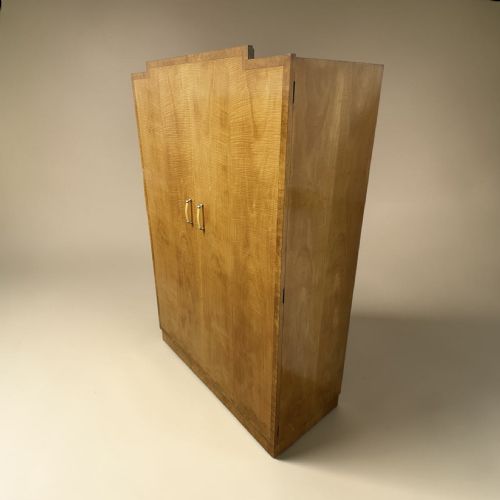
Art Deco wardrobes typically display clean geometric lines, symmetrical door arrangements, and contrasting veneer combinations such as birds eye maple and walnut. They often lack the heavy carved ornamentation found in earlier Victorian furniture.
Many examples from this period embrace streamlined silhouettes and polished surfaces that reflect the modern design ethos of the nineteen thirties.
What is the difference between a wardrobe and a compactum?
A standard wardrobe primarily provides hanging space behind full-length doors for coats and dresses. A compactum is a more complex multi-door unit that integrates drawers, sliding trays, and smaller shelving compartments alongside hanging sections.
This partitioned internal layout makes compactum wardrobes particularly versatile for storing folded garments and accessories.
How should I care for satin birch surfaces?
Satin birch and other pale wood veneers benefit from regular dusting with a soft, dry cloth to prevent surface grit accumulation. Direct sunlight should be avoided to prevent uneven fading of the delicate timber grain over time.
Occasional treatment with appropriate wax polishes helps maintain the natural lustre of the wood without building up excessive residue.