
Vintage Clothes Armoire
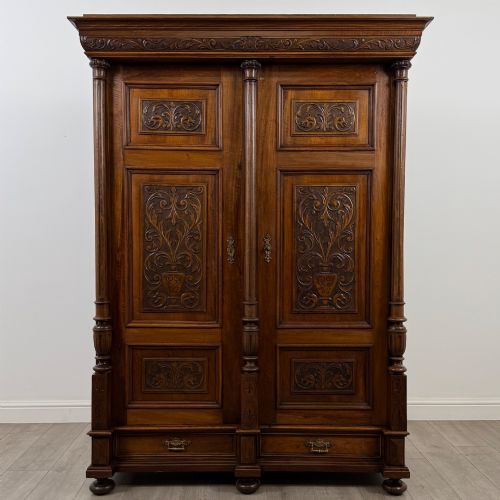
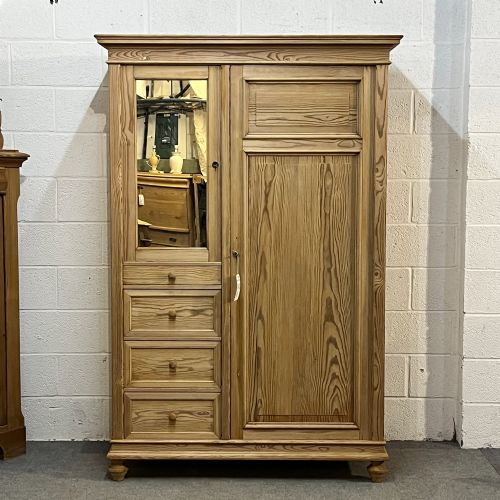
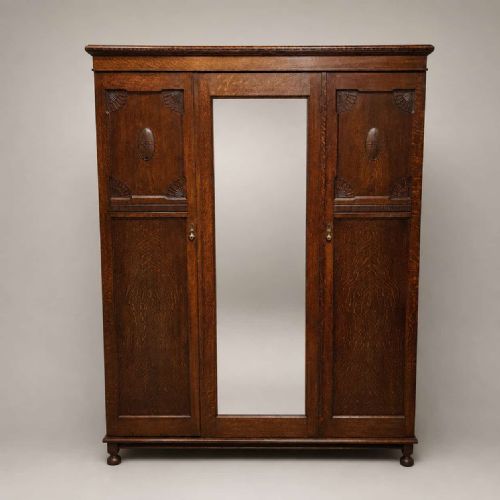
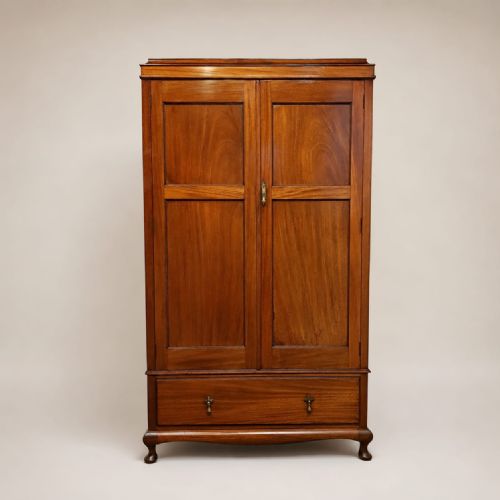
These vintage clothes armoire selections offer substantial storage, bringing classic period timber work and architectural presence into modern bedrooms.
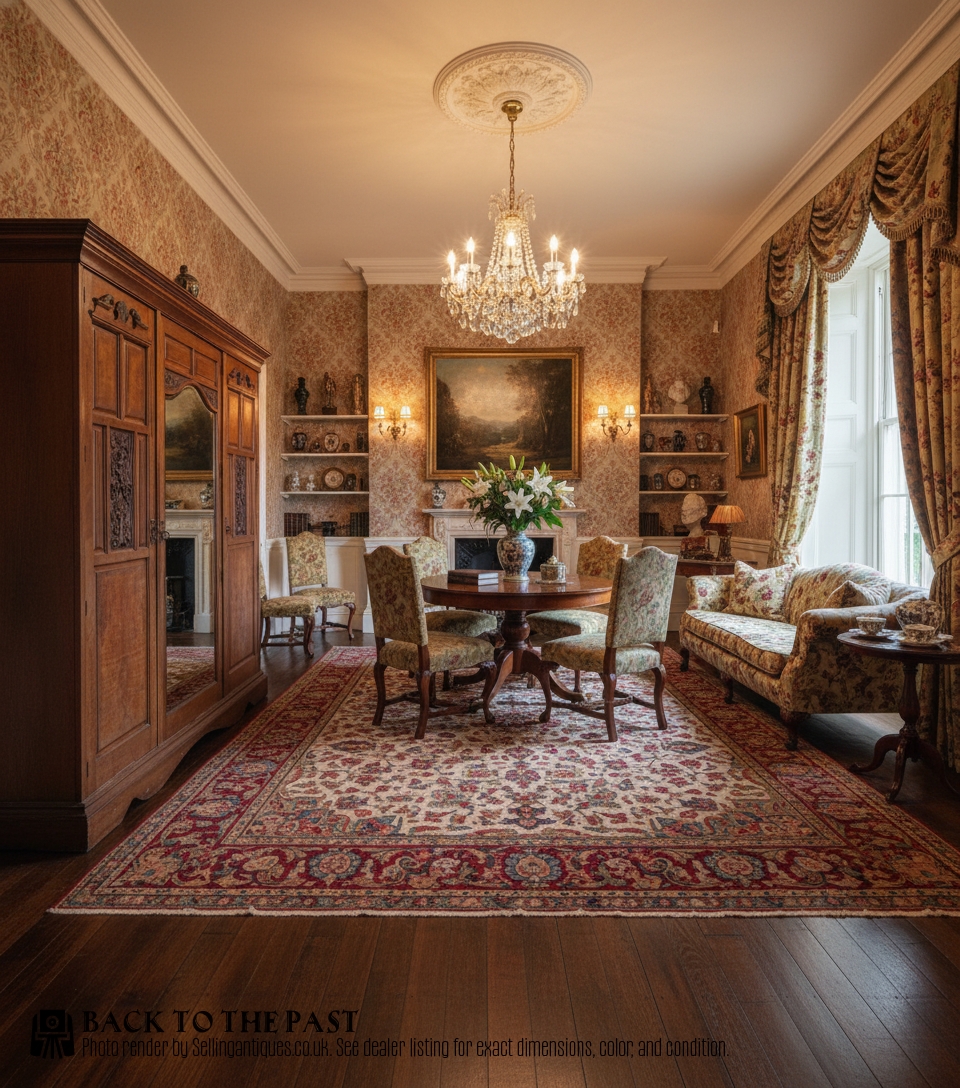
What vintage clothes armoire pieces represent
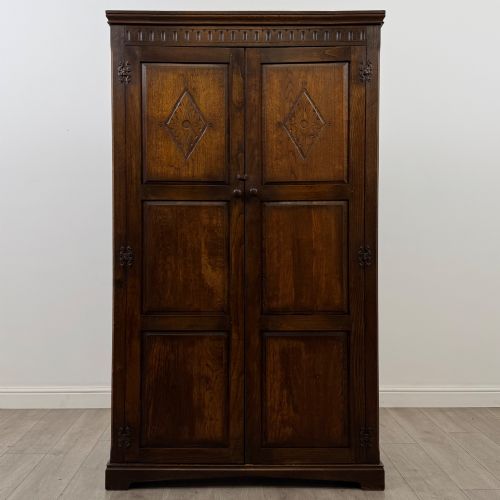
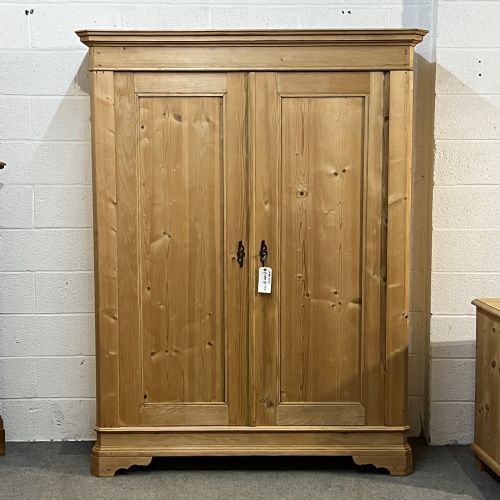
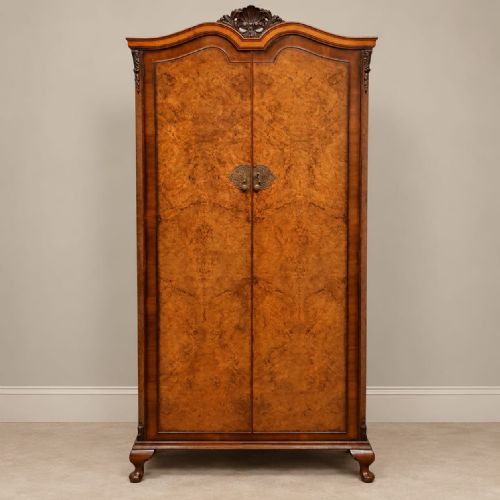
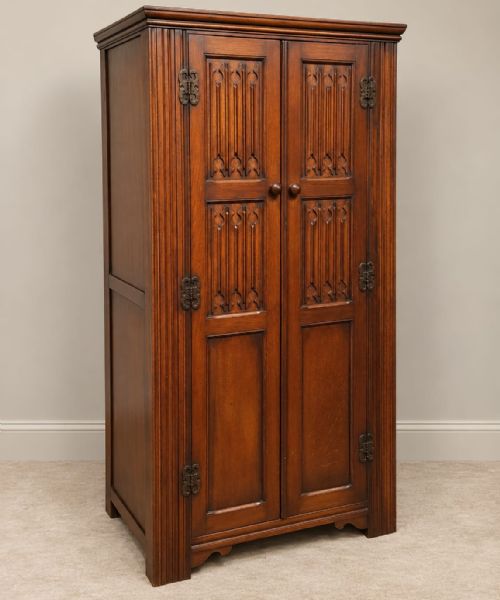
A vintage clothes armoire provides large-scale bedroom storage through substantial wooden cabinetry designed to hold garments and linens. When searching for a vintage clothes armoire, buyers encounter varying regional styles and eras ranging from the Georgian period through the Edwardian era up to Art Deco pieces.
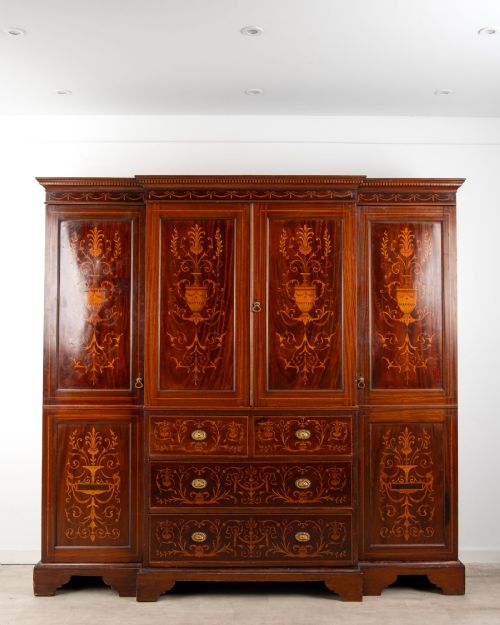
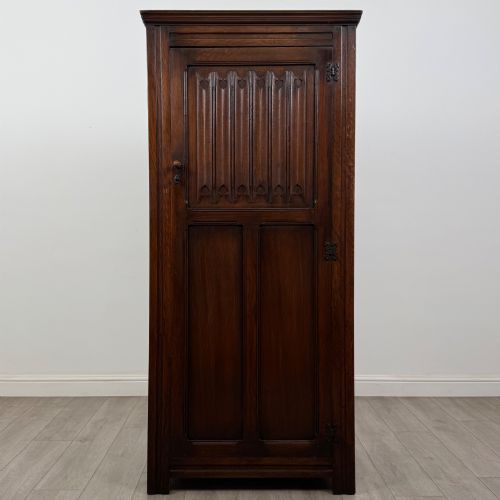
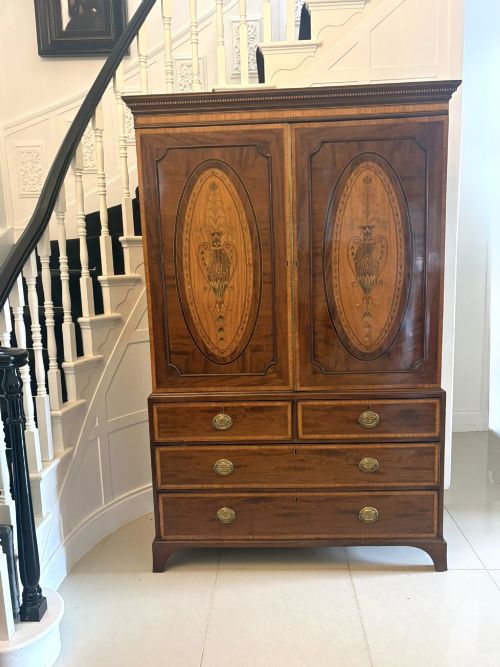
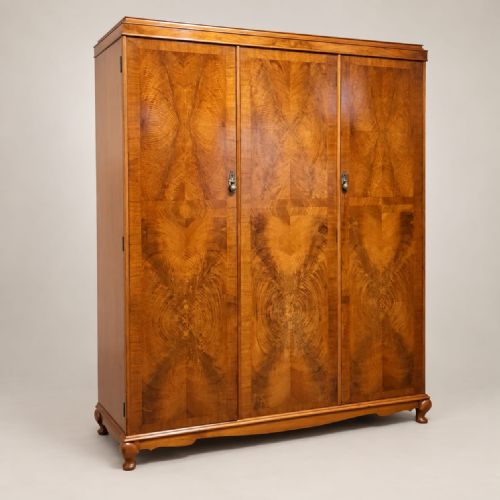
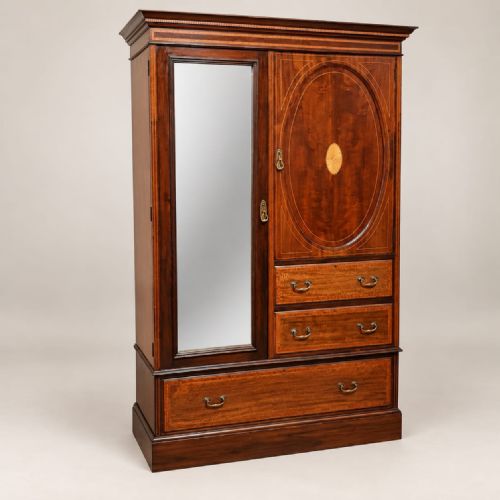
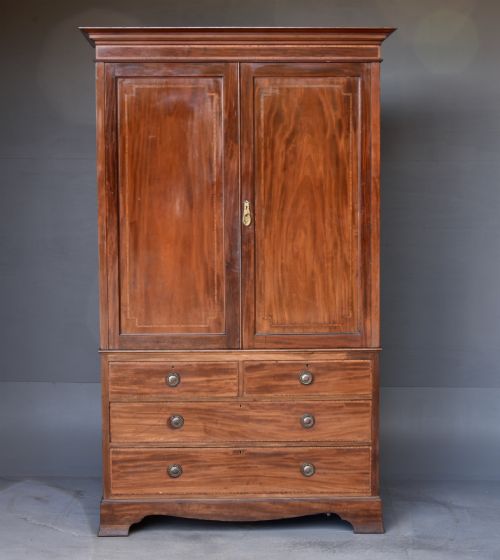
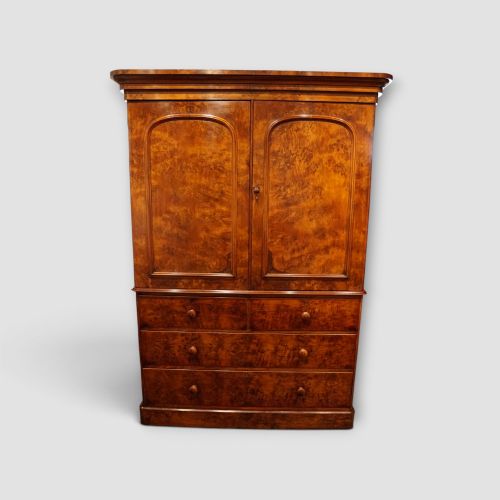
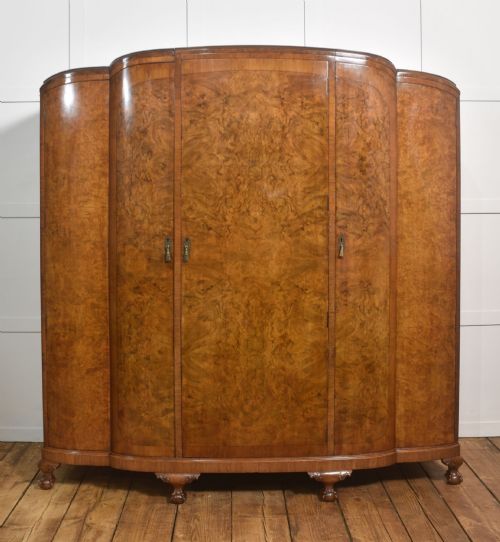
The selection on this page demonstrates several distinct forms, including multi-door wardrobes, gentlemen's double wardrobes, triple wardrobes, and linen presses. These large storage items appear in timbers such as mahogany, satinwood, walnut, burr walnut, and pollard oak, often accented with brass hardware and glass elements.
Edwardian examples frequently utilise inlaid details and combination timbers like pollard oak, whilst 1930s pieces showcase Art Deco influences and carved oak surfaces. Georgian linen presses combine upper storage cupboards with lower drawer banks to create grand proportions for household organisation.
Construction and materials
Cabinet makers constructed these large pieces using solid structural carcases faced with decorative veneers such as burr walnut and satinwood. Secondary timbers like oak provided sturdy internal frames, whilst polished mahogany served both structural and aesthetic purposes.
Surface decoration involved careful wood veneers, intricate inlaid banding, and carved detailing executed by hand. Ironmongery typically featured cast brass handles, escutcheons, and hinges that complemented the chosen timber tones.
Retail Price Guide 2026
Typical UK retail prices for vintage clothes armoire, calculated from the Sellingantiques database of over a million retail prices indexed since 2003. This retail price guide relies exclusively on Sellingantiques data; no external sources or auction records are used, so the figures do not describe the wider market.
Materials represented include mahogany, satinwood, walnut, burr walnut, oak, pollard oak, brass, and glass.
Judging quality in large wardrobes
Superior examples distinguish themselves through the choice of figured veneers and the precision of their timber matching. The integration of secondary woods like pollard oak alongside primary timbers shows a higher level of cabinet-making skill.
Design execution separates standard utility pieces from exceptional commissions, particularly in bespoke maker pieces from firms such as Maples & Co or the Epstein brothers. Balanced proportions and crisp carved or inlaid details mark the upper tier of these pieces.
maples & co·Harry and Lou Epstein
The Vintage Clothes Armoire Glossary
- Linen Press
- A tall piece of furniture featuring upper doors enclosing sliding trays for folded textiles, placed above a chest of lower drawers. These items served traditional households for storing household linens before hanging wardrobes became standard.
- Gentlemen's Double Wardrobe
- A specialised dual-section wardrobe layout historically designated for men's suiting and accessories. They often combine hanging space with internal drawers or compartment dividers.
- Pollard Oak
- Timber taken from trees that have been pollarded, producing a dense wood with highly decorative knot clusters and patterning. Cabinet makers prized this material for contrasting panels on Edwardian furniture.
- Inlay
- A technique where contrasting woods or metals are fitted flush into shallow recesses carved into the primary wood surface. Georgian and Edwardian makers used fine satinwood stringing to frame drawer fronts and panel borders.
Frequently Asked Questions
How do I fit a tall wardrobe into a modern room?
These large storage pieces require careful measurement of ceiling height and doorway clearance prior to placement in a bedroom. Many Edwardian and Georgian pieces feature modular construction or removable cornices to assist with transport.
Ensure the floor surface is level so the large doors hang correctly and latch securely without dropping. Professional delivery teams familiar with antique timber furniture usually handle the final assembly on site.
What is the difference between an armoire and a linen press?
An armoire is primarily designed for hanging garments behind full-length doors, whereas a traditional linen press houses sliding wooden trays in the upper section for folded textiles. Georgian press designs added deep chest drawers at the base for additional clothing storage.
Over time, many press interiors were modified to accept modern clothes rails whilst retaining their original exterior appearance. Buyers should inspect the interior layout to confirm whether hanging space or shelving suits their wardrobe needs.
How should I clean polished mahogany and walnut surfaces?
Maintain timber surfaces by dusting regularly with a soft, dry cloth to prevent abrasive particles from accumulating on the polish. Avoid silicone-based sprays that build up residue and attract dust over time.
Apply a traditional beeswax polish sparingly once or twice a year to nourish the antique wood finish and maintain its natural lustre. Keep these heavy wooden items away from direct heat sources and strong sunlight to prevent veneer splitting.
Can I date these wardrobes by their timber and hardware?
Timber choices and construction methods offer strong clues to the period of manufacture, such as heavy pollard oak and satinwood inlay pointing to the Edwardian era. Art Deco pieces from the 1930s utilise streamlined geometric forms without traditional period revival carvings.
Original brass handles, escutcheons, and lock mechanisms also help confirm the age of the piece. Look for hand-cut dovetails inside drawers as an indicator of traditional craftsmanship before the mid-twentieth century.