

Antique Dutch Artwork
Antique dutch artwork brings the gravitas of old master portraits and coastal scenes into modern rooms.
Antique Dutch Artwork
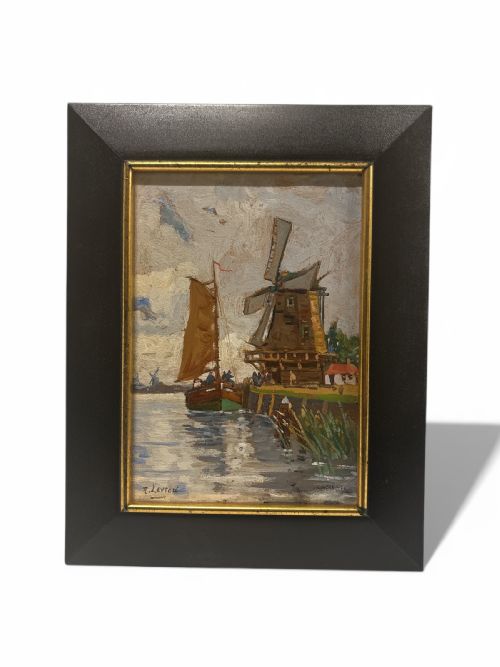
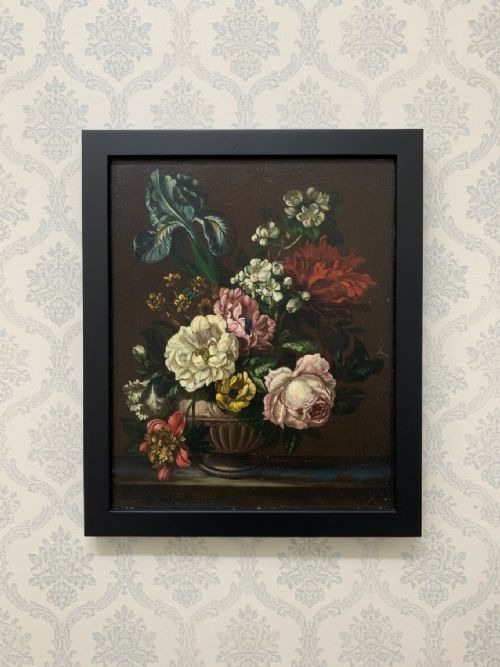
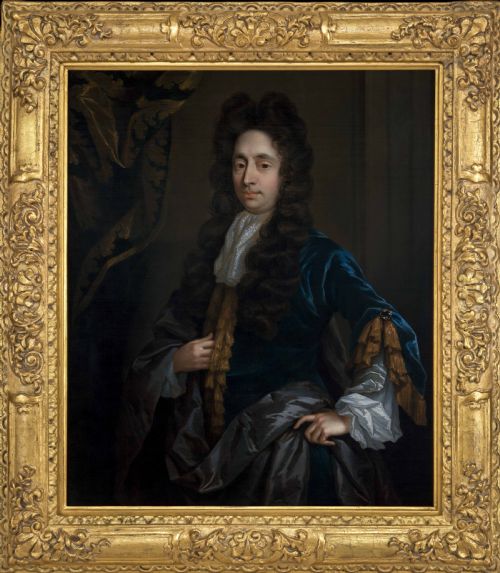
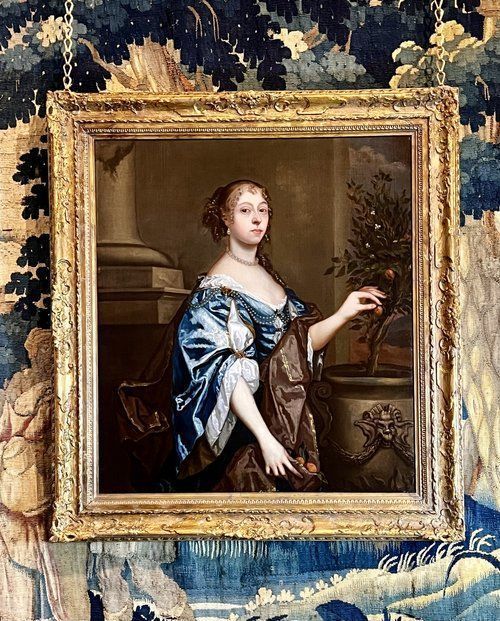
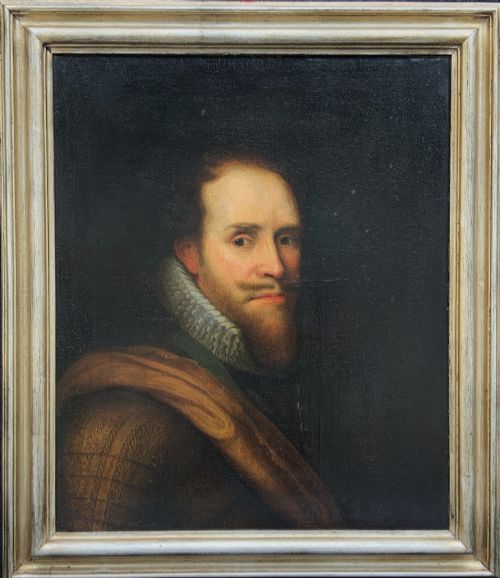
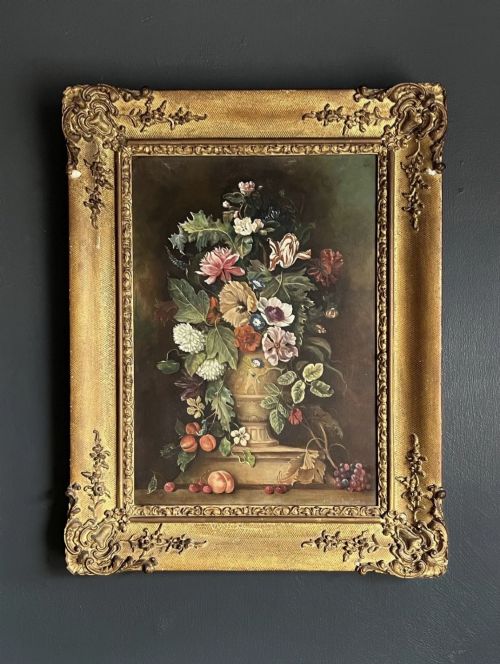
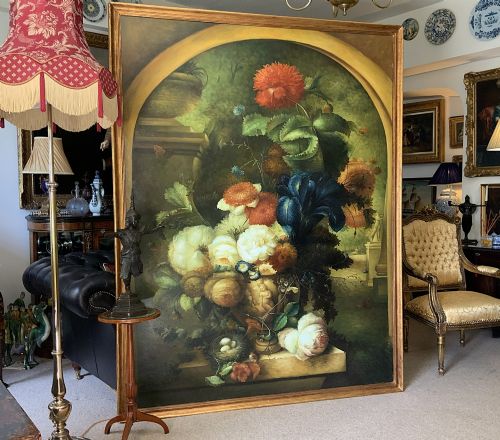
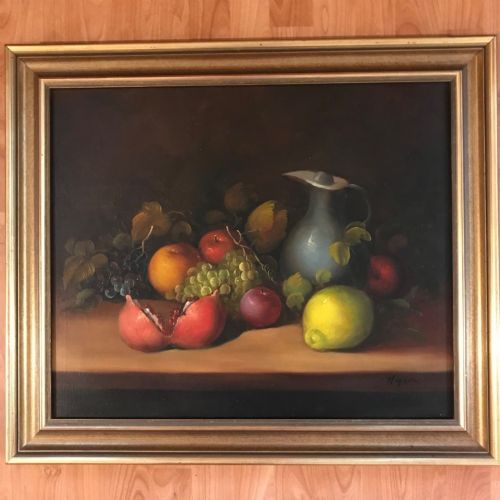
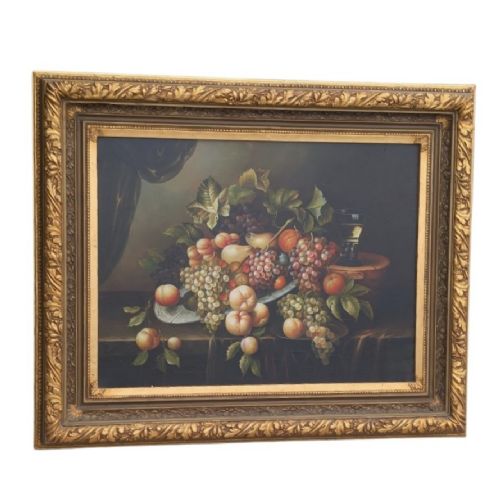
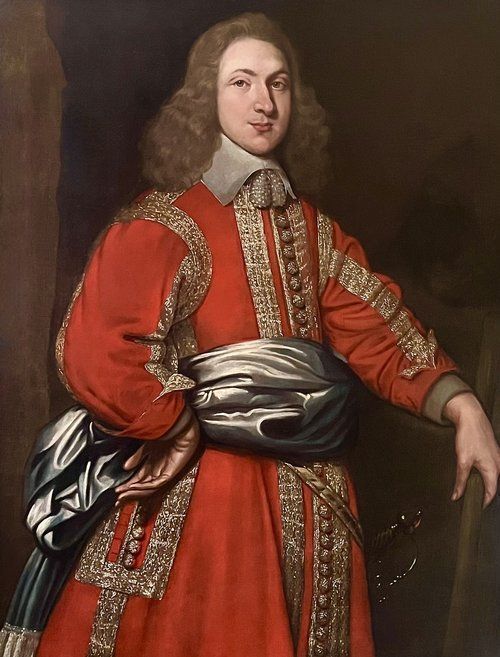
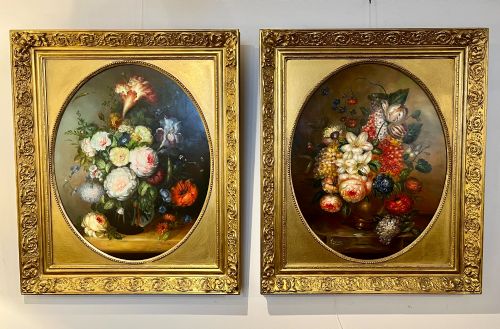
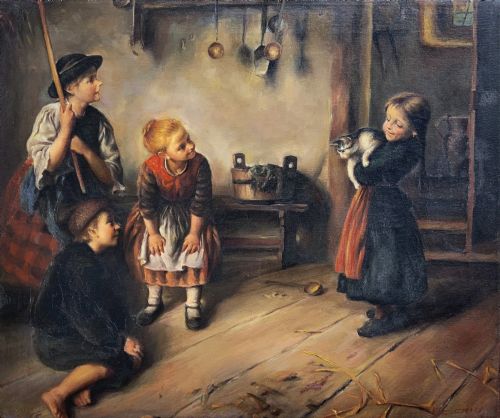
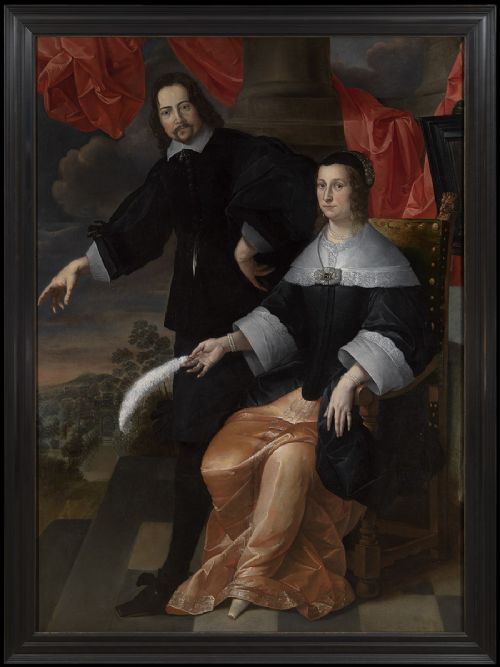
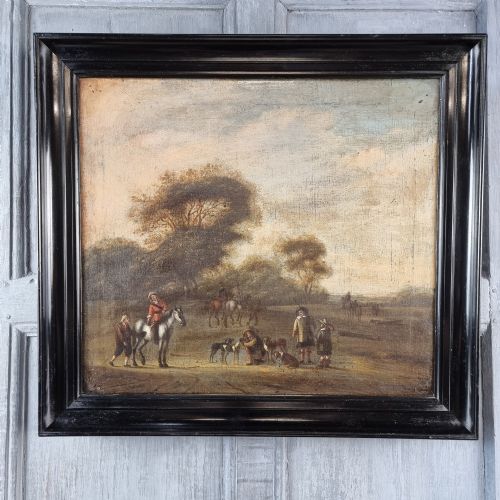
Buyers seeking antique dutch artwork encounter a diverse selection ranging from seventeenth-century oil paintings to mid-century canvas works. The grouping embraces portraits of noble figures, still lifes of flowers and fruit, and maritime views.
Many examples stem from the Dutch Golden Age, while others follow later nineteenth-century revival styles and twentieth-century interpretations. Canvases, wood panels, and framed prints dominate the selection across multiple centuries.
Factors that define quality
Execution skill in brushwork and anatomical proportion distinguishes masterworks from standard decorative workshop output. Fine preservation of the original pigment layer and minimal intervention by later restorers elevate desirability.
The complexity of the composition, particularly in floral still lifes or multi-figure genre scenes, indicates the creator's technical mastery. Original period frames that match the age of the canvas also contribute to overall standing.
Several seventeenth-century portraits feature remarkably intricate ruff collars that required starched linen wizardry to maintain their towering geometry.
Constantyn Netscher·Pieter Borseler·Bonaventura Peeters·Gaspar Peeter Verbruggen·David Teniers
The Antique Dutch Artwork Glossary
- Oil on panel
- A painting executed on a wooden board rather than woven fabric. Artists frequently utilised oak panels for seventeenth-century works.
- Gilt gesso
- A plaster-like material applied to wooden frames, then carved and coated in gold leaf. It provides ornate surface decoration.
- Old Master
- A term for a European artist of high skill working before the nineteenth century. The category includes prominent portraitists and landscape painters.
- Genre painting
- Artwork depicting scenes from everyday life, such as tavern interiors or domestic moments. These pieces record historical social customs.
- Line engraving
- A printmaking technique where lines are incised directly into a metal plate using a burin. The resulting impressions show sharp detail.
Antique Dutch Artwork: Frequently Asked Questions
How do I identify a seventeenth-century canvas?
Examine the weave of the fabric and the preparation layers on the reverse side of the support. Early canvases often display irregular thread counts and heavy priming.
Inspect the pigment under magnification to check for age-related craquelure naturally formed over centuries. Professional conservation reports provide definitive confirmation of age.
What subjects are most common in these paintings?
Portraits of military officers, noblemen, and ladies dominate the early periods, alongside bustling maritime scenes. Still lifes featuring flowers, fruit, and game also appear frequently.
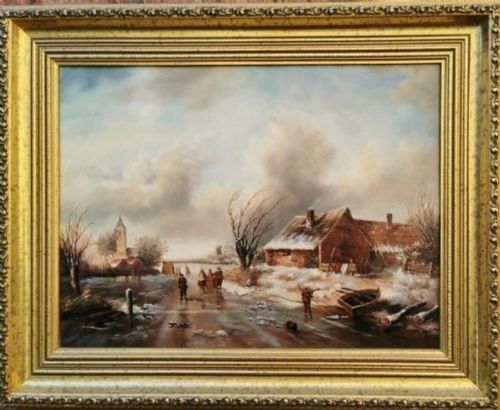
Later periods introduce winter landscapes and windmill views reflecting regional Dutch topography. Genre scenes depict quiet domestic moments and tavern gatherings.
Are wooden panel paintings fragile?
Wood panels react to shifts in ambient relative humidity by expanding and contracting. Stable indoor environments prevent the wood from warping or cracking.
Keep pieces away from direct sunlight and heat sources to protect the delicate oil paint layers. Proper framing provides structural support along the edges.
How should I clean an antique frame?
Dust giltwood and gesso frames gently with a soft dry brush to remove surface particles. Avoid liquid cleaners or chemical solvents which strip gold leaf.
Professional gilders should handle structural repairs or flaking gesso to preserve the antique surface. Regular gentle maintenance prevents the accumulation of grime.