



Dutch Interior Artwork
Dutch interior artwork captures domestic and tavern scenes from centuries past, offering a glimpse into historic daily life that collectors treasure.
Dutch Interior Artwork
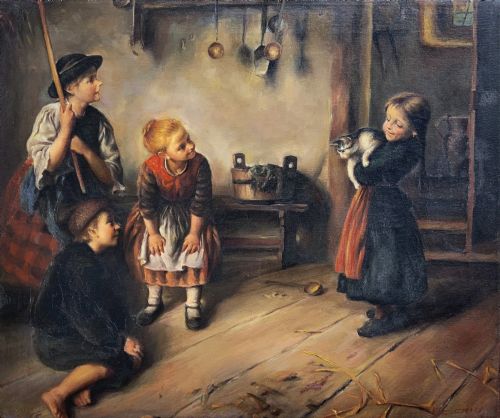
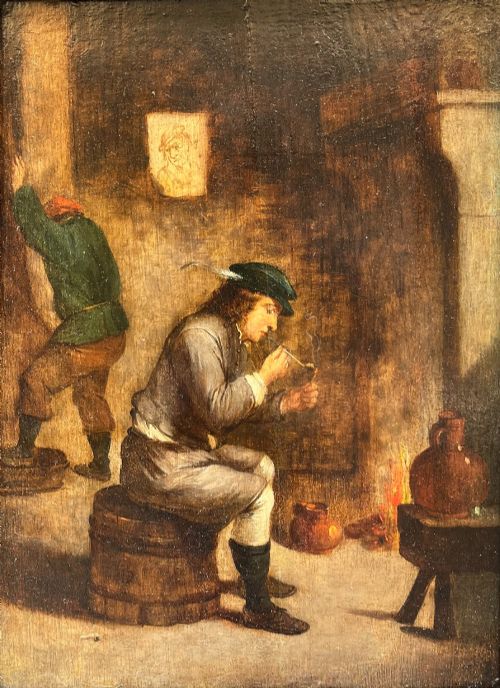
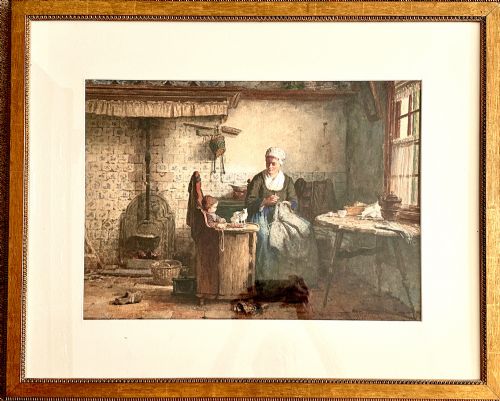
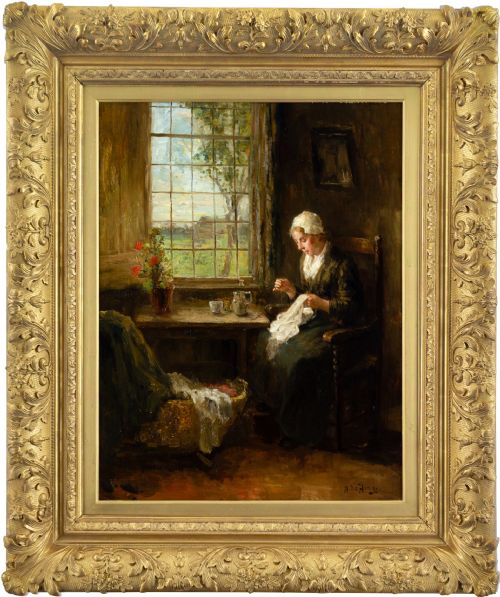
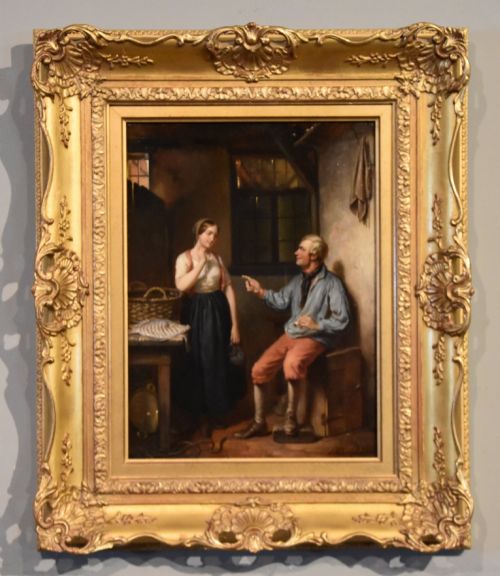
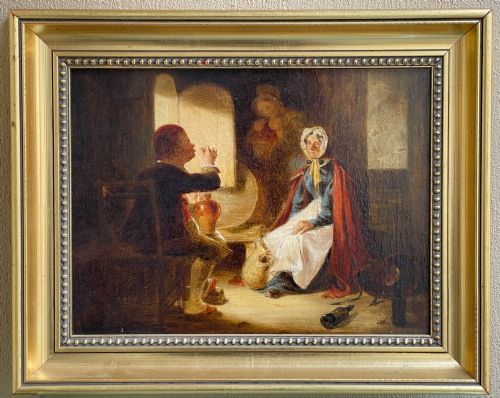
When you search for dutch interior artwork, you encounter paintings depicting domestic homes, rustic taverns, and quiet kitchen scenes. These works capture everyday domestic moments, ranging from children playing to servants and peasants merrymaking.
The selections span multiple eras, with pieces originating from the seventeenth century through to the mid-twentieth century. Works include period originals as well as later interpretations created in the golden age style.
Framed paintings on this page frequently utilise canvas, wood panels, or copper plates as a base. Subjects vary from intimate fireside scenes to busy tavern interiors featuring multiple figures.
Materials and technique
Artists painted these domestic and tavern scenes primarily using oil paint applied to canvas, wood panels, or copper substrates. Oil paint allowed masters and followers to build rich textures and deep shadows within enclosed rooms.
Surviving supports include traditional oak panels, canvas, copper plates, and tin sheets housed in period giltwood frames.
Separating the fine from the ordinary
Quality rests in the handling of light and shadow, particularly how illumination falls across figures gathered around a hearth or near a window. Superior works demonstrate precise brushwork that defines fabric textures, facial expressions, and interior objects.
The lineage of a piece also dictates its standing, distinguishing original seventeenth-century works and circle pieces from later nineteenth-century interpretations or reactive student copies.
David Teniers·Hendrik Valkenberg·Bernard De Hoog·Jacob Akkersdijk·Quirijn Van Brekelenkamp·Ludolf de Jongh·Reinier de la Haye·Jan Steen
The Dutch Interior Artwork Glossary
- Dutch Golden Age
- A period in Dutch history spanning the seventeenth century noted for exceptional achievements in painting. Art from this era heavily influences later domestic and genre scenes.
- Genre Painting
- The pictorial representation of scenes from everyday life, such as domestic interiors, tavern gatherings, and market scenes. These works focus on ordinary people engaged in common activities.
- Giltwood
- Wood that has been treated with gold leaf or a gold-coloured finish. This material is standard for framing historical paintings.
- Oil on Panel
- A painting technique where oil paint is applied directly to a prepared wooden board. Oak panels were frequently utilised by early northern European artists.
- Circle of
- A term used in attribution to denote an artist working during the same period and in close association with a master, sharing a similar style and technique.
Dutch Interior Artwork: Frequently Asked Questions
What is a Dutch interior painting?
These artworks depict domestic spaces, kitchens, and taverns showing daily activities of families, servants, and peasants. The genre focuses on human interaction within enclosed architectural settings.
Subjects often include figures gathered at the hearth, preparing meals, or merrymaking, reflecting historic social habits and domestic life.
How do I identify the period?
Dating relies on examining the support material, such as early oak panels versus later canvases, alongside the painting technique and framing style. Seventeenth-century works differ visibly from nineteenth-century realisms or mid-century pieces.
Signatures, artist attributions, and stylistic adherence to the golden age or Hague school provide further chronological indicators.
Where were these paintings displayed?
Historically, smaller genre paintings hung in the private rooms of merchant houses and domestic residences rather than grand public galleries. Their intimate scale suited residential interiors.
Today, collectors place them in studies, living rooms, and hallways where traditional framed oil works complement period decor.
What subjects are most common?
Tavern interiors featuring smokers, drinkers, and merrymakers appear frequently alongside quiet domestic moments like mothers with children or servants in kitchens. Larder scenes with game also recur.
These varied narratives provide insight into different social strata of historic European society.