



Brown Oil Painting Panel
These brown oil painting panel works combine oil medium with rigid wooden supports, offering collectors enduring art spanning multiple centuries.
Brown Oil Painting Panel
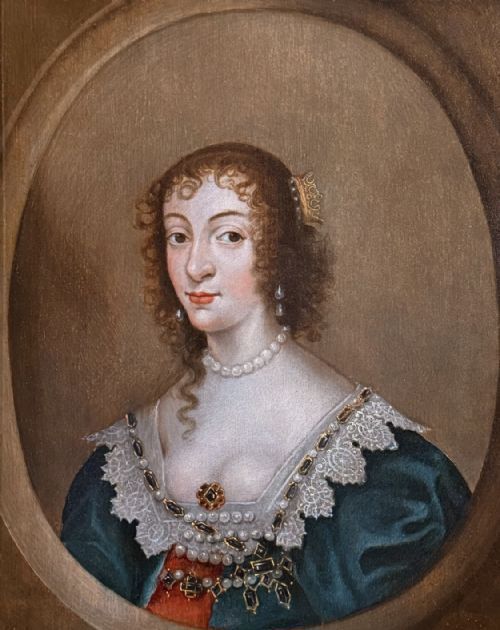
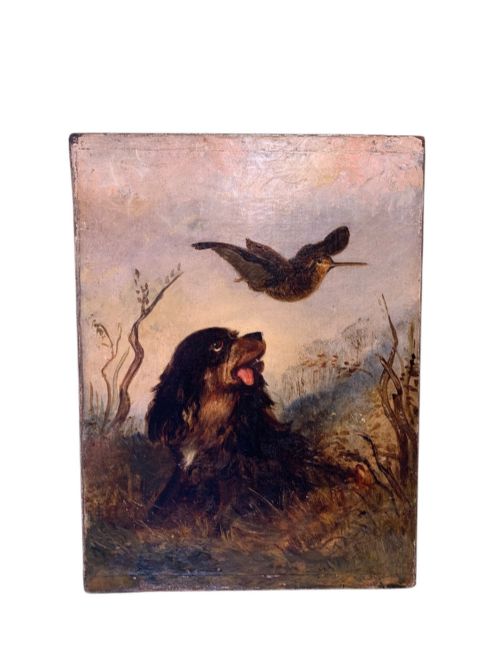
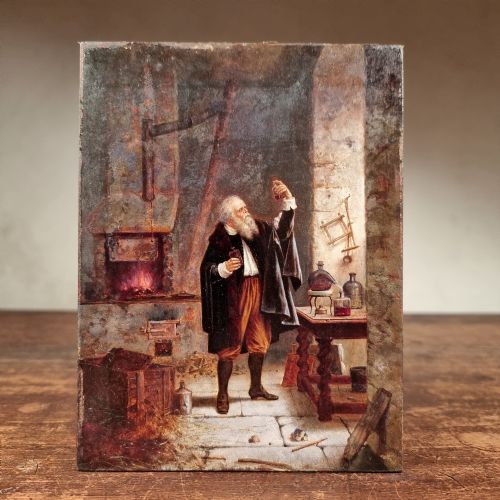
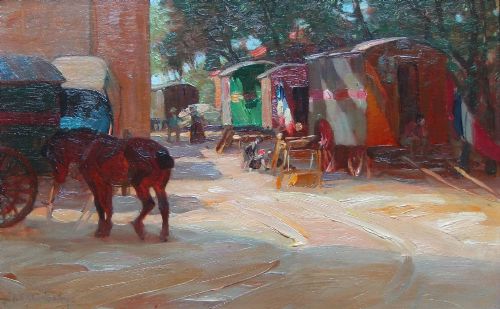
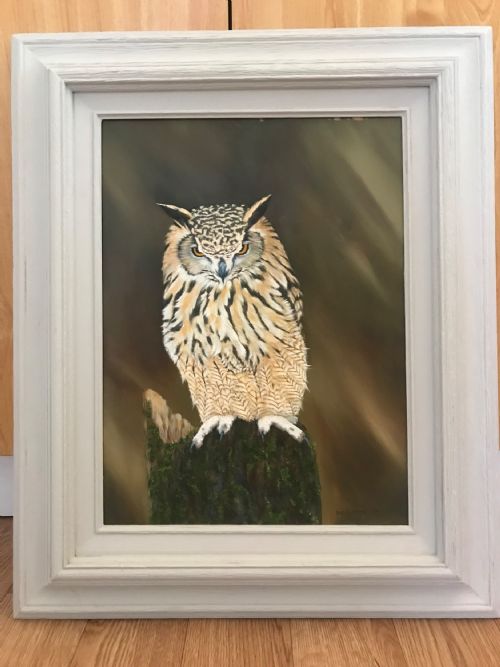
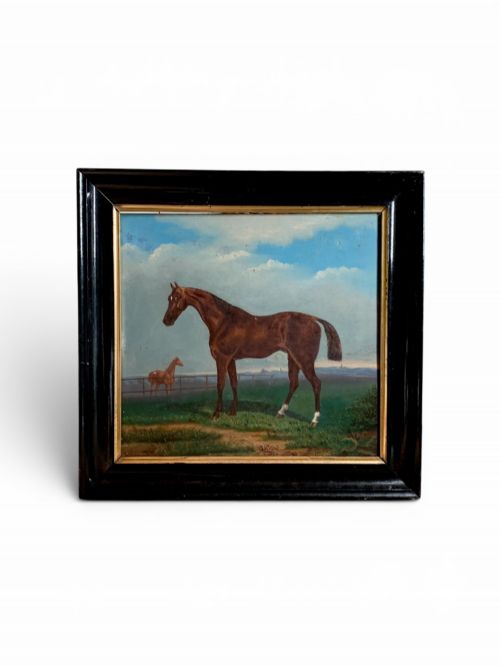
When you examine a brown oil painting panel, you look at historical fine art created on sturdy wooden supports rather than flexible canvas. These pieces range from seventeenth century portraits to twentieth century landscapes, capturing subjects from domestic animal studies to grand architectural prospects.
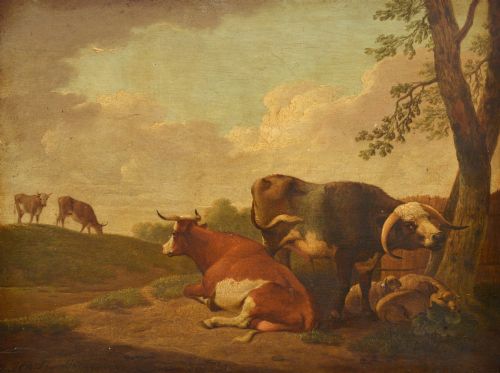
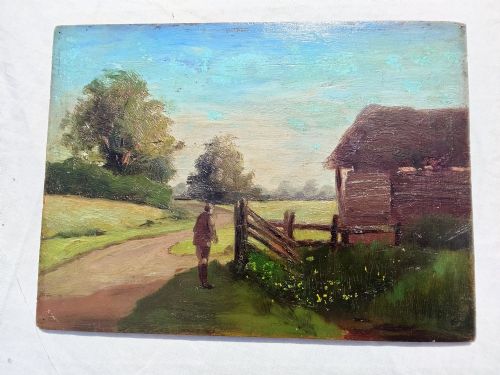
The version you are most likely to meet on this page is a nineteenth century or eighteenth century English or continental landscape, often rendered in warm earthen tones upon oak or pine boards. Such works frequently depict rural scenes, livestock, or architectural views framed within traditional styles.
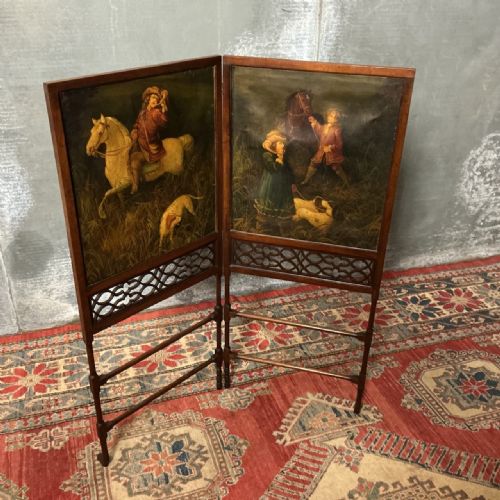
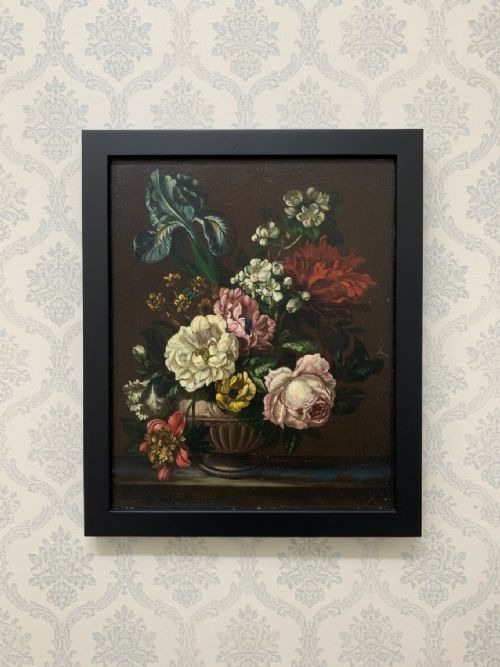
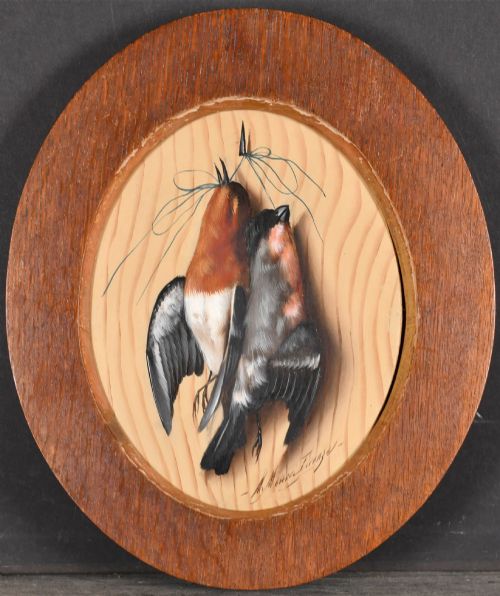
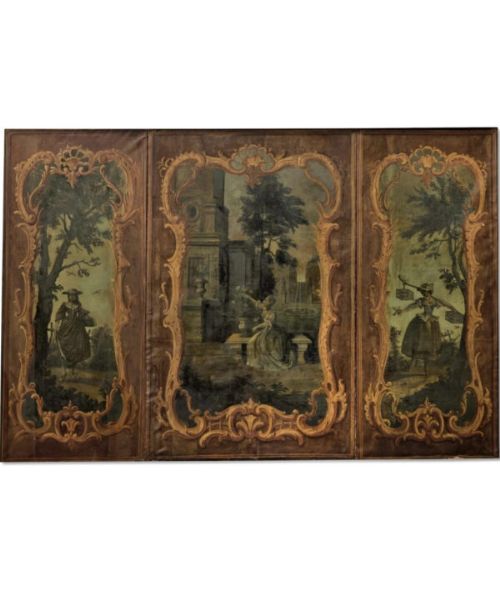
Collectors encounter diverse formats including small cabinet portraits, fire screen inserts, and detailed still life compositions. The rigidity of the wooden substrate has allowed these intimate artworks to survive centuries while retaining their distinct brushwork and tonal depth.
Materials and technique
Artists painted primarily with oil colours applied directly to prepared wood panels, which included oak, pine, and mahogany boards. This rigid ground provided a smooth, stable surface that allowed for minute detail and rich glazing techniques.
Makers often prepared the wooden support with a gesso or chalk ground before applying layers of oil paint. Pigments derived from earth tones formed the characteristic brown palette seen across Dutch school still lifes and British topographical views.
Listings feature wood panel supports from the seventeenth, eighteenth, and nineteenth centuries, alongside twentieth century examples.
Quality variations
The upper tier of these works displays confident brushwork, sophisticated handling of light and shadow, and well-preserved ground layers that retain their original tonal balance. Master painters achieved remarkable depth in dark areas through careful layering of translucent oil glazes.
Simpler pieces, such as naïve school animal studies or unsigned topographical views, show more direct application and stiffer compositions. While less formally accomplished, these works still demonstrate genuine period character and honest craftsmanship.
Hendrik Willem Schweickhardt·Michelangelo Meucci·William Williams·George Lambert
The Brown Oil Painting Panel Glossary
- Oil paint
- A slow-drying paint made by combining pigments with a drying oil, most commonly linseed oil. This medium allows artists to blend colours smoothly and build up translucent glazes.
- Wood panel
- A flat piece of timber utilised as a rigid support for painting. Oak, mahogany, and pine were frequently chosen by artists for their stability.
- Grisaille
- A painting executed entirely in shades of grey or neutral greyish-brown monochrome. This technique was often used for preparatory underpaintings or to simulate sculptural reliefs.
- Trompe l'oeil
- An art technique involving extremely realistic imagery that optical illusion creates the perception that the depicted objects exist in three dimensions.
Brown Oil Painting Panel: Frequently Asked Questions
Why did artists paint on wood?
Wood panels provided a completely rigid and durable surface for detailed brushwork. Before canvas became widely adopted, timber boards were the standard support for fine art.
Panels also allowed artists to achieve smooth, porcelain-like finishes in portraits and still life scenes. Oak was particularly favoured by Dutch and Flemish masters for its longevity.
How do I identify the wood type?
Examining the reverse or unpainted edges of the panel often reveals grain patterns and tool marks characteristic of specific timbers. Oak frequently shows characteristic medullary rays, while pine displays distinct linear growth rings.
Framed pieces may require cautious inspection by a specialist to view the panel edges without causing damage. The weight and colour of the exposed wood also offer clues to its origin.
Where were these paintings displayed?
Historical works on panel hung in domestic parlours, rectories, and institutional galleries across Britain and continental Europe. Smaller cabinet paintings were often kept in private studies for close personal contemplation.
Some panel paintings were integrated directly into interior woodwork, fire screens, or wall panelling. Their portable nature also allowed owners to transport them easily between residences.