



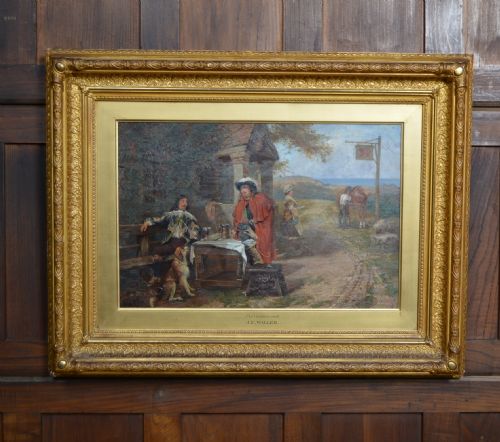


Antique Tavern Scene Painting
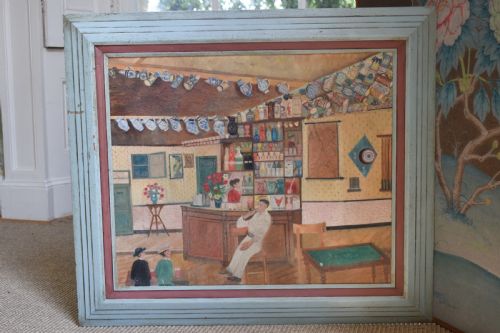
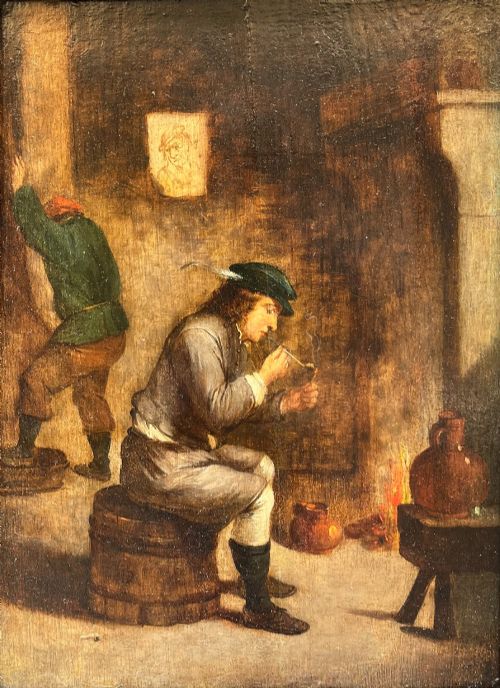
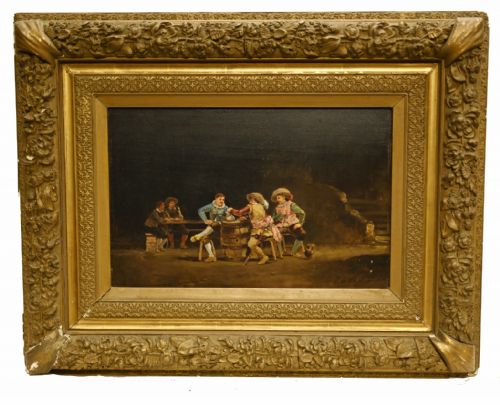
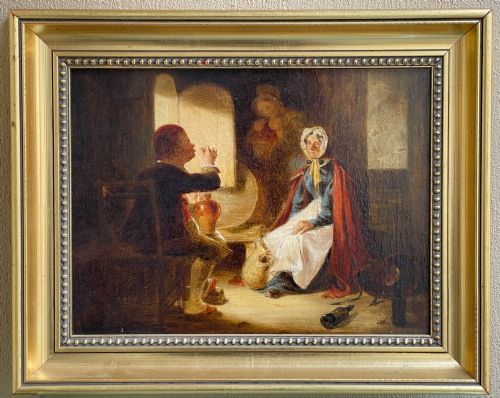
These antique tavern scene painting works capture the rowdy, convivial spirit of past drinking houses in rich oils and watercolours.
What these pieces are
An antique tavern scene painting brings the bustling interior of a historic drinking house straight to your wall, portraying figures smoking, drinking and playing cards. When searching this phrase, buyers encounter a range of works depicting merrymakers in lively settings.
The selections span multiple eras, most notably the seventeenth century and the nineteenth century. Pieces often channel the Dutch School or Flemish Baroque traditions, capturing everyday human drama with directness and humour.
You will find works attributed to notable names like David Teniers, Gilbert Scott Wright and Robert Richard Scanlan, alongside pieces produced by followers or followers of the Dutch School. Formats vary from small watercolours to large oil paintings housed in ornate giltwood frames.
How they were made
These works rely on traditional media including oil paint, oil, watercolour and ink applied to canvas, copper panel, tin, board or paper. Artists layered pigments to build depth in dim tavern interiors and illuminate faces with warm, directional light.
Many examples are preserved in their original frames, including leaf-cast giltwood and gilt wood mouldings that complement the dark, rich palettes of the compositions. Watercolour pairings on paper demonstrate finer, lighter line work alongside the heavier impasto of oil paintings.
Retail Price Guide 2026
Typical UK retail prices for tavern scene painting, calculated from the Sellingantiques database of over a million retail prices indexed since 2003. This retail price guide relies exclusively on Sellingantiques data; no external sources or auction records are used, so the figures do not describe the wider market.
Expect plenty of spilled ale, questionable card games and men smoking on barrels in these lively historic depictions.
What varies in quality
Quality separates mass-market decorative copies from masterworks by artists such as David Teniers or Cornelis Dusart. The handling of facial expressions and textile folds reveals the true skill of the hand behind the brush.
The integration of the original frame dictates much of the physical preservation and aesthetic weight of a piece. Works presented in period leaf-cast gilt frames retain more historical integrity than those rehoused in later centuries.
David Teniers·Gilbert Scott Wright·Robert Richard Scanlan·Dietrich·Franz Giessel·Cornelis Dusart
The Antique Tavern Scene Painting Glossary
- Dutch School
- A collective term for artists working in the Netherlands during the seventeenth century or those later influenced by their realistic domestic and tavern subjects.
- Flemish Baroque
- A dynamic artistic movement characterised by rich colour, movement and dramatic contrast, seen strongly in works associated with David Teniers.
- Giltwood
- Wood that has been thinly coated with gold leaf or gold paint, frequently used for traditional picture frames.
- Genre art
- Paintings that depict aspects of everyday life, such as tavern gatherings, card games and street scenes.
- Impasto
- A technique where paint is laid on an area of a surface in thick layers, making brush strokes visible.
Frequently Asked Questions
What is an antique tavern painting?
These artworks depict social scenes inside or outside historic public houses, focusing on drinking, smoking, card playing and music.
They serve as historical windows into past social habits, rendered by painters working in seventeenth-century and nineteenth-century traditions.
How do I care for my painting?
Keep oil and watercolour works away from direct sunlight and fluctuating humidity to protect the canvas, paper or panel.
Dust giltwood frames gently with a dry, soft brush without using chemical cleaners that might damage the surface.
Are these works painted on canvas?
While many use traditional canvas or board, historical examples frequently employ unusual surfaces such as copper panels or tin.
Support materials varied according to the artist's preference and regional school traditions during the period of creation.
How do I spot a Dutch School piece?
Look for earthy colour palettes, detailed interior lighting and realistic portrayals of peasants and revellers.
Many of these works emulate the seventeenth-century masters who popularised everyday genre scenes.