



Brown Oil on Canvas
When you search for brown oil on canvas, you enter a world of centuries-old painted portraits, landscapes, and still lifes rendered in deep, earthy palettes.
Brown Oil on Canvas
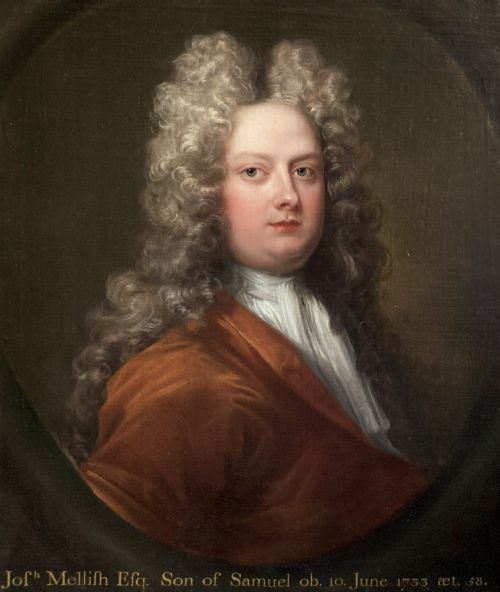
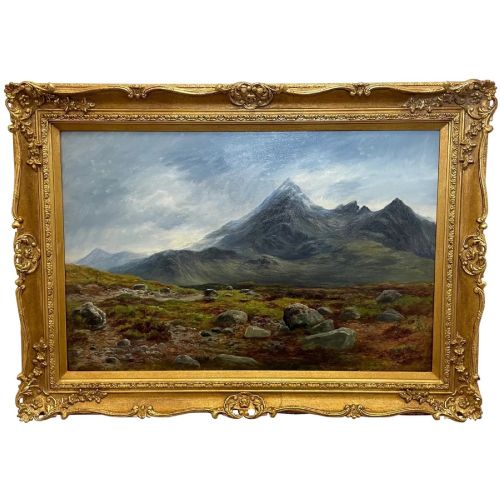
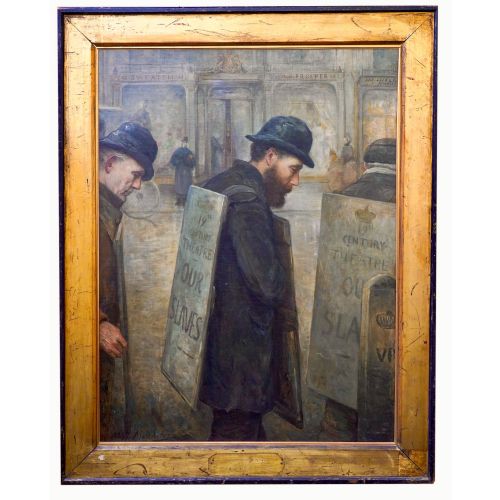
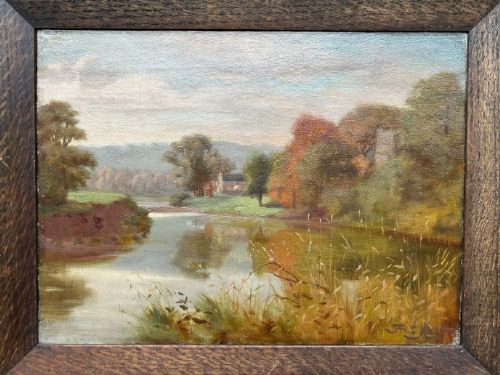
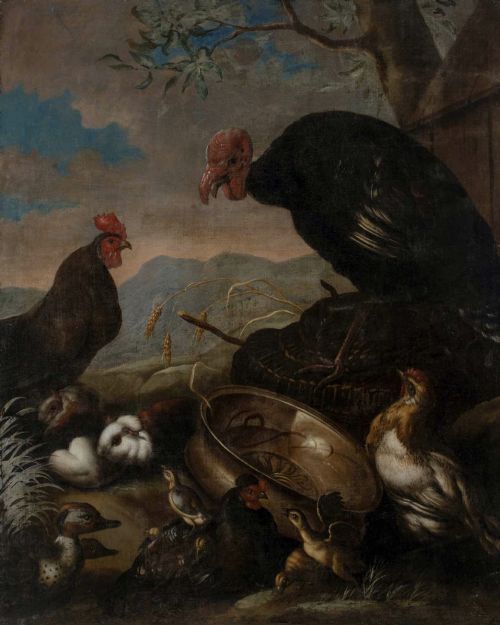
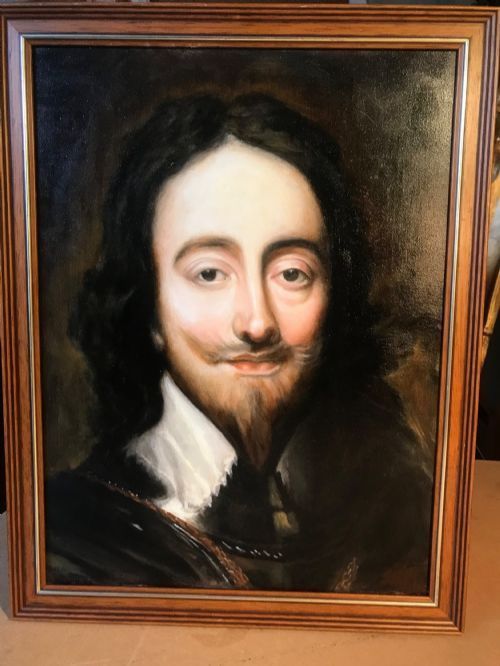
A brown oil on canvas selection comprises historical paintings spanning several centuries, ranging from seventeenth-century portraits to twentieth-century landscapes. Buyers encounter formal aristocratic likenesses, still lifes featuring game or fish, and pastoral scenes.
The works originate from various European traditions, including British, French, Dutch, and Italian schools. Portraiture and narrative history paintings sit alongside genre scenes and animal studies.
Earlier periods lean towards dark, restrained tonalities influenced by seventeenth-century techniques, while later nineteenth and twentieth-century examples introduce broader tonal variations while retaining deep foundational earth tones.
How they were made
Artists painted primarily with oil paint upon stretched canvas, though occasional works appear on board. Frames frequently incorporate wood, gesso, and gold leaf or gilt wood.
The underlying structure relies on heavy woven canvas supports prepared with priming layers to hold thick applications of oil pigment. Artisans built compositions through layered glazes and opaque brushwork, which created the characteristic dark amber and umber shadows seen across these works.
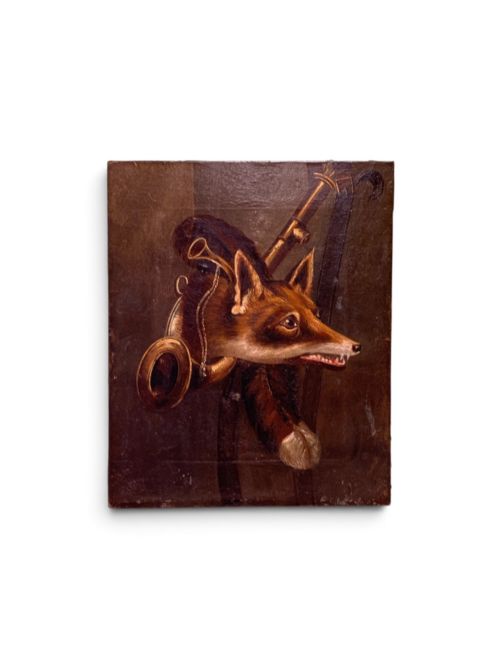
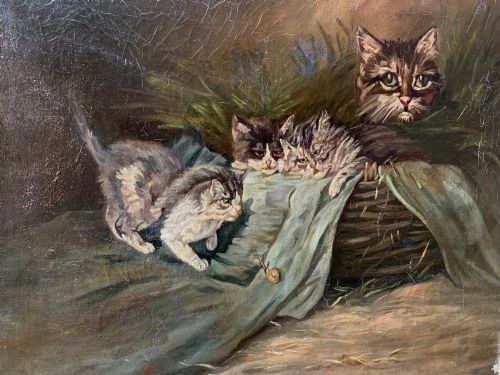
Several canvases feature unexpected companions, including racing pigeons, kittens tangling with snails, and prizewinning shorthorn bulls.
What varies in quality
The distinction between standard works and exceptional examples lies in the precision of brushwork, anatomical accuracy in figures and animals, and the depth achieved through layering. Master painters control light and shadow to create three-dimensional form, whereas weaker pieces suffer from flat planes and stiff proportions.
Condition also plays a vital role, distinguishing works with intact original surfaces and minimal intervention from those burdened by heavy, clumsy restoration or extensive pigment loss.
Charles Jervas·William Beattie-Brown·Felix Stone Moscheles·William H Myers·Sir Peter Lely·Valentine T Garland·Frederick Marriott·Angelo Maria Crivelli·Anthony Van Dyck·William McAlpine·Sir Godfrey Kneller·Hendrik Willem Schweickhardt·Mary Beale·Alfred Fontville de Breanski Jr·John Scougall·Herbert Royle·Edouard Pingret·Samuel De Wilde·James Taylor-Brown
The Brown Oil on Canvas Glossary
- Canvas
- A heavy woven fabric, typically linen or cotton, used as a support surface for oil paintings. It is stretched tightly over a wooden frame before painting begins.
- Gesso
- A plaster-like mixture used as a base coat on wooden frames or panels to prepare the surface for gilding or painting. It provides a smooth, absorbent foundation.
- Gilt Wood
- Wood that has been decorated with a thin layer of gold leaf or gold powder. This finish is common on antique picture frames.
- Old Master
- A term for a European artist of high skill working before about eighteen hundred. These painters established foundational traditions in portrait and landscape composition.
- Provenance
- The documented history of ownership of a painting. It helps verify authenticity and tracks the passage of an artwork through time.
Brown Oil on Canvas: Frequently Asked Questions
How do I care for an antique oil painting?
Keep the artwork away from direct sunlight and dramatic shifts in temperature or humidity. Avoid touching the painted surface directly, as natural skin oils can damage the pigment over time.
Dust the frame gently with a dry, soft brush. Leave any deeper cleaning or conservation work to professional restorers.
What subjects are most common in these paintings?
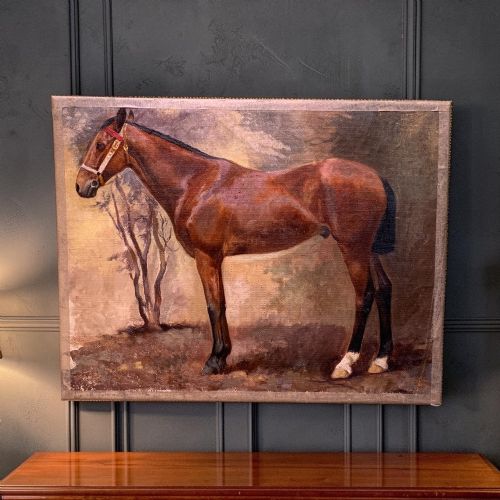
Human portraits dominate the selections, ranging from seventeenth-century gentlemen to Victorian social history subjects. Landscapes and animal studies, such as sporting dogs and livestock, also appear frequently.
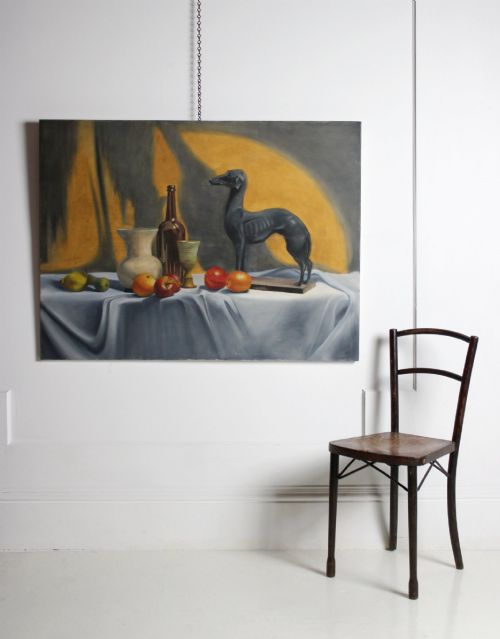
Still life compositions featuring game, fish, and seasonal elements offer another recurring theme across different centuries.
How can I tell the period of a canvas?
Stylistic clues such as clothing, hair styles, and framing techniques offer immediate indicators of era. Seventeenth and eighteenth-century works often feature darker, muted palettes and formal poses.
Nineteenth and twentieth-century pieces introduce looser brushwork, brighter highlights, and distinct pastoral or maritime subjects.
What is an old master painting?
An old master refers to a European painter of skill working prior to the nineteenth century. These artists shaped foundational traditions in portraiture, landscape, and historical narrative.
Works from this category often reflect formal academic training and specific regional school characteristics.