


Dark Tone Wall Art
Dark tone wall art brings shadow and atmosphere into a room through centuries of painted canvas.
Dark Tone Wall Art
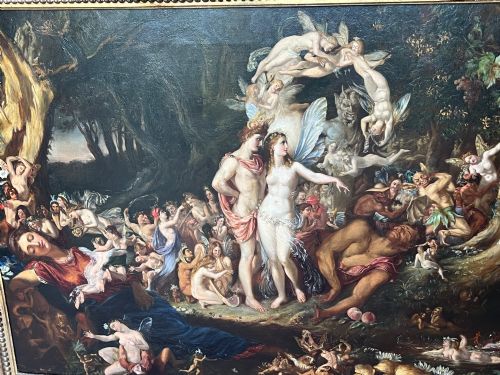
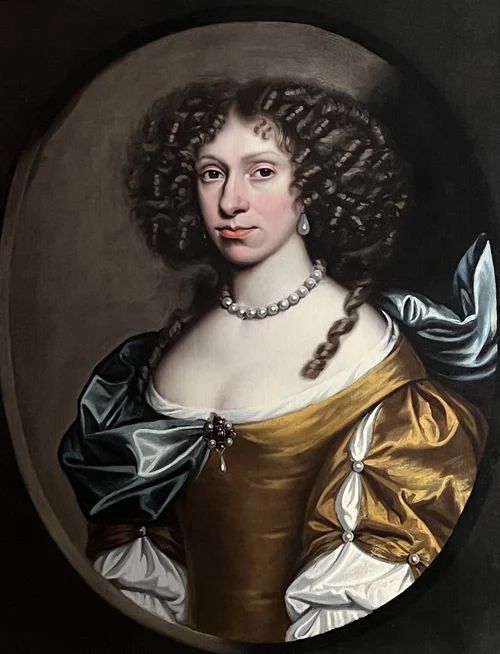
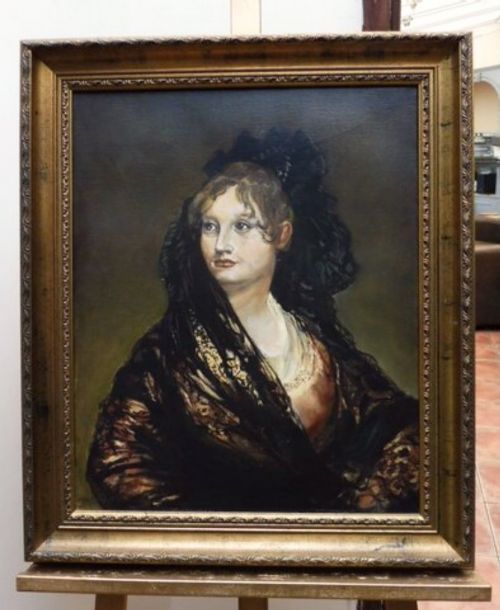
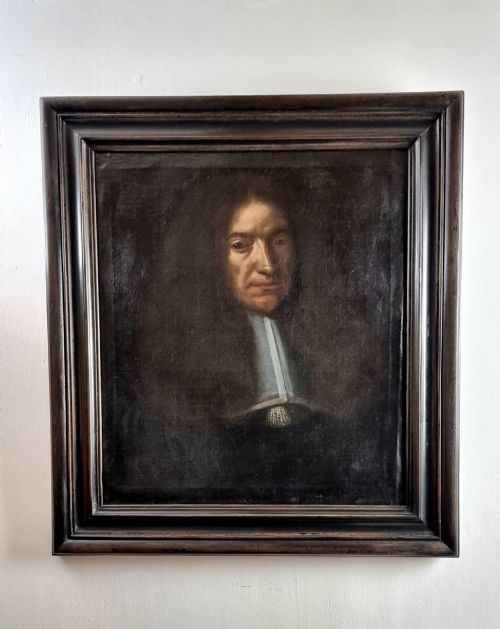
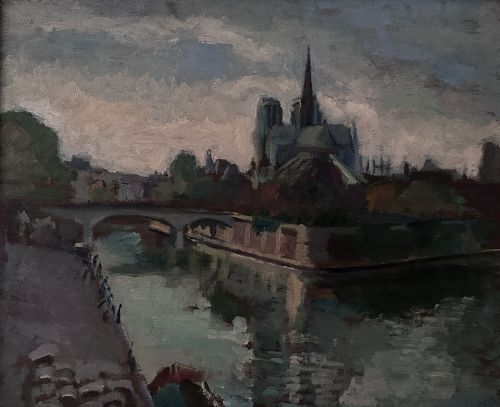
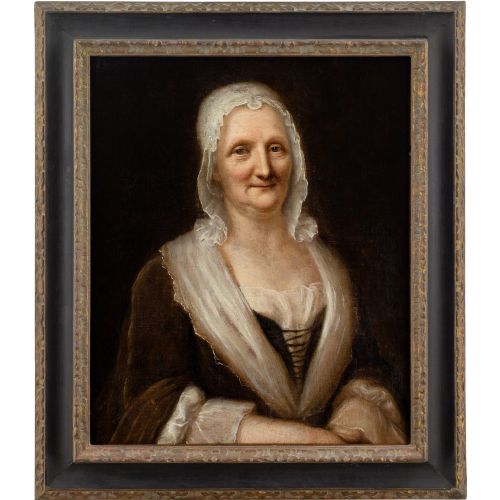
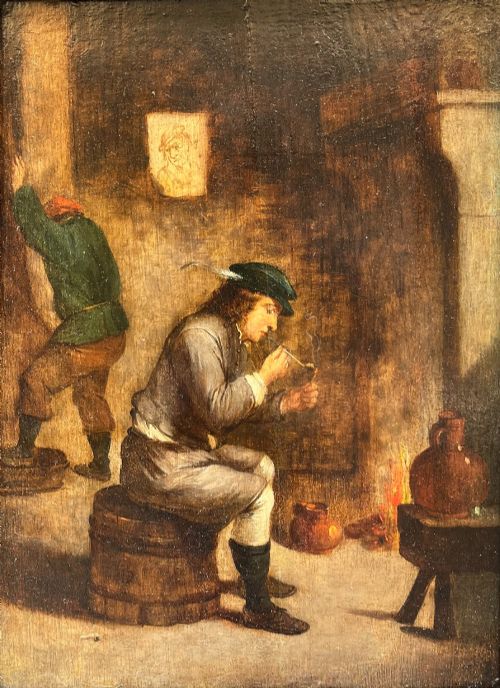
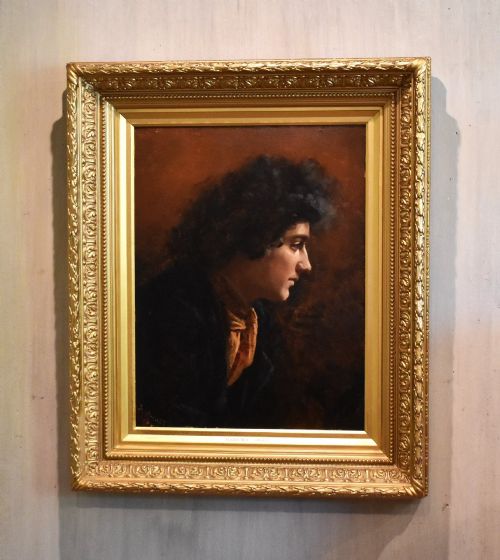
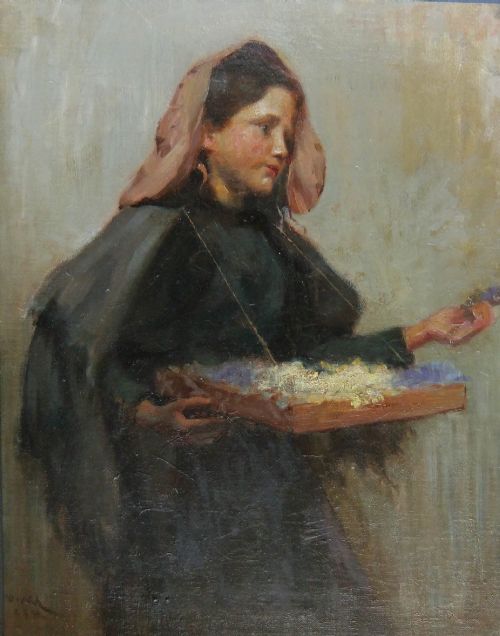
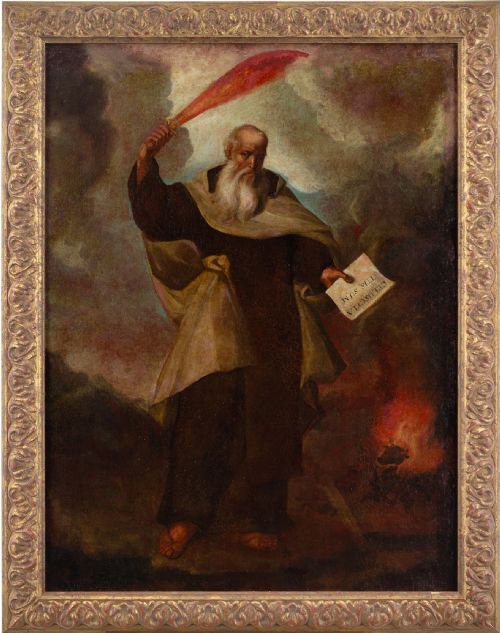
When searching for dark tone wall art, collectors encounter historic oil paintings that lean heavily into shadow, sombre palettes, and deep chiaroscuro lighting. These pieces span from the seventeenth century through to the twentieth century, bringing the weight of past centuries directly onto a wall.
The most common forms on this page are oil paintings on canvas, often framed by portraiture, religious scenes, or moody still lifes. Examples range from seventeenth-century Spanish and Flemish schools to nineteenth-century domestic and marine subjects.
Materials and Technique
The primary vehicle for these works is oil paint applied to canvas, frequently supported by wooden stretchers and panels. Painters built depth by layering rich pigments over dark grounds, allowing the underpainting to create natural shadows and moody atmospheres.
Gesso often prepared the canvas or panel for the oil medium, providing a stable foundation that held the heavy pigments of the period. Artists utilised these tactile materials to manipulate light and dark, a technique central to Baroque and later realist traditions.
A seventeenth-century larder still life packs eggs, walnuts, a lemon, playing cards, dice, and a snail into a single moody canvas.
Assessing Quality
Quality rests in the handling of brushwork and the depth achieved within the shadows, where lesser works appear flat while superior canvases maintain luminosity in the dark areas. The confidence of the draughtsmanship in figurative and portrait subjects separates workshop productions from master hands.
Condition and originality dictate the standing of a piece within its period. Canvases retaining their original stretchers, undisturbed surface layers, and period frames hold greater integrity than those with heavy modern intervention.
David Scougall·Florence Small·William Watt Milne·Ralph Hedley·James G Faulds
The Dark Tone Wall Art Glossary
- Chiaroscuro
- The use of strong contrasts between light and dark, usually bold contrasts affecting a whole composition. This technique defines much of the seventeenth-century work found in dark tone wall art.
- Gesso
- A plaster mixture consisting of a binder mixed with chalk, gypsum, or pigment used as a base coat on panels or canvases. It prepares the surface to receive oil paint.
- Baroque
- A style of European architecture, music, and art of the 17th and 18th centuries that used dramatic detail and deep shadow. Painters of this period prioritized theatrical emotional resonance.
- Provenance
- The chronology of the ownership or location of a historical object. A clear record adds context and authenticity to antique oil paintings.
Dark Tone Wall Art: Frequently Asked Questions
How do I hang dark tone wall art?
These canvases require deliberate placement away from direct glare to let the deep shadows read properly against a wall.
Pairing them with a focused picture light brings out the subtle tones hidden within the darker pigments.
How can I tell a seventeenth-century canvas from a later copy?
Examining the canvas weave, stretcher construction, and the ageing of the oil paint provides primary clues to the period.
Earlier works display hand-woven canvas structures and craquelure patterns that differ significantly from nineteenth-century or later reinterpretations.
What subjects appear most often in these paintings?
Portraits of judges, merchants, and gentlefolk dominate the earlier centuries, accompanied by religious scenes and still lifes.
Later periods introduce domestic views, marine settings, and pastoral subjects executed in oil.
How do I care for antique oil paintings?
Keep the canvas away from extreme temperature shifts and direct sunlight to prevent the oil paint from drying out or cracking further.
Dust the surface gently with a soft, dry brush without applying pressure to the paint layer.