





Oak Panel Painting
An oak panel painting carries centuries of portraiture and landscape on a sturdy wooden ground.
Oak Panel Painting
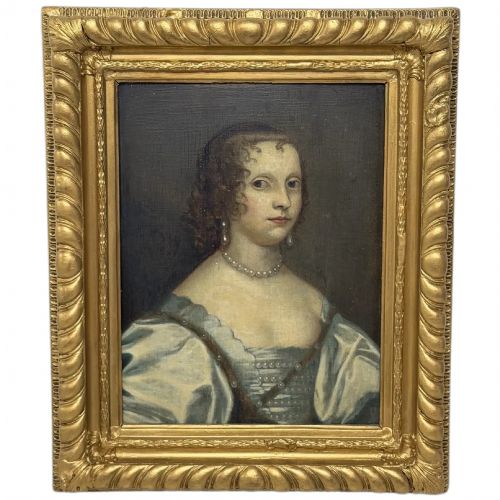
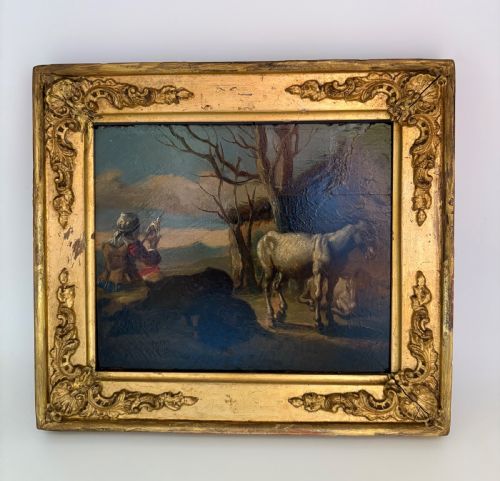
When you search for an oak panel painting, you are looking at works where artists applied oil paint directly to prepared timber supports rather than stretched canvas. The pieces on this page span the sixteenth, seventeenth, eighteenth, and nineteenth centuries, taking the form of fine art portraits, Dutch and English landscapes, and tavern scenes.
The most common form you will meet on this page is the seventeenth or eighteenth century oil painting executed on a sturdy oak board, often depicting figures, royalty, or rustic interiors. These works demonstrate the enduring stability of wood as a painting support over hundreds of years.
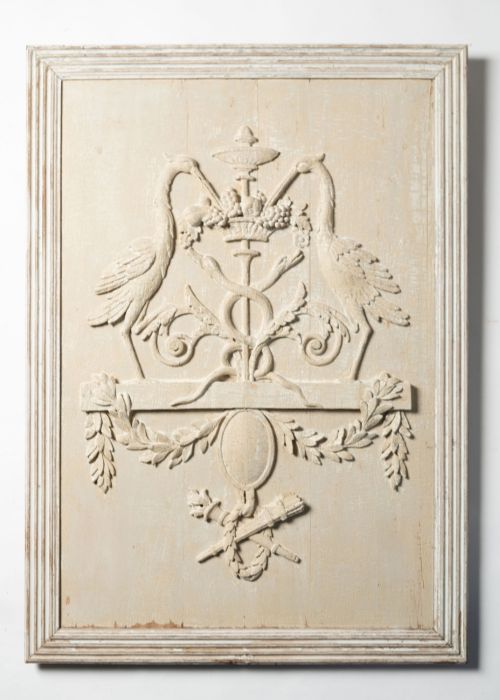
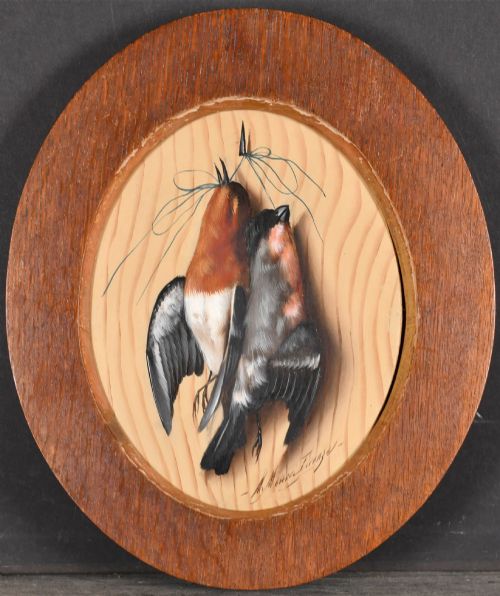
Beyond standalone fine art, the category encompasses smaller miniature portraits and architectural elements where painting intersects with woodwork. Collectors value these items for their rich patination and the direct window they provide into historical periods.
Materials and construction
The primary support consists of quarter-sawn oak timber, chosen for its stability and straight grain, which minimised warping compared to softer woods. Artisans prepared these panels with layers of gesso or sizing to create a smooth, sealed surface before the artist applied oil paint.
Pigments bound in oil were layered carefully across the wooden ground, allowing for fine detail work in portraits and deep glazes in landscape scenes. The physical grain of the oak often interacts subtly with the paint surface, particularly where thin glazes have been utilised.
Several panels show traces of old workshop life, including idle pencil sketches scribbed by artists on the unpainted reverse sides.
Distinguishing quality
Quality in an oak panel painting rests on the finesse of the brushwork and the preservation of the original paint surface against historical retouching or wood shrinkage. Master works show confident handling of light and shadow, whereas lesser examples display stiff draughtsmanship or heavy overpainting.
The preparation of the timber itself dictates longevity; panels selected with an even, stable grain avoid the severe splits and warping that compromise lower grade supports. The prestige associated with identified period schools or documented hands elevates certain works above anonymous provincial output.
Michelangelo Meucci·Hieronymus Custodis·George Lambert·Joseph Murray Ince
The Oak Panel Painting Glossary
- Oak panel
- A flat piece of timber used as a rigid support for oil paintings, prevalent before canvas became standard.
- Oil paint
- A slow-drying medium composed of pigments suspended in a drying oil, typically linseed, used extensively on wood supports.
- Quarter-sawn
- A method of timber cutting where logs are quartered radially, producing boards with greater dimensional stability and distinct grain patterns.
- Gesso
- A paint mixture consisting of a neutral binder mixed with chalk, gypsum, or pigment, applied to seal the wooden panel before painting.
- Provenance
- The chronological history of the ownership of a work of art, helping to establish authenticity and historical context.
Oak Panel Painting: Frequently Asked Questions
Why did artists paint on wood instead of canvas?
Wood panels offered a completely rigid, smooth ground that allowed for exceptional precision in early portraiture and landscape work. Canvas only gained dominance later due to its lighter weight and lower transport costs.
Panels also absorbed less moisture when properly sealed, giving them remarkable longevity in domestic interiors.
How do I care for an antique panel painting?
Keep the piece away from direct heat sources and extreme fluctuations in humidity, which cause wood to expand and contract. Stable indoor conditions protect both the oak support and the fragile oil layers.
Avoid hanging works in direct sunlight to prevent fading of historical pigments.
How can I tell the age of the oak panel?
Examine the reverse side of the board for tool marks, adze marks, or historical cradling frames added to prevent warping. The grain pattern and colour of the aged timber also offer clues to its century of origin.
Nail holes, bevelled edges, and framing grooves often correlate with specific period workshop practices.
Are all panel paintings attributed to specific artists?
Many surviving historical works are catalogued under regional schools or as followers of master painters rather than carrying a signature. Anonymous works from the seventeenth and eighteenth centuries still command strong interest for their period atmosphere.
Attributions rely on stylistic comparison, technique, and subject matter matching known corpuses.