

Maritime Portrait Painting
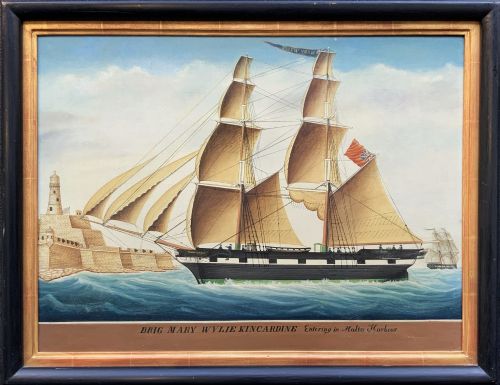
Maritime portrait painting captures the identity of specific vessels and their crews on the water, offering a direct link to maritime history.
Maritime Portrait Painting
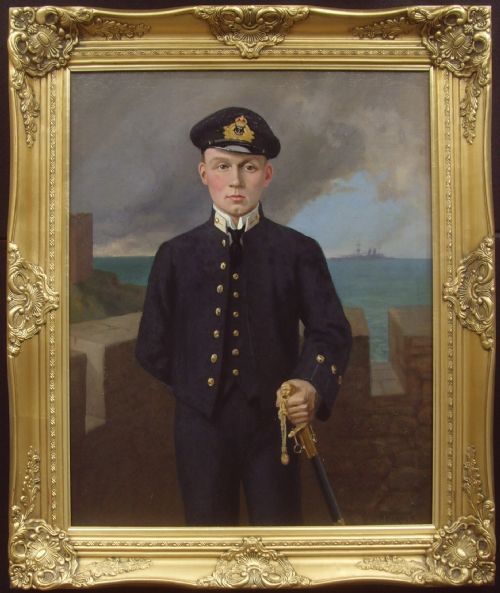
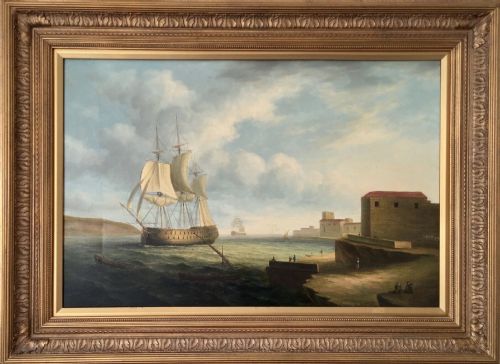
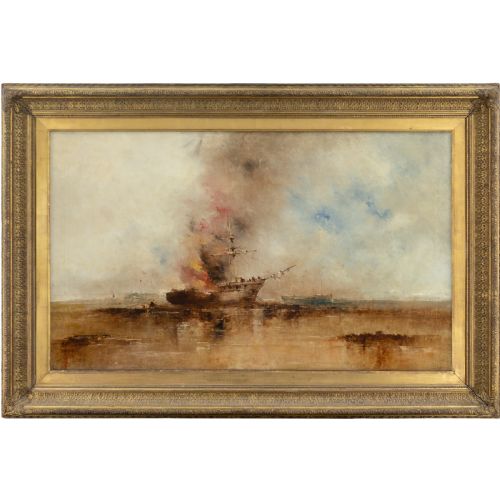
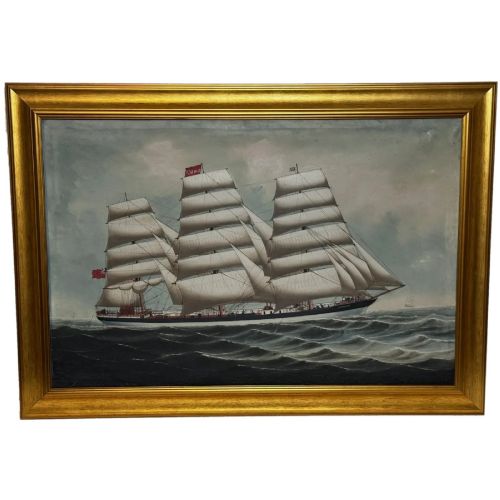
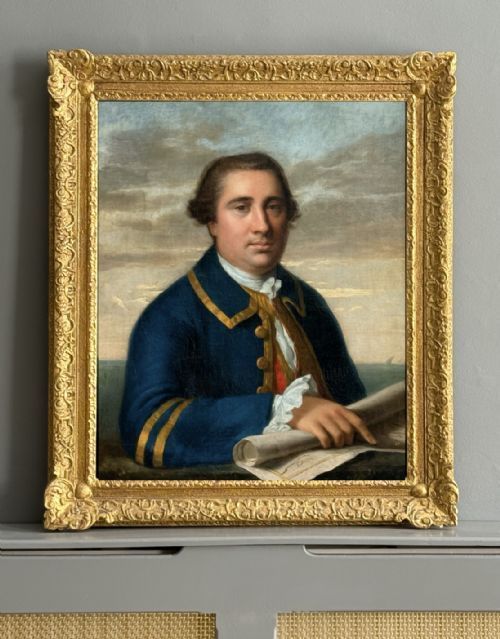
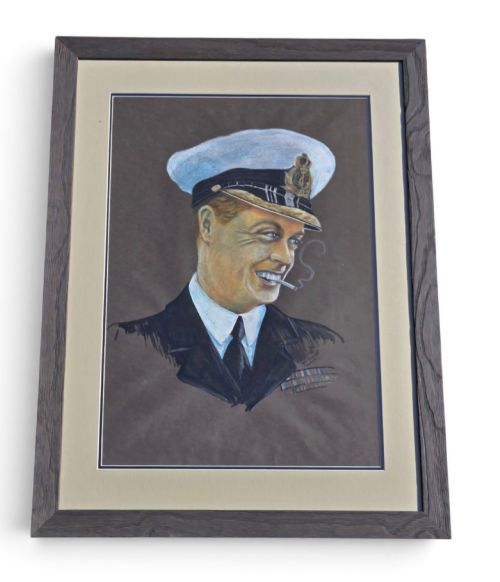
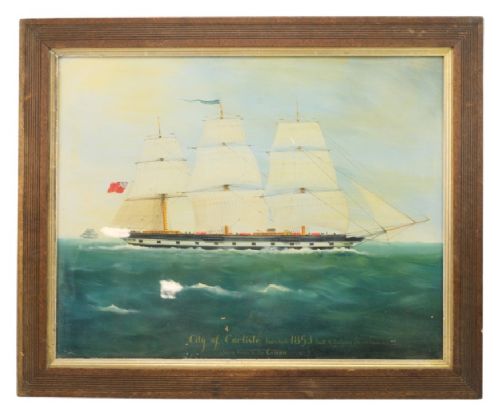
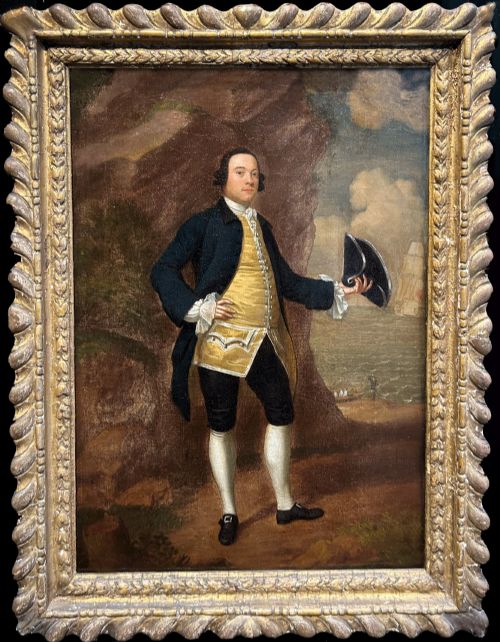
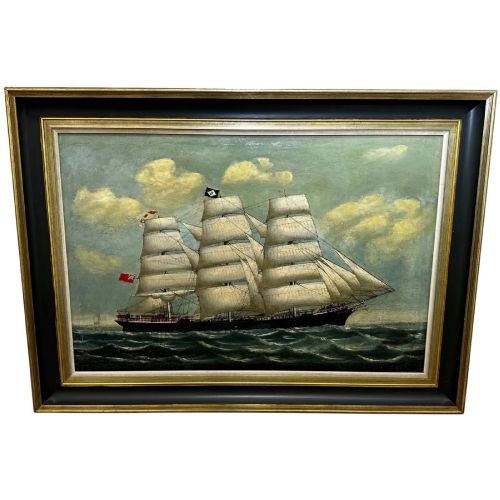
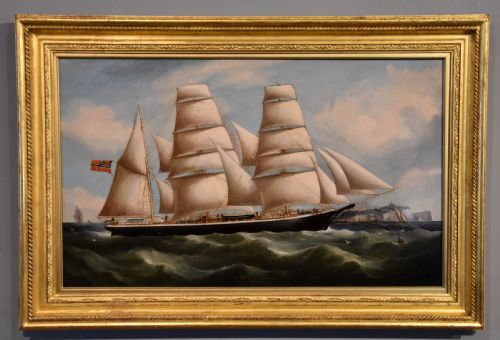
Maritime portrait painting centres on individual vessels, naval officers, merchant captains, and coastal figures rendered in periods spanning the eighteenth, nineteenth, and early twentieth centuries.
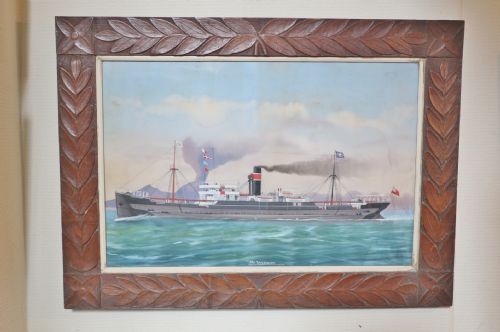
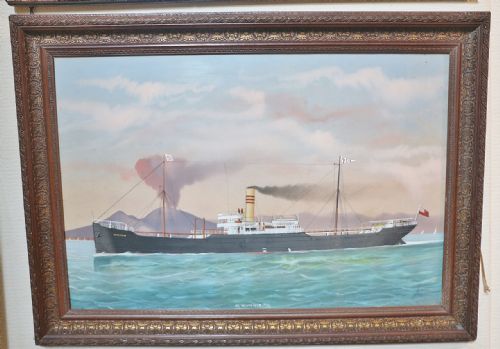
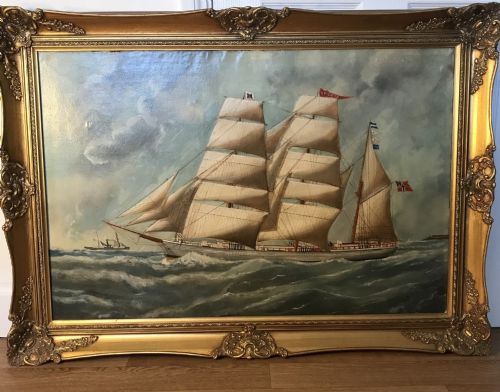
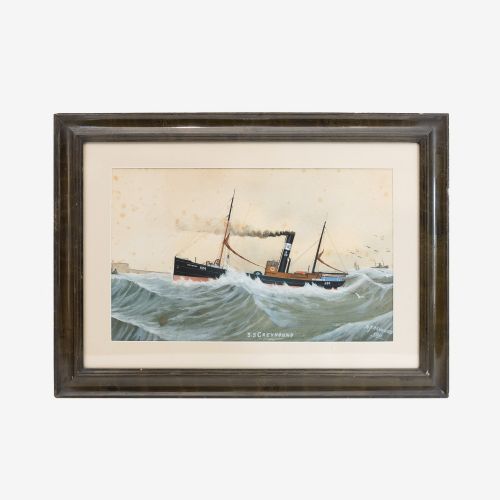
The selections available include detailed depictions of named barques, steamers, and warships alongside portraits of sailors and fishermen.
Originating from British, European, and colonial traditions, these works record specific ships like the Slieve Roe or the Thermopylae in oil, watercolour, and gouache.
How they were made
Artists applied oil paint to canvas, wood panels, or unframed canvas, building up maritime scenes with rich pigment layers.
Works on paper utilise watercolour, gouache, charcoal, and pastel to capture fine rigging, rough seas, and coastal light.
Many surviving examples retain period framing incorporating wood, giltwood, and gold leaf.
A sailor's sentimental tribute to his shipmates includes a French navy ironclad battleship rendered on paper.
What varies in quality
The distinction between tiers rests upon the accuracy of naval architecture and the artist's ability to render the atmosphere of open water.
Works attributed to documented maritime artists or produced with precise technical knowledge of rigging and hull construction command greater interest.
The condition of the canvas or paper surface, alongside the preservation of original pigments and framing, shapes the standing of each piece.
Lemuel Francis Abbott·Reginald Arthur Borstel·Francis Hayman·Alexander Harwood·Vincenzo D Esposito·Joseph Heard
The Maritime Portrait Painting Glossary
- Pierhead painting
- A genre of ship portraiture usually executed to commission for captains or shipowners, depicting a vessel arriving at or departing from a specific port.
- Barque
- A sailing vessel with three or more masts having the fore and mainmasts square-rigged and the mizzenmast fore-and-aft rigged.
- Gouache
- An opaque watercolour medium composed of ground pigments and a binding agent, frequently utilised for crisp detail in maritime works on paper.
- Giltwood
- Wood carved and treated with a thin layer of gold leaf, commonly found on period frames enclosing nineteenth-century canvases.
Maritime Portrait Painting: Frequently Asked Questions
What is a maritime portrait?
A maritime portrait is a visual record focusing primarily on a named vessel, captain, or crew member, rather than a generalised seascape.
These works were frequently commissioned to document specific ships, naval engagements, or commercial voyages.
How do I identify the ship?
Many works include lettering on the hull, signal flags, or contemporary inscriptions on the reverse identifying the vessel and date.
Background landmarks such as specific lighthouses or harbours also help pinpoint the exact location depicted.
Are these paintings contemporary to the ships?
The listings span the eighteenth through to the early twentieth centuries, meaning many works are contemporary records of the steamships and sailing vessels they portray.
Later Victorian and Edwardian interpretations often document earlier historical vessels from archival records or eyewitness accounts.
How should I display them?
Maritime art suits spaces with traditional decor, particularly studies, libraries, or hallways where the detail of the rigging can be appreciated up close.
Keep them away from direct sunlight to protect organic pigments utilised in watercolours and nineteenth-century oils.