


Realist Oil Portrait
A realist oil portrait captures human character with direct honesty, offering a striking window into past lives.
Realist Oil Portrait
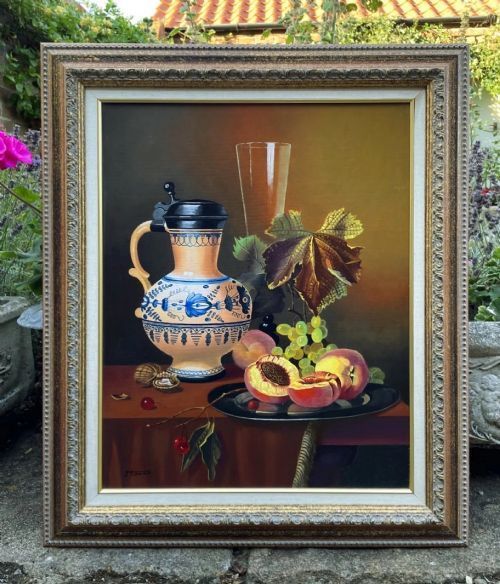
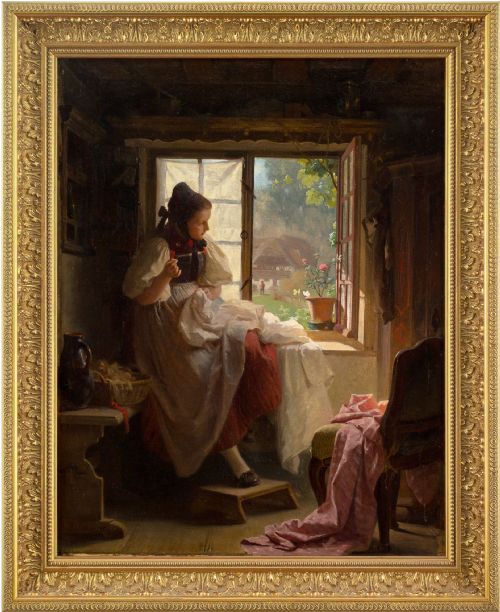
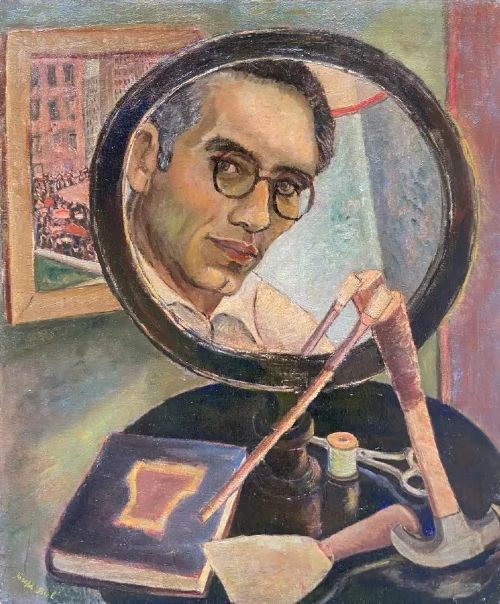
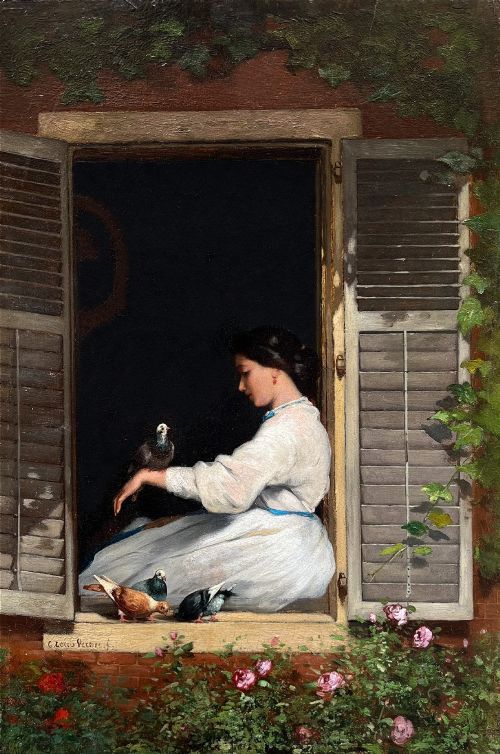
A realist oil portrait is a fine art painting depicting people with lifelike accuracy, spanning periods from the mid-nineteenth century through the mid-twentieth century. Buyers encounter domestic scenes, workers, children, and formal studies originating from Britain, France, Italy, Belgium, and Sweden.
The works take several forms, including framed canvases, panel paintings, and unframed boards. Domestic subjects and studies of working people appear alongside academic and salon-exhibiting pieces from various European schools.
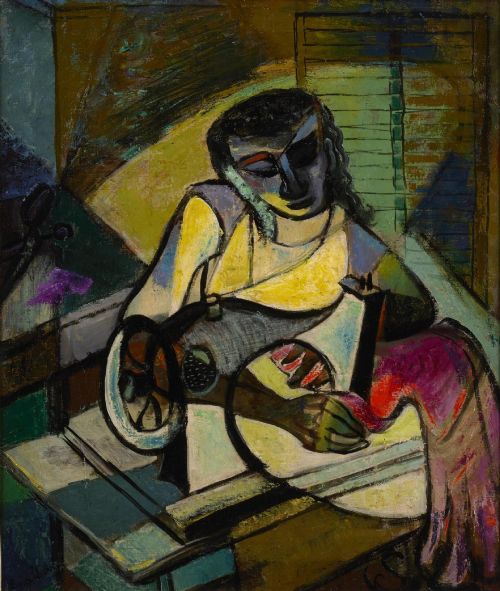
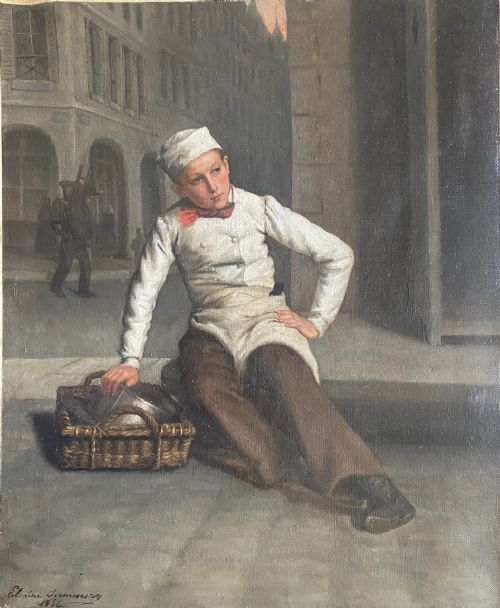
Nineteenth-century examples frequently present children, fish girls, and artisans with traditional detailing. Later twentieth-century items shift toward post-war studio interiors and modernist treatments while maintaining figurative grounding.
Distinctions in Quality
Quality rests upon the artist's command of anatomy, light, and psychological depth. Superior works render hands, facial expressions, and clothing with convincing volume and subtle tonal transitions, whereas lesser examples rely on flat application and stiff posture.
The handling of the surrounding environment also separates standard decorative pieces from exceptional works. Masterful paintings integrate the subject naturally into a studio, domestic, or landscape setting through nuanced shadow and accurate perspective.
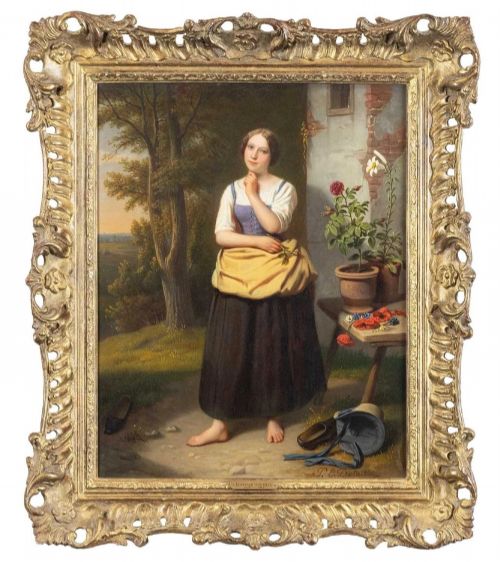
The listings span from 1850 to 1960, utilising oil paint on canvas and wood panels within giltwood frames.
Max Kaltenmoser·Joseph Biel·Louis Charles Verwee·Lena Gurr·Federico Andreotti·Ralph Hedley·Maurice Wagermans·Robert Gemmell Hutchison·Lucien Coutaud
The Realist Oil Portrait Glossary
- Realism
- An artistic movement focused on the truthful, unidealised depiction of everyday subjects and contemporary life. Practitioners strove to record the world without theatrical embellishment.
- Giltwood
- Wood that has been coated with a thin layer of gold leaf or gilt powder. This material defined the ornate framing popular for nineteenth-century fine art.
- Academic Realism
- A style governed by the strict rules and high standards of official European art academies. Such works display rigorous draftsmanship and polished finish.
- Canvas
- A heavy woven fabric stretched across a wooden frame to serve as a sturdy support for oil painting. It remains the most common substrate for fine art from these periods.
Realist Oil Portrait: Frequently Asked Questions
How do I date a realist oil portrait?
Dating relies on costume details, framing styles, and the written documentation accompanying the piece. Nineteenth-century works often show heavy Victorian attire, whereas mid-century examples reflect simplified garments and modern framing.
The specific painting support also offers clues, as wooden panels and stretched canvases changed in preparation over the decades. Signatures and exhibition labels on the reverse provide definitive chronological markers.
Are these portraits always painted on canvas?
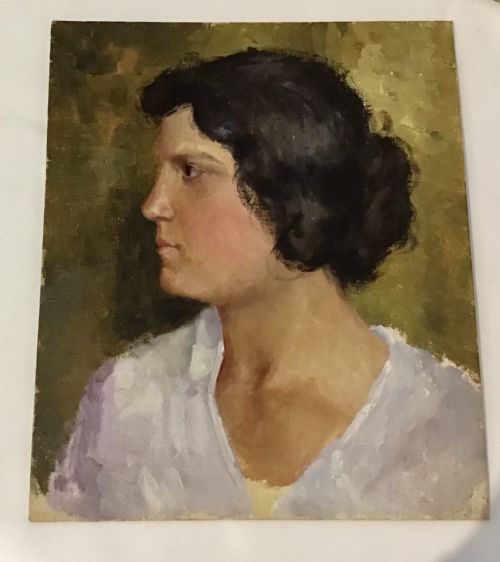
Not all works utilise canvas as a support, as artists frequently painted directly onto wooden boards or panels. Board supports appear across various European schools during the nineteenth and twentieth centuries.
Panel paintings often possess a rigid stability that prevented the sagging associated with improperly tensioned canvas. Both mediums required careful priming to accept the oil pigments.
How should I display an oil portrait at home?
Display requires avoiding direct sunlight and excessive humidity to protect both the oil pigments and the wooden support. Hang the painting securely on an interior wall using appropriate hardware rated for the weight of the frame.
Proper lighting enhances the subtle tonal gradations of the subject without generating damaging heat near the surface. Period gilt frames benefit from gentle dusting with a dry, soft cloth.
What distinguishes academic realism from other styles?
Academic realism follows rigorous standards taught by official European art academies, prioritising anatomical precision and smooth brushwork. Artists working in this manner trained extensively to master light, shadow, and human proportion.
This disciplined approach differs from impressionist or post-war modernist works which employ visible brushstrokes and simplified forms. Both styles capture realistic subjects but through distinctly different technical execution.