
Antique Drinks Sideboard
An antique drinks sideboard brings together fitted storage and a surface for hosting, combining period craft with practical hosting.
Antique Drinks Sideboard
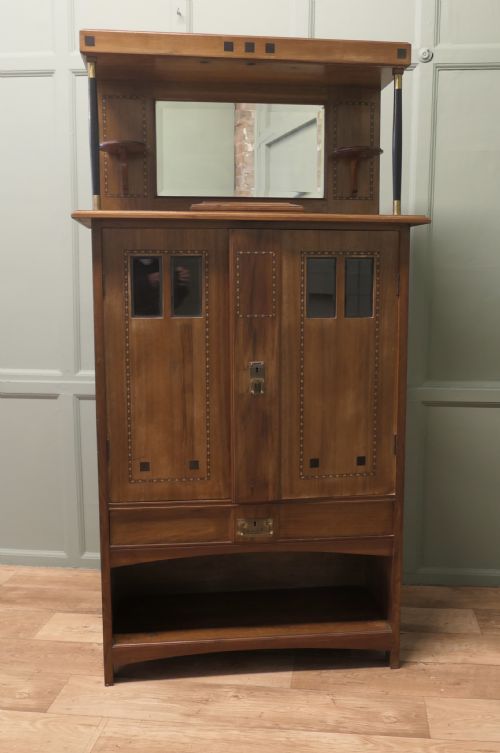
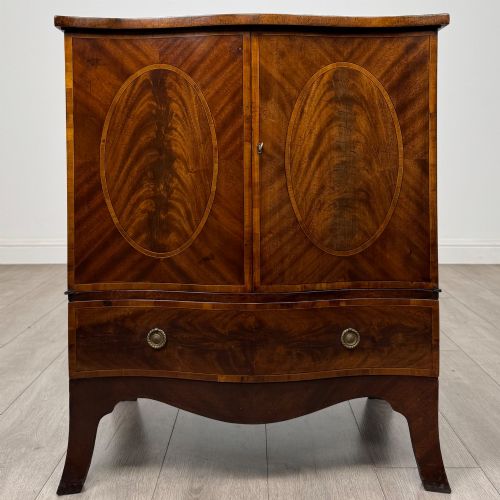
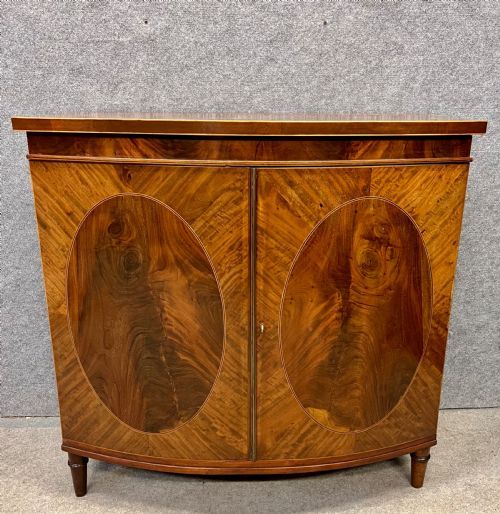
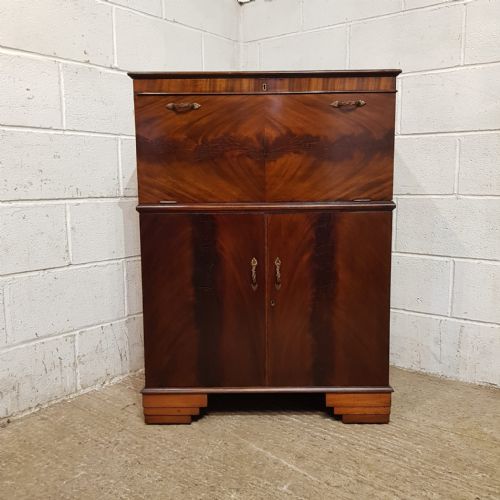
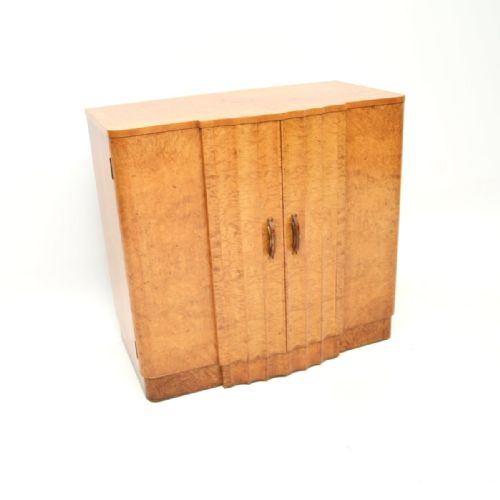
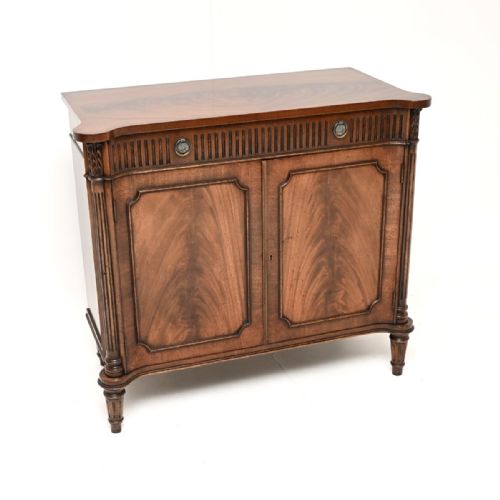
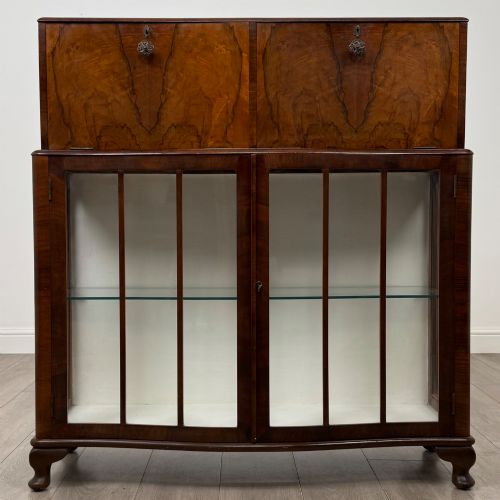
When you search for an antique drinks sideboard, you find pieces designed to hold bottles, glassware, and serving equipment, spanning periods from the eighteenth century through to the Art Deco era.
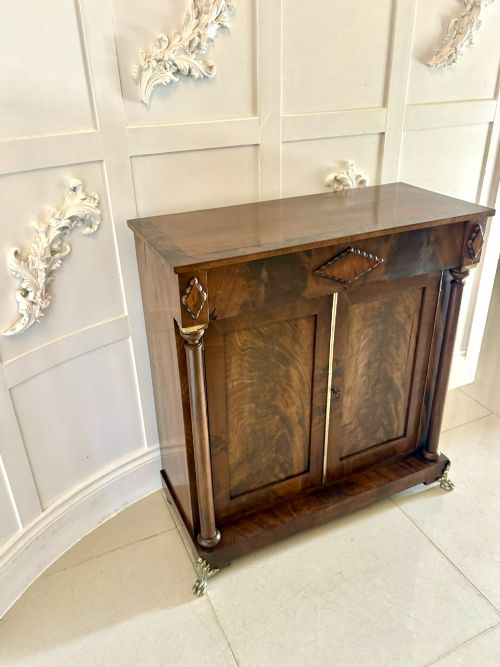
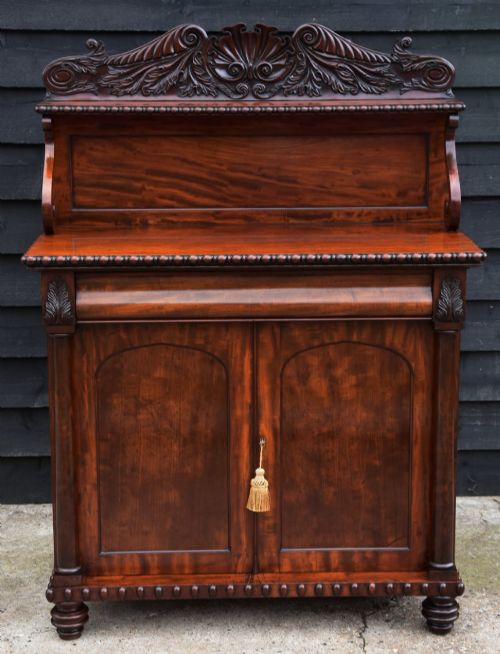
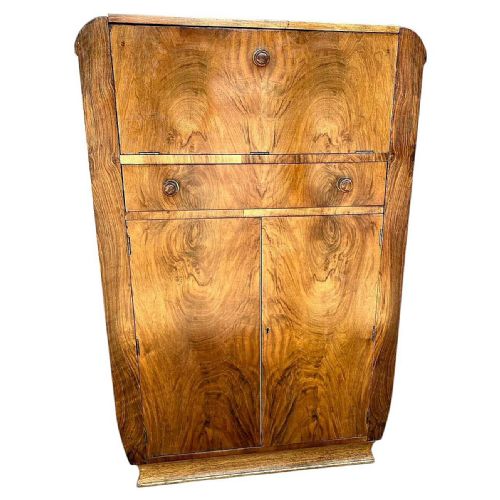
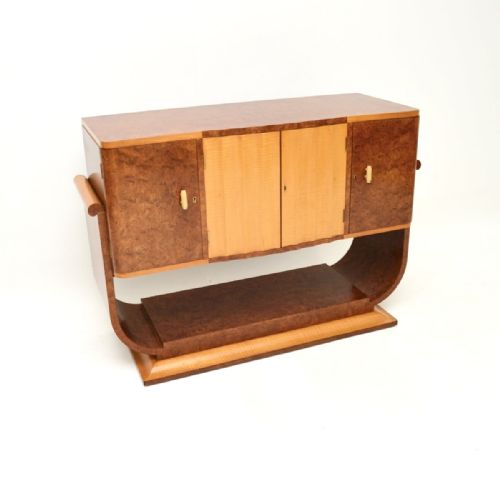
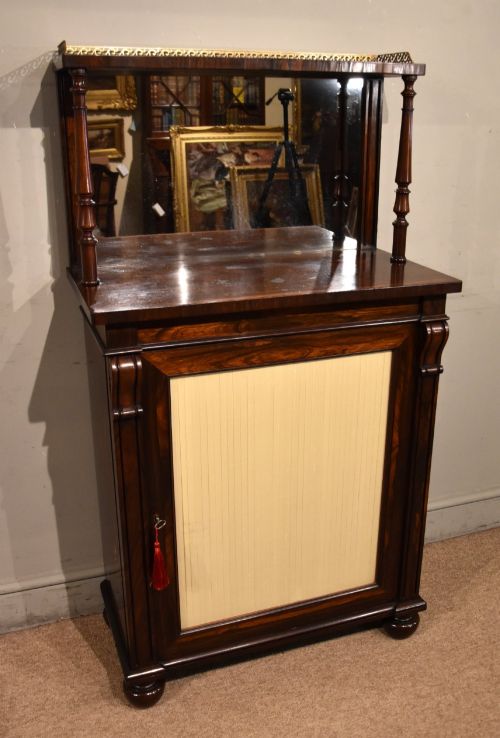
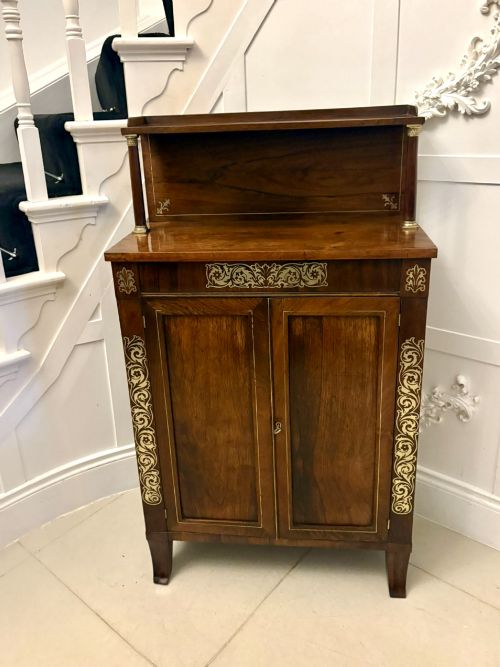
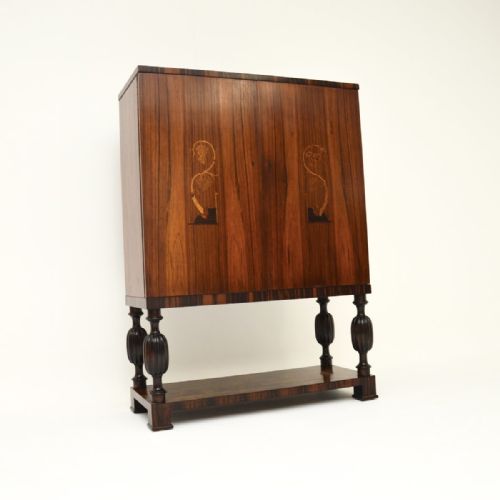
The most common formats on this page include cocktail cabinets, side cabinets, chiffoniers, and sideboards made from woods like mahogany, walnut, and burr walnut.
These items originate from various design movements, notably Regency, Edwardian, and Art Deco, reflecting shifts in dining and entertaining habits over two centuries.
How they were made
Cabinet makers utilised dense hardwoods such as mahogany and rosewood, alongside decorative veneers like burr walnut and sycamore to create striking grain patterns.
Metal elements including brass mounts, silver plated galleries, and cast-iron legs provide structural support and functional detail.
Joinery methods range from traditional hand-cut framing on earlier Georgian pieces to geometric veneering techniques seen on later twentieth-century designs.
Materials recorded across the current inventory include solid oak, rosewood, mahogany, burr walnut, glass, fabric, and brass.
What varies in quality
The selection of timber veneers and the precision of their matching define the visual merit of these cabinets, particularly on Art Deco walnut surfaces.
Internal fittings, such as specialised glass shelving, pull-out trays, and integrated lighting, separate standard storage cupboards from purpose-built cocktail cabinets.
The integration of structural elements, from brass galleries to carved details, shows the level of care taken by the original maker.
James Deakin·Holland and Sons·Harry and Lou Epstein·S Hille Co
The Antique Drinks Sideboard Glossary
- Chiffonier
- A low sideboard or cabinet featuring a combination of shelving and enclosed storage, popular during the nineteenth century. These pieces often include a raised back tier.
- Burr walnut
- A wood harvested from the wart-like growth on a walnut tree, yielding complex, swirling grain patterns. Cabinet makers prized this material for high-end decorative surfaces.
- Demi-lune
- A half-moon shape used for tables and cabinet fronts, allowing furniture to sit flush against a wall while saving floor space.
- Gallery
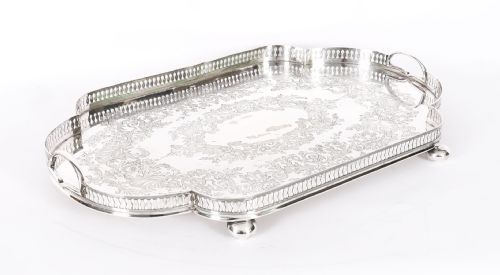
- A raised raised rim or rail surrounding the edge of a tray or the top surface of a cabinet. This feature prevents glassware from sliding off during service.
- Serpentine
- A furniture front characterised by a wavy line, curving outward in the centre and inward at the sides. This shape requires advanced woodworking skill to execute.
Antique Drinks Sideboard: Frequently Asked Questions
What is an antique drinks sideboard?
An antique drinks sideboard is a piece of furniture designed to store and serve beverages, drawing from periods like the Regency, Victorian, and Art Deco eras. They combine enclosed cupboards with display spaces or serving surfaces.
These items range from Georgian mahogany chiffoniers to fitted walnut cocktail cabinets from the nineteen-thirties. Each reflects the hosting styles of its respective decade.
How do I date a drinks cabinet?
Dating relies on observing the primary wood materials, hardware, and stylistic traits present in the construction. Regency pieces favour figured mahogany, while nineteen-thirties examples frequently showcase burr walnut and geometric veneers.
Secondary details such as brass handles, silver-plated galleries, and internal shelving layouts also help narrow down the manufacturing period.
Where were these sideboards used?
These cabinets served primarily in dining rooms, drawing rooms, and entertaining spaces to house wine, spirits, and glassware. Lower chiffoniers provided surface space for serving dishes alongside bottle storage.
Later twentieth-century iterations were specifically engineered as cocktail cabinets, incorporating mirrored interiors and specialised pull-out preparation trays for mixing drinks.
How do I care for wood surfaces?
Maintaining antique wood involves keeping pieces away from direct heat sources and sudden humidity changes to protect delicate veneers like burr walnut and mahogany. Regular dusting with a soft, dry cloth preserves the finish.
Applying appropriate wax polishes occasionally helps nourish the timber without building up heavy residue on older polished surfaces.