


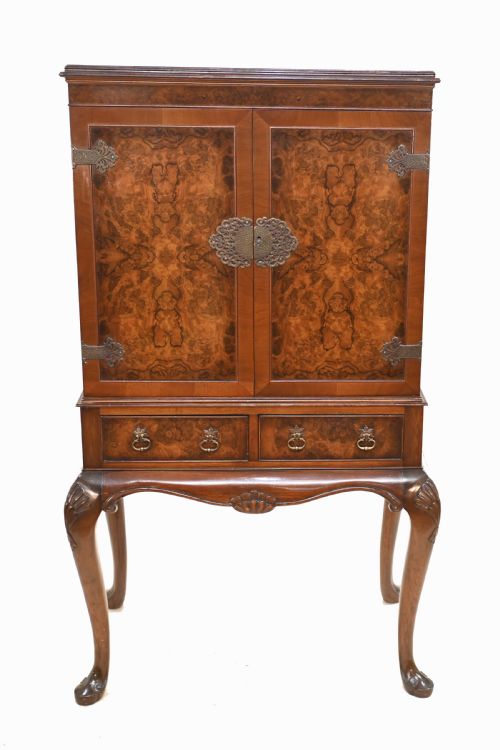
Epstein Drinks Cabinet
An epstein drinks cabinet brings striking Art Deco style and peerless craftsmanship into a room.
Epstein Drinks Cabinet
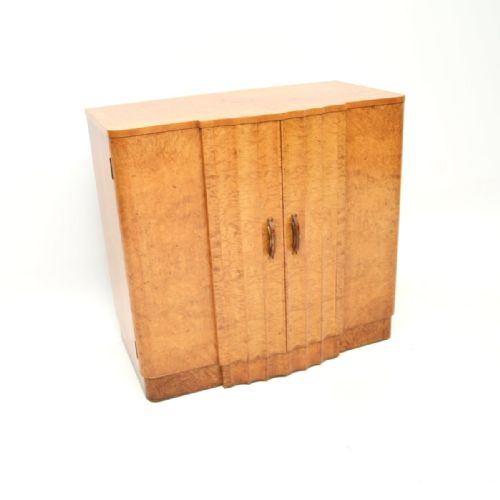
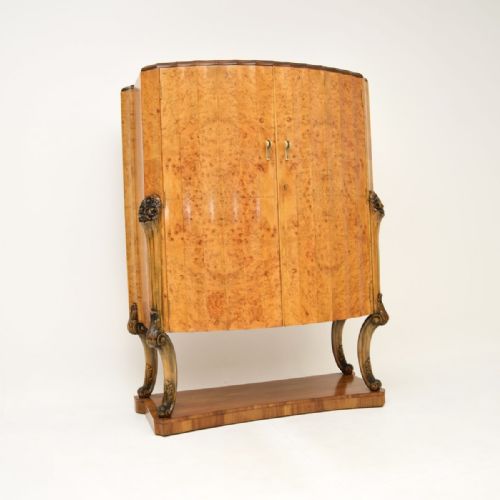
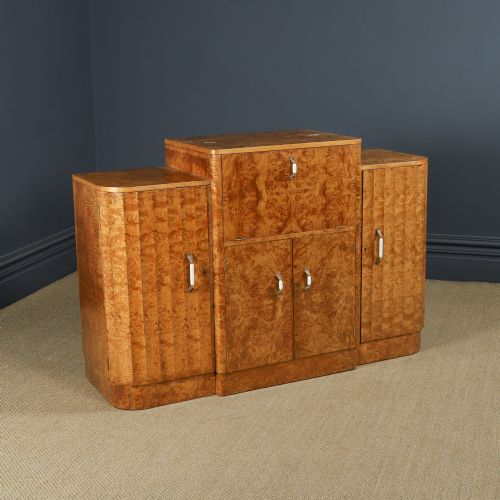
An epstein drinks cabinet is a sophisticated piece of furniture designed for entertaining, taking the form of cocktail cabinets, dry bars, and larger cocktail bars. These pieces emerge primarily from the 1920 and 1930 periods, capturing the architectural glamour of the Art Deco era.
Buyers browsing these listings will most frequently encounter cocktail cabinets and drinks cabinets configured as chests, sideboards, or freestanding statement furniture. The forms combine storage for glassware and bottles with dedicated serving surfaces, often incorporating clever internal lighting or mirrors.
Originating from English workshops, these items reflect the distinct aesthetic driven by the Epstein name during the interwar years. Every surviving example balances utilitarian storage with dramatic visual presence, making them focal points in contemporary and traditional interiors alike.
How they were made
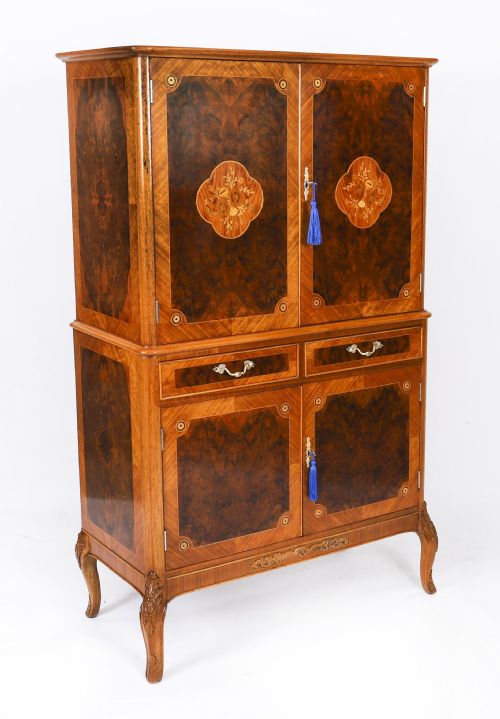
Makers constructed these cabinets using sturdy wood cores finished with decorative veneers like burr walnut, walnut, satinwood, and blonde maple. Artisans applied these veneers to create symmetrical grain patterns that define the exterior surfaces.
Interiors frequently integrate glass shelving, mirrored backs, and metal or brass hardware to enhance the display of bottles and stemware. Select models also incorporate early electrical components to illuminate the interior compartments upon opening.
Some cabinets hide electric lights inside that switch on the moment you open the doors to pour a martini.
What varies in quality
The choice and execution of veneer work separate standard examples from finer ones, particularly where burr walnut or marquetry details align seamlessly across doors and drawers. Superior pieces display thoughtful grain matching that accentuates the natural movement of the wood.
Hardware integrity and the preservation of original internal fittings, such as specialised glass and functioning electrical elements, influence the standing of an individual cabinet. The precision of the joinery and the retention of maker attributes further distinguish the grade of each piece.
Harry and Lou Epstein·Epstein and Co Furniture·H and L Epstein
The Epstein Drinks Cabinet Glossary
- Burr walnut
- A highly figured wood veneer taken from the burl growth of a walnut tree, prized for its swirling, organic patterns. It forms the primary decorative surface on many interwar cabinet designs.
- Marquetry
- The art of applying pieces of veneer to a structure to form decorative patterns and pictures. Craftsmen used this technique to add geometric and floral motifs to cabinet doors.
- Satinwood
- A durable, lustrous wood with a yellowish sheen used for contrasting details and primary surfaces in select cabinets. It provides a bright alternative to darker walnut finishes.
- Cocktail cabinet
- A specialised piece of furniture engineered for storing spirits, mixers, and glassware. These units typically feature drop-down serving flaps and mirrored interior preparation areas.
Epstein Drinks Cabinet: Frequently Asked Questions
How do I use an epstein drinks cabinet today?
These cabinets function ideally as home bars, providing dedicated storage for bottles, glassware, and bar accessories while serving as a prominent living room focal point.
The drop-down flaps and internal surfaces offer convenient preparation space when entertaining guests.
What materials are typical for an epstein drinks cabinet?
Construction relies heavily on wood veneers like burr walnut, standard walnut, satinwood, and blonde maple applied over solid timber frames.
Interiors routinely incorporate glass shelves, mirrors, metal hardware, and occasionally electric fittings.
How do I date an epstein drinks cabinet?
Most examples originate from the 1920 and 1930 periods, reflecting the height of the Art Deco design movement.
Stylistic cues, construction methods, and maker signatures help narrow down the production decade.
Are these cabinets electrified?
Certain models feature original electric wiring designed to illuminate the interior compartments automatically when the cabinet doors open.
Buyers should have vintage electrical components inspected by a qualified professional before plugging them in.