




Burr Wood Drinks Cabinet
A burr wood drinks cabinet offers striking figured timber and clever internal storage, bringing mid-twentieth-century glamour straight to the modern sitting room.
Burr Wood Drinks Cabinet
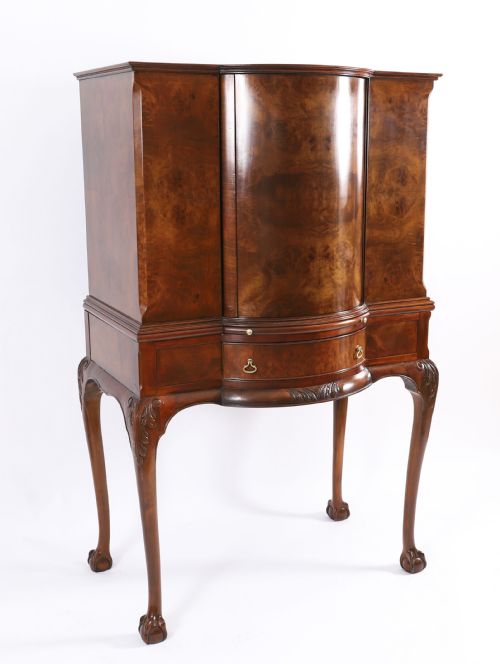
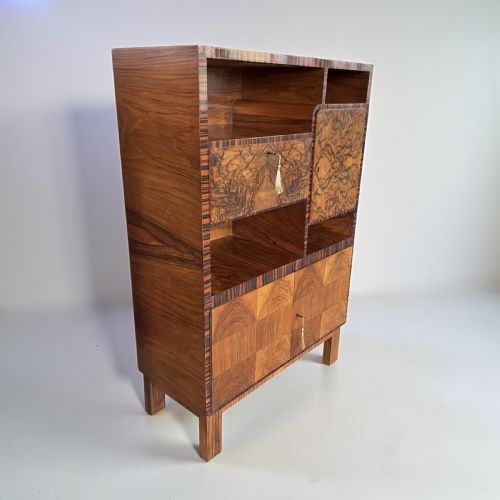
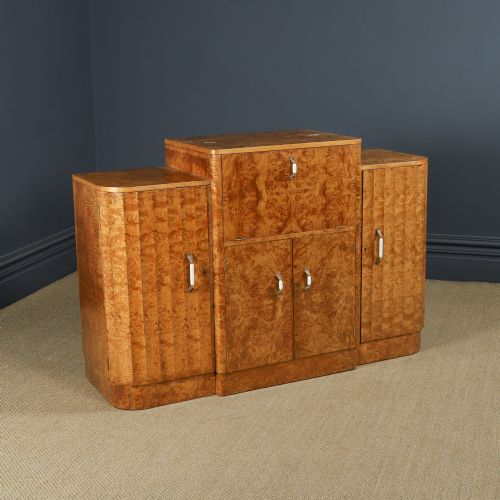
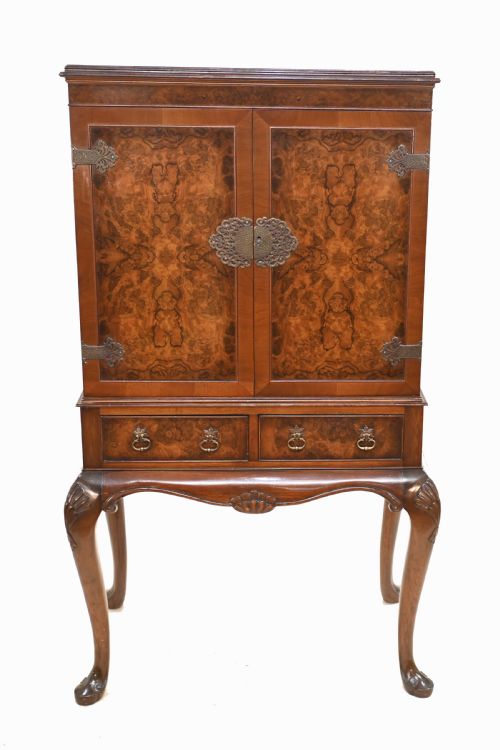
A burr wood drinks cabinet brings together distinctive figured grain and dedicated hospitality storage, appearing most frequently on this page in forms dating from the nineteen-twenties and nineteen-thirties. These pieces emerge in styles ranging from striking Art Deco designs to Queen Anne Revival and George II interpretations.
Most examples function as cocktail cabinets, dry bar cabinets, or specialised chests, often incorporating glass, mirror, and metal fittings alongside the rich timber framework. While the majority hail from the twentieth century, occasional Georgian pieces in mulberry wood demonstrate a much earlier lineage for luxurious drink storage.
How they were made
Cabinetmakers utilised highly figured timbers such as burr walnut, burr amboyna, and mulberry wood for the outer surfaces, applying them in decorative veneers to showcase intricate natural grain patterns. Solid woods like oak and satinwood provided a sturdy structural carcass behind these decorative exterior skins.
Makers integrated functional hardware including brass handles, glass shelving, mirrored backs, and occasionally bakelite details to create practical interiors for serving drinks. French and English workshops executed these designs with specialist veneering techniques, ensuring the swirling grain patterns matched symmetrically across doors and drawers.
Some nineteen-thirties cabinets secretly wired themselves for electricity, turning your cocktail hour into a glowing, electrified spectacle.
What varies in quality
The visual impact of a burr wood drinks cabinet depends primarily on the selection and matching of the burr veneer across the primary surfaces. Superior examples display bold, symmetrical grain patterns that wrap harmoniously around the doors and body.
Internal sophistication also dictates the grade of a piece, separating standard storage from exceptional designs with fitted lighting, mirrored serving slides, and specialised glass racks. The integration of quality secondary timbers such as oak, alongside well-cast brass hardware, marks out the superior workshops.
Harry & Lou Epstein·Epstein and Co Furniture
The Burr Wood Drinks Cabinet Glossary
- Burr wood
- Timber taken from a tree growth where the grain has grown in a deformed, swirling manner, producing highly decorative patterns when sliced into veneer. This material forms the primary visual draw for cocktail and drinks cabinets.
- Art Deco
- A design style emerging around nineteen-thirty characterised by sleek geometric lines, smooth surfaces, and modern industrial materials. Many drinks cabinets on this page adopt this aesthetic.
- Veneer
- A thin layer of choice timber applied over a base of cheaper secondary wood to provide a decorative exterior surface. Skilled makers match these sheets symmetrically to create striking visual patterns.
- Bakelite
- An early synthetic plastic utilised for handles, fittings, and decorative details on twentieth-century furniture. It appears frequently on pieces from the nineteen-thirties.
- George II
- A British architectural and furniture style spanning the eighteenth century, known for rich carved detail and formal classical proportions. Pieces from this era represent the earliest origins seen here.
Burr Wood Drinks Cabinet: Frequently Asked Questions
What is a burr wood drinks cabinet?
A burr wood drinks cabinet is a specialised piece of furniture designed to store and serve alcoholic beverages, featuring highly decorative swirling wood grain veneers. They range from tall cocktail cabinets with fitted interior shelving to low bar carts and sideboards.
Most examples found here date from the nineteen-twenties and nineteen-thirties, reflecting the peak of home cocktail culture during the Art Deco era. They combine impressive exterior aesthetics with functional internal mirrors, glass, and storage for glassware and bottles.
How were they used historically?
These cabinets served as the social hub for entertaining guests at home, particularly during the interwar period when cocktail parties gained immense popularity. Hosts utilised the drop-down flaps or internal compartments to mix and pour drinks directly for visitors.
The inclusion of mirrored backs, glass surfaces, and dedicated bottle storage allowed owners to display their hospitality equipment with theatrical flair. Today, they continue to function as stylish home bars or statement storage pieces.
How do I identify Art Deco examples?
Art Deco drinks cabinets typically feature clean geometric shapes, symmetrical burr walnut or amboyna veneers, and minimal fussy ornamentation. They often incorporate modern materials such as glass, mirror, brass, and bakelite fittings.
Pieces from this movement, frequently associated with makers like Epstein, date strictly around nineteen-thirty and emphasise streamlined luxury. Their architectural silhouettes contrast sharply with earlier revival styles seen on this page.
Can I fit modern bottles inside?
Most standard drinks cabinets from the nineteen-twenties and thirties accommodate modern wine and spirit bottles within their main compartments or door racks. However, taller contemporary champagne bottles may require horizontal storage on the shelves.
Interior layouts vary significantly between pieces, with some offering pull-out serving slides and specialised glass holders rather than deep vertical clearance. Checking the internal configuration helps ensure the cabinet suits your specific collection of glassware and bottles.