




Antique Decorative Wall Dish
These antique decorative wall dish selections bring centuries of painted porcelain, cloisonné enamel, and tin-glazed earthenware straight into modern interiors.
Antique Decorative Wall Dish
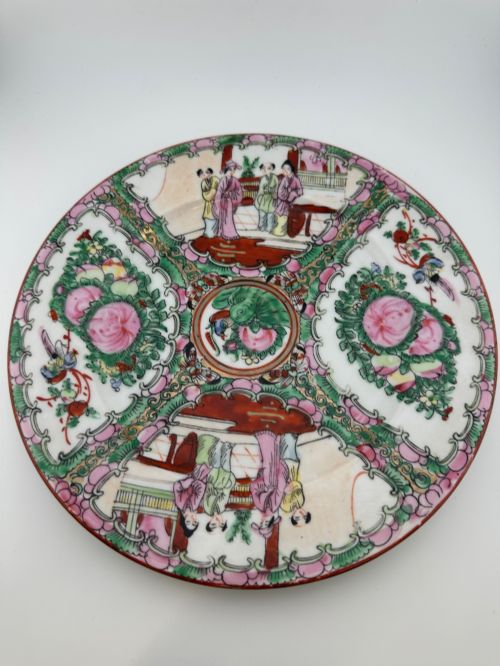
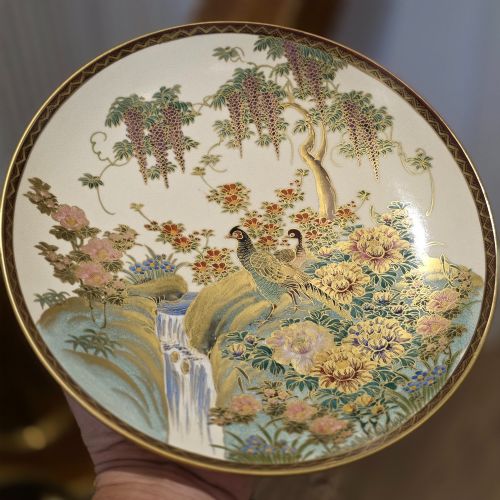
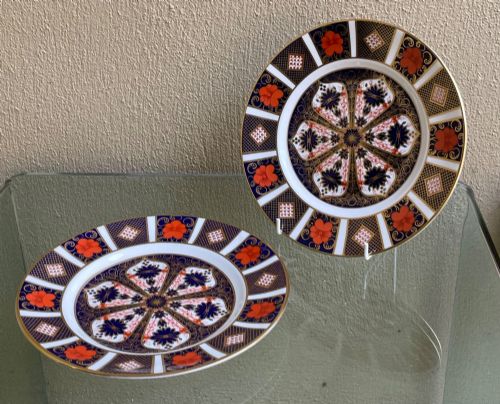
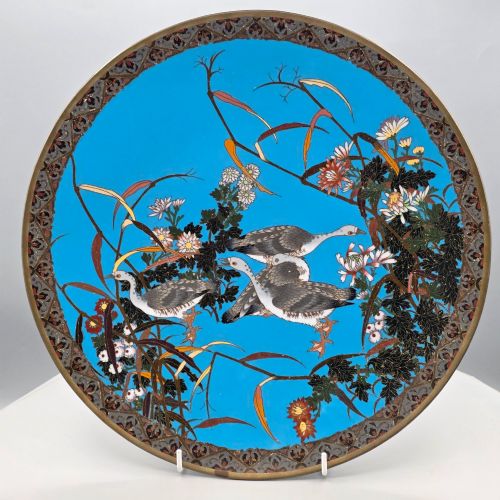
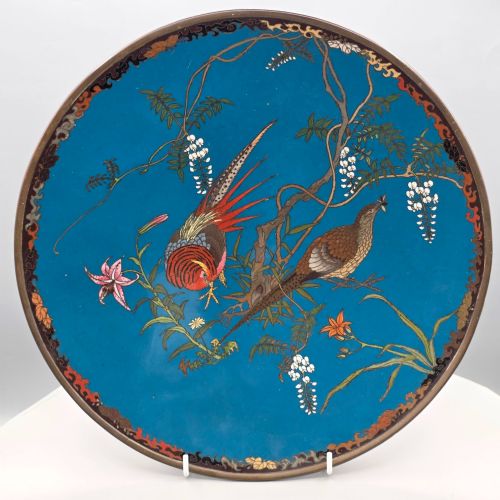
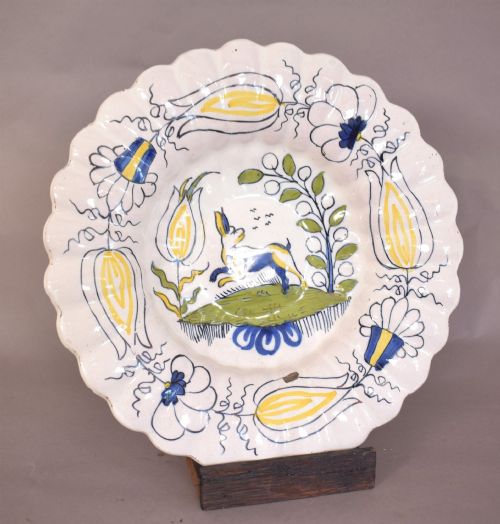
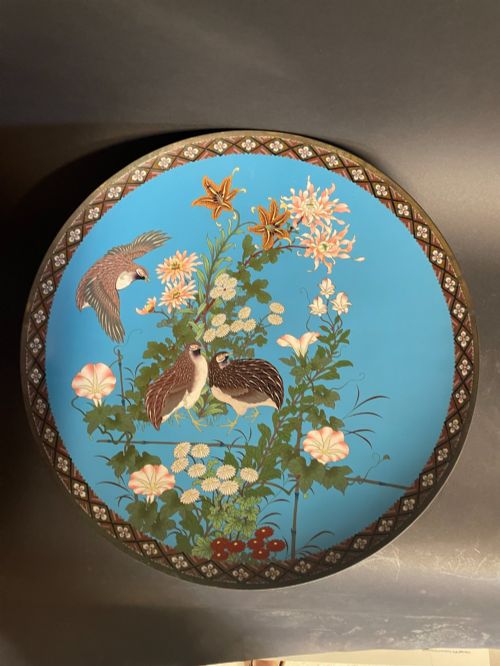
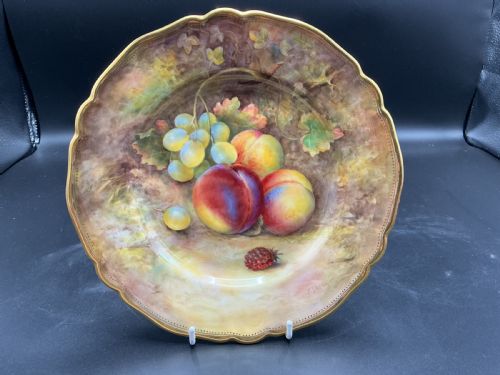
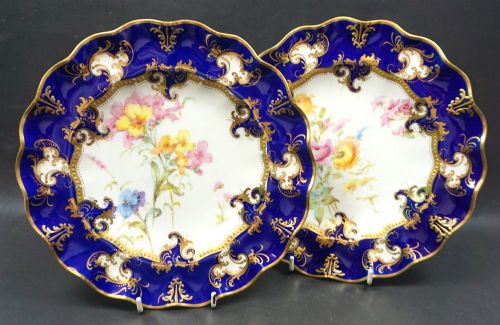
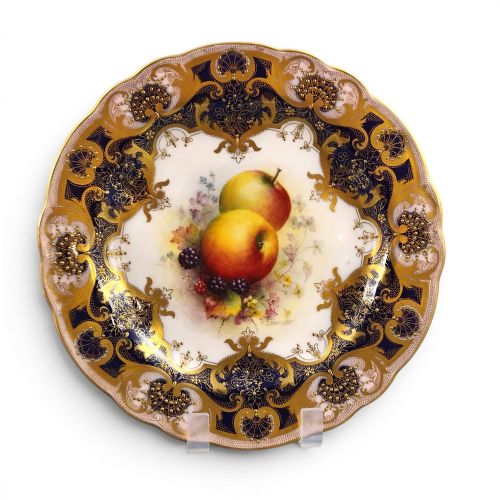
An antique decorative wall dish is a piece designed primarily for display rather than dining, encompassing chargers, cabinet plates, and plaques. When searching this phrase, buyers encounter large Imari porcelain chargers from the Meiji period, hand-painted fruit cabinet plates, and tin-glazed earthenware delftware.
The selection ranges from eighteenth-century Spanish and French faience to late nineteenth-century Japanese cloisonné and English ironstone. These pieces span centuries of domestic display, featuring pierced rims or mounted wires for hanging on walls.
How they were made
Makers utilised porcelain, bone china, earthenware, and copper bases, applying glazes, gold leaf, and enamel work to the surfaces. Japanese cloisonné chargers required fine wire soldered to metal bodies to partition the coloured enamel pastes before firing.
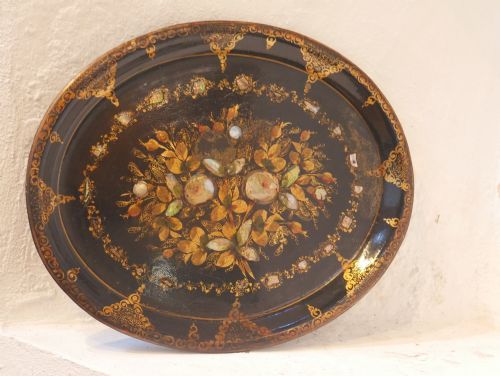
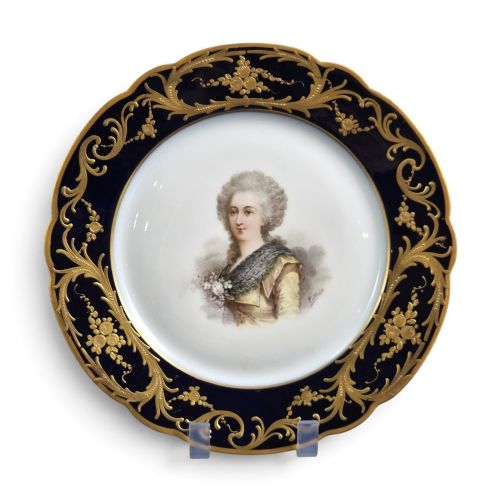
English and European cabinet plates relied on hand-painted overglaze pigments on porcelain, whilst delftware and faience pieces employed tin-glazes painted with metallic oxides. Ironstone and papier-mâché provided alternative durable grounds for transfer-printed or hand-finished decoration.
The listings span multiple centuries of production, incorporating earthenware, porcelain, copper, and enamel materials across diverse global traditions.
What varies in quality
The standard of painting determines the tier of the piece, separating factory-standard output from individual hand-painted works by named artists. Precision in cloisonné wirework and the depth of glaze colours distinguish finer Japanese and European pieces.
The clarity of transfer printing and the crispness of moulded edges mark the difference in ironstone and earthenware. Preservation of original gilding and enamel pigments without excessive rubbing elevates the standing of an antique dish.
Koshida·Royal Crown Derby·Royal Worcester·John Davenport of Longport·Copeland Pottery
The Antique Decorative Wall Dish Glossary
- Charger
- A large ornamental plate, typically exceeding thirty centimetres in diameter, intended for display on a sideboard or wall rather than for table service.
- Cloisonné
- An enamel technique where thin metal wires form raised cells on a copper or brass base to hold coloured pastes before kiln firing.
- Imari
- A style of Japanese porcelain featuring deep underglaze blue and iron red, often augmented with gilt highlights and complex floral motifs.
- Faience
- European tin-glazed earthenware, notably produced in France, Spain, and the Netherlands, decorated with opaque coloured glazes.
- Cabinet Plate
- A high-quality decorative ceramic plate produced by factories such as Royal Worcester or Sèvres for indoor display behind glass or on walls.
Antique Decorative Wall Dish: Frequently Asked Questions
How do I hang an antique wall dish safely?
Most antique decorative wall dishes require a coated spring-clip hanger that grips the rim without applying excessive pressure to the ceramic body. Ensure the wall fixing is anchored securely into a stud or uses a proper wall plug.
Avoid adhesive discs attached directly to the base of older earthenware or porcelain, as the weight can cause the glaze or body to fail over time.
Can these plates be used for serving food?
Antique decorative pieces are generally unsuited for modern culinary use due to the fragility of their glazes and potential lead content in older enamels. Many cabinet plates and chargers also feature painted details or gilt work that will wear away with washing.
Enjoy them strictly as wall art or display cabinet centerpieces to preserve their historical surfaces.
How do I tell Japanese Imari from European copies?
Japanese Imari porcelain typically exhibits a slightly gritty unglazed footrim, distinct spur marks from kiln supports, and a heavy, resonant body. European imitations often show smoother porcelain bodies with more uniform transfer-printed outlines beneath the hand-applied colours.
Examine the palette closely for the characteristic deep cobalt blue combined with iron red and sparing gold leaf typical of Meiji and Edo production.