
Gold Gilt Porcelain Plate
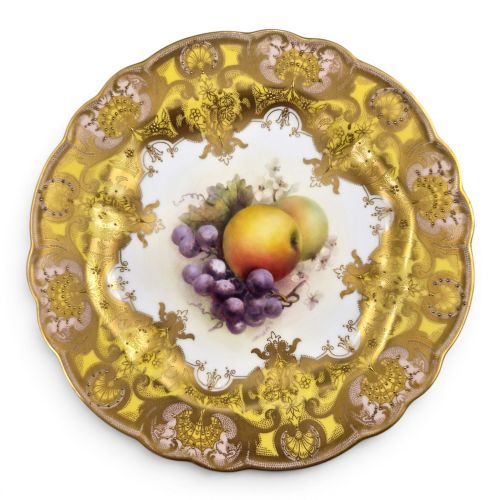
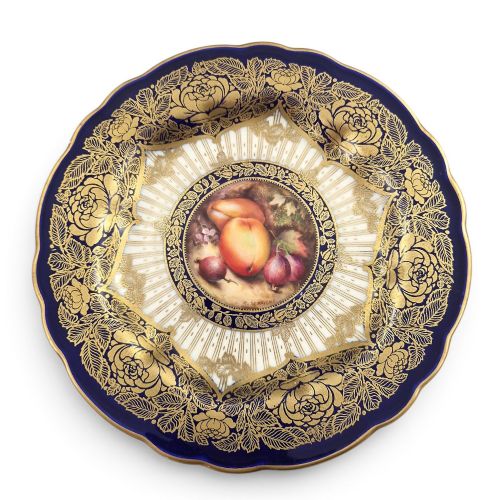
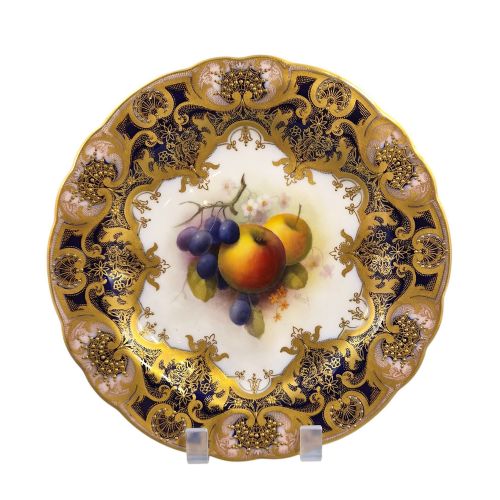
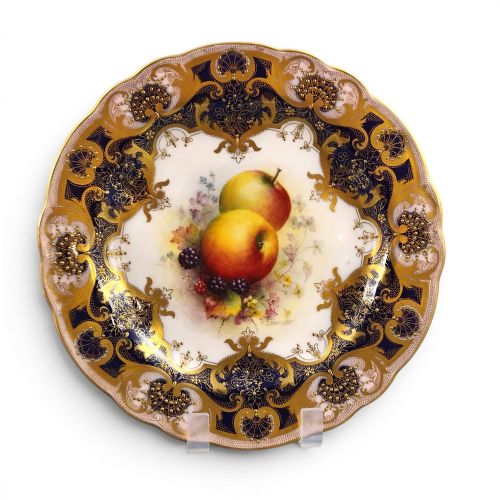
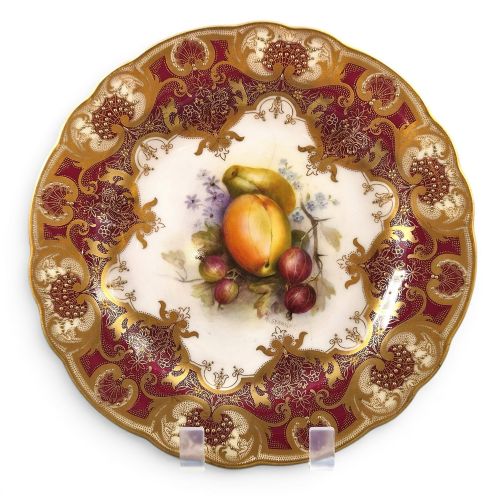
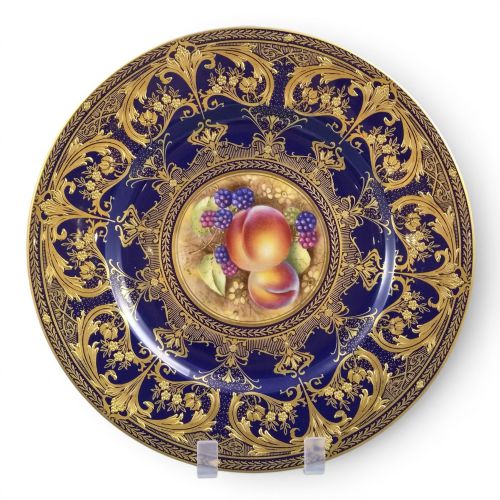
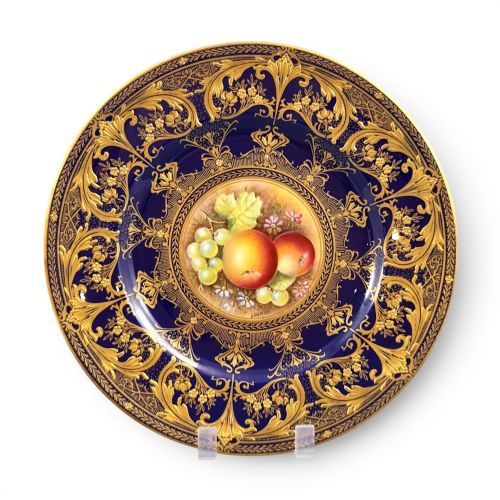
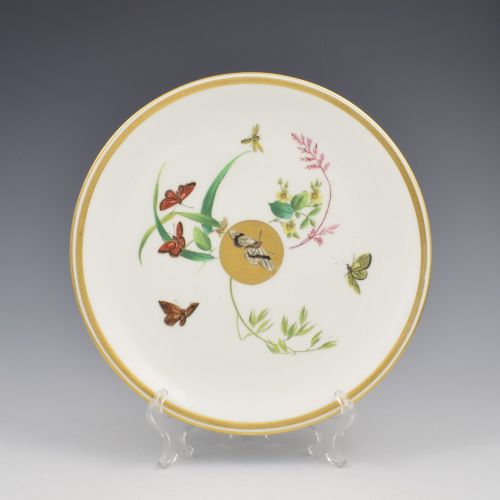
These gold gilt porcelain plate selections bring together hand-painted florals, topographical scenes and rich metallic borders from the eighteenth century onwards.
Gold Gilt Porcelain Plate
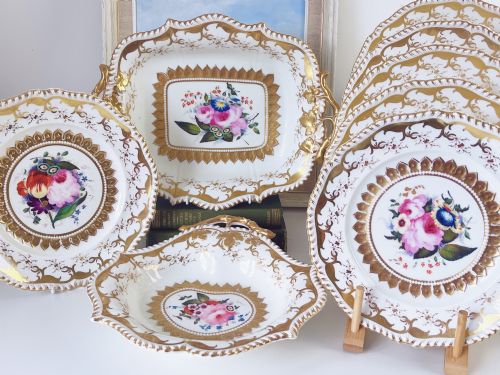
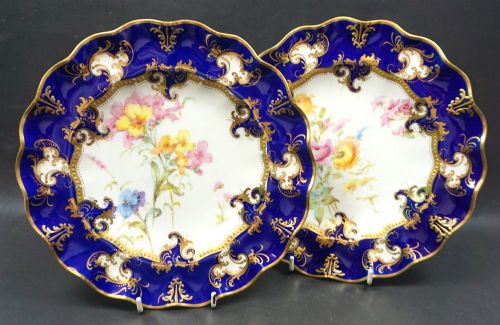
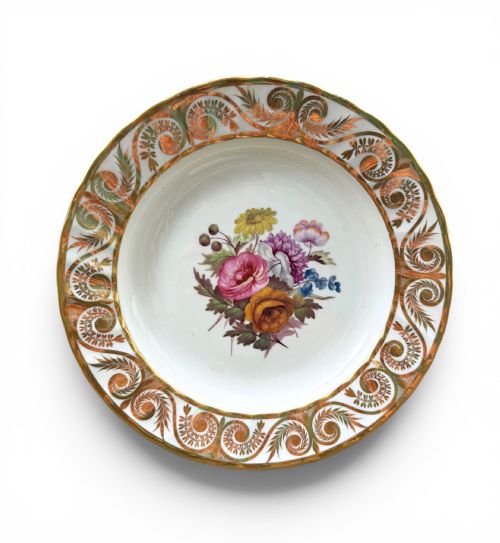
When searching for a gold gilt porcelain plate, buyers encounter fine decorative tableware, cabinet plates and dessert services created by leading European potteries. The pieces range from early nineteenth-century English manufactories to later Victorian and Edwardian productions adorned with hand-painted fruit, flowers and mythical subjects.
The version most likely to be met on this page is the decorative cabinet plate or dessert dish, often featuring elaborate gilt enrichment applied over white porcelain bodies. These items were designed primarily for display rather than daily dining, preserving detailed artistry from periods spanning the Georgian era through to the mid-twentieth century.
Materials and technique
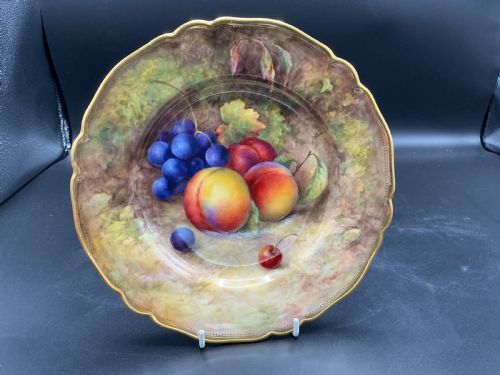
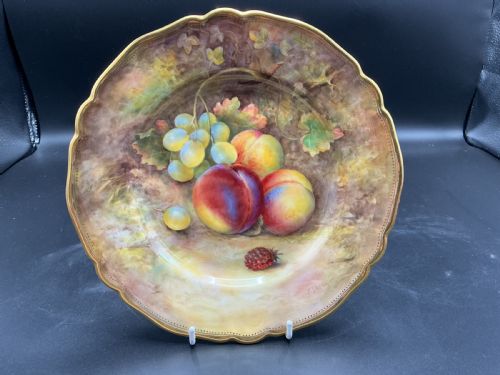
The construction of these plates relies upon refined porcelain or bone china bodies shaped into circular dishes, chargers or dessert services. Artisans applied hand-painted enamel decoration depicting naturalistic fruit, birds, flowers and figures directly onto the glazed ceramic surface before firing.
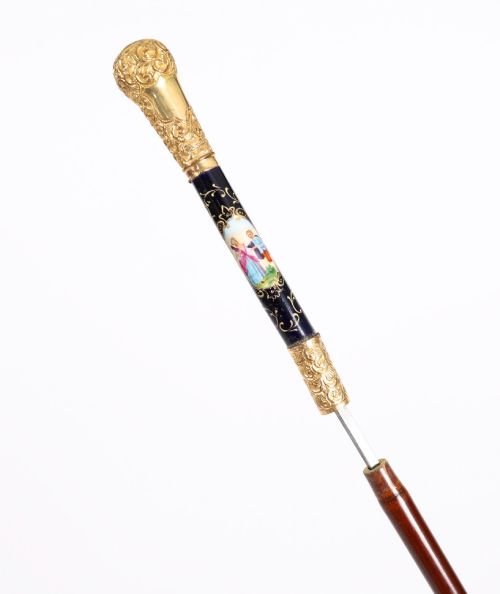
Gilding forms a defining characteristic of these items, executed using gold leaf, gold plate or applied gilt paste. Craftsmen tooled and burnished the metal highlights to create contrasting matte and bright metallic borders around the painted central scenes.
Listings feature porcelain forms spanning the Regency, Victorian and Edwardian periods, alongside mid-twentieth-century Royal Worcester productions.
Separating the ordinary from the exceptional
The standard of painting on the ceramic surface dictates much of the distinction between everyday pieces and superior examples. Work signed by known factory artists or featuring complex topographical and figural subjects commands greater appreciation than standard floral transfers or repetitive factory motifs.
The application and preservation of the gilding further separates the range. Richly chased, heavy tooling and well-preserved burnished gold leaf indicate higher levels of craftsmanship during the manufacturing process.
Grainger Lee and Co·Royal Worcester·Royal Crown Derby·Royal Doulton·Meissen·Barr Flight and Barr·Coalport·Royal Vienna
The Gold Gilt Porcelain Plate Glossary
- Cabinet plate
- A decorative ceramic dish intended for display in a cabinet or on a wall rather than for practical table service. These often feature elaborate painted subjects and gilt borders.
- Gilding
- The application of gold leaf, gold dust or liquid gold onto the surface of porcelain. This decorative technique accentuates rims, cavettos and handle details.
- Dessert service
- A matching set of plates and serving dishes designed specifically for the final course of a formal meal. Surviving sets often display uniform hand-painted motifs.
- Bone china
- A type of soft-paste porcelain incorporating animal bone ash, producing a durable ceramic body with high whiteness and translucency. It became a staple of English manufacturing during the nineteenth century.
Gold Gilt Porcelain Plate: Frequently Asked Questions
What is a cabinet plate?
A cabinet plate is a decorative ceramic dish manufactured for visual display rather than functional dining use. They frequently incorporate detailed painted scenes and precious metallic detailing.
These pieces were typically showcased in glazed furniture or mounted on walls in formal rooms. Their survival in good condition often reflects this protected history.
How do I identify factory marks?
Factory marks are usually stamped, painted or impressed onto the underside of the ceramic base. They provide clues regarding the place of origin and the active dates of the manufactory.
Studying the specific crown, script or numerical symbols helps distinguish between early nineteenth-century periods and later twentieth-century reproductions.
Were these plates used for dining?
Most heavily gilt and hand-painted plates served specific decorative functions or formed part of specialised dessert services for wealthy households. They were brought out primarily for formal entertaining.
Many examples show little to no surface wear from cutlery because owners treated them as display items from the time of purchase.
What causes wear on gilding?
Gilding wears down over decades through frequent washing, abrasive cleaning agents and physical friction from stacking or handling. The thin layer of gold leaf or gilt paint gradually thins at the raised edges of the rim.
Preserved pieces avoided aggressive cleaning and remained safely stored in display cabinets away from regular use.