


Blue French Porcelain Charger
A blue french porcelain charger brings grand decorative presence to a room, offering rich cobalt hues and fine Parisian artistry.
Blue French Porcelain Charger
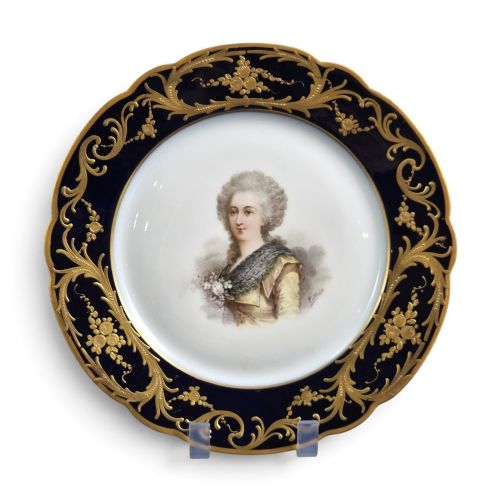
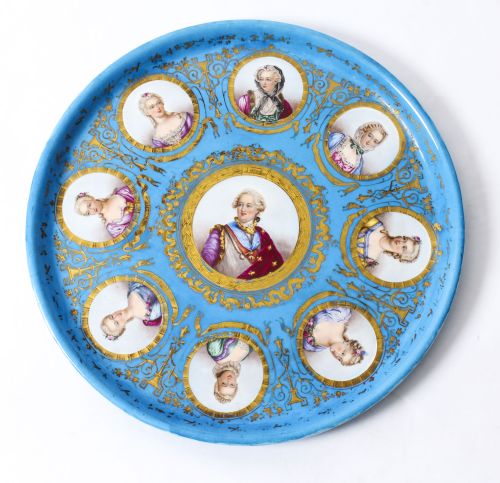
When you search for a blue french porcelain charger, you encounter large decorative plates, cabinet plates, trays, and serving dishes created in France across the eighteenth and nineteenth centuries. These items serve primarily as display pieces, often featuring rich blue grounds, hand-painted historical scenes, and gilt highlights.
The selections on this page span the eighteenth century, the eighteen-eighties, and the broader nineteenth century, reflecting periods of intense revivalism and royal taste. You will find pieces aligned with Louis the Sixteenth styles, Rococo Revival aesthetics, and French Neoclassical design.
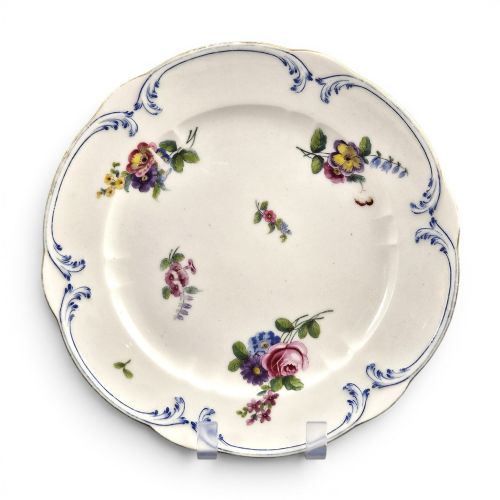
Forms range from twenty-inch chargers and oval dishes to dinner plates and large trays, demonstrating the diverse output of French kilns. Many pieces adopt the distinctive styles associated with Sèvres, whether produced at the royal factory or by later Parisian makers mimicking those historic aesthetics.
How they were made
Makers utilised hard-paste and soft-paste porcelain bodies, shaping them into large plates, trays, and dished platters before applying vivid glazes. The distinctive blue coloration, including deep cobalt and bleu céleste, was painted by hand underneath or over the glaze.
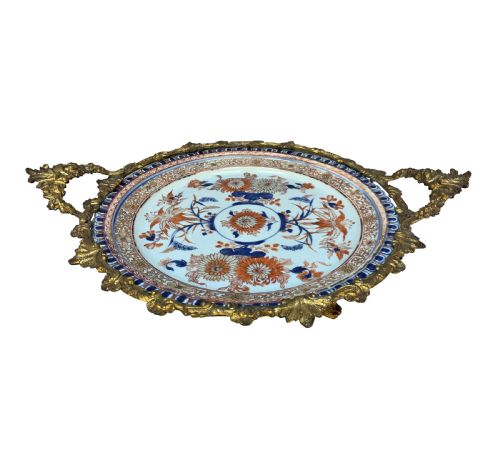
Many examples incorporate gold leaf, gilt, and ormolu or gilt bronze mounts, framing the porcelain in cast metal work. Artisans embellished these surfaces with intricate painted figural scenes, such as Watteau subjects or historical portraits, finished with fired gilding.
One twenty-inch charger demands a wall sturdy enough to hold the weight of royal ambition and fine Parisian clay.
What varies in quality
Quality rests in the precision of the hand-painted details, particularly in figurative scenes, historical portraits, and delicate floral motifs. The depth and saturation of the blue glaze, alongside the crispness of the surrounding gilt or ormolu mounts, distinguish superior objects.
The sophistication of the porcelain body and the refinement of the metal framing indicate the skill of the workshop, whether produced by established Parisian firms like Samson or historic factories.
Ambroise Michel·Pucher Deroche·Samson
The Blue French Porcelain Charger Glossary
- Soft-Paste Porcelain
- A vitreous ceramic material composed of clay and glass frit, fired at lower temperatures than hard-paste. This body appears on eighteenth-century French tablewares and cabinet plates.
- Ormolu
- Finely chased and gilt bronze used for mounts, feet, and decorative borders on porcelain dishes. This material enhances the grand appearance of nineteenth-century decorative pieces.
- Bleu Céleste
- A bright turquoise or sky-blue enamel ground colour developed at the Sèvres factory. This hue characterises many fine decorative trays and plates.
- Charger
- A large decorative plate or platter utilised for display rather than dining. These items often measure twenty inches across and feature elaborate painted scenes.
- Gilt
- A thin layer of gold applied to the surface of porcelain or metal mounts. It provides gleaming borders and highlights around painted portraits and central reserves.
Blue French Porcelain Charger: Frequently Asked Questions
What is a blue french porcelain charger used for?
These large plates and dishes function primarily as decorative cabinet pieces or centrepieces rather than tableware. They hang on walls or rest on stands to display painted scenes and gilt borders.
Historically, grand dishes of this scale highlighted the wealth and refined taste of a household. Today, collectors place them on sideboards and display cabinets to introduce rich colour and historic character into an interior.
How do I identify eighteenth century pieces?
Eighteen-century examples often utilise soft-paste porcelain bodies and bear hand-painted details typical of early French kilns. Examining the glaze and the style of the painted portraits helps suggest this earlier origin.
Many pieces from this era show the refined aesthetic of the Louis the Sixteenth period or early neoclassical design. Comparing the potting weight and foot rim to known examples clarifies the date.
What does ormolu mounting mean?
Ormolu refers to cast bronze that has been chased and gilded with gold, attached to the edges or bases of porcelain dishes. This technique frames the ceramic in decorative metalwork, adding weight and sculptural presence.
Mounts appear frequently on nineteenth-century revival pieces, elevating simple plates into ornate decorative objects. The quality of the bronze chiselling often mirrors the artistic ambition of the porcelain within.
Are these pieces painted by hand?
Most quality French chargers and cabinet plates feature hand-painted central reserves, portraits, or pastoral scenes. Artisans applied cobalt blue and enamel pigments meticulously before firing the piece.
Brushwork under magnification reveals the subtle variations characteristic of individual artists. Gilt details were also applied by hand and burnished to catch the light.
How should I display a large charger?
A twenty-inch charger requires a sturdy wall bracket or a deep plate stand designed for heavy ceramics. Placing the piece away from direct sunlight preserves the vibrant cobalt blue and gold leaf.
Ensuring secure support protects the ormolu mounts and the porcelain body from accidental knocks. Proper placement allows the painted historical scenes to become a focal point in the room.