





Antique Decorative Ceramic Dish
An antique decorative ceramic dish brings centuries of global kiln artistry straight to your table.
Antique Decorative Ceramic Dish
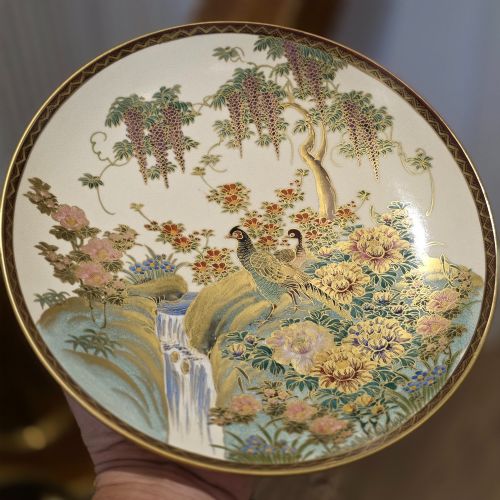
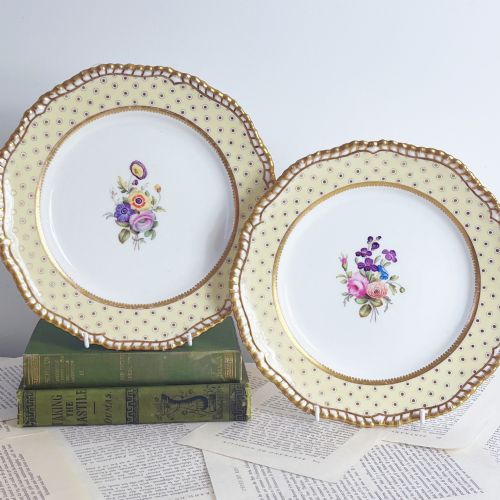
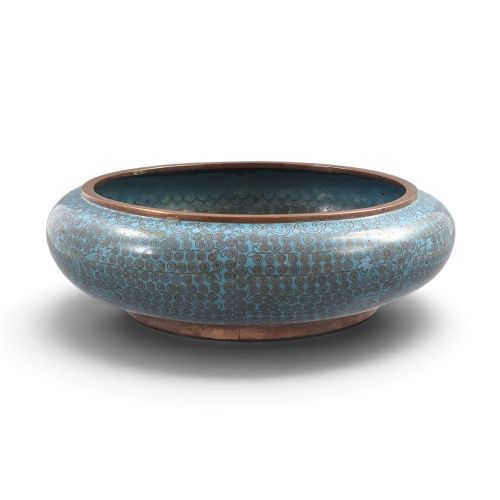
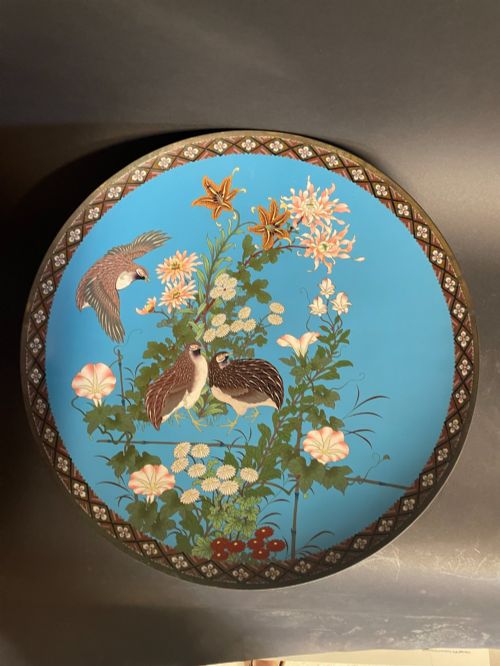
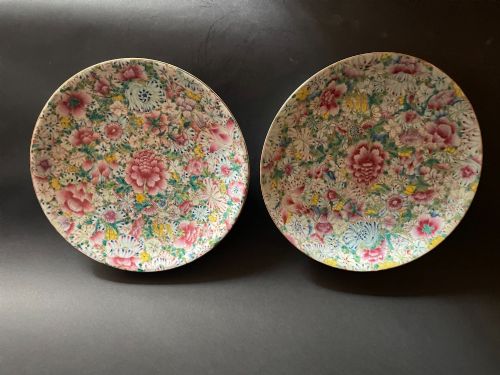
When you search for an antique decorative ceramic dish, you encounter a vast array of forms ranging from deep chargers and scalloped bowls to cabinet plates and serving platters. These items serve primarily for display or formal presentation rather than everyday dining, originating from English potteries, French ateliers, and Asian export kilns.
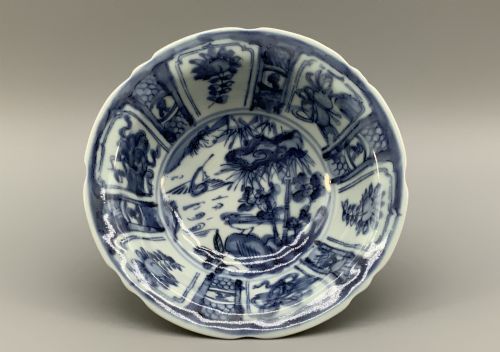
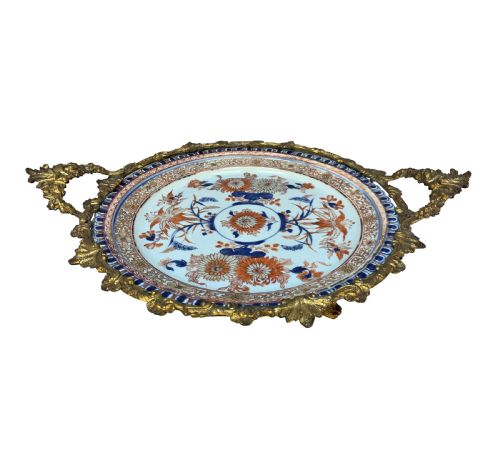
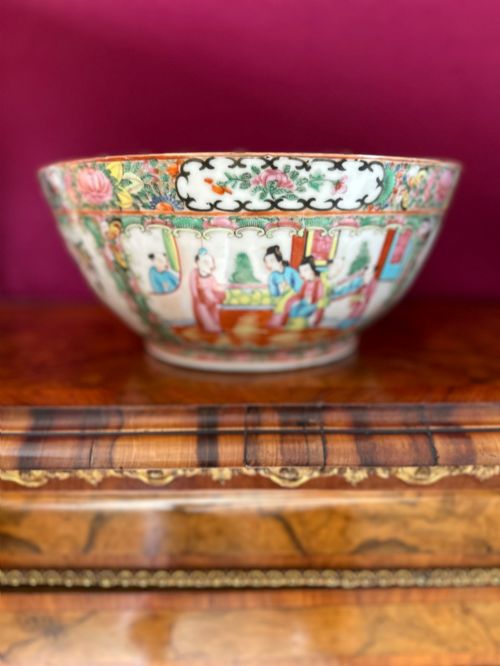
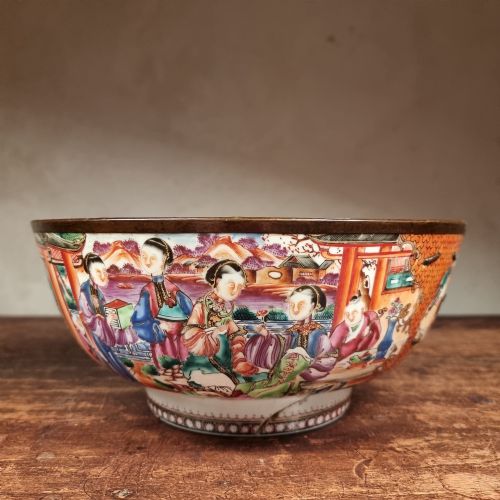
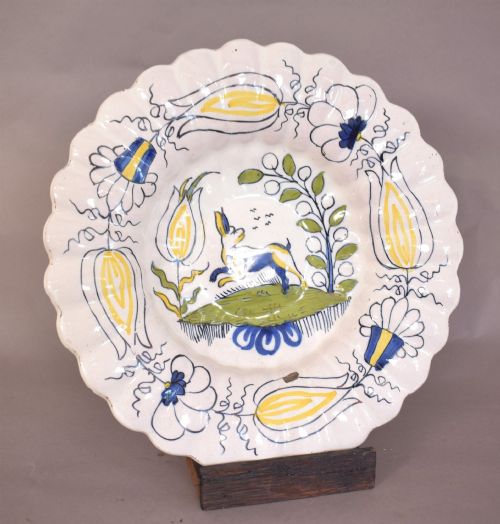
The selections span significant periods from the eighteenth century through the Victorian era up to the early twentieth century. You will frequently find Japanese Imari porcelains, Chinese blue and white pieces, and English earthenware or ironstone sitting alongside continental faience and Delft wares.
Forms vary from simple round plates to lobed bowls, square dishes, and footed vessels. Each item carries the distinct decorative language of its period, whether that is a transfer-printed landscape, hand-painted fruit, or rich cobalt and iron-red export patterns.
What varies in quality
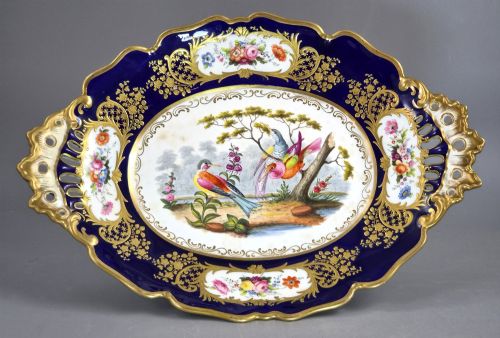
Quality rests heavily on the crispness of the hand-painting, the precision of the glaze application, and the fineness of the ceramic paste itself. Superior pieces demonstrate exceptional control in detailed brushwork, particularly in intricate floral panels or hand-painted botanical studies.
The presence of precious additions like gold leaf, ormolu mounts, or intricate pierced moulding distinguishes high-status cabinet pieces from utilitarian wares. Maker attribution and the clarity of painted or impressed factory marks also influence the standing of an individual dish.
Several plates secretly depict exotic birds and Dr. Livingstone alongside traditional dragons.
Spode·Coalport·Royal Crown Derby·Royal Worcester·Limoges·Minton·Royal Doulton·John Davenport·New Hall
The Antique Decorative Ceramic Dish Glossary
- Imari
- A style of Japanese porcelain featuring a distinct palette of underglaze blue, iron red, and gold. These pieces were heavily exported to Europe and prized for their vibrant, densely patterned surfaces.
- Delftware
- Tin-glazed earthenware originating from the Netherlands and England, typically painted in blue with Chinese-inspired motifs or European landscapes. The opaque white glaze mimics the appearance of imported Chinese porcelain.
- Transferware
- Pottery decorated by applying a printed design from an engraved copper plate onto tissue paper and then onto the ceramic body. This technique allowed for intricate pictorial scenes to be replicated consistently.
- Cabinet plate
- A decorative plate intended for display in a cabinet or on a wall rather than for practical table use. These often feature exceptional hand-painted art by named artists.
- Ironstone
- A heavy, durable type of earthenware patented in the nineteenth century to rival true porcelain. It offered great strength and readily accepted glossy glazes and transfer-printed or hand-painted patterns.
Antique Decorative Ceramic Dish: Frequently Asked Questions
How do I display a charger plate?
Charger plates look best mounted on sturdy wall hangers or supported upright on specialised display stands within cabinets. Their large diameter makes them ideal focal points on sideboard surfaces.
Ensure the display method distributes the weight evenly across the rim and base to protect the glaze and ceramic body from strain.
Are these dishes food safe?
Many older ceramic pieces contain lead in their glazes or feature delicate overglaze enamels and gold leaf that can wear away with regular use. It is generally advisable to treat them as decorative display items rather than for serving food.
Hand washing in lukewarm water without harsh detergents is recommended if cleaning becomes necessary.
What is the difference between earthenware and porcelain?
Earthenware is a porous, opaque pottery fired at lower temperatures, requiring a tin or lead glaze to become waterproof. It feels heavier and thicker in the hand.
Porcelain is a vitrified, translucent ceramic fired at high temperatures using kaolin clay, producing a resonant ring when tapped and a completely non-porous body.