
Antique Condiment Dish
An antique condiment dish brings refined historical craftsmanship to the table, offering functional elegance for salt, mustard, and preserves.
Antique Condiment Dish
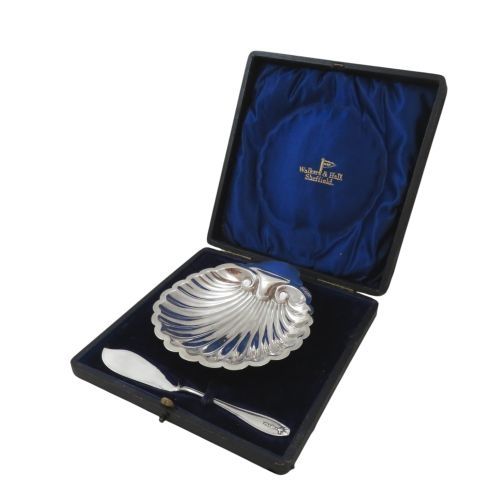
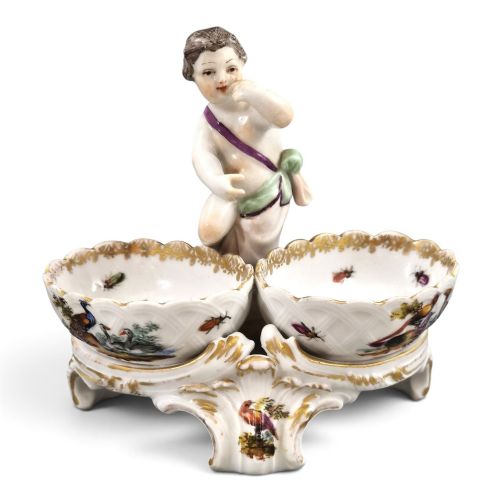
When searching for an antique condiment dish, collectors encounter a diverse array of tablewares including salt cellars, mustard pots, butter dishes, and pickle leaves spanning the eighteenth, nineteenth, and early twentieth centuries.
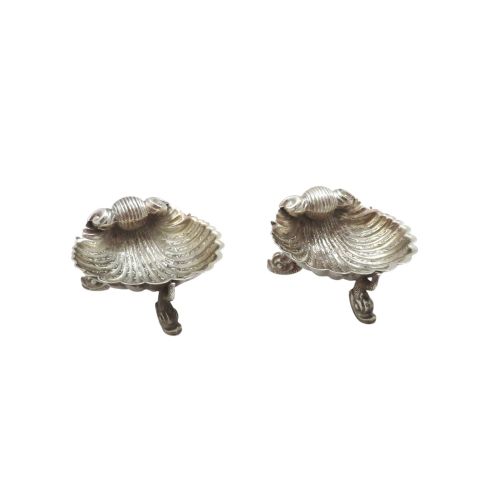
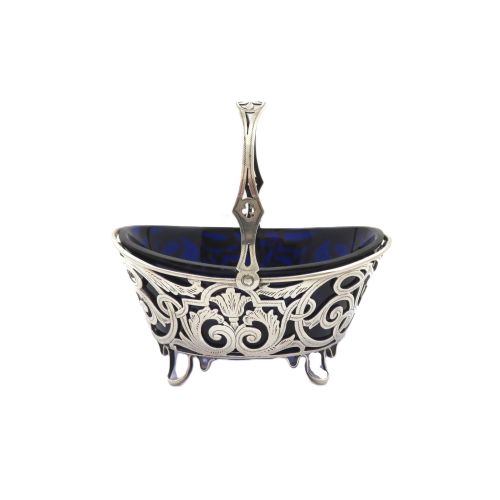
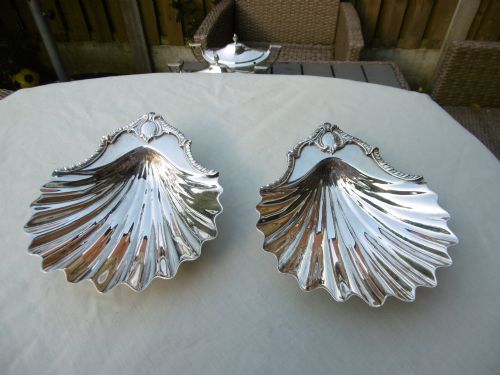
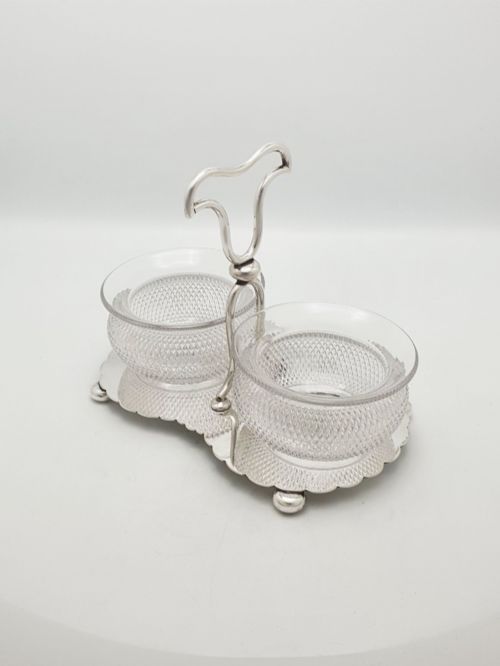
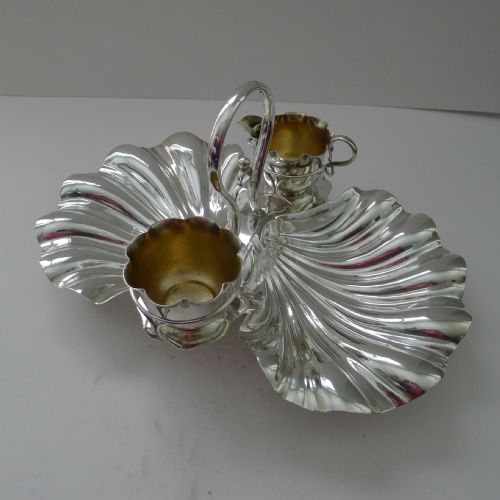
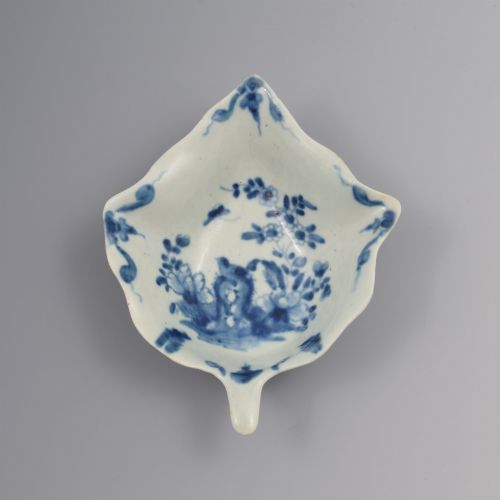
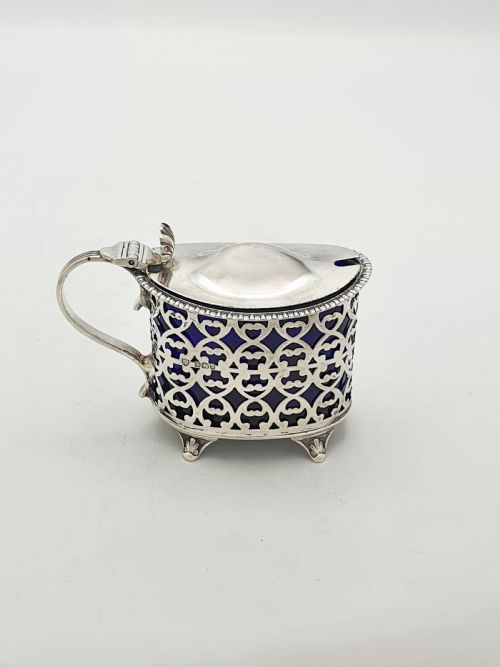
The pieces on this page range from Georgian solid silver scallop shells and First Period Worcester porcelain pickle dishes to Victorian silver-plated stands and Edwardian glass bowls with cobalt liners.
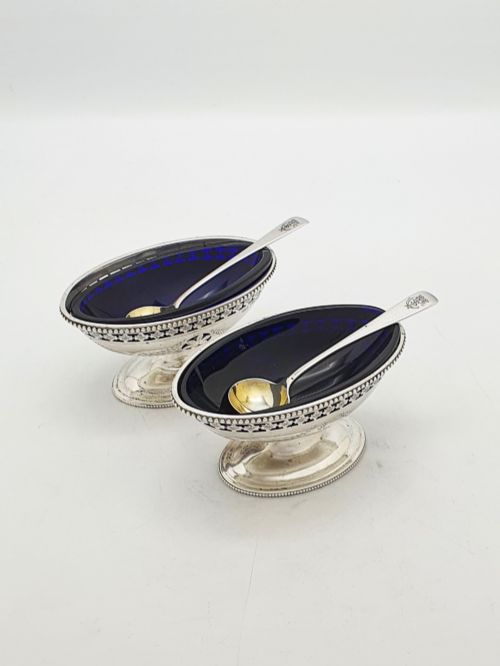
Buyers are most likely to meet silver-plated and sterling silver vessels from the Victorian and Edwardian eras, often accompanied by original coloured glass inserts or specific condiment spoons.
Materials and Techniques
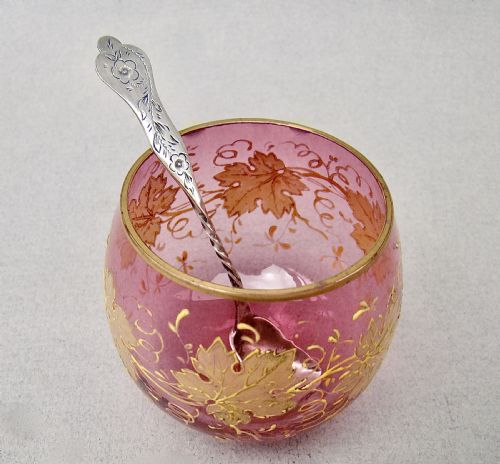
The manufacture of these tableware items combines precious metals like sterling silver and durable silver plate with blown, cut, and moulded glass elements such as cranberry and cobalt liners.
Ceramic examples employ soft-paste porcelain and tin-glazed earthenware, decorated with hand-painted motifs and naturalistic leaf or shell forms that reflect Georgian and Victorian stylistic shifts.
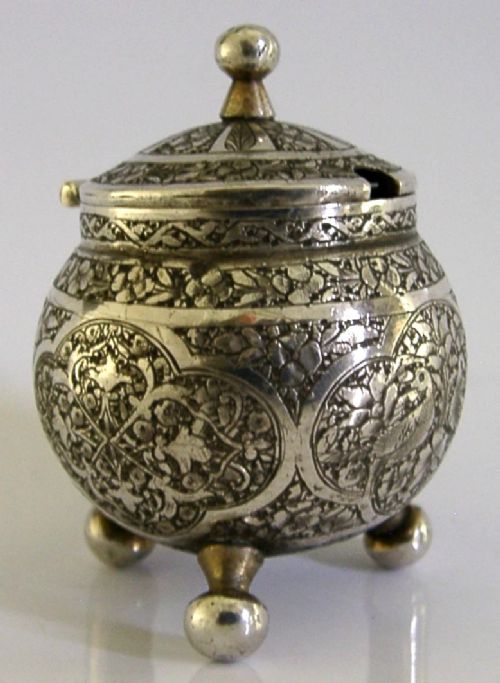
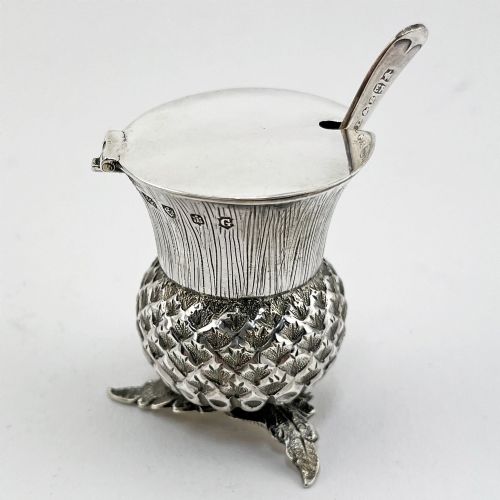
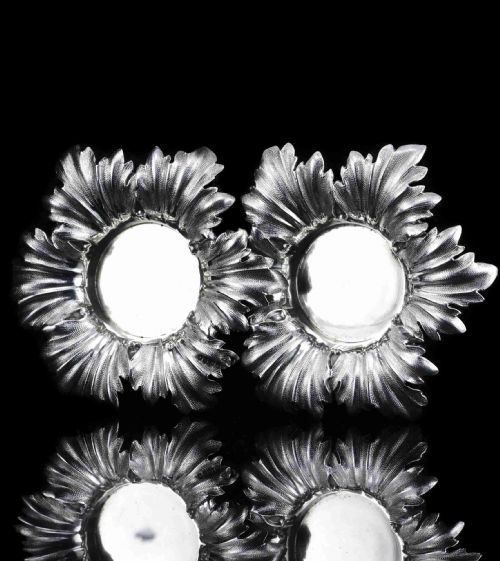
Silversmiths utilised piercing, chasing, and casting techniques to achieve intricate foliate designs, naturalistic flower motifs, and figural animal shapes like swans and thistles.
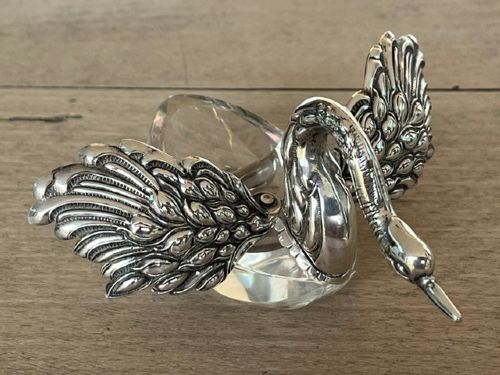
Several pieces take animal forms, featuring silver swans with movable wings and pickle dishes shaped precisely as delicate leaves.
Evaluating Quality and Craftsmanship
The distinction between standard domestic tablewares and superior pieces rests upon the crispness of the chasing, the weight of the solid silver or porcelain body, and the presence of fully matching maker marks and date letters.
Quality reveals itself in the harmonious integration of materials, such as a well-fitted original cobalt or cranberry glass liner resting securely within a pierced sterling silver or plated framework.
Provenance and attribution to notable designers or makers, such as First Period Worcester or specific silversmiths like William Plummer and Edward Farrell, elevate the standing of an individual piece within the market.
KPM Berlin·William Plummer·Barnards·Daniel Arter·Dr Wall·Hukin and Heath·William Bateman·Edward Farrell·Pennington·Roberts and Belk
The Antique Condiment Dish Glossary
- Salt Cellar
- A small open bowl or vessel used to hold salt at the dining table before the invention of the spring-loaded salt shaker. They frequently require glass liners to protect the metal from corrosion.
- Pickle Dish
- A small serving dish, often shaped like a leaf, used for pickles and relishes during the eighteenth and nineteenth centuries. These porcelain or silver pieces are collected for their distinct botanical forms.
- Condiment Stand
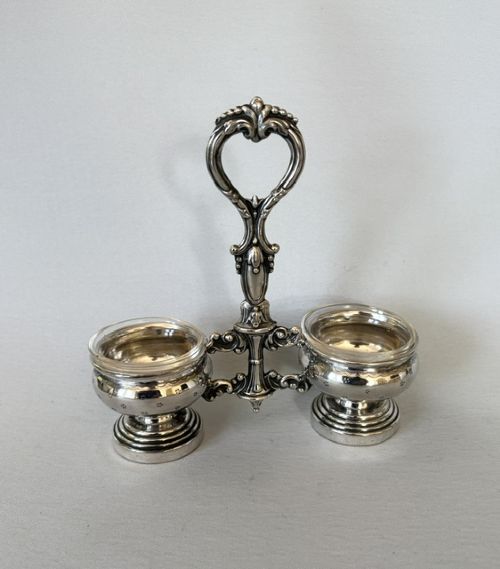
- A framed framework holding multiple pots, bottles, or bowls for sauces and seasonings. They often feature central carrying handles and silver-plated or solid silver construction.
- Soft-paste Porcelain
- An artificial porcelain composition fired at lower temperatures than hard-paste, common in eighteenth-century English factories like Worcester. It produces a warm, slightly creamy body ideal for delicate painted decoration.
- Chasing
- A metalsmithing technique where designs are hammered into the front surface of the metal to create raised foliate or decorative relief patterns. This work requires high skill to avoid puncturing the silver wall.
Antique Condiment Dish: Frequently Asked Questions
How do I clean antique silver condiment dishes?
Use a soft microfiber cloth and a mild, non-abrasive silver polish formulated specifically for antique metalwork. Avoid harsh chemical dips that can strip away original patination and damage delicate soldered joints.
Take care around glass liners and porcelain components, washing those separately in lukewarm soapy water. Dry each piece thoroughly before storage to prevent moisture accumulation.
Are glass liners usually original to the salt cellars?
Original glass liners fit snugly into the silver framework and match the manufacturing period of the outer metal piece. Cobalt and cranberry glass colours are strong indicators of Victorian and Edwardian production.
Replacement liners often differ slightly in height, thickness, or hue. Examining the interior base of the metal salt for wear patterns helps confirm if the glass has rested there for generations.
What were pickle leaf dishes used for?
Pickle leaf dishes served small quantities of pickled vegetables, gherkins, or relishes during formal eighteenth-century dining courses. Their botanical shapes mirrored actual leaves such as vine, daisy, or peony leaves.
Over time, these porcelain and tin-glazed vessels transitioned from functional dining implements to decorative cabinet pieces collected for their hand-painted underglaze blue patterns.
How can I date an antique silver mustard pot?
Sterling silver items carry hallmarks that indicate the assay office, the maker's mark, and a specific date letter corresponding to the year of manufacture. Examining these tiny stamped symbols provides an exact chronology.
Stylistic cues such as Art Deco geometric lines, Victorian foliate chasing, or Georgian Rococo curves also help narrow down the period when hallmark stamps are worn or absent.