

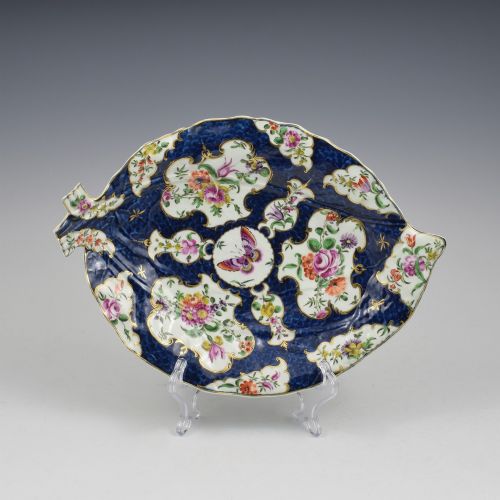
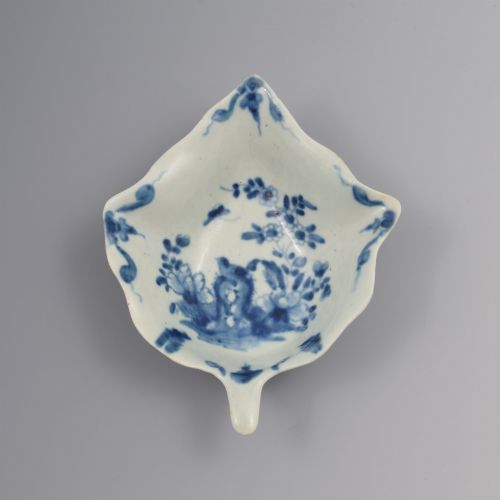

Antique Leaf Dish
When you search for an antique leaf dish, you encounter botanical tableware formed from porcelain, earthenware, and silver across the eighteenth and nineteenth centuries.
Antique Leaf Dish
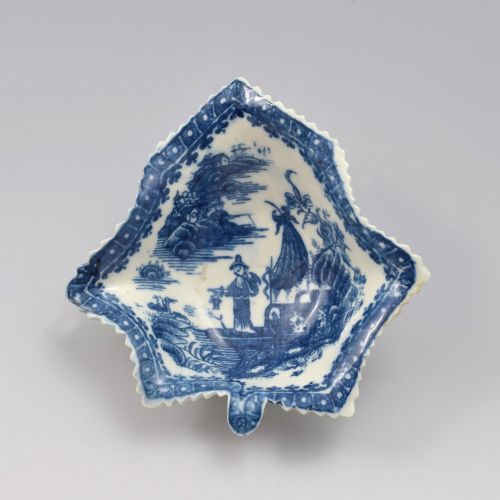
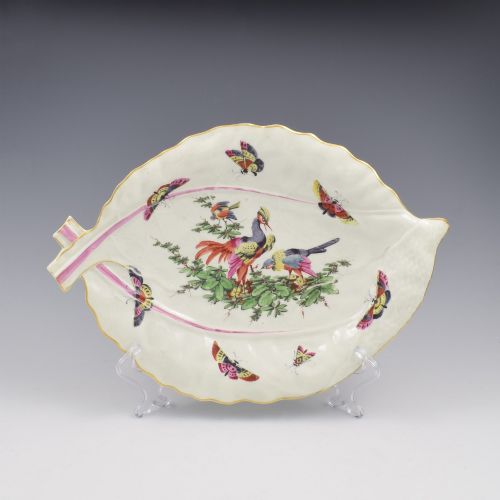
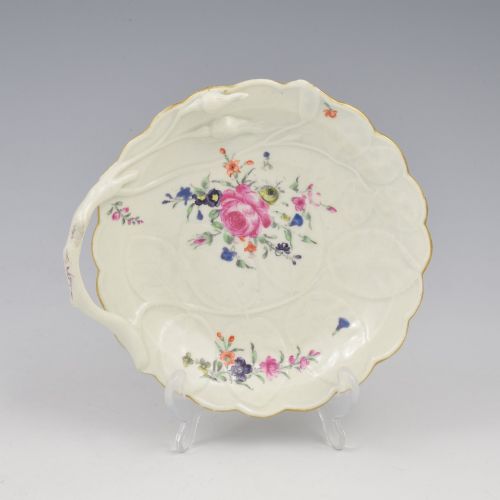
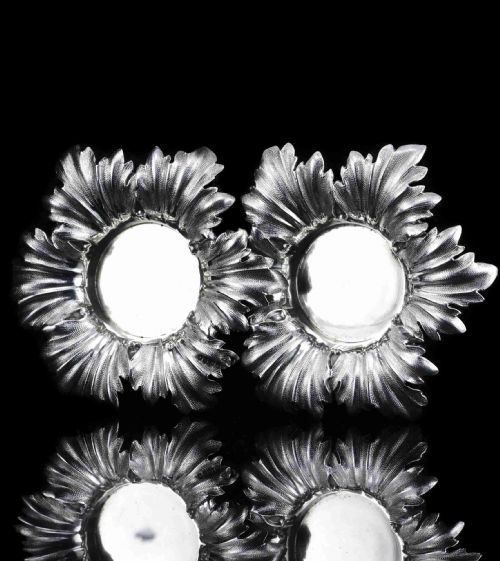
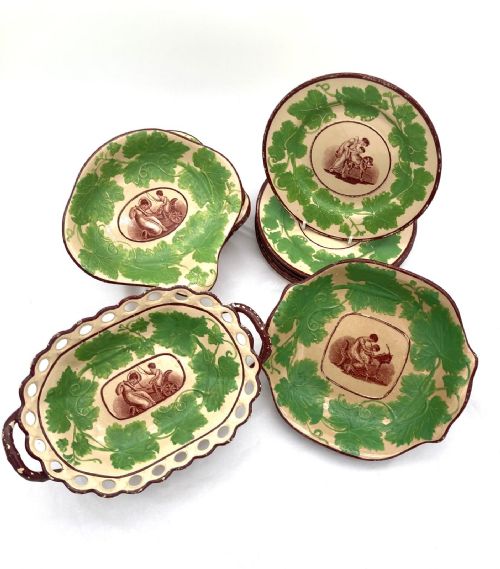
An antique leaf dish replicates the natural contours and veining of foliage, taking the form of porcelain pickle dishes, majolica comports, and silver trays. These serving pieces functioned at the table for condiments, pickles, butter, or small morsels during Georgian and Victorian dining services.
The selections span English soft-paste porcelain from eighteenth-century factories alongside nineteenth-century earthenware and silver pieces. Makers modelled these items directly on natural leaves such as the begonia, vine, or daisy to bring botanical ornament onto the dining table.
How they were made
Potters utilised porcelain, bone china, and earthenware bodies, often shaping the wet clay in moulds taken from actual leaves to capture realistic veining and serrated edges. Artisans then applied underglaze blue, enamels, or colourful majolica glazes before firing the ceramic pieces in kilns.
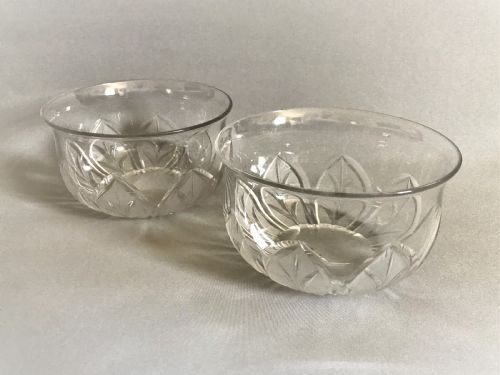
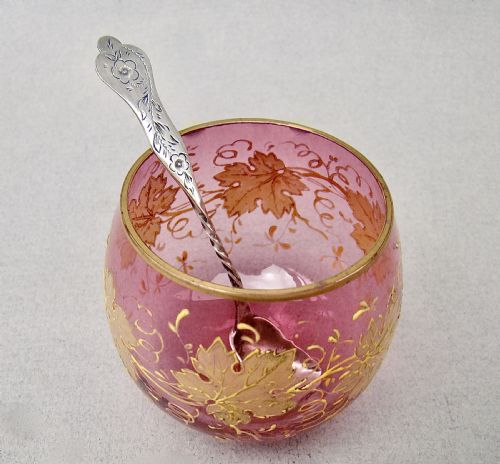
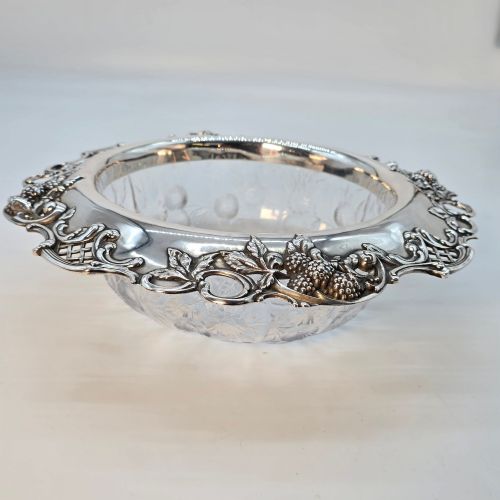
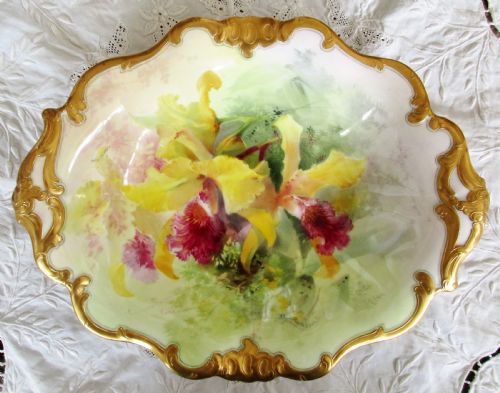
Silversmiths and metalworkers hammered, chased, and cast sterling silver and pewter to render precise botanical motifs such as foliate handles and veins. Glassmakers relied on mould-blowing and applied gold enamel decoration to achieve translucent leaf and floral motifs.
Eighteenth-century porcelain makers occasionally hid tiny painted butterflies beneath leaf curves to surprise diners once the pickles were eaten.
What varies in quality
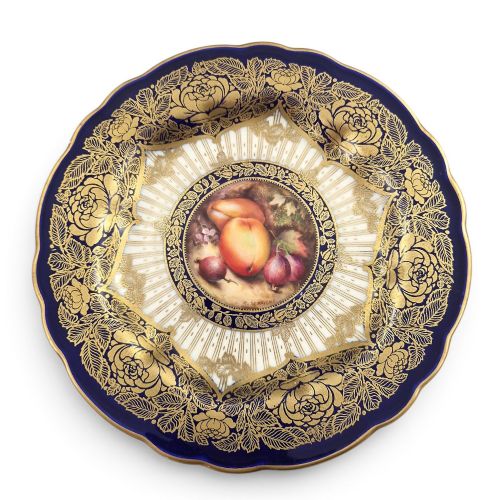
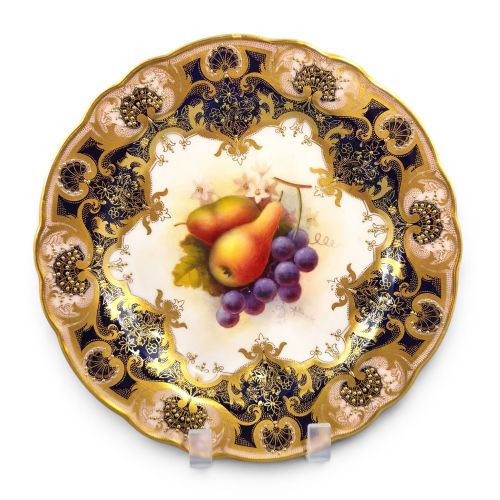
The refinement of the modelling dictates the visual success of the piece, separating items with crisp, deeply impressed leaf veins from softer, worn castings. Hand-painted ceramic pieces show divergence in the skill of the brushwork, particularly in delicate bird, insect, or floral subjects.
The prestige of the factory or workshop influences the standing of an item, with eighteenth-century porcelain from Worcester or Caughley commanding particular attention. The weight and crispness of chased detail on silver versions similarly mark out superior workshops.
Royal Worcester·George Jones·Barnards·Hukin and Heath·Tiffany and Co
The Antique Leaf Dish Glossary
- Pickle dish
- A small serving vessel intended for relishes, pickles, or small portions, frequently shaped as a leaf in eighteenth-century porcelain.
- Soft-paste porcelain
- An artificial porcelain composition fired at lower temperatures than hard-paste, common in early English factories like Worcester and Caughley.
- Majolica
- A colourful, lead-glazed earthenware introduced in the nineteenth century, known for vivid tones and naturalistic plant and animal forms.
- Chasing
- A metalworking technique where the artisan pushes and indents metal from the front with a hammer and punch to create raised decorative patterns.
Antique Leaf Dish: Frequently Asked Questions
How do I distinguish eighteenth-century porcelain from later pieces?
Early porcelain pieces from the eighteenth century typically employ soft-paste bodies with distinct glaze pooling and hand-painted underglaze blue or polychrome enamels. Later nineteenth-century items often utilise harder ceramic bodies or majolica glazes with brighter, opaque coloration.
Examining the foot ring, potting weight, and pigment absorption under magnification helps clarify the specific period of manufacture.
Can I use an antique leaf dish for food today?
Most antique ceramic and silver dishes are suitable for serving dry foods, though antique soft-paste porcelain and majolica require careful hand washing. Avoiding abrasive detergents and sudden temperature changes preserves the historic glaze and enamel surfaces.
Many collectors prefer to display these fragile pieces in cabinets or use them solely for dry presentation rather than daily dining.
Why are some leaf dishes made of majolica?
Majolica became widely popular during the Victorian era because its rich, opaque lead glazes allowed for highly realistic and vibrant representations of plants and animals. Potters utilised moulded earthenware blanks to capture deep relief textures like begonia and cabbage leaves.
This technique produced durable, highly decorative tableware that suited the Victorian appetite for opulent, nature-inspired domestic goods.