

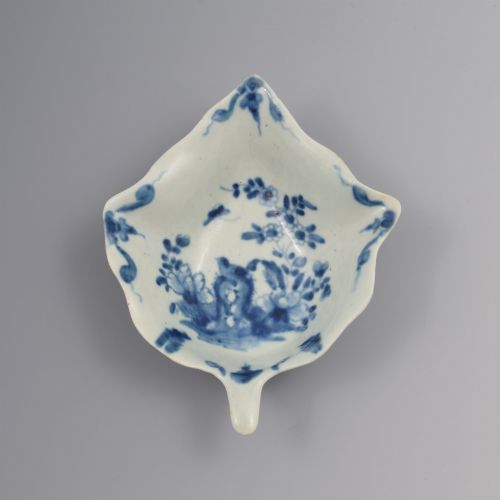


Antique Ceramic Leaf Dish
These pieces take the natural form of foliage and render it in durable clay, bringing botanical shapes straight to the table.
Antique Ceramic Leaf Dish
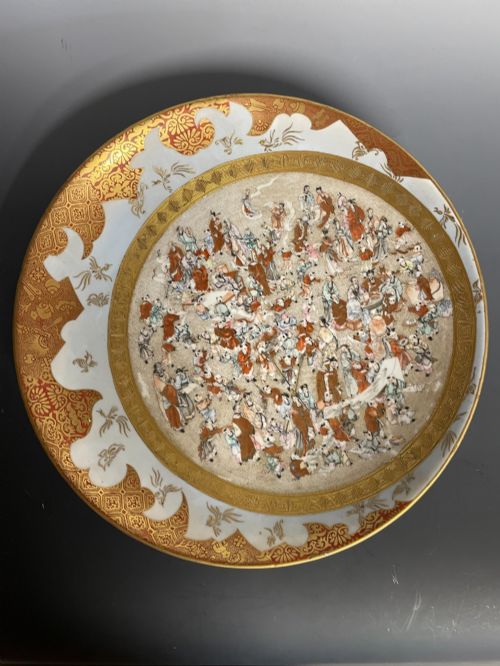
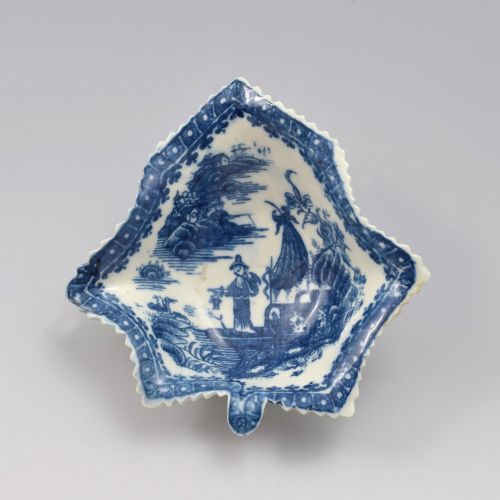
An antique ceramic leaf dish borrows the organic contours of foliage to create functional tableware and decorative plates. When searching this phrase, a buyer encounters everything from small eighteenth century pickle dishes to larger Victorian majolica comports and cabbage tureens.
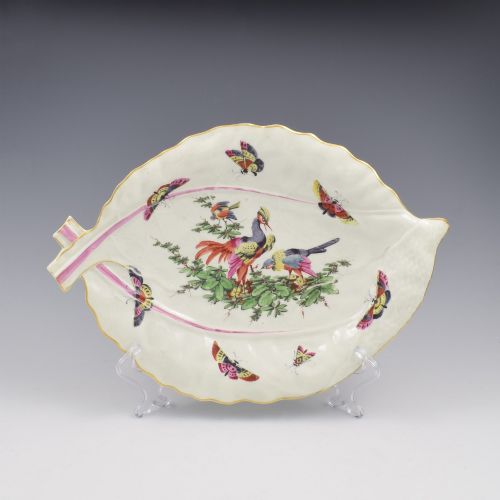
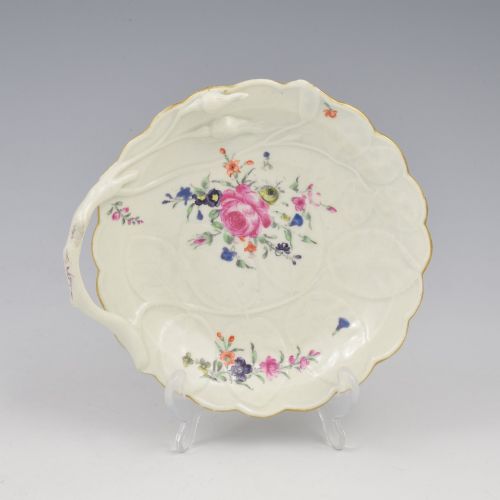
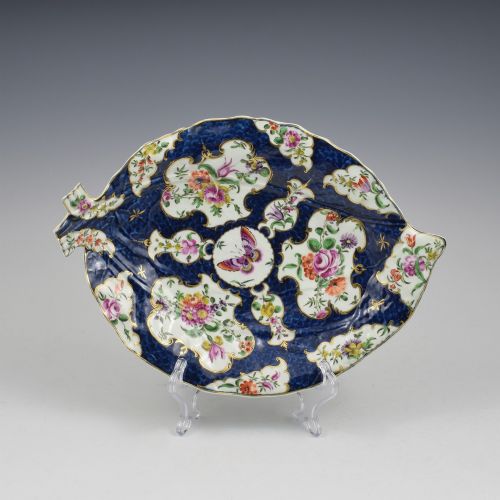
Early examples emerge from eighteenth century factories like Worcester and Caughley, modelled as small pickle trays with painted insects, birds, or floral patterns. Later nineteenth century pieces expand into bolder Victorian majolica work and painted cabinet porcelain.
How they were made
Potters built these pieces using soft-paste porcelain, earthenware, bone china, or ironstone, often pressing clay into sculpted moulds to capture realistic veining. Artisans then applied enamel, glaze, and occasional gold leaf or gilt highlights before firing.
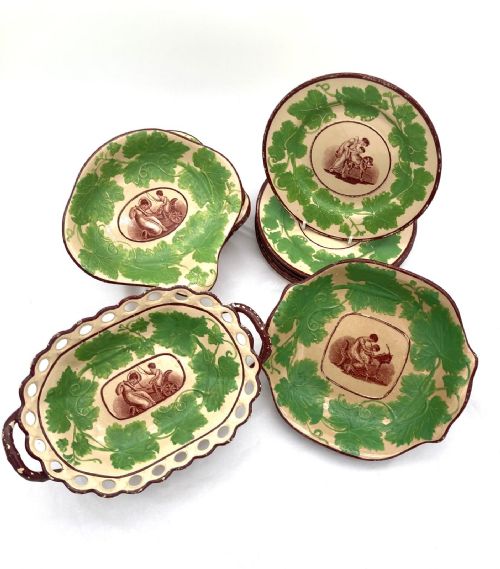
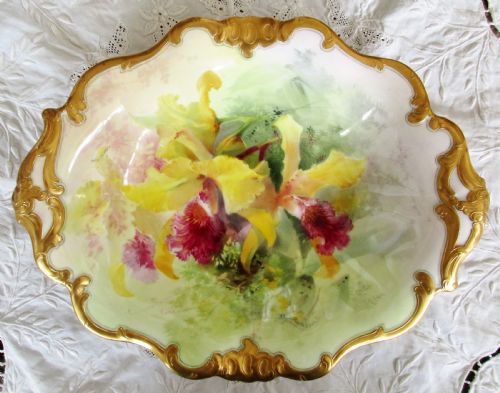
Factories employed varied techniques, from hand painted botanical studies and blue and white printing to heavy lead glazes that gave Victorian majolica pieces their distinct sheen and texture.
The listings span the eighteenth, nineteenth, and early twentieth centuries, featuring porcelain, earthenware, and majolica forms.
What varies in quality
Quality rests on the crispness of the moulding and the skill of the hand painting. Finer pieces show subtle botanical accuracy in the leaf veins and delicate brushwork on bird or fruit motifs, whereas simpler items rely on transfer printing or heavy utilitarian glazes.
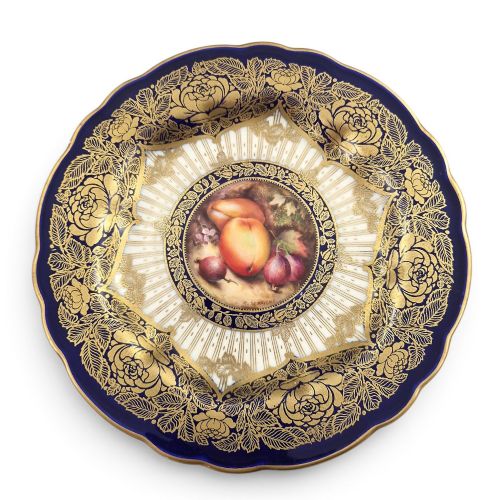
The renown of the maker and the complexity of the palette also set examples apart. Pieces bearing detailed polychrome enamels, scale grounds, or signed artist work stand distinctly above standard production wares.
Royal Worcester·George Jones·Royal Doulton·Caughley
The Antique Ceramic Leaf Dish Glossary
- Pickle dish
- A small vessel shaped to hold condiments at the dining table. These often take early botanical forms.
- Majolica
- A heavy earthenware pottery covered in a coloured lead glaze. This technique became popular during the Victorian era for naturalistic forms.
- Soft-paste porcelain
- A ceramic composition made from glass and white clay substitutes. It was widely used in eighteenth century English factories before bone china took precedence.
- Cabinet plate
- A decorative ceramic piece intended for display in a cabinet rather than for daily dining use.
Antique Ceramic Leaf Dish: Frequently Asked Questions
What were leaf dishes used for?
These pieces served practical dining functions, holding small pickles, sauces, or sweets at the table. Smaller versions accommodated condiments during formal meals.
Over time, many transitioned into decorative display items, serving as cabinet plates or centrepieces rather than everyday tableware.
How do I date an early porcelain dish?
Dating relies on body composition, glaze characteristics, and factory marks beneath the base. Eighteenth century soft-paste porcelain differs visibly from later bone china and ironstone.
Stylistic markers, such as Rococo moulding or specific hand painted transfer patterns, also point toward particular decades of manufacture.
Are majolica leaf dishes waterproof?
Majolica pieces are glazed earthenware, meaning they are sealed for general use. The thick lead glazes protect the porous clay body underneath.
They function safely for dry display or serving, though prolonged exposure to moisture requires sensible care.
How should I display a cabinet plate?
Cabinet plates work best in secure wall mounts or dedicated plate stands that support the base and rim evenly. Placing them away from direct sunlight protects the enamel colours.
Ensure the display furniture is stable enough to bear the weight of denser porcelain or ironstone.