


Antique Chuval Bag
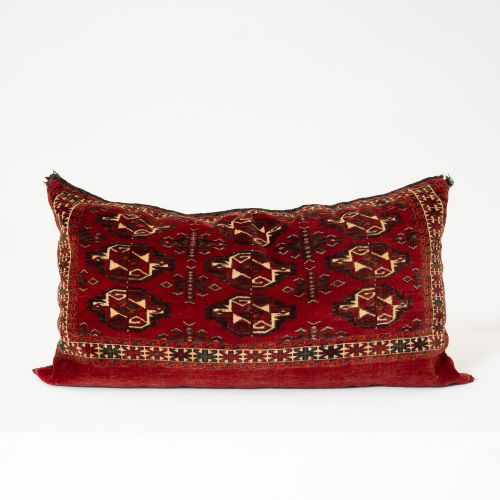
An antique chuval bag is a Central Asian tribal storage piece woven for household use, prized by collectors for its geometric design and rich wool pile.
Antique Chuval Bag
When you search for an antique chuval bag, you examine traditional Central Asian tribal storage sacks and bag-faces originating mainly from the Turkmen tribes, including the Tekke, Ersari, Yomut, Saryq, and Salor groups. These pieces served practical functions within nomadic tents as bedding bags or general storage containers, woven with distinctive tribal motifs.
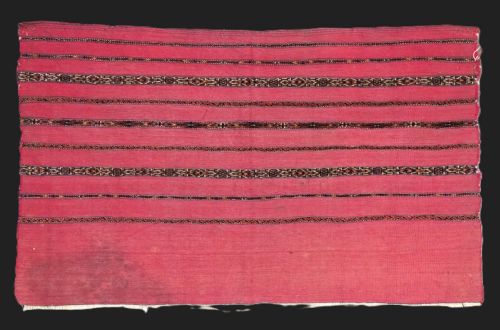
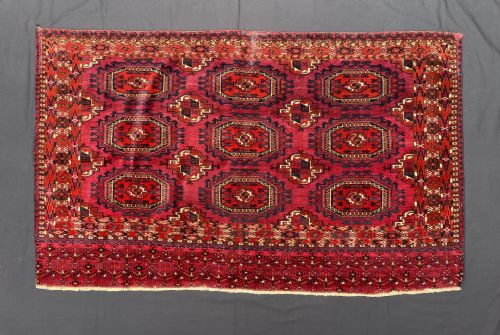
The selections on this page appear predominantly as individual bag-faces or complete examples with plain weave backs, spanning periods from the mid-nineteenth century up to the early twentieth century. Certain fragments and larger storage pieces also emerge, demonstrating the structural formats typical of nomadic weaving from the Trans-Caspian steppes and surrounding regions.
The forms frequently display major medallions known as guls, arranged in grids of varying counts such as nine, fifteen, or thirty motifs. Variations include 'Kizil' red grounds, 'Ak' white ground types, and pieces featuring secondary Salor guls or elem panels at the lower borders.
Materials and construction
The construction relies fundamentally on hand-spun wool for the main pile and foundation, often supplemented by cotton details and occasional crimson silk highlights. Artisans utilised natural dyes to achieve deep reds, browns, and contrasting tones that define the visual weight of each textile.
Weaving techniques range from standard structural piles to very fine weaves executed on nomadic vertical or horizontal looms. Many surviving examples present as the front panels of bags, while others retain their original plain weave backs and hanging loops.
Geographic origins represented across the inventory include the Akhal Oasis, the Middle Amu Darya region, and the Trans-Caspian steppes.
Factors influencing quality
Quality rests significantly on knot density and the precision of the weave, where extremely fine execution separates ordinary utilitarian items from masterworks. The clarity and crispness of the gul design and the secondary borders also determine the visual standing of a piece.
The integrity of the material, preservation of natural dye colours, and whether the textile survives as a complete bag with its original back rather than a fragmented face influence desirability. Greater scarcity in specific gul configurations, such as the aina or turreted Salor variants, elevates a piece within the tradition.
The Antique Chuval Bag Glossary
- Chuval
- A large Central Asian nomadic storage or bedding bag made by tribal weavers. These sacks hung inside tents to hold household goods and textiles.
- Gul
- A primary medallion motif repeated across tribal rugs and bags. Each design often identifies the specific clan or tribe that wove the textile.
- Torba
- A smaller storage bag compared to a chuval, traditionally used for holding smaller household items. They share similar tribal weaving techniques and gul motifs.
- Kizil
- A designation meaning red in Turkic languages, commonly applied to Turkmen chuvals featuring a dominant red ground colour. These pieces rely heavily on rich madder-based dyes.
Antique Chuval Bag: Frequently Asked Questions
How were chuval bags used originally?
Nomadic families utilised chuval bags inside yurt dwellings for organising and storing bulky items such as blankets, clothing, and bedding. Their large format and sturdy construction made them practical containers for frequent transport.
Many examples were hung against tent walls using integrated loops or stacked on top of one another. Over time, the decorative faces were often separated from their plain wool backs for easier preservation and display.
How do I identify different tribal styles?
Tribal attribution depends largely on the structure of the primary guls, the secondary ornaments, and the ground colour palette. Tekke and Ersari weavers utilised distinct medallion structures and border arrangements unique to their regional traditions.
Examining the weave fineness, wool quality, and auxiliary materials like cotton or silk helps differentiate between groups such as the Yomut, Saryq, and Salor.
How should I care for a textile bag-face?
Protect antique textile bag-faces by mounting them securely on breathable backing materials if hung on a wall. Avoid placing them in direct sunlight to prevent natural dye fading over time.
Gentle vacuuming through a mesh screen helps remove surface dust without disturbing the wool pile. Professional textile conservators should handle any significant cleaning requirements.