




Antique Tent Bag
When you search for an antique tent bag, you encounter tribal weavings and French chandeliers sharing a single marketplace label.
Antique Tent Bag
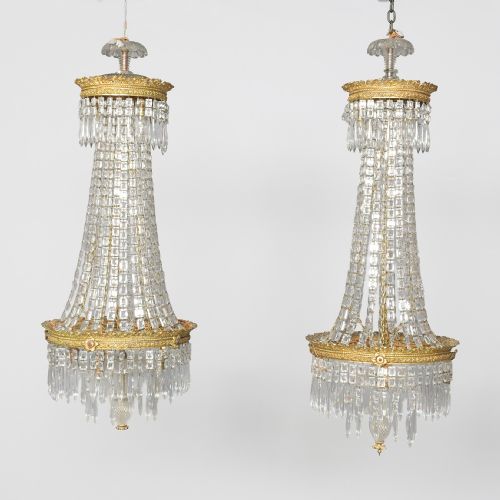
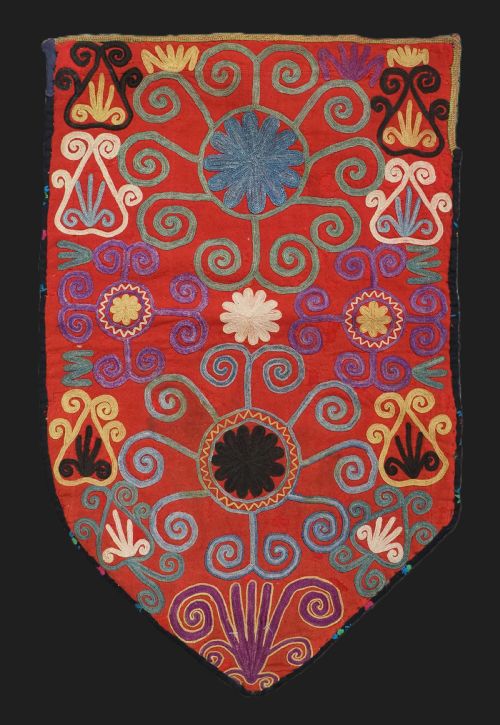
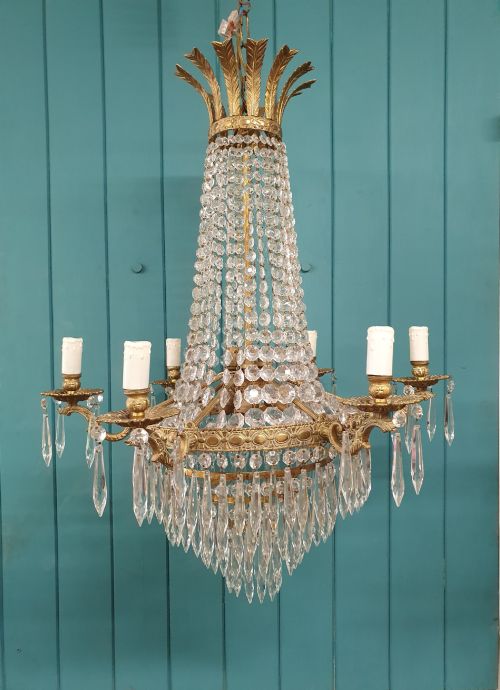
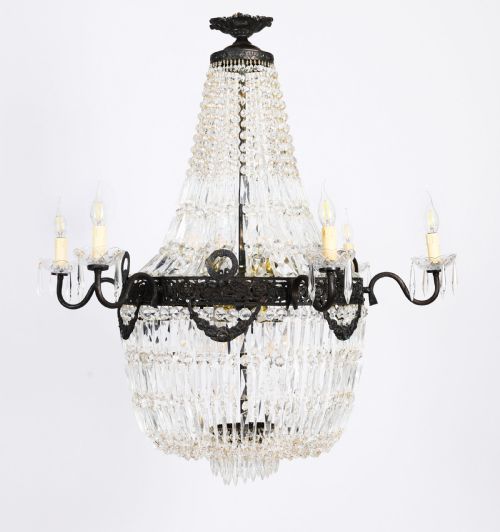
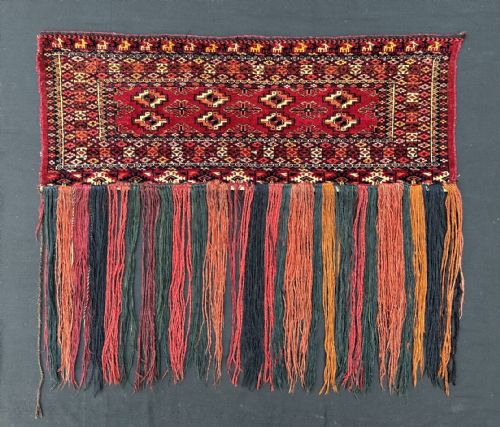
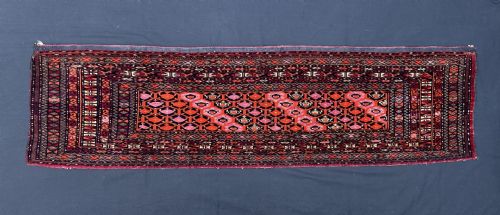
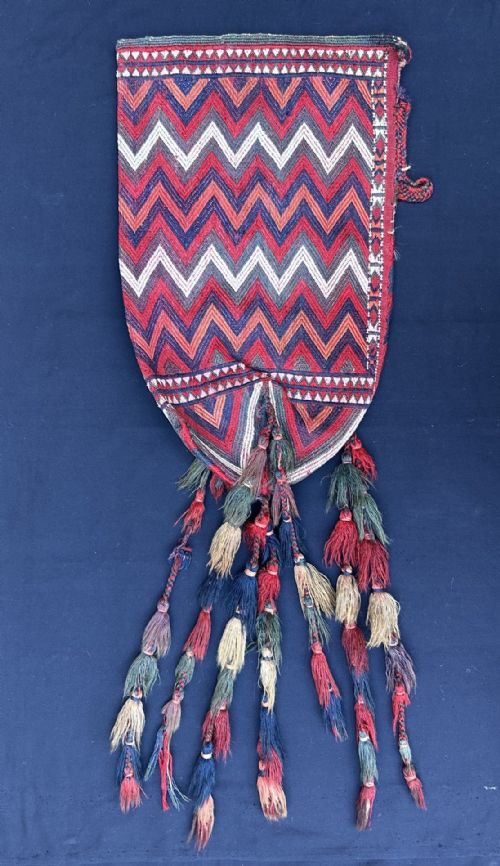
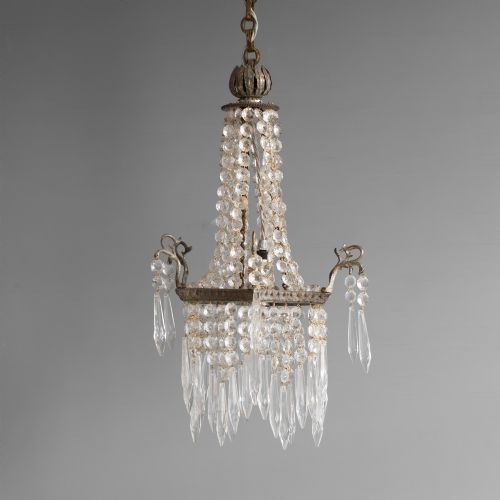
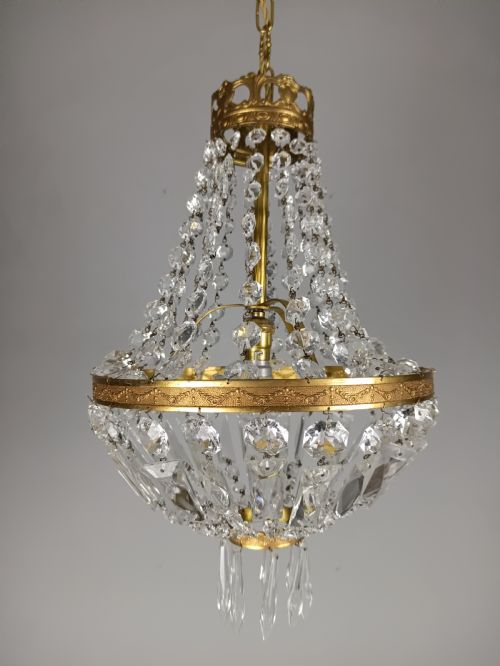
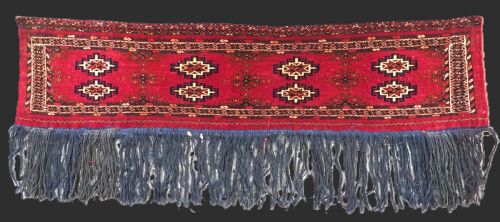
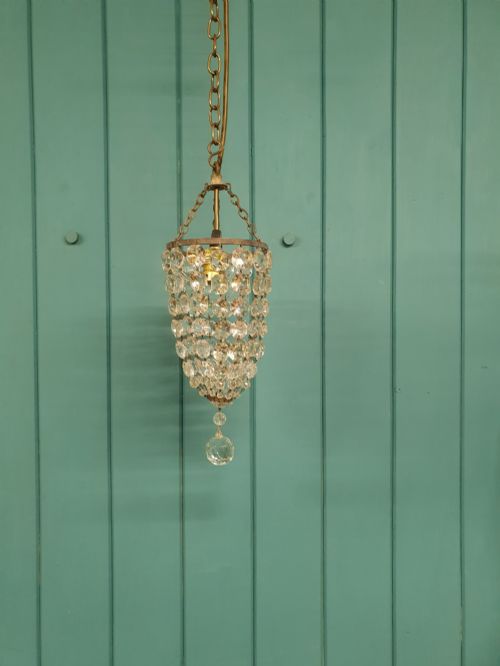
An antique tent bag encompasses both Central Asian nomadic tribal weavings and French lighting fixtures sharing a descriptive name. The tribal pieces include torba faces, chuvals, and uk bash tent-pole bags originating from regions like Turkmenistan and Central Asia. These items were woven by specific groups including the Yomut, Tekke, Ersari, and Saryk tribes, often utilising natural dyes and wool. You also encounter French cut glass crystal tent and bag chandeliers dating from the nineteenth and early twentieth centuries.
The nomadic examples served practical functions within portable dwellings, holding household goods or covering tent poles. Tribal pieces display distinct regional motifs such as kepse gul, schemle gul, and curled leaf designs on wool grounds. Conversely, the lighting fixtures bearing this term combine brass mounts with glass drops arranged in tent and bag configurations. These chandeliers reflect French Empire, Louis Revival, and chateau styles from periods spanning the eighteen-fifties to nineteen-thirties.
Materials and construction
Nomadic weavings rely on wool foundations enriched with natural dyes and occasional silk highlights. Artisans produced flat weaves and piled structures such as torbas and chuvals, sometimes incorporating backs and tassels. Uzbek Lakai tribe pieces utilise embroidery techniques on textile grounds.
Lighting examples combine brass frames with cut glass and crystal prisms. Components are assembled into tiered structures where upper tent sections transition down to bag-shaped lower drops, secured by metal mounts.
Nomadic weavers packed their worldly goods into these bags, while Parisian ballrooms hung remarkably similar silhouettes from the ceiling.
Variations in quality
In tribal weavings, quality is determined by the density of the weave, the clarity of the tribal guls, and the condition of the wool or silk. Pieces featuring scarce designs, complete backs, and well-preserved natural dyes represent the finer examples of nomadic textile art.
For chandeliers, quality rests on the precision of the cut glass prisms, the weight and casting of the brass or bronze mounts, and the structural integrity of the frame. Intricate leaf decorations and balanced proportions separate standard lighting fixtures from elaborate ballroom pieces.
The Antique Tent Bag Glossary
- Torba
- A small Turkmen bag used for storage inside a yurt. These wide, rectangular hangings were traditionally woven as part of a bride's dowry.
- Chuval
- A large Turkmen storage bag used by nomadic tribes for household possessions. They typically display multiple rows of guls.
- Gul
- A primary medallion motif found on Turkmen carpets and tent bags. Each tribal group utilised distinct repeating gul patterns.
- Uk Bash
- A cylindrical tent-pole bag used by Yomut tribes in Central Asia. These items covered the ends of wooden poles inside the dwelling.
- Cut Glass
- Glass shaped by grinding and polishing facets to refract light. This material forms the prominent drop elements on tent chandeliers.
Antique Tent Bag: Frequently Asked Questions
What is a tribal torba?
A torba is a small storage bag woven by Turkmen tribes for domestic use inside nomadic tents. They display intricate geometric gul designs and served practical storage functions within the household.
Many examples formed part of a bride's dowry and were hung against the lattice walls of a yurt. They combine wool foundations with traditional motifs unique to specific tribes.
How were tent-pole bags used?
Tent-pole bags, known as uk bash, were cylindrical textiles designed to cover the ends of wooden poles inside Central Asian dwellings. They protected the tent structure while adding decorative elements to the interior space.
Nomadic weavers produced these specific forms using wool and natural dyes, reflecting the artistic traditions of groups like the Yomut tribes.
How do I identify tribal designs?
Tribal designs are identified by recurring geometric motifs called guls, which indicate the specific weaving group or oasis origin. Yomut, Tekke, and Ersari tribes each utilised distinct patterns and colour palettes.
Examining the weave density, wool quality, and presence of natural dyes helps distinguish between different regional workshops and nineteenth-century production periods.