


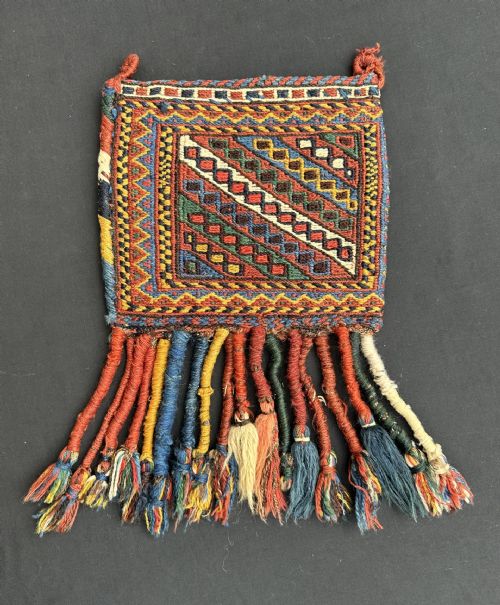


Antique Oriental Rug Bag
An antique oriental rug bag brings the geometric precision of nomadic weaving directly into a modern interior through portable textile containers made for daily camp life.
Antique Oriental Rug Bag
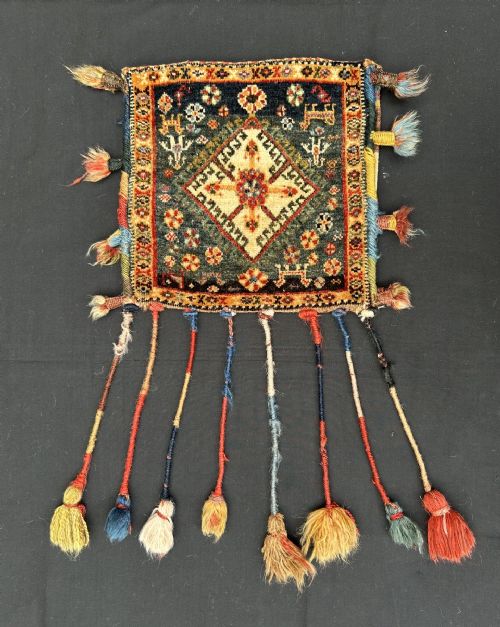
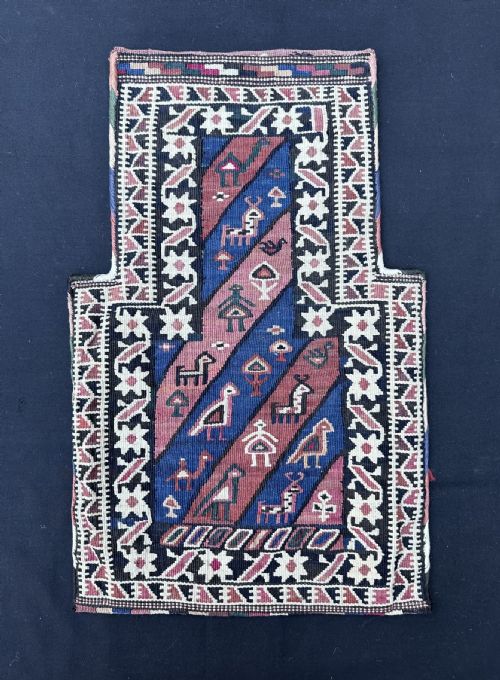
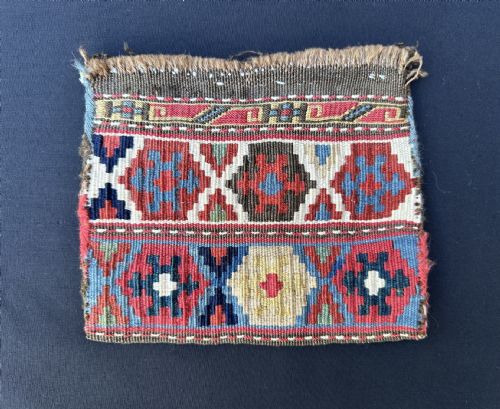
An antique oriental rug bag encompasses functional nomadic receptacles such as saddlebags, storage torbas, small salt bags, and vanity pouches created across Persia, Central Asia, and the Caucasus. These woven containers served practical roles in tribal households for transporting and storing possessions during seasonal migrations.
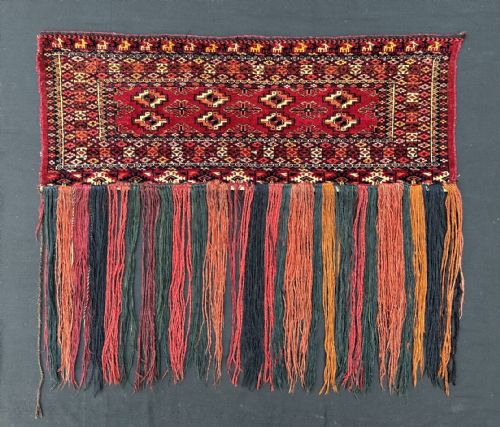
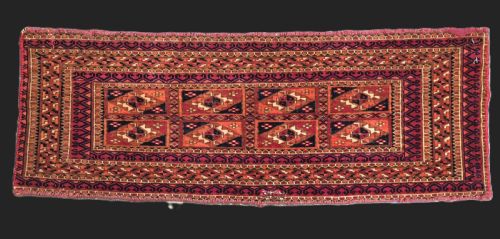
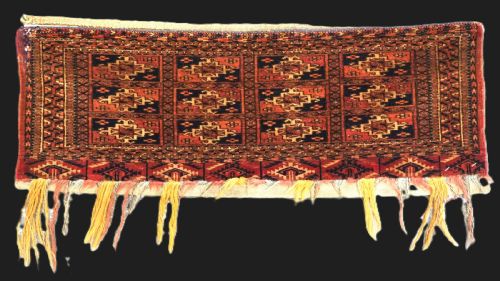
Buyers browsing this selection will frequently encounter complete torbas, bag faces, and half-saddlebags originating from tribal confederations like the Tekke, Yomut, Ersari, Shahsevan, and Qashqai. Many survive as isolated bag faces after the structural backing wore away from years of utilitarian handling.
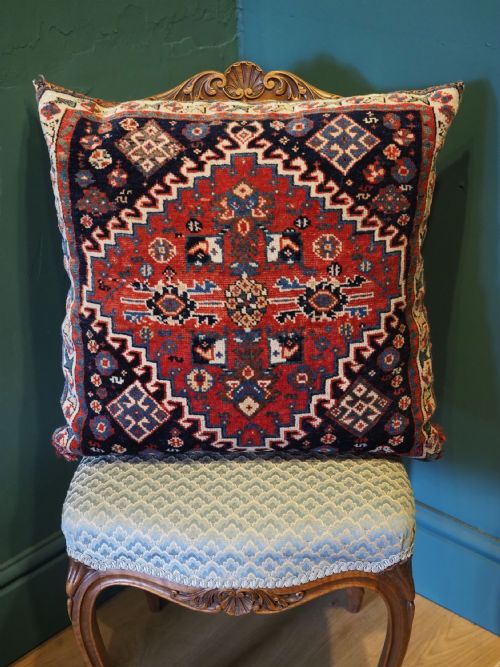
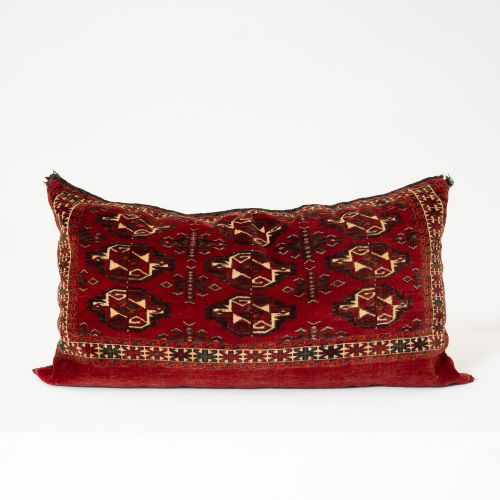
Dating across the nineteenth and early twentieth centuries, these textiles display distinct regional motifs ranging from repeated guls to intricate hooked medallions. They function equally well today as small floor rugs, cushion covers, or wall-mounted decorative pieces.
Assessing the Weaving
The distinction between standard examples and finer pieces rests upon the density of the knotting, the crispness of the tribal drawing, and the depth of the palette. Tighter knots allow intricate geometric details and secondary motifs to remain sharp and legible across the surface.
Condition and completeness elevate individual pieces, particularly when original plain-weave backs, hanging loops, or complete saddlebag pairings survive intact. The vibrancy and chemical stability of the natural dyes also dictate the overall visual impact of the textile.
Current listings feature nomadic weavings from 1850 to 1930, utilising hand-spun wool and natural dyes across Persia, Turkmenistan, and Azerbaijan.
The Antique Oriental Rug Bag Glossary
- Torba
- A small Turkmen storage bag traditionally used within the tent for household possessions. These pieces usually feature a wide horizontal format and specific tribal gul patterns.
- Chuval
- A large Turkmen tent bag designed for storing bedding and heavy garments. They frequently display multiple rows of primary guls.
- Khorjin
- A traditional double-sided saddlebag used for transport on pack animals during nomadic migrations. The two pouches joined by a central slit were often separated over time.
- Gul
- A repeated primary medallion or octagonal design element used distinctively by Central Asian tribes to denote lineage and origin. Different tribal groups employed specific variations of these motifs.
- Sumac
- A warp-wrapping flatweave technique that creates a textured, durable surface without pile. Shahsevan weavers utilised this method extensively on storage containers and transport bags.
Antique Oriental Rug Bag: Frequently Asked Questions
How were these bags used originally?
Nomadic groups loaded these woven containers onto camels and horses to carry personal items, salt, or household goods during seasonal migrations.
Inside the tent, they served as decorative storage receptacles for bedding, clothing, and domestic valuables.
How can I display a bag face at home?
Many collectors mount complete bag faces or partial panels directly onto fabric-backed walls to showcase the intricate tribal geometry as flat art.
Alternatively, surviving bag faces are frequently converted into small floor cushions, displayed on low tables, or used as compact accent rugs.
How do I identify different tribal origins?
Tribal attribution relies on specific design elements such as the octagonal guls of Tekke and Yomut weavers or the sumac weave of the Shahsevan.
Regional colour palettes and border structures also provide clear indicators of whether a piece originated in Persia, Central Asia, or the Caucasus.