



Antique Chinese Pottery Vase
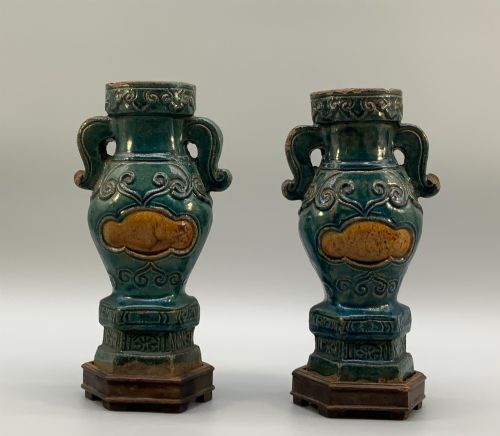
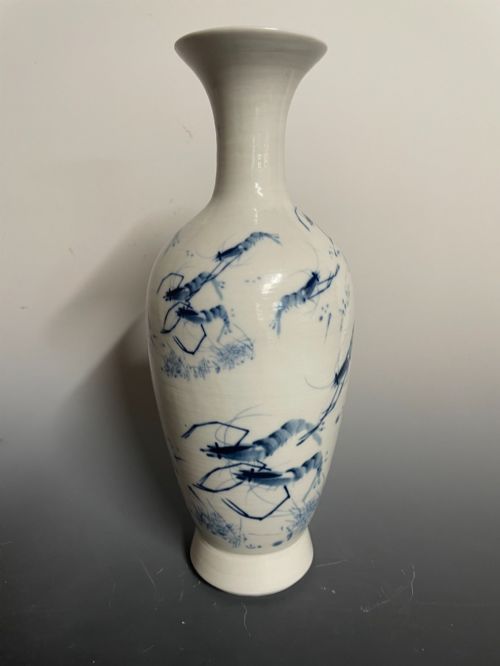
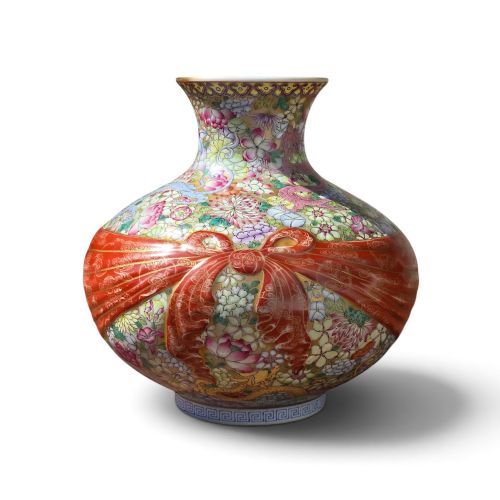
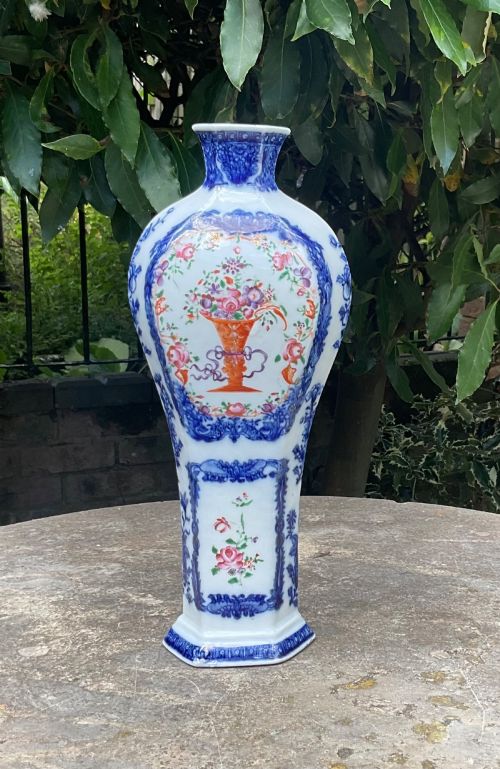
These antique chinese pottery vase pieces bring centuries of kiln mastery into your home through forms ranging from stout jars to slender garlic-mouth vessels.
Antique Chinese Pottery Vase
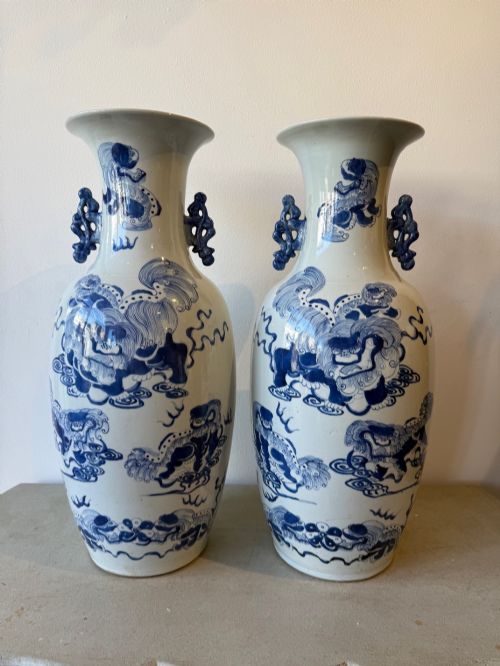
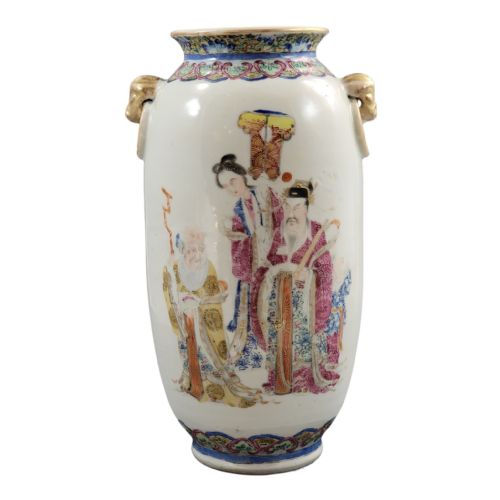
An antique chinese pottery vase encompasses ceramic vessels originating from dynasties and periods spanning the Neolithic era through the Republic period. You will frequently encounter nineteenth-century porcelain and earthenware iterations displaying blue and white underglaze or famille rose enamels.
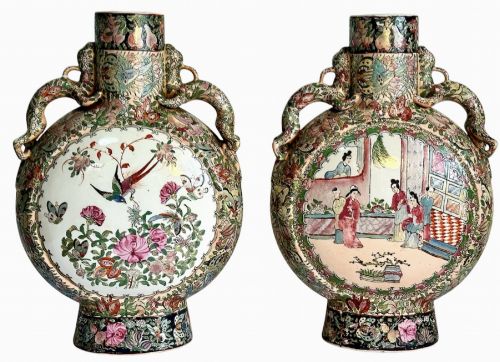
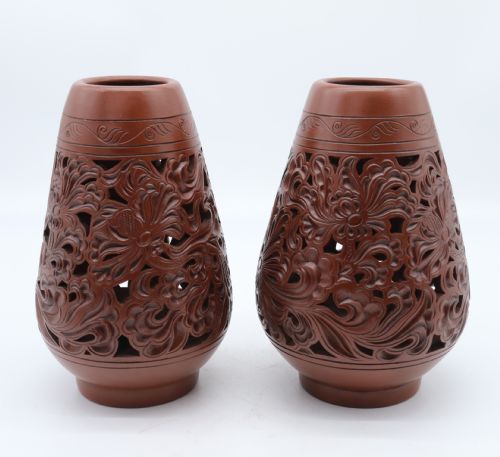
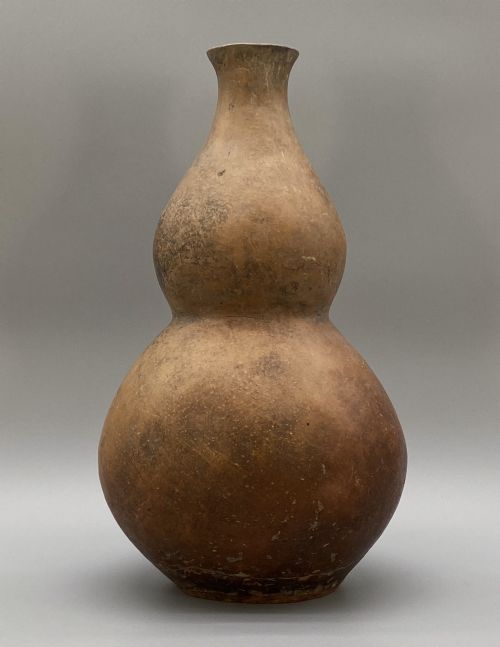
Forms vary widely from monumental double-gourd silhouettes and moon flasks to modest ginger jars and gu-shaped beakers. Many pieces carry stylistic traits associated with the Qing dynasty or earlier Ming traditions, including transitional wucai and monochrome glazes.
Makers utilised diverse regional kilns, producing everything from utilitarian earthenware to imperial-grade porcelain designed for scholarly pursuits or court display. The selection includes domestic wares alongside export pieces tailored for western interiors.
Materials and methods
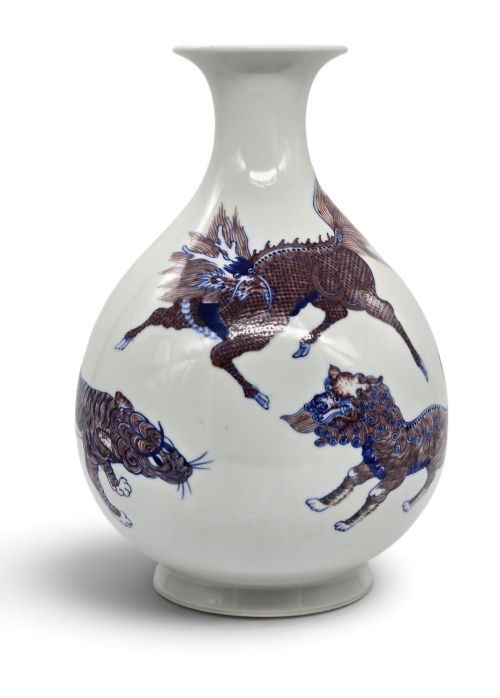
Potters combined local clays, petuntse and kaolin to form the body of each vessel before shaping it by hand or on a potter's wheel. Kiln workers applied mineral pigments such as cobalt for underglaze blue or copper-red before firing the piece at high temperatures.
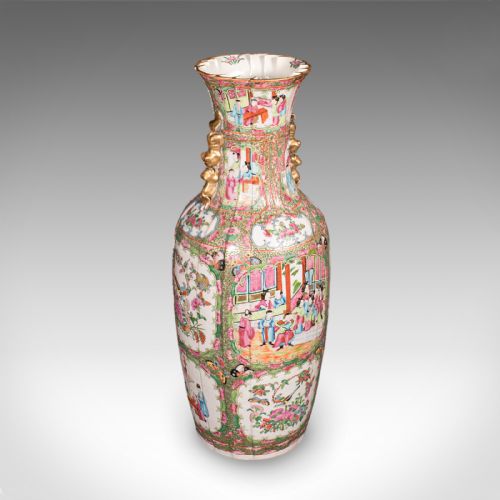
Overglaze enamels including famille rose, famille verte and doucai were painted onto already-fired porcelain surfaces and fixed during a subsequent, cooler kiln session. Glazes such as celadon, tea dust and crackleware developed their distinct textures through specific chemical interactions and cooling processes within the kiln.
Listings feature vessels spanning multiple centuries, from Neolithic earthenware to Victorian export porcelain.
Assessing quality
Quality rests upon the precision of the throwing, the refinement of the clay body and the clarity of the painted or enameled decoration. Master painters executed brushwork with fluid confidence, whereas lesser pieces display stiff or formulaic linework.
The purity of the glaze and the success of the kiln atmosphere dictate visual depth, separating routine commercial output from pieces intended for elite patronage.
Gao Hengsheng
The Antique Chinese Pottery Vase Glossary
- Famille rose
- A palette of opaque overglaze enamels dominated by pink or rose colours, introduced during the Qing dynasty. It allowed artists to achieve subtle tonal gradations in floral and figural scenes.
- Underglaze blue
- A decoration method utilising cobalt oxide painted directly onto the unglazed clay body before applying a clear glaze and firing. The pigment fuses into the ceramic surface during the high-temperature burn.
- Doucai
- A decorative technique combining underglaze blue outlines with overglaze polychrome enamels. The cobalt containment lines are filled in with vibrant colours after the initial glaze firing.
- Crackelware
- A ceramic finish intentionally patterned with a network of fine fissures in the glaze. This effect results from differential shrinkage rates between the body and the vitreous coating during cooling.
Antique Chinese Pottery Vase: Frequently Asked Questions
How do I date an antique chinese pottery vase?
Dating relies on combining stylistic evidence such as reign marks, palette types, potting techniques and crackle patterns with known historical periods. Comparing the clay body and base characteristics against documented pieces from dynasties like the Qing or Ming provides further context.
Changes in pigment chemistry and painting styles across centuries also help narrow the timeframe of manufacture. Expert consultation is often necessary to distinguish period pieces from later revivals.
How were these vases used historically?
These vessels served diverse functions ranging from utilitarian storage jars to ritual objects and decorative centrepieces in scholar's studios and imperial halls. Specific forms like brush pots were designed for holding writing implements, while large baluster jars adorned grand reception rooms.
Export pieces were frequently repurposed in European interiors, and many nineteenth-century examples were later converted into table lamps.
What do reign marks on the base mean?
Reign marks identify the ruling emperor during whose reign the piece was produced, serving as an expression of imperial patronage or respect. However, apocryphal marks naming earlier emperors like Kangxi or Qianlong were commonly added by later kilns in tribute.
Reading a mark requires examining the script style, framing characters and integration with the glaze rather than relying on the text alone.
How should I care for an antique vase?
Display the vessel away from direct sunlight and dramatic temperature fluctuations to protect fragile enamels and glazes. Dust gently with a dry, soft microfibre cloth and avoid using chemical cleaners or water.
Ensure the vase rests on a stable, level surface, using a museum wax or a fitted wooden stand if the base is uneven or rounded.