







Antique Chinese Plant Stand
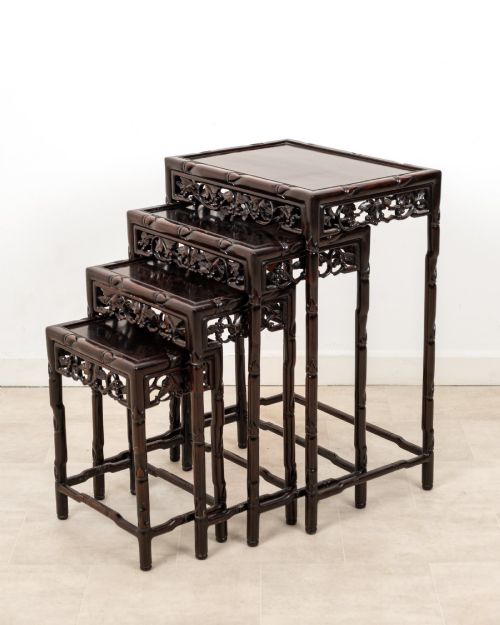
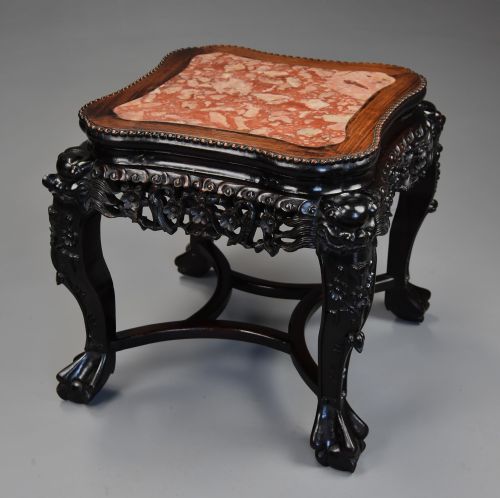
An antique chinese plant stand raises porcelain vessels and bronzes into the light, bringing carved timber and inset stone to a room.
Antique Chinese Plant Stand
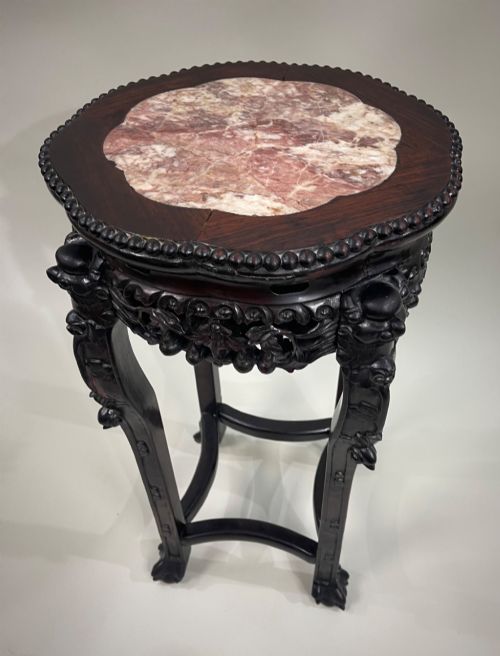
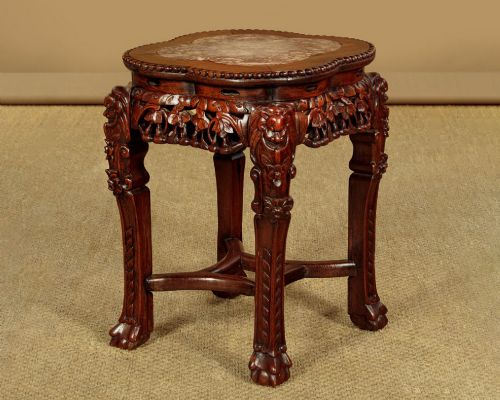
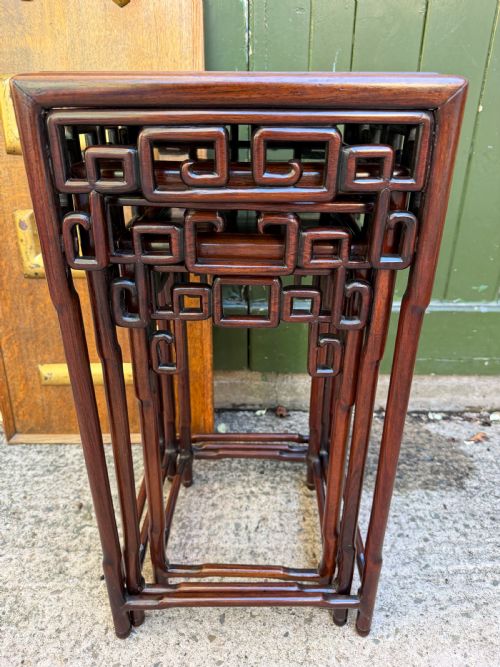
An antique chinese plant stand takes many forms across the selection, including low jardiniere stands, tall pedestal tables, and barrel stools designed to elevate heavy pots. Most examples on this page date from the nineteenth century and the early twentieth century, spanning the late Qing Dynasty through to the Victorian and Edwardian eras.
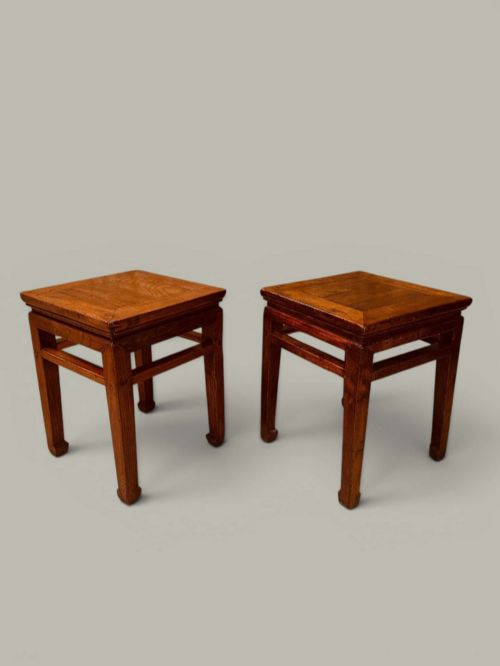
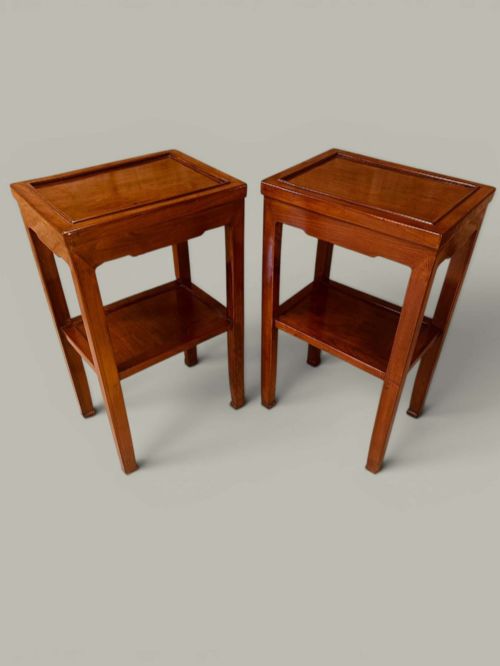
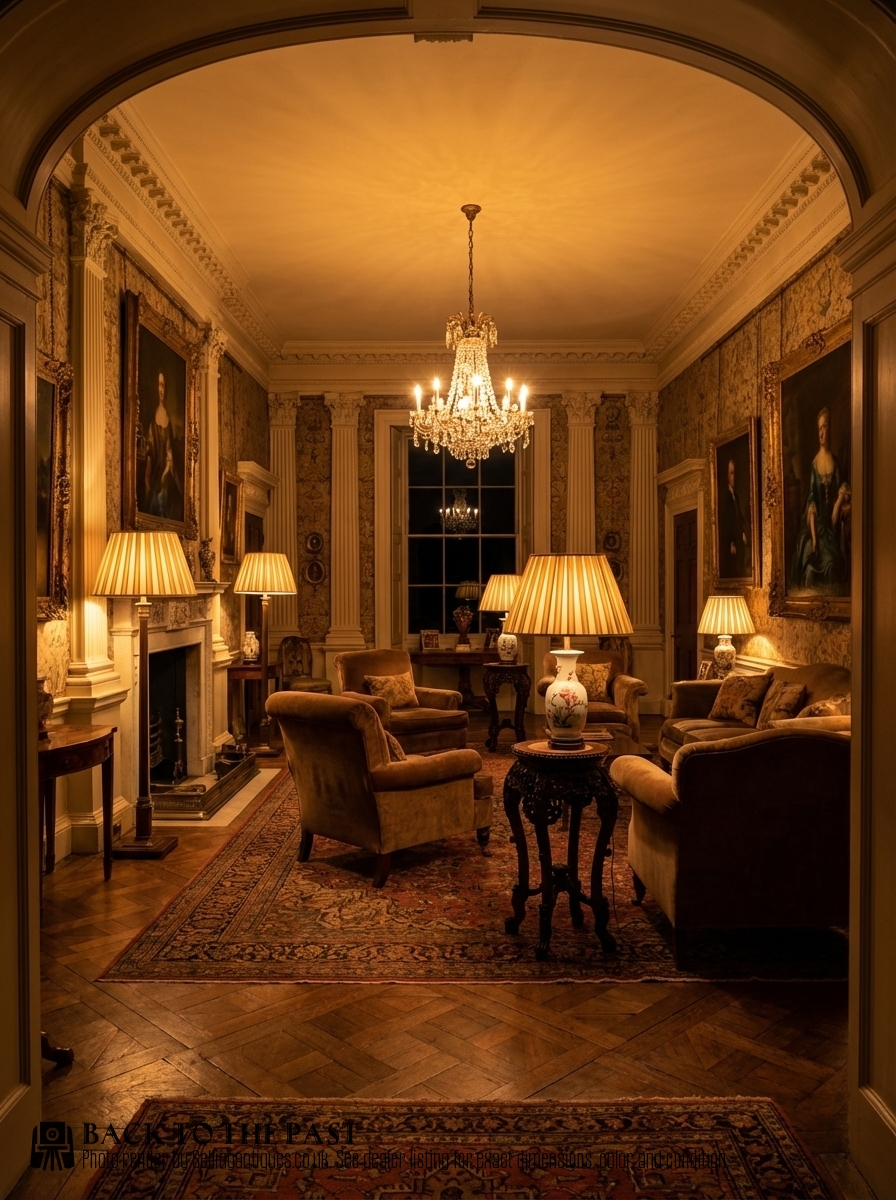
Makers produced these tables to serve multiple functions in domestic interiors, operating equally well as side tables, occasional tables, or lamp stands. The forms range from square and rectangular low tables to round torchères and rootwood designs with inset stone tops.
Materials and Construction
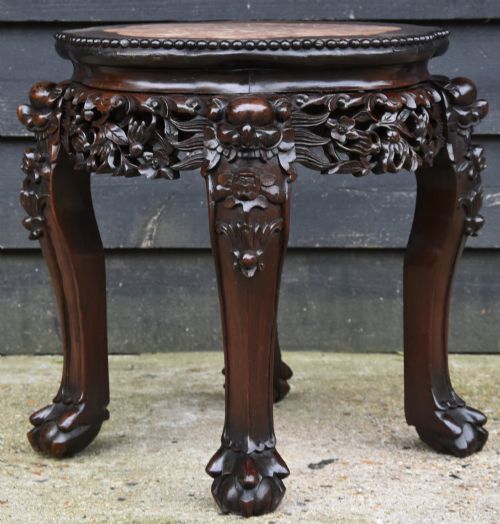
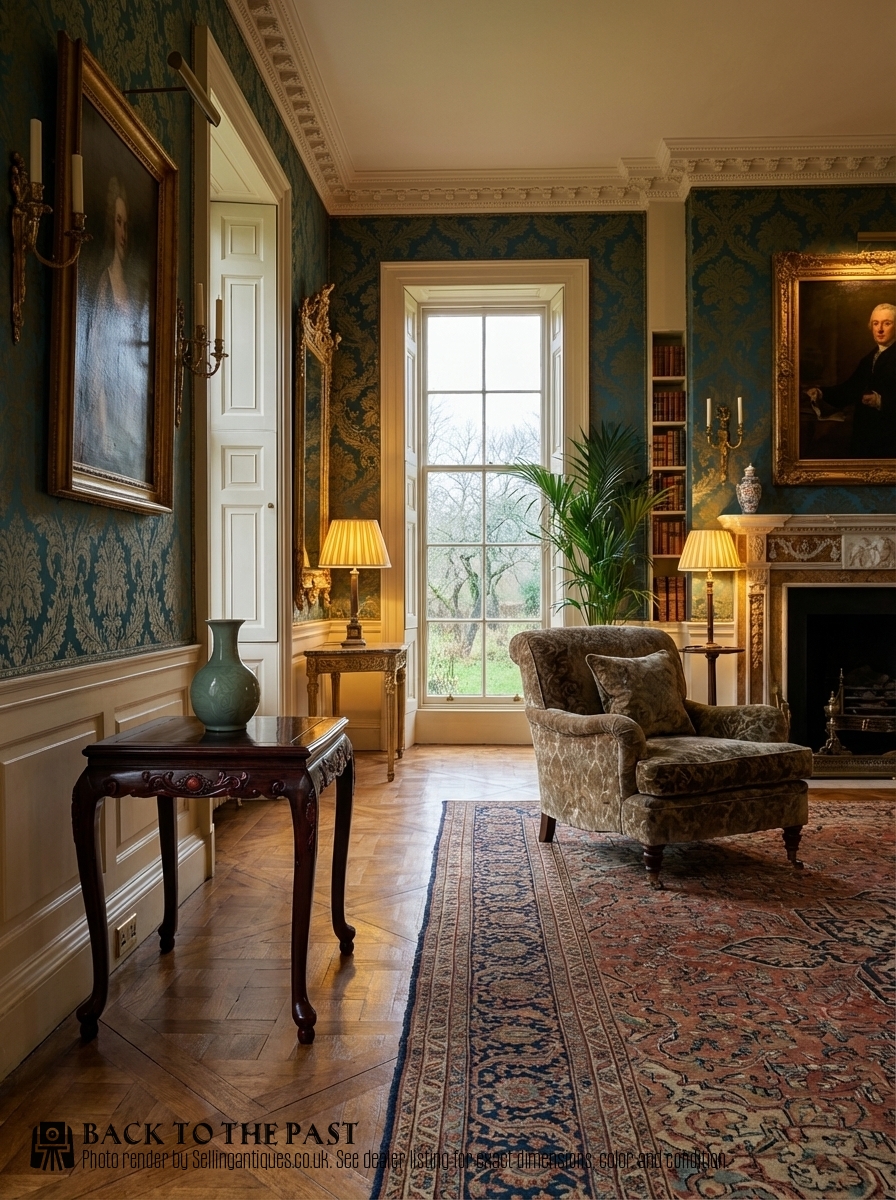
Carpenters utilised dense Asian timbers such as rosewood, padouk, and hongmu, selecting heavy tropical hardwoods capable of supporting considerable weight without bowing. These woods were frequently carved with deep relief motifs showing flora and fauna before receiving hand-rubbed finishes.
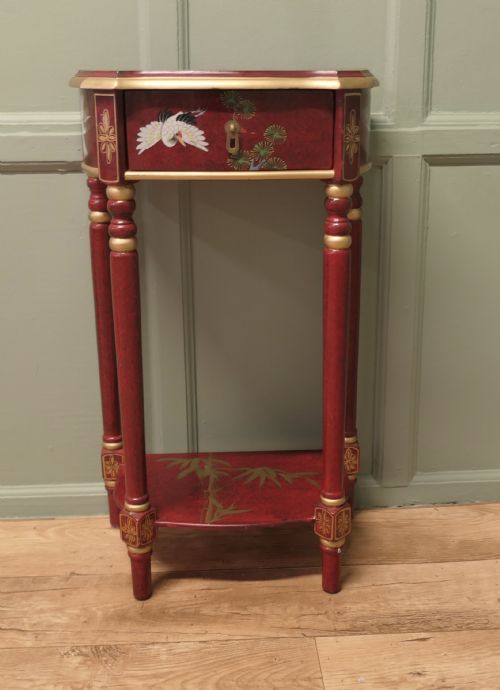
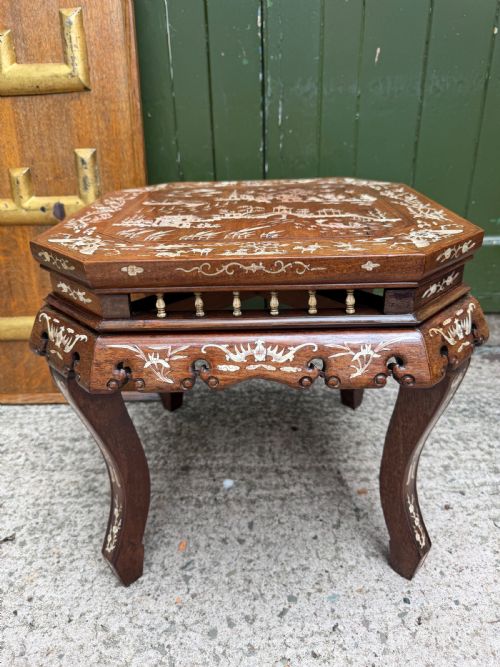
Many surfaces incorporate inset panels of variegated rouge marble, quartz, or burr wood to provide a cool, flat resting place for ceramic planters. Additional decorative elements include mother of pearl inlay, lacquer work, and cloisonné enamel detailing.
Antique Chinese Plant Stand Retail Price Guide 2026
Typical asking prices for chinese plant stand among the pieces listed under this phrase on Sellingantiques today, from the lower quarter to the upper quarter. They describe what is for sale here now, not the wider market.
The listings on this page span the nineteenth and early twentieth centuries, featuring nineteenth-century, Victorian, and Edwardian periods.
Craftsmanship and Proportion
The standard of carving dictates the grade of a piece, separating deep, crisp vegetal motifs undercut by hand from shallow, mechanical impressions. Heavier hardwoods and intact, tightly fitted marble inserts likewise elevate the standing of a table.
Proportion and structural integrity define the better examples, where legs meet aprons through precise joinery rather than visible metal fasteners. Matched pairs and unusual rootwood formations also alter the desirability among collectors.
The Antique Chinese Plant Stand Glossary
- Hongmu
- A category of dense, dark red-black Chinese hardwood prized for furniture. It translates literally as red wood and takes a fine polish without requiring stain.
- Jardiniere
- A large ornamental pot or container for plants, usually ceramic or metal. The stands listed here were specifically built to elevate these heavy vessels.
- Torchère
- A tall standing pedestal or table designed to hold a light source or a tall floral arrangement. The form provides vertical accent in a room.
- Padouk
- A heavy, durable tropical hardwood with a reddish hue when freshly cut that darkens with age. It offers exceptional stability for carved stands.
- Cloisonné
- An enamelwork technique where thin metal wire creates compartments on a metal base before being filled with paste and fired. It appears on select table tops and associated vessels.
Antique Chinese Plant Stand: Frequently Asked Questions
What is an antique chinese plant stand?
These pieces are small, decorative tables built to elevate planters, vases, and ornaments off the floor. They display dense hardwoods and often feature inset stone tops.
Carpenters constructed them in various heights, from low floor-level stands to tall pedestals, utilising traditional joinery and deep relief carving.
How were they used originally?
Households placed them in reception rooms and courtyards to display prized potted plants, miniature trees, and heavy ceramic jardinières. Raising the vessels protected floors from moisture and showcased the specimens at eye level.
Over time, owners also used them to hold lamps, small sculptures, and tea trays during social gatherings.
Where should I place one at home?
A low stand functions well beside a seating area to hold a table lamp or a small ceramic bowl. Taller torchères and pedestal tables suit corners and empty wall spaces where a vertical element is needed.
Keep them away from direct heat sources and strong sunlight to protect the natural finish of the hardwood and prevent the timber from drying out.
How do I care for the marble top?
Wipe the stone surface regularly with a soft, damp cloth to remove dust and prevent grit from scratching the polish. Avoid using acidic cleaners or harsh chemicals that can etch the marble.
Applying a neutral stone wax occasionally helps maintain the lustre and protects the surface from accidental moisture rings.
What is the difference between a pot stand and a jardiniere stand?
A pot stand generally refers to any small platform designed to elevate a single potted plant, varying in height and shape. A jardiniere stand specifically supports a large, often heavy ornamental plant container.
Both terms frequently overlap in nineteenth-century inventory descriptions, denoting sturdy construction and water-resistant top surfaces.