

Antique Chinese Ceramics
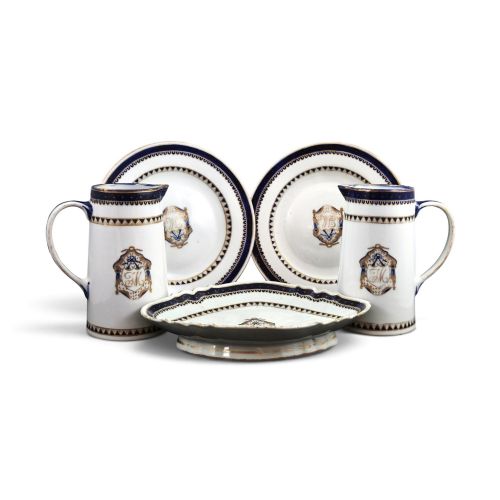
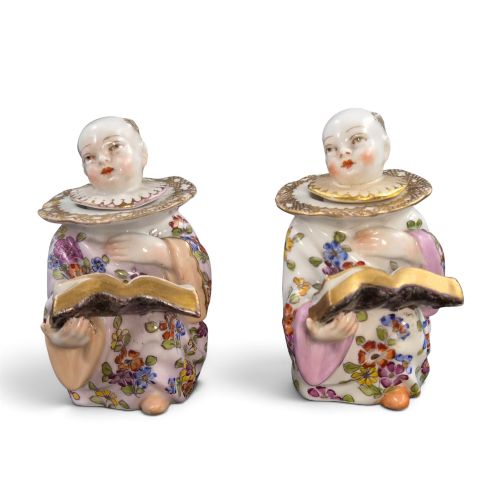
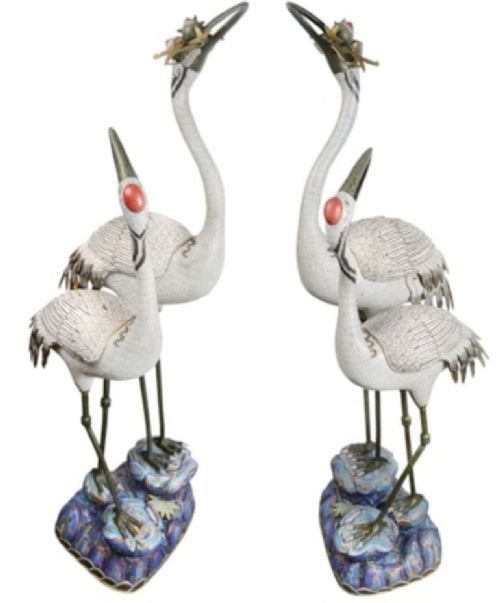
These antique chinese ceramics span centuries of kilncraft, offering collectors everything from robust provincial earthenware to delicate imperial porcelain painted in cobalt blue and vibrant enamel palettes.
Antique Chinese Ceramics
When you search for antique chinese ceramics, you encounter a vast array of vessels, jars, plates, and scholarly objects created for domestic use, export, and the imperial court. The selections available typically range from utilitarian earthenware of early dynasties to refined porcelain chargers and vases from the Ming and Qing periods.
Vessels take many forms, including ginger jars, brush pots, stem cups, and large decorative bowls. Pieces span multiple centuries, with substantial representation from the Kangxi reign, the broader 18th century, and later 19th-century productions such as Canton and Guangxu wares.
How they were made
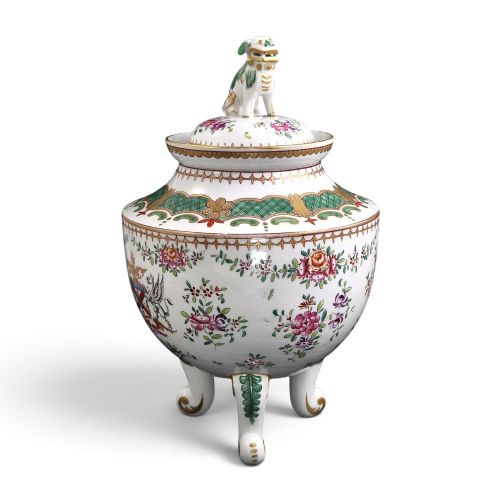
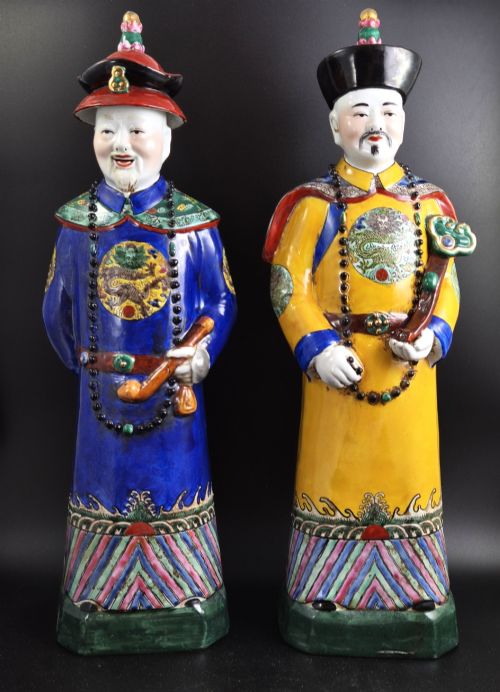
Potters relied on fine white porcelain clay bodies combined with mineral pigments like cobalt for underglaze painting, alongside rich overglaze enamel palettes including famille rose and iron-red. Vessels were shaped on the wheel or moulded, then glazed and fired at high temperatures in regional kilns.
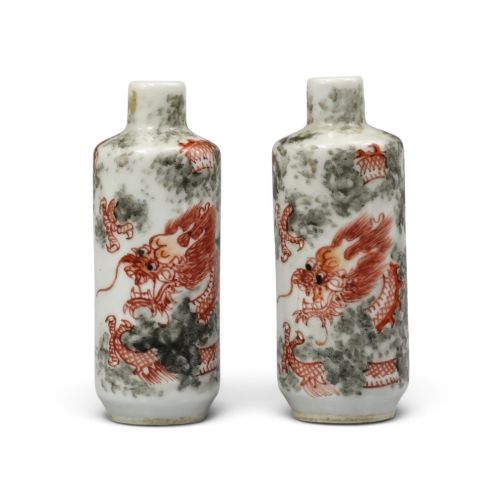
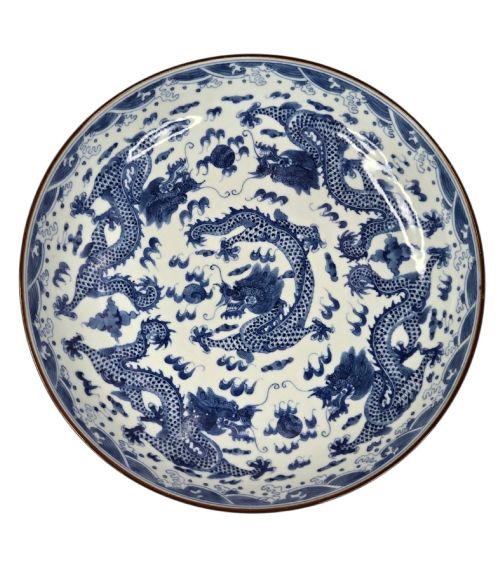
Specialised techniques involved meticulous hand-painting of intricate motifs such as dragons, floral sprays, and figural scenes, sometimes complemented by carved relief work or applied gold leaf and bronze mounts.
Antique Chinese Ceramics Retail Price Guide 2026
Typical asking prices for chinese ceramics among the pieces listed under this phrase on Sellingantiques today, from the lower quarter to the upper quarter. They describe what is for sale here now, not the wider market.
Current listings span from Han and Tang dynasty earthenware up to early Republic period porcelain, encompassing both blue and white and enamelled palettes.
What varies in quality
Quality rests upon the precision of the throwing, the refinement of the clay body, and the clarity of the painted decoration. Master potters achieved balanced proportions and fluid, confident brushwork that distinguishes imperial or high-status commissions from mass-produced export wares.
The purity of the glaze, whether a deep cobalt underglaze, an even celadon, or a vibrant famille rose enamel, dictates visual depth. Surface preservation and the crispness of moulded details further separate standard decorative items from exceptional examples.
Edmé Samson·Samson Paris
The Antique Chinese Ceramics Glossary
- Famille rose
- A palette of opaque overglaze enamel colours dominated by pink or rose tones, introduced during the Qing dynasty. It allowed for subtle gradations of shading on floral and figural designs.
- Kangxi period
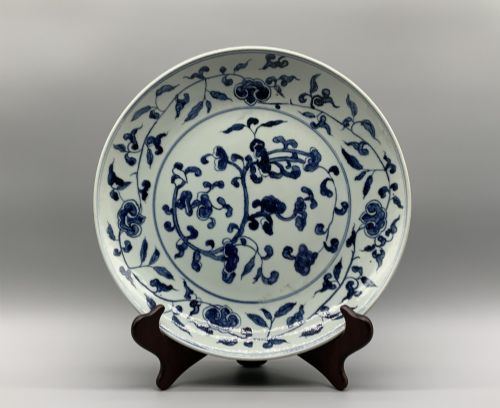
- The reign of the Kangxi Emperor lasting from 1662 to 1722, celebrated for technical excellence in porcelain production. Blue and white wares from this era are particularly sought after for their vivid cobalt tones.
- Celadon
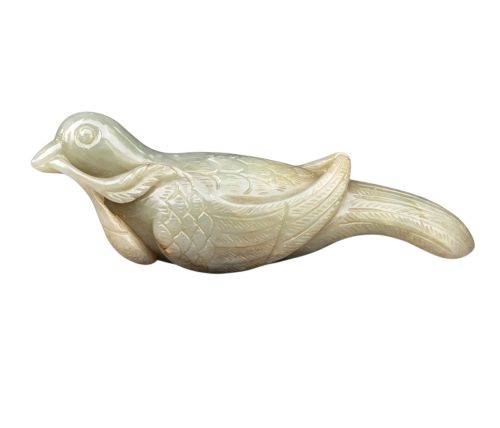
- A term for pottery featuring a pale green or grey-green translucent glaze that imitates jade. This ancient finish relies on iron oxides reacting within a reduction firing.
- Bitong
- A cylindrical brush pot used by scholars to hold writing brushes on a desk. These vessels were carved from porcelain, bamboo, or jade.
- Canton bowl
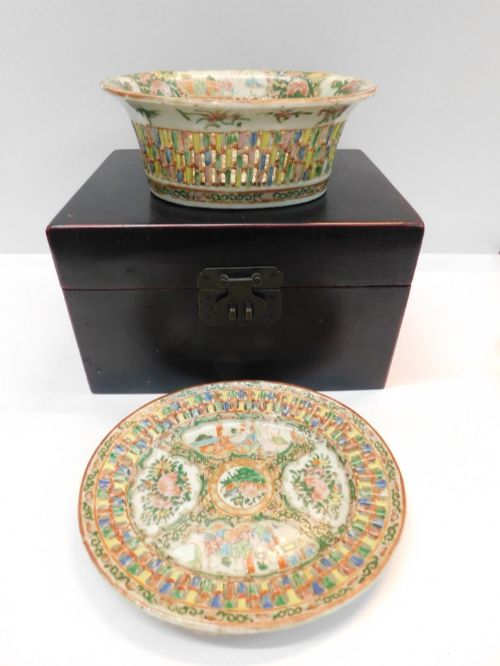
- A type of heavily decorated porcelain bowl originating from the port city of Canton during the 19th century. They feature segmented panels filled with figures, birds, and butterflies amid dense foliage.
Antique Chinese Ceramics: Frequently Asked Questions
How do I identify a Kangxi period piece?
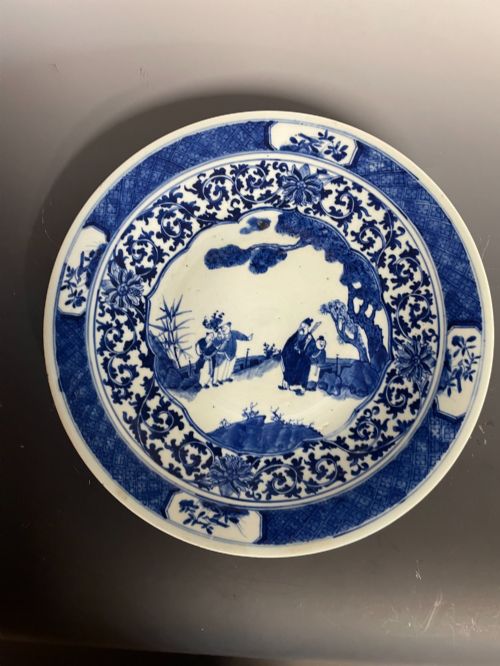
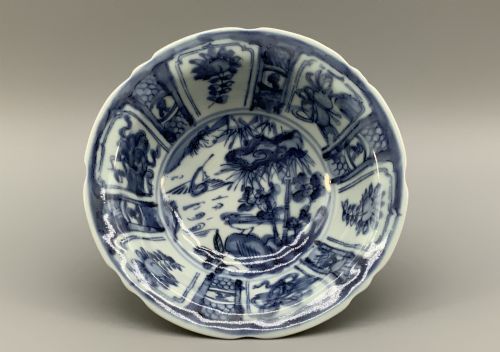
Look for crisp cobalt blue painting under a clear glaze, often featuring landscapes, scholarly figures, or intricate floral borders. The foot rims on these pieces are typically finely finished and smooth to the touch.
Examine the overall weight and proportion, as Kangxi porcelain balances substantial durability with refined elegance. Reign marks can provide guidance, though many quality pieces carry apocryphal marks or simple symbols rather than imperial titles.
What is the difference between export and domestic wares?
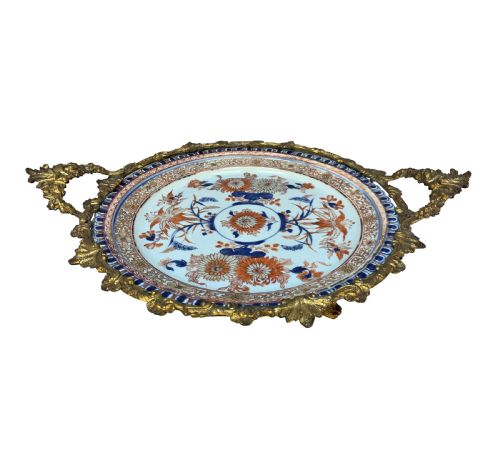
Export wares were specifically manufactured for Western markets, frequently incorporating European shapes, armorial crests, or adaptations of local tastes like Chinese Imari and Chinoiserie. Domestic or imperial items adhered strictly to traditional Chinese aesthetic standards and cosmological motifs.
Scholar's objects and imperial pieces display a distinct focus on utility for the literate elite, such as brush pots and water vessels. Export items often prioritise decorative exuberance designed to appeal to foreign buyers.
How should I care for antique porcelain?
Display vessels away from direct sunlight and areas subject to sudden temperature fluctuations to protect surface enamels and glazes. Dust gently with a soft, dry brush and avoid chemical cleaning agents.
When moving pieces, support them from the base rather than by delicate handles, rims, or applied mounts. Stable shelving prevents accidental knocks to heavier chargers and vases.
What distinguishes famille rose from earlier enamels?
Famille rose introduced an opaque pink enamel derived from colloidal gold, which replaced the transparent green-dominated palettes of earlier periods. This chemical innovation permitted artists to blend colours and render delicate facial expressions and floral petals with realistic shading.
The technique gained prominence in the 18th century and continued through the 19th century on plates, vases, and large punch bowls. It marks a clear departure from standard blue and white underglaze decoration.