
Antique Ceramic Pot
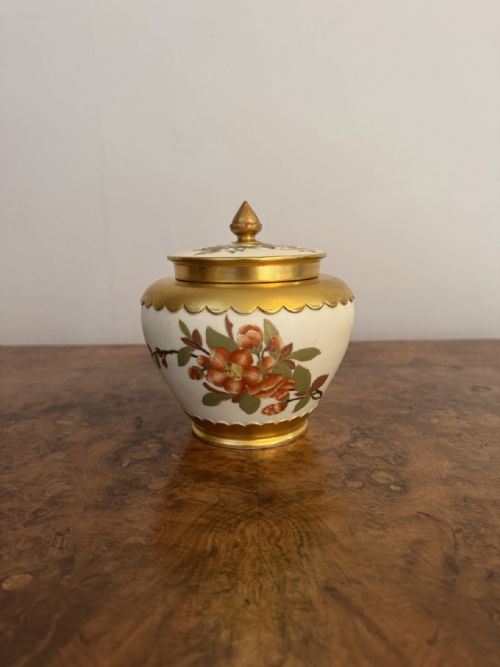
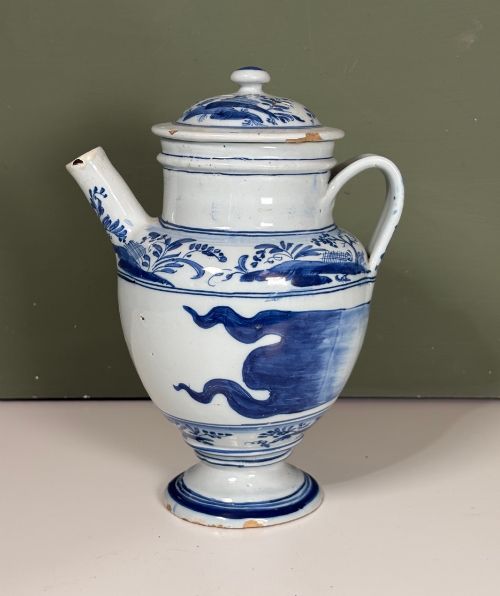
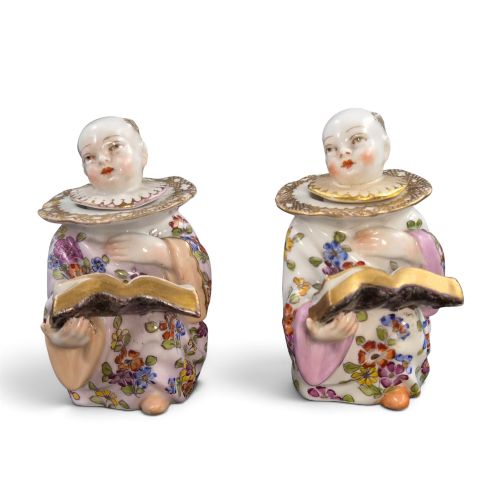
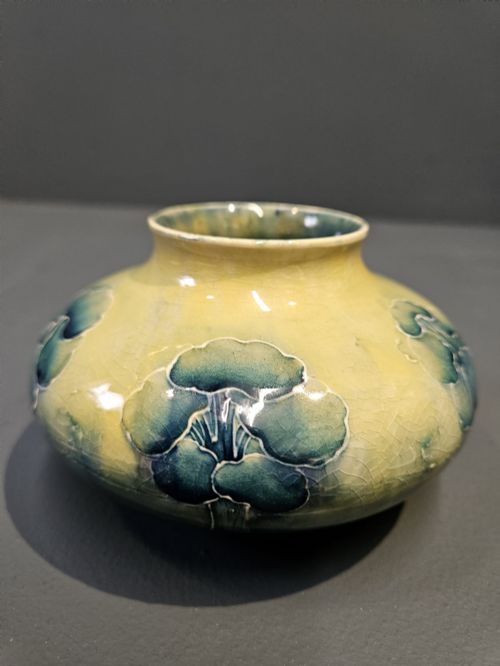
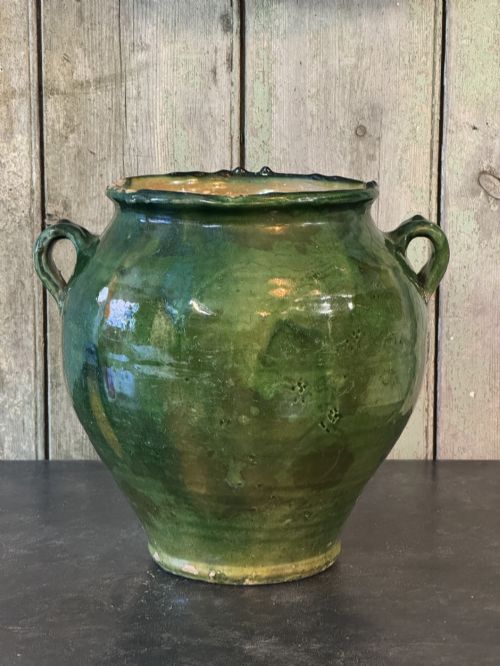
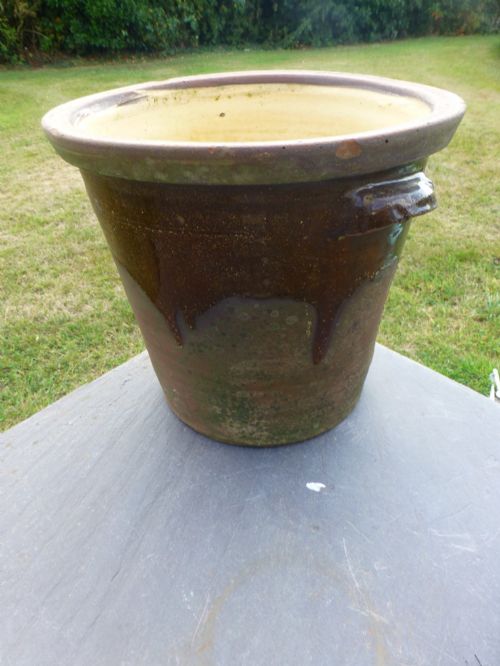
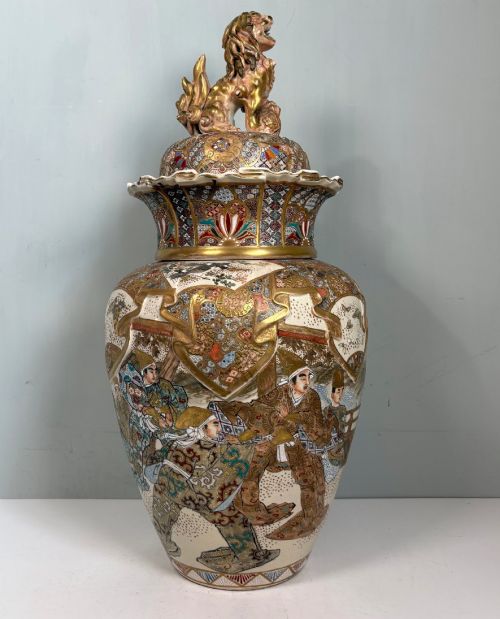
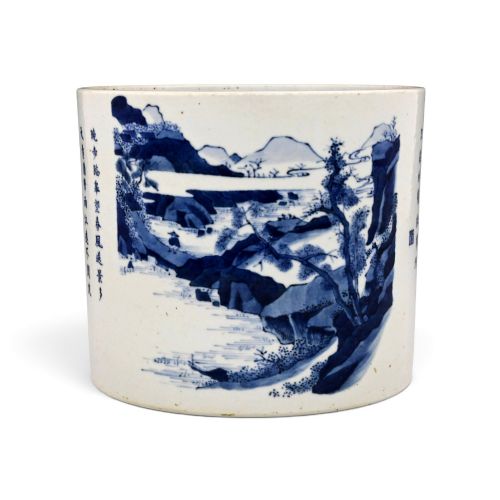
These antique ceramic pot listings bring together apothecary jars, jardinières and vases in earthenware, stoneware and porcelain.
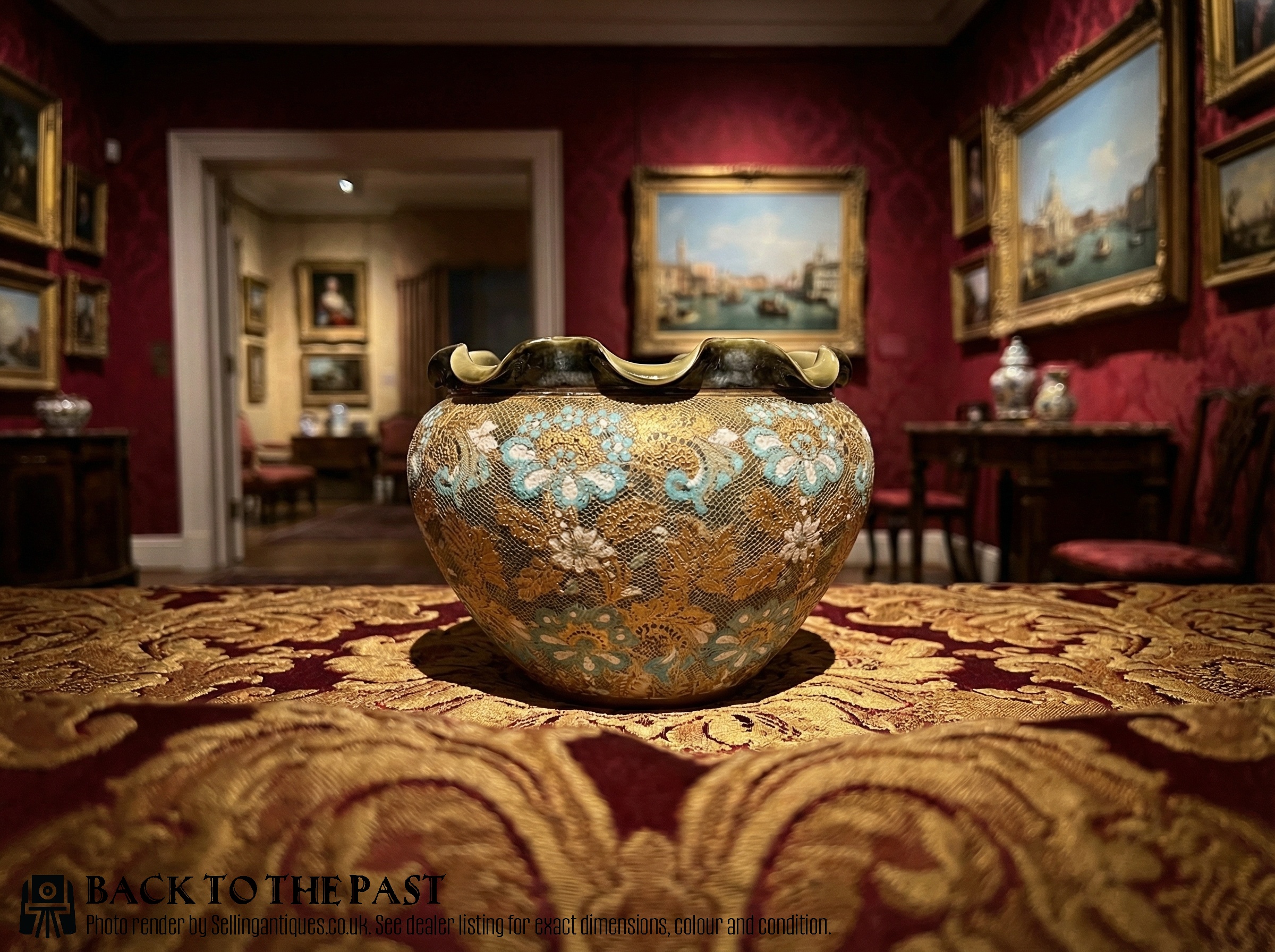
What They Are
An antique ceramic pot spans functional apothecary jars, decorative vases and large planters created across the nineteenth and early twentieth centuries. These vessels draw from English factories such as Royal Worcester and Doulton Burslem alongside Japanese export workshops.
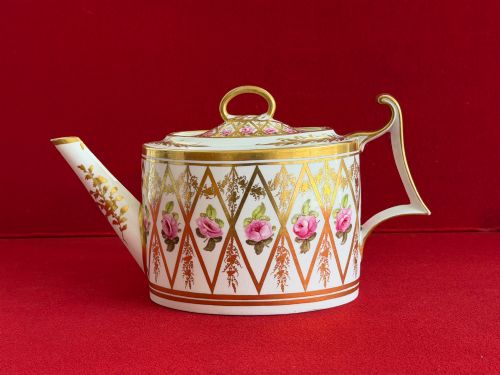
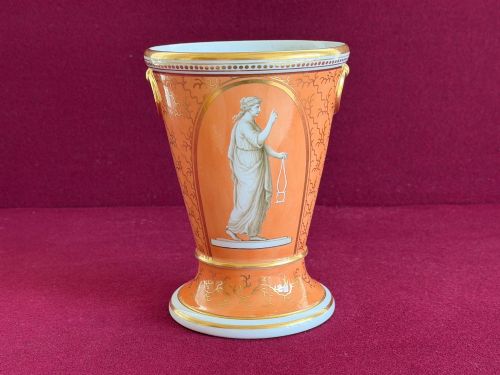
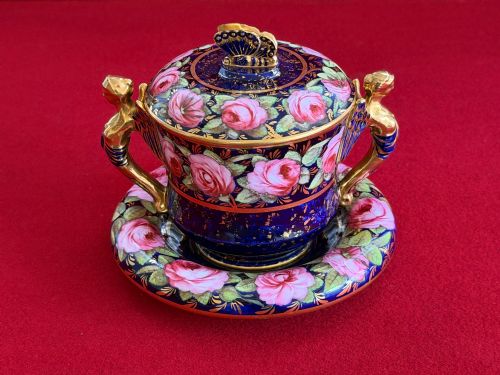
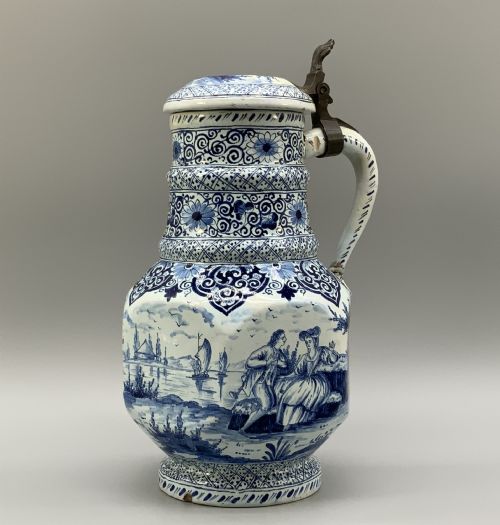
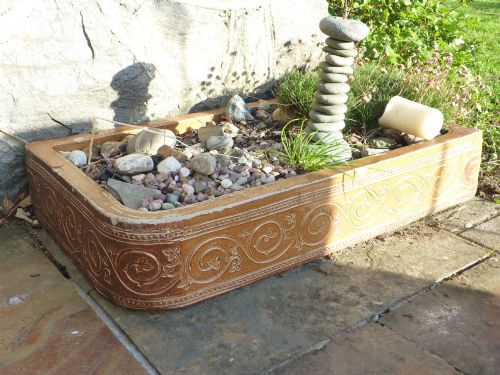
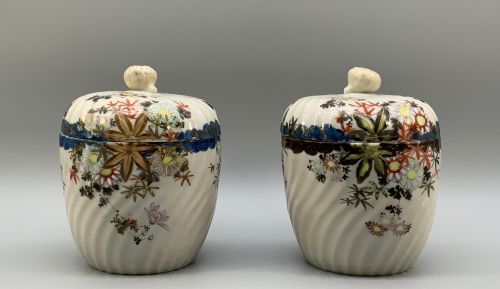
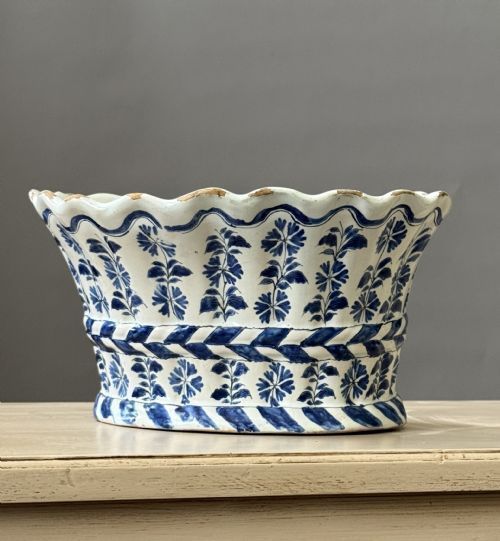
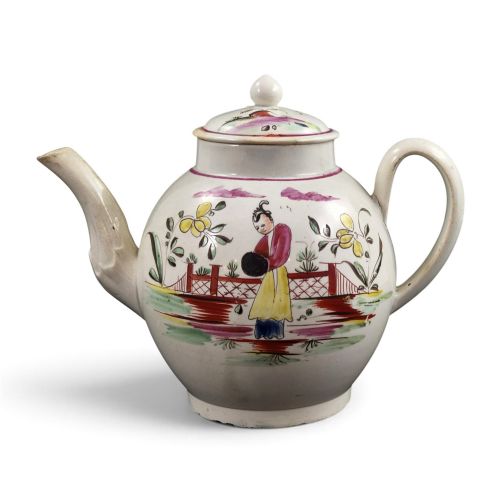
The assortment on this page includes nineteenth-century apothecary jars, Edwardian and Victorian jardinières, and delicate hand-painted vases. Each piece reflects the decorative tastes and utilitarian needs of its period, from domestic display to pharmaceutical storage.
How They Were Made
Potters shaped these items from earthenware, stoneware and porcelain, applying various glazes to seal and finish the clay body. Many pieces incorporate hand-painted decoration, sometimes enhanced with enamel and gold leaf or gilt details.
Some larger planters and vessels are paired with custom supports, including hardwood stands or mounted on footed ceramic bases. Kiln techniques and firing temperatures varied depending on whether the maker produced robust stoneware or refined porcelain.
Retail Price Guide 2026
Typical UK retail prices for ceramic pot, calculated from the Sellingantiques database of over a million retail prices indexed since 2003. This retail price guide relies exclusively on Sellingantiques data; no external sources or auction records are used, so the figures do not describe the wider market.
The inventory combines nineteenth-century porcelain, earthenware and stoneware across English and Japanese manufacturing traditions.
What Varies in Quality
Quality rests in the crispness of the ceramic form and the skill of the brushwork applied to the surface. Factory-painted designs by named artists command greater attention than standard transfer-printed wares.
The preservation of delicate details such as gold leaf, enamel highlights and original glaze surfaces dictates the standing of each piece. Structural integrity in larger items, including planters and jars with fitted stands, also shapes the overall standard.
Royal Worcester·Doulton Burslem
The Antique Ceramic Pot Glossary
- Earthenware
- Porous pottery fired at lower temperatures, typically requiring a glaze to hold liquids.
- Stoneware
- Dense, vitrified pottery fired at high temperatures, making it durable and completely waterproof without extra sealants.
- Porcelain
- A hard, translucent ceramic made from kaolin, fired at extreme heat to produce a white, vitrified body.
- Jardinière
- An ornamental ceramic pot designed to hold live plants or flowers, often displayed on a dedicated stand.
- Apothecary Jar
- A vessel historically used by chemists and pharmacists to store dried herbs, medicines and ointments.
Frequently Asked Questions
How do I date an antique ceramic pot?
Dating relies on factory marks, style indicators and the specific clay body used by the potter. Examining the glaze and any painted signatures helps narrow down the decade of production.
Comparison with documented examples from makers like Royal Worcester or Doulton Burslem provides a reliable guide to the era.
Can I use these pots for plants?
Many jardinières and planters were specifically designed for botanical display and handle moisture well. Glazed stoneware and earthenware interiors generally tolerate damp soil without issue.
Unglazed or porous historic wares require a plastic liner to protect the antique ceramic body from water damage and mineral staining.
How should I clean antique ceramics?
Dusting with a soft, dry brush removes everyday surface particles safely. Avoid harsh chemical cleaners that can strip delicate enamel or gold leaf details.
Warm water and a mild soap applied with a soft cloth suffice for glazed surfaces, provided the piece lacks structural cracks.
What is the difference between porcelain and stoneware?
Porcelain is fine, white and translucent, created from specific clays fired at very high temperatures. Stoneware is heavier, opaque and exceptionally durable due to its vitrified structure.
Both materials appear across nineteenth-century items, serving different decorative and practical functions.