


Antique Ceramic Ginger Jar
An antique ceramic ginger jar brings centuries of global trade and domestic storage tradition into a modern interior.
Antique Ceramic Ginger Jar
An antique ceramic ginger jar is a sturdy vessel originally built to transport spices, herbs, or preserved roots across international trade routes. Over time, these lidded containers evolved into decorative centrepieces prized for their symmetry and painted surfaces.
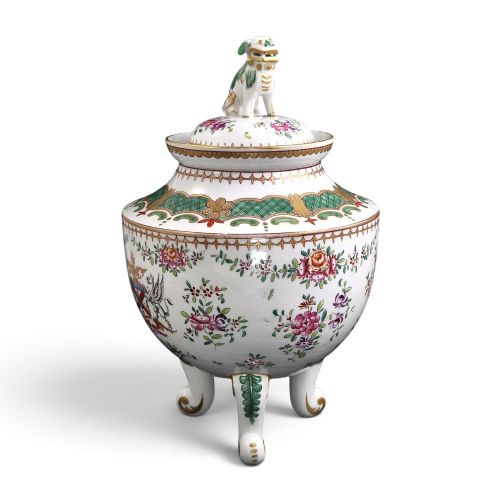
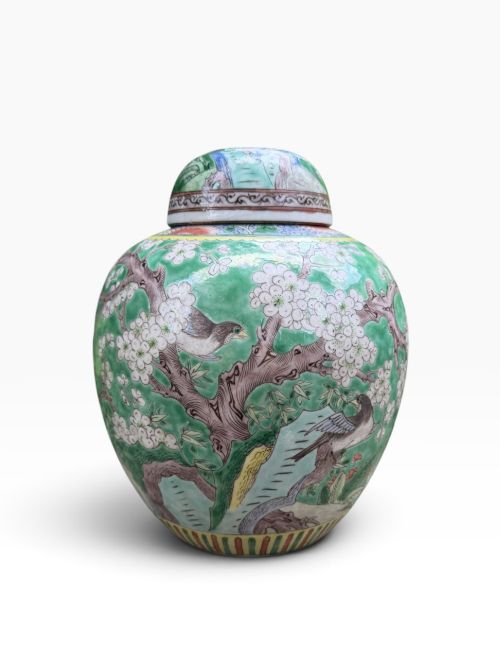
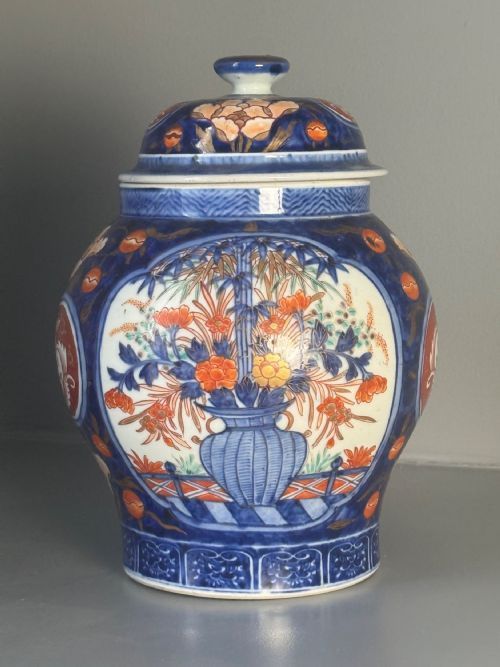
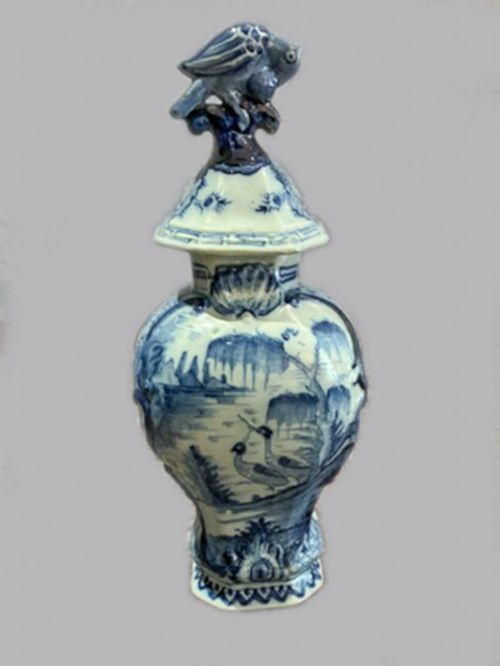
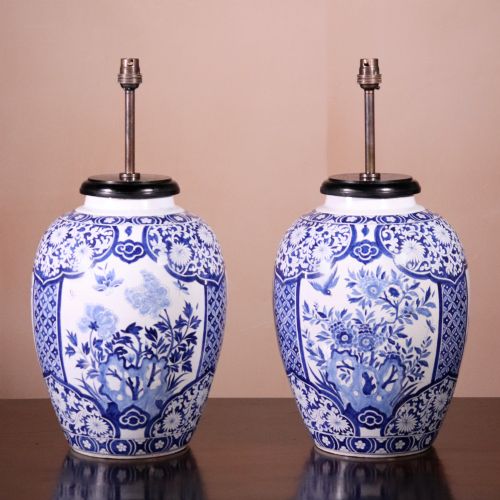
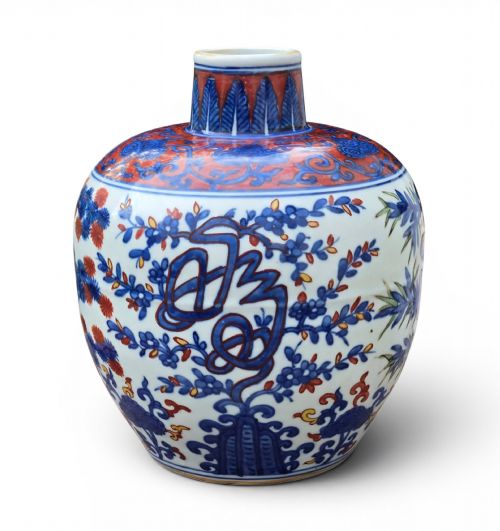
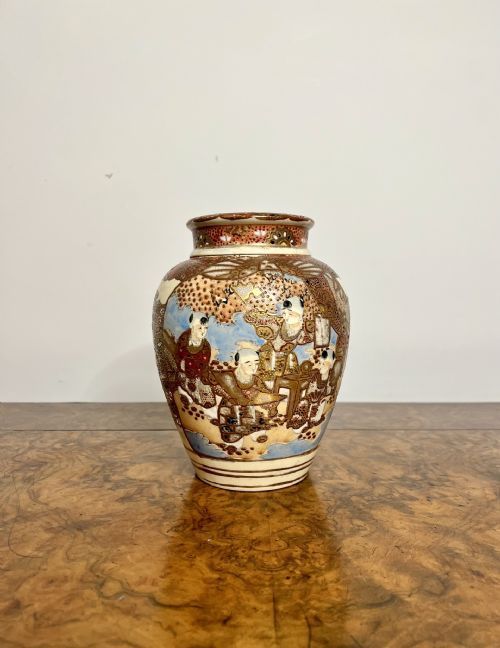
The selection on this page relies heavily on nineteenth-century pieces from Japan and China, alongside European interpretations in the Dutch Delft and English ironstone traditions. Buyers will encounter forms ranging from baluster shapes to broad ovid jars with matching lids.
Many examples combine utilitarian origins with refined hand-painted decoration, bridging the gap between practical storage and cabinet display. Whether rendered in blue and white porcelain or richly enamelled earthenware, each jar retains the silhouette of its mercantile past.
How they were made
Makers shaped these vessels from ceramic bodies such as porcelain, earthenware, and heavy ironstone, throwing or moulding them on a potter's wheel before firing at high temperatures. Tin-glazes and transparent covers provided a smooth, impermeable surface ready to receive intricate pigment work.
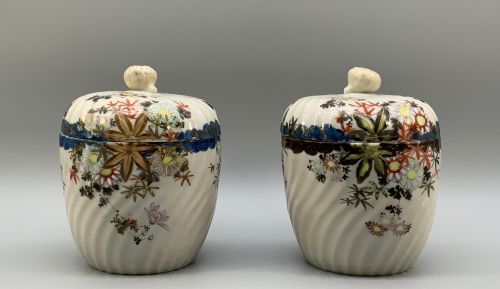
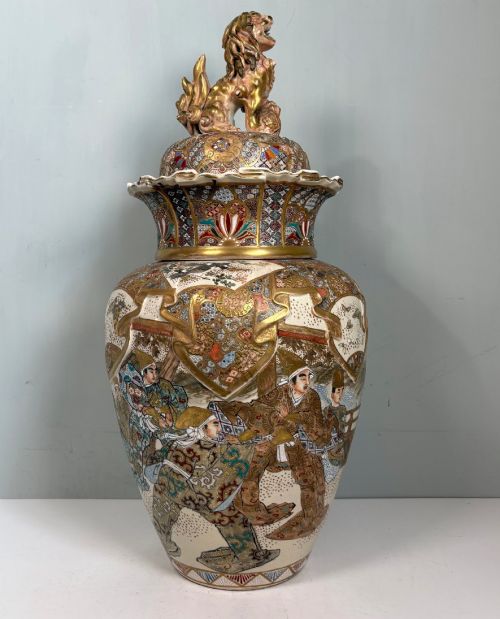
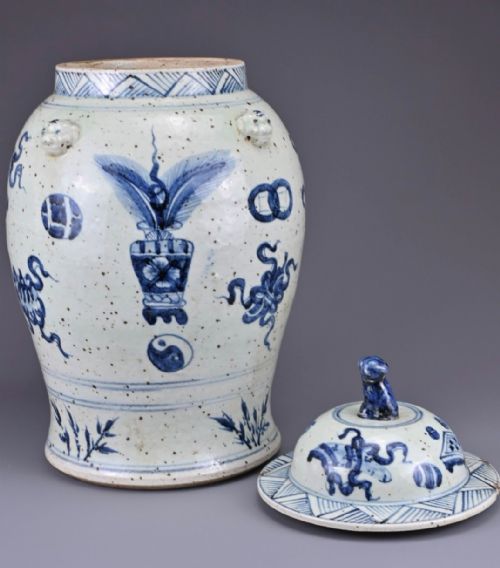
Decoration typically involved hand-painting with cobalt underglaze blue, enamel colours, and sometimes gold leaf or gilding to highlight floral and figurative scenes. Artisans applied pigments directly to the biscuit body or over the fired glaze before a final fixation in the kiln.
Materials across the selection range from fine translucent porcelain and tin-glazed earthenware to heavy ironstone and applied gold leaf.
What varies in quality
The sophistication of the painted detail and the crispness of the ceramic moulding dictate the standing of an individual piece within its period. Finer jars display precise brushwork, balanced composition, and rich, even glazes free from muddy pooling.
The harmony between the jar and its original cover heavily influences the integrity of the object. Weight, potting thickness, and the depth of the glaze also separate mass-market export wares from ambitious studio pieces and imperial commissions.
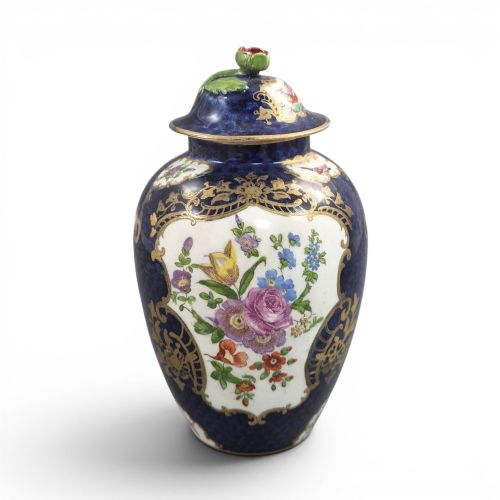
Samson Paris·Booths·Coalport
The Antique Ceramic Ginger Jar Glossary
- Ginger jar
- A wide-mouthed, short-necked ceramic vessel with a domed lid, traditionally used for holding spices and preserves. These containers are now collected primarily for their decorative painted surfaces.
- Baluster
- A tall ceramic form curving gently outward near the base and tapering toward the top, resembling a classical architectural support. This silhouette provides a stable, balanced canvas for expansive landscape and floral motifs.
- Imari
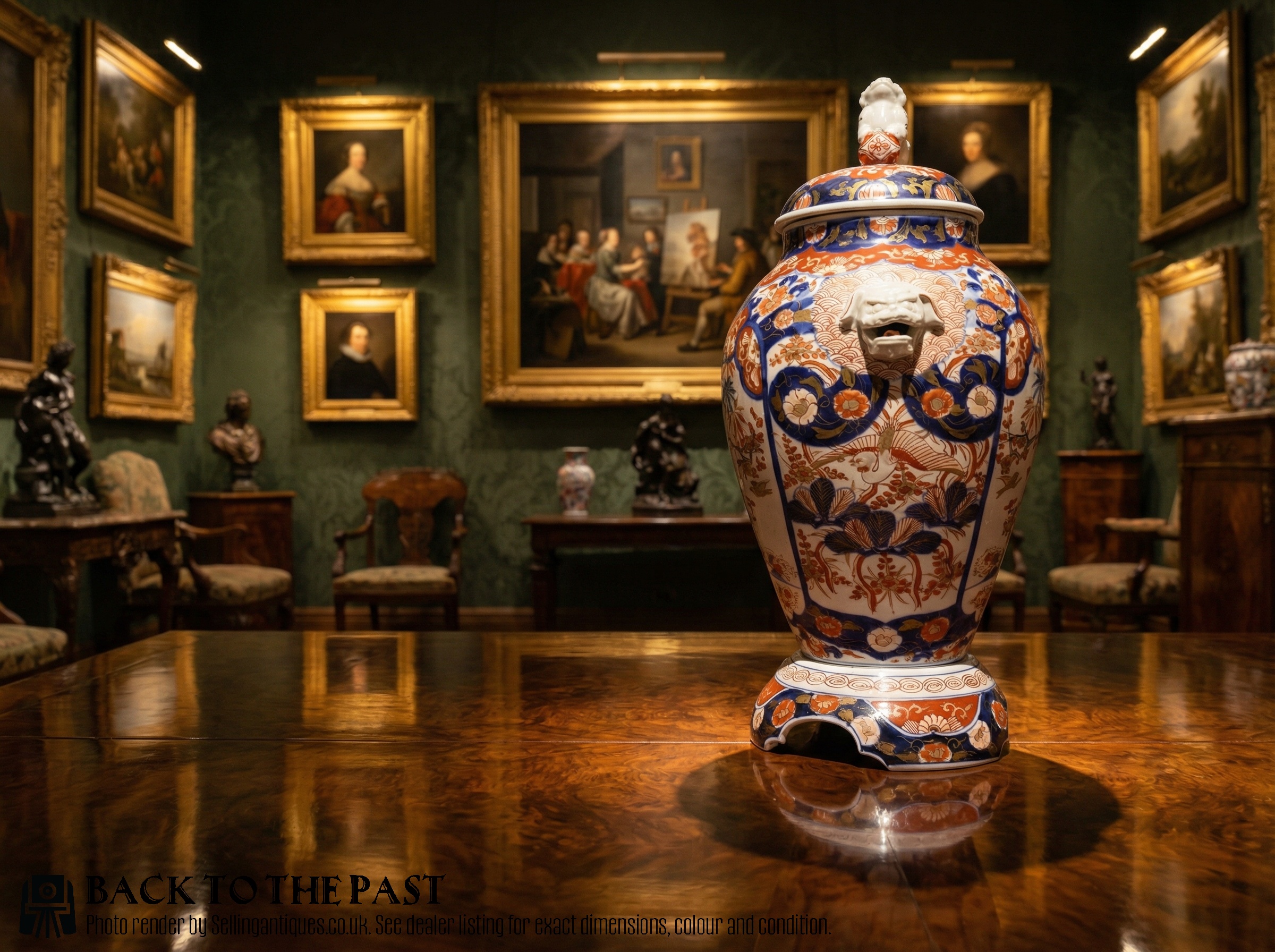
- A style of Japanese export porcelain characterised by a palette of underglaze blue, iron-red, and gold accents. Originating in Arita, these wares were widely imitated across Europe during the eighteenth and nineteenth centuries.
- Delftware
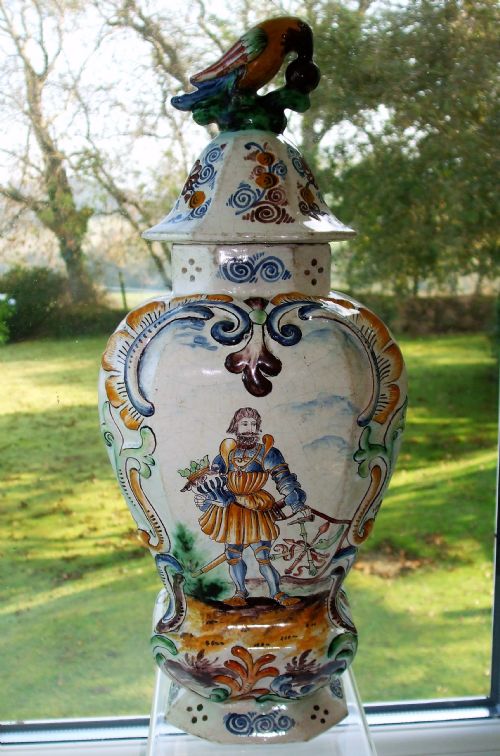
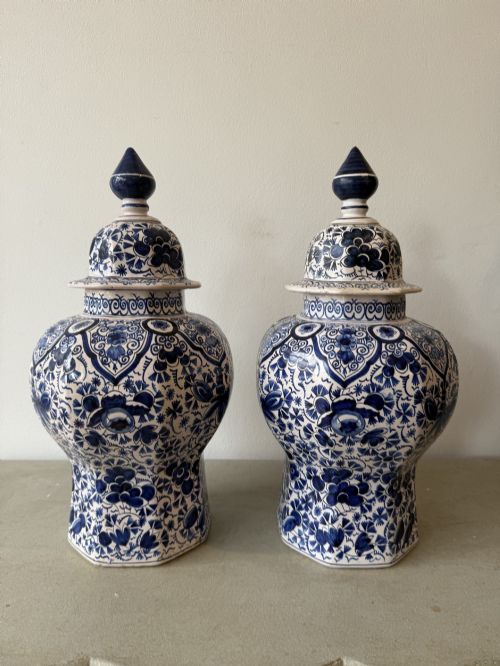
- Tin-glazed earthenware produced in the Netherlands, notable for its absorbent white surface and blue pigments imitating Chinese porcelain. Potters often utilised this technique to create domestic vessels for the European market.
- Maiolica
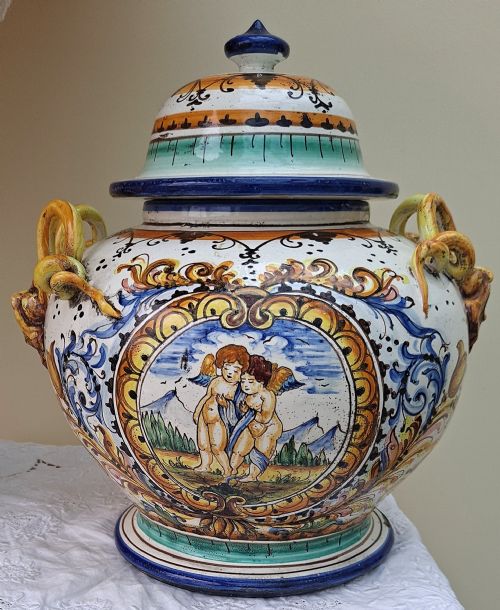
- Tin-glazed Italian earthenware decorated with brightly coloured metal oxides before a final transparent glaze firing. This technique allowed artisans to achieve vivid narrative and ornamental scenes on curved ceramic bodies.
Antique Ceramic Ginger Jar: Frequently Asked Questions
How do I style a ginger jar at home?
Ginger jars work well as standalone focal points on mantelpieces, sideboards, or open shelving units. Placing a matched pair symmetrically creates a classic arrangement, while single pieces add height and colour to tables.
Because of their enclosed forms and historical character, they require little accompaniment from other accessories. They suit both traditional rooms and minimalist spaces looking for a touch of pattern and texture.
How can I tell Japanese and Chinese jars apart?
Chinese pieces often feature deep underglaze blue painting on translucent porcelain bodies with motifs rooted in traditional symbolism. Japanese examples frequently employ denser palettes, including the iron-red and gold of Imari or the complex enamels of Satsuma ware.
Examining the foot ring, potting weight, and glaze texture helps clarify the regional origin. Differences in clay composition and firing marks also point toward specific Asian workshops.
Are European copies considered authentic antiques?
European factories like those in Delft, England, and France produced deliberate interpretations of Asian export porcelain for local buyers. These regional variations hold independent historical value and collectable status in their own right.
Rather than viewing them as impositions, collectors appreciate European imitations for their distinct regional techniques and local stylistic adaptations. The materials and marks usually clarify whether a piece originates from Asia or the West.