

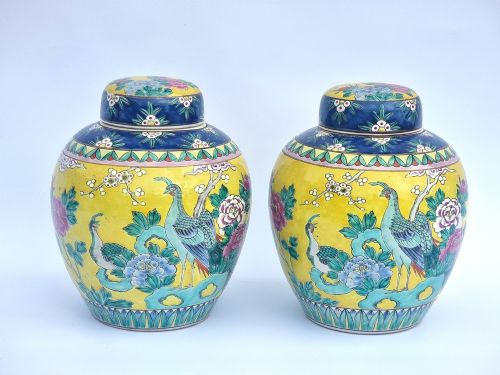


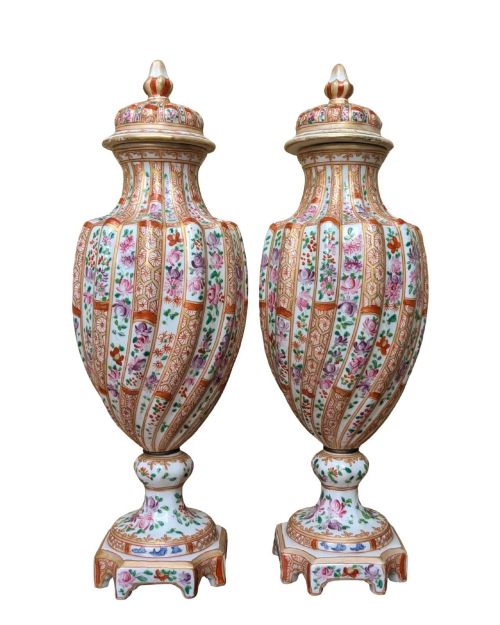
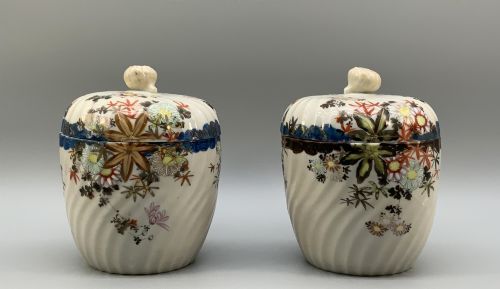
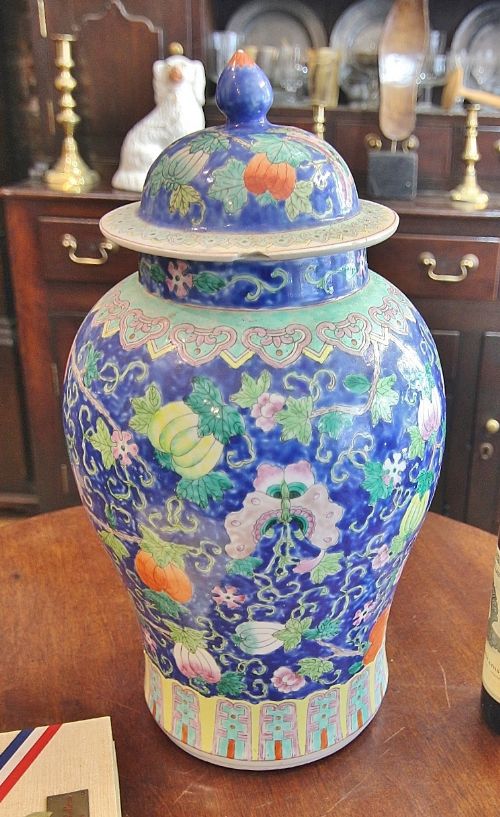


Floral Ceramic Ginger Jar
A floral ceramic ginger jar brings centuries of global trade and hand-painted artistry directly onto a mantelpiece or side table.
Floral Ceramic Ginger Jar
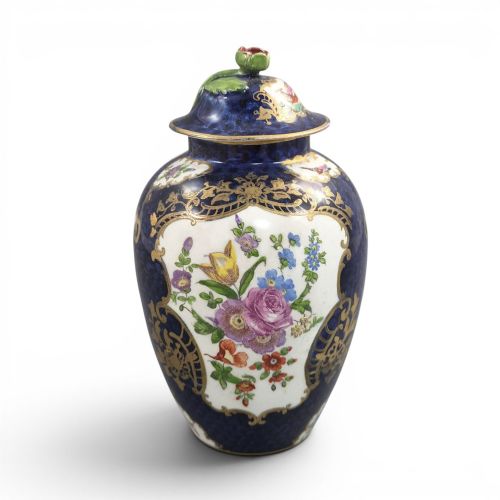
A floral ceramic ginger jar is a sturdy storage vessel historically used for spices and preserves, later transformed into purely decorative lidded jars and table lamps. These pieces originate across various periods, stretching from the eighteenth century through the twentieth century.
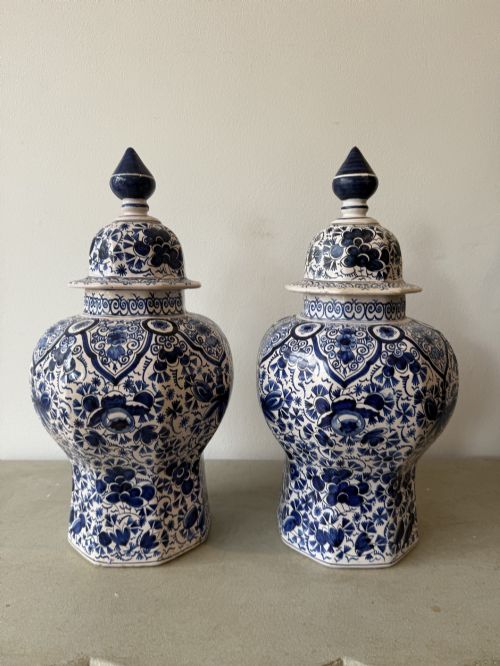
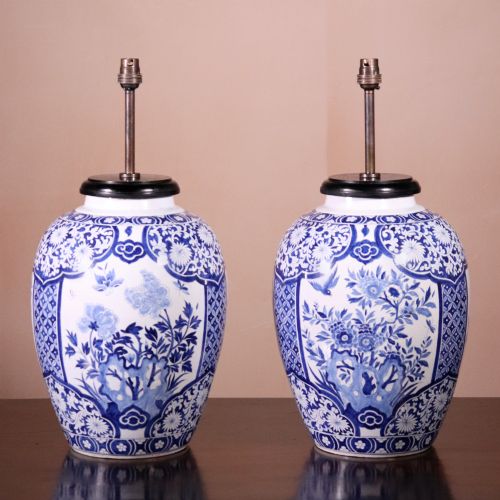
The selections encountered most frequently on this page belong to the nineteenth century, particularly pieces carrying Japanese Imari and Chinese aesthetics alongside European interpretations like Dutch Delftware. Forms range from traditional lidded ginger jars and covered baluster vases to converted lamp bases fitted with electrical wiring.
Makers and potteries from diverse traditions contributed to this group, spanning English firms such as Booths and Royal Winton to continental manufacturers like Herend and Samson. Buyers also encounter Asian works from Japanese Arita kilns and Chinese workshops created for both domestic use and export.
How They Were Made
Potters shaped these vessels primarily from porcelain, earthenware, and ceramic bodies, applying coloured glazes and enamel painting by hand. Many examples incorporate hand-painted floral motifs executed in blue and white, polychrome palettes, or Famille Rose and Famille Verte styles.
Finishing techniques varied by origin and period, occasionally including gold leaf detailing, brass mounts, or ormolu fittings. Lids were thrown and fired to match the contours of the shoulder, completing the classic silhouette.
Floral Ceramic Ginger Jar Retail Price Guide 2026
Typical asking prices for floral ceramic ginger jar among the pieces listed under this phrase on Sellingantiques today, from the lower quarter to the upper quarter. They describe what is for sale here now, not the wider market.
Listings on this site span materials including porcelain, earthenware, enamel, gold leaf, and brass across the nineteenth and twentieth centuries.
What Varies in Quality
Quality rests in the precision and depth of the hand-painted brushwork upon the ceramic surface. Superior examples display confident, intricate floral and avian details executed with fine control over the pigment.
The integrity of the body and glaze separates standard production from finer cabinet pieces. Even glaze application, crisp firing without distortion, and well-fitted matching covers elevate an item's visual presence.
Booths·Herend·Royal Winton·Samson
The Floral Ceramic Ginger Jar Glossary
- Imari
- A style of Japanese porcelain featuring underglaze blue and overglaze red, gold, and green colours. This decorative approach became widely imitated across Europe during later centuries.
- Famille Rose
- A palette of opaque overglaze enamels dominated by pink or rose colours, popular in Chinese ceramic decoration. It developed during the Qing dynasty and influenced Western factories.
- Baluster
- A vase shape with a rounded body that tapers toward the base and swells near the middle. This classic architectural profile provides stability and visual balance.
- Delftware
- Tin-glazed earthenware produced in the Netherlands, typically decorated in blue and white. Makers often drew inspiration from imported Chinese porcelain designs.
- Ormolu
- Gilt bronze mounts applied to ceramic vessels for decorative effect or to support electrical fittings. This technique elevates the status of the finished object.
Floral Ceramic Ginger Jar: Frequently Asked Questions
Were these jars used for ginger?
Original vessels of this shape served to transport and store spices, ginger, and preserves along international trade routes. Over time, Western households repurposed them purely for interior decoration.
Many surviving pieces retain their matching covers, while others were later adapted into table lamps during the nineteenth and twentieth centuries.
How do I date an Imari jar?
Dating relies on examining the clay body, the weight of the ceramic, and the characteristics of the underglaze blue and iron-red pigments. Late nineteenth-century pieces often show specific export markings and denser porcelain bodies.
European imitations from factories like Samson also exist, requiring careful inspection of the glaze and enamels to determine origin.
Can I use a jar lamp safely?
Most ceramic ginger jar lamps have been converted from original lidded vases by drilling the base or mounting hardware to the collar. It is wise to have older wiring checked by a professional electrician before daily use.
Retaining the original cover alongside a lamp conversion is uncommon, as the lid was often discarded when the fitting was installed.
What is the difference between porcelain and earthenware?
Porcelain is fired at much higher temperatures, resulting in a dense, vitrified body that rings slightly when struck and does not absorb moisture. Earthenware is more porous and requires an opaque tin or lead glaze to hold liquids.
Both materials appear across these listings, influenced by whether the piece originates from Asian kilns or European earthenware potteries.