



Gilded Blue Ceramic Vase
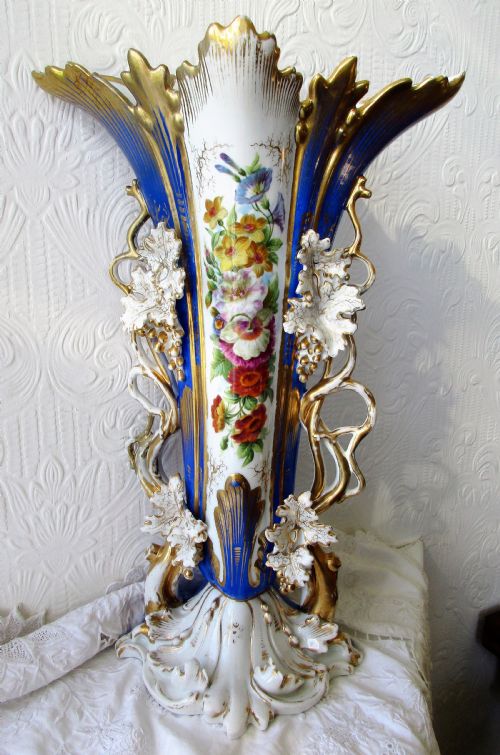
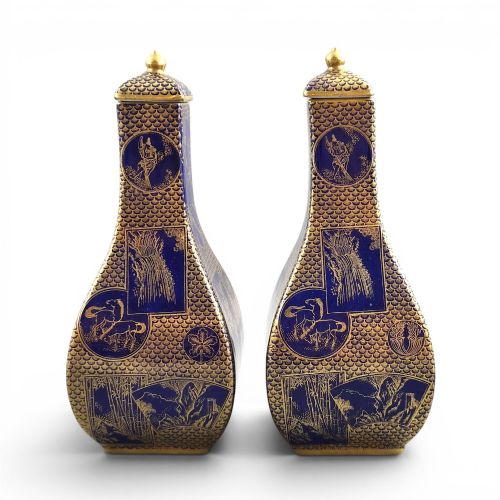
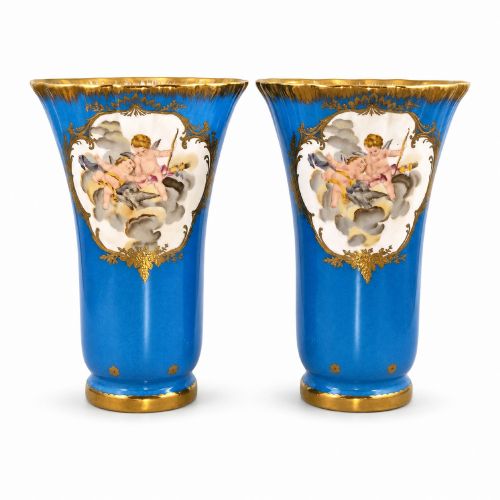
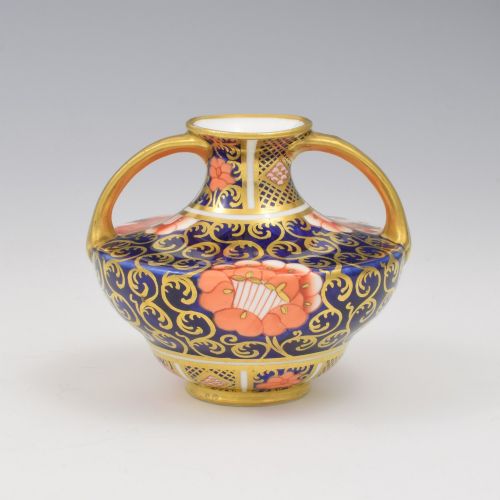
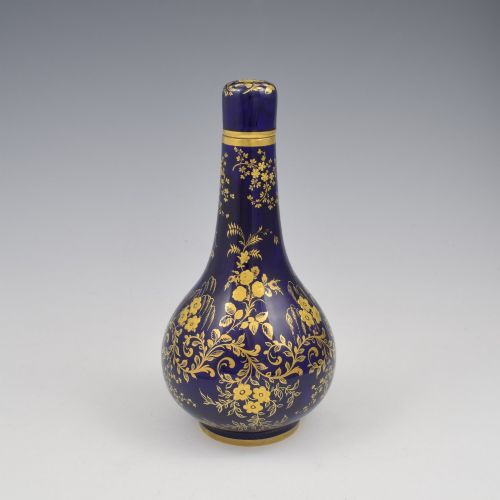
When you search for a gilded blue ceramic vase, you are looking at richly decorated vessels combining deep cobalt or azurite grounds with gold leaf, enamel, and intricate hand painting.
Gilded Blue Ceramic Vase
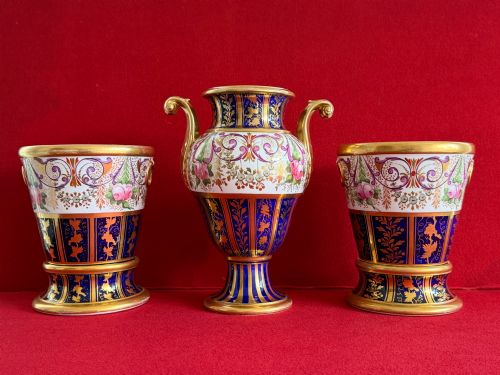
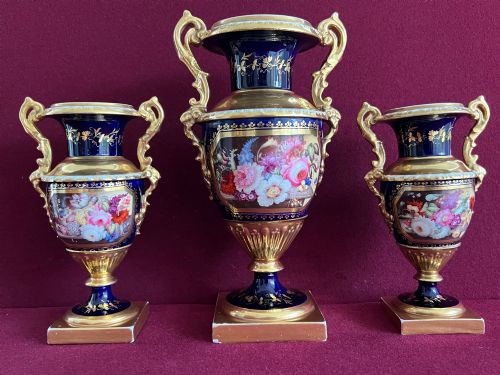
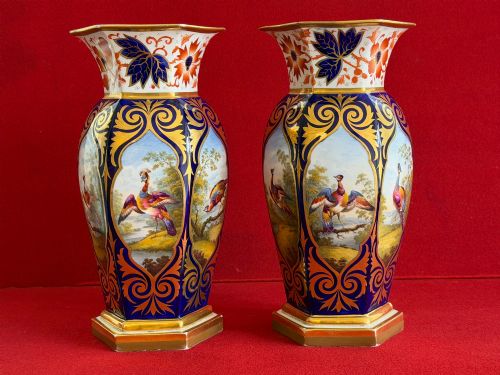
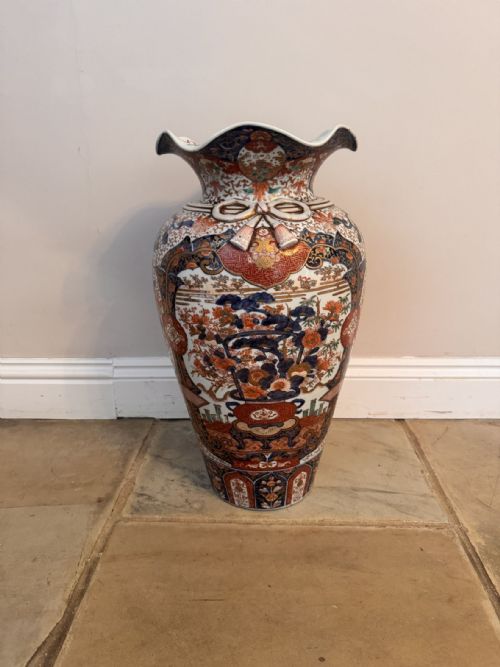
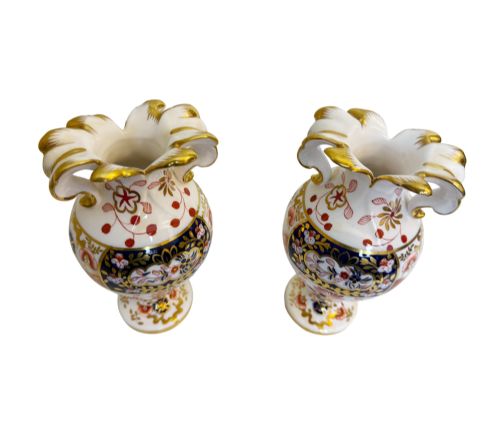
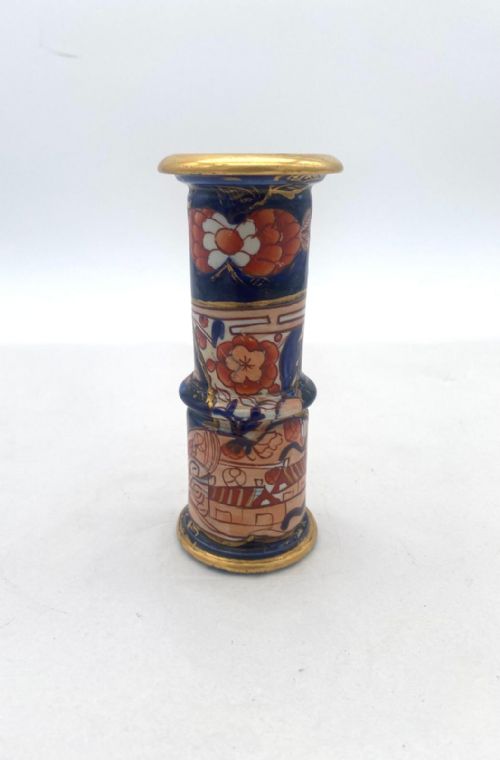
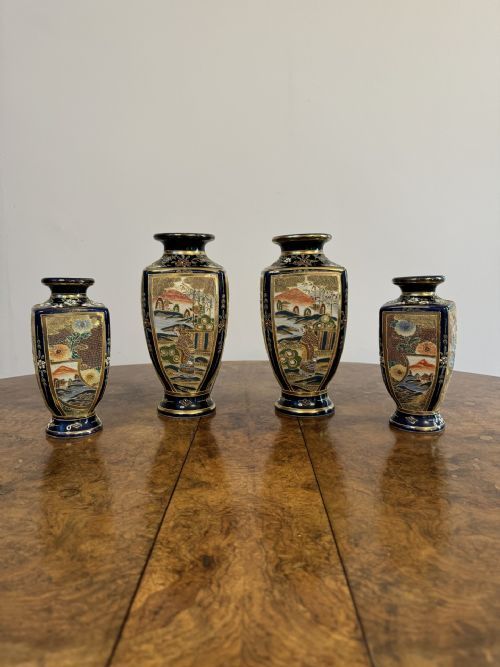
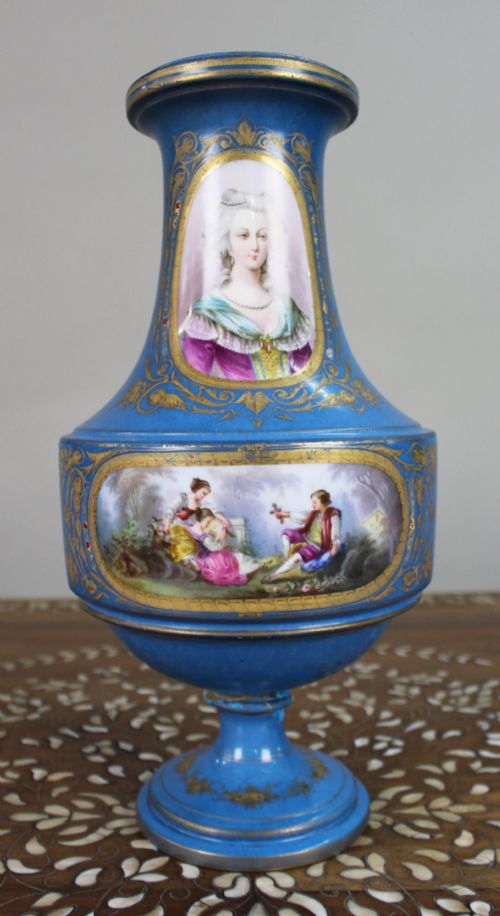
A gilded blue ceramic vase brings together rich cobalt or mazarine blue grounds with metallic gilding, creating a striking contrast that has drawn collectors for centuries. Within this selection, you will encounter diverse forms ranging from large Japanese Imari floor standing vessels and satsuma garnitures to English porcelain campagna urns and miniature scent bottles. The inventory spans the nineteenth century into the Edwardian era and the 1920s, capturing European factory traditions alongside Asian export wares.
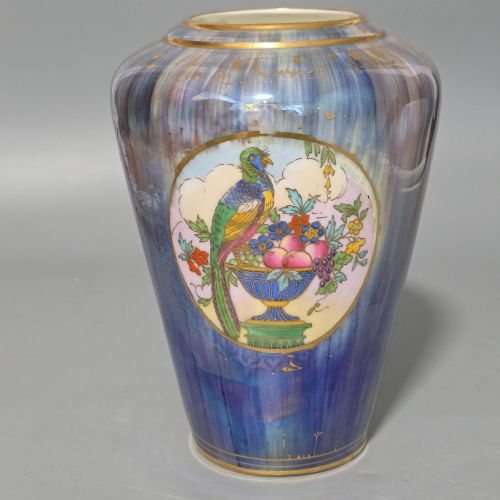
English porcelain works from factories such as Worcester, Spode, Coalport, and Derby often emulate French Sèvres styles through bleu céleste grounds and elaborate gilt borders. Japanese Imari and Satsuma pieces utilise deep cobalt underglazes paired with extensive hand-applied gold leaf and enamel detailing. Art pottery and ironstone variations from makers like Minton, Moorcroft, and Mason's add depth to the range with lustre glazes and hand-painted motifs.
How they were made
Makers shaped these vessels from refined ceramic bodies, porcelain, ironstone, or earthenware before applying cobalt blue pigments or coloured glazes to the surface. Potters then fired the pieces multiple times to fix the base colours and underglaze decorations before adding delicate overglaze enamels.
Gilding was achieved using gold leaf, liquid gold, or gilt paint applied by hand across rims, handles, and panel borders. Artisans often burnished the dried gold to create contrasting matte and polished highlights against the dark blue background.
Gilded Blue Ceramic Vase Retail Price Guide 2026
Typical asking prices for gilded blue ceramic vase among the pieces listed under this phrase on Sellingantiques today, from the lower quarter to the upper quarter. They describe what is for sale here now, not the wider market.
Listings feature porcelain, earthenware, and ironstone bodies decorated with gold leaf, enamel, and cobalt glaze.
What varies in quality
The precision of the hand-painted brushwork and the crispness of the enamel details define the upper tier of these vessels. Superior examples display finely controlled gilding that retains its burnished lustre without fading or rubbing across high points.
The depth and uniformity of the blue ground colour also set exceptional pieces apart from standard production wares. Ground colours with mottled or uneven tones generally indicate lesser execution, whereas smooth, rich cobalt or bleu céleste grounds reflect careful kiln temperature control and skilled pigment mixing.
Flight Barr And Barr·Royal Crown Derby·William Moorcroft·Mason's Patent Ironstone·Kinkozan Circle
The Gilded Blue Ceramic Vase Glossary
- Bleu céleste
- A light, bright sky-blue enamel ground colour popular on European porcelain and closely associated with the Sèvres factory. It provides a pale backdrop for heavy gilding.
- Imari
- A style of Japanese export porcelain decorated in underglaze blue, iron red, and abundant gold. The palette is bright and densely patterned.
- Garniture
- A set of matching vases or urns designed to be displayed together on a mantelpiece or sideboard. They often consist of three or five pieces of varying heights.
- Moriage
- A Japanese ceramic technique using raised slip decoration to create textured patterns beneath or alongside gilding and enamel. It is frequently found on Satsuma wares.
- Campagna urn
- A classical bell-shaped pedestal vase modelled after ancient Roman stone vessels. British porcelain factories frequently adapted this silhouette during the Regency and Victorian periods.
Gilded Blue Ceramic Vase: Frequently Asked Questions
How do I display them at home?
Place larger floor-standing or lidded urns in corners or on dedicated pedestals where their rich cobalt grounds and gold leaf catch the light. Smaller cabinet vases, scent bottles, and miniature bud versions look best grouped on shelves or enclosed within glass display cabinets.
Keep them away from direct, harsh sunlight to protect delicate overglaze enamels and prevent any gradual fading of the hand-painted motifs.
How can I tell English and Japanese pieces apart?
English pieces from factories like Spode, Coalport, or Derby typically feature European neo-classical shapes such as campagna urns, smooth porcelain bodies, and Sèvres-inspired bleu céleste grounds. Japanese Imari and Satsuma examples often display denser, asymmetric patterns incorporating iron red, intricate brocade designs, and raised moriage details.
Examining the base often reveals factory transfer prints, painted pattern numbers, or handwritten signatures that confirm the origin of the ceramic body.
How should I clean my vase?
Dust the surface gently with a soft, dry artist's brush or a clean microfiber cloth to remove everyday particles. Avoid using water, abrasive cloths, or chemical cleaning solutions, as these can easily wear away delicate surface gilding and hand-applied enamels.