



1920s Decorative Pottery
These 1920s decorative pottery pieces bring rich glazes, bold geometric forms, and intricate enamel work straight into a modern interior.
1920s Decorative Pottery
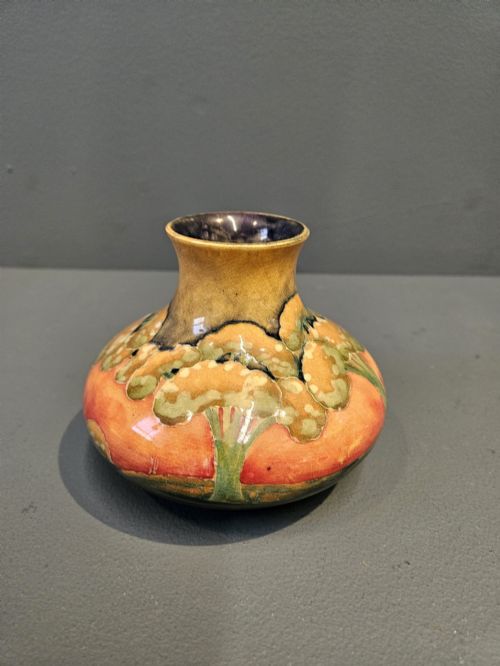
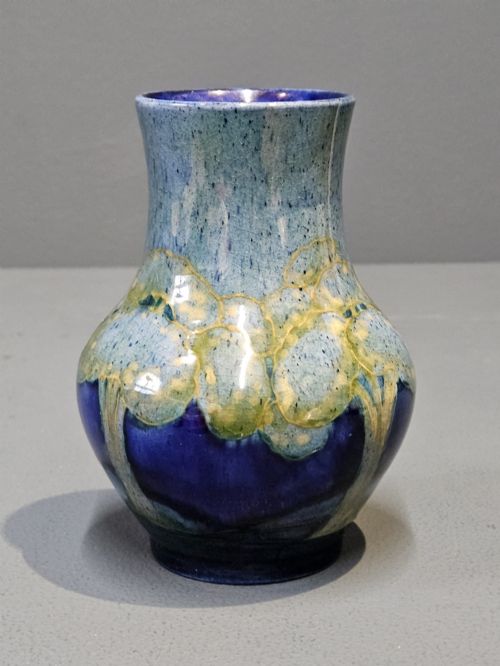
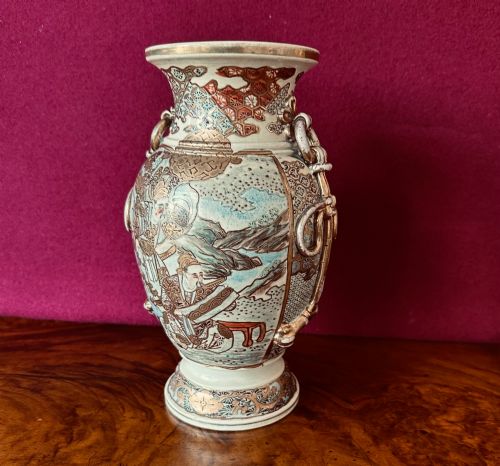
When you search for 1920s decorative pottery, you encounter a vibrant mix of earthenware, porcelain, and bone china vessels designed to catch the eye. The selection here leans heavily towards vases, bowls, and jardinieres originating from English potteries and continental workshops.
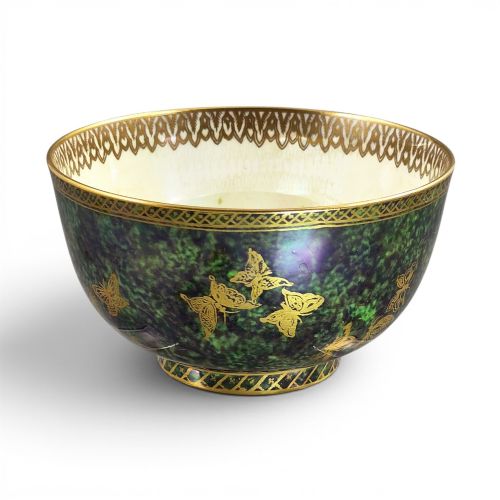
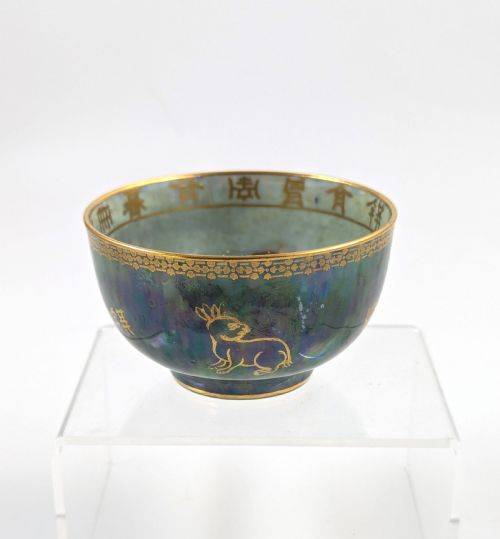
You are most likely to meet pieces finished with rich lustre glazes, alongside striking Art Deco designs and hand-enamelled motifs. These items range from large octagonal bowls to pairs of cobalt blue vases, representing the diverse aesthetic shifts of the Edwardian and post-First World War eras.
How they were made
Potters of this period utilised earthenware and bone china as the primary bodies for their decorative vessels. These clay bases were shaped into vases, jars, and three-handled jardinieres before receiving their initial firing.
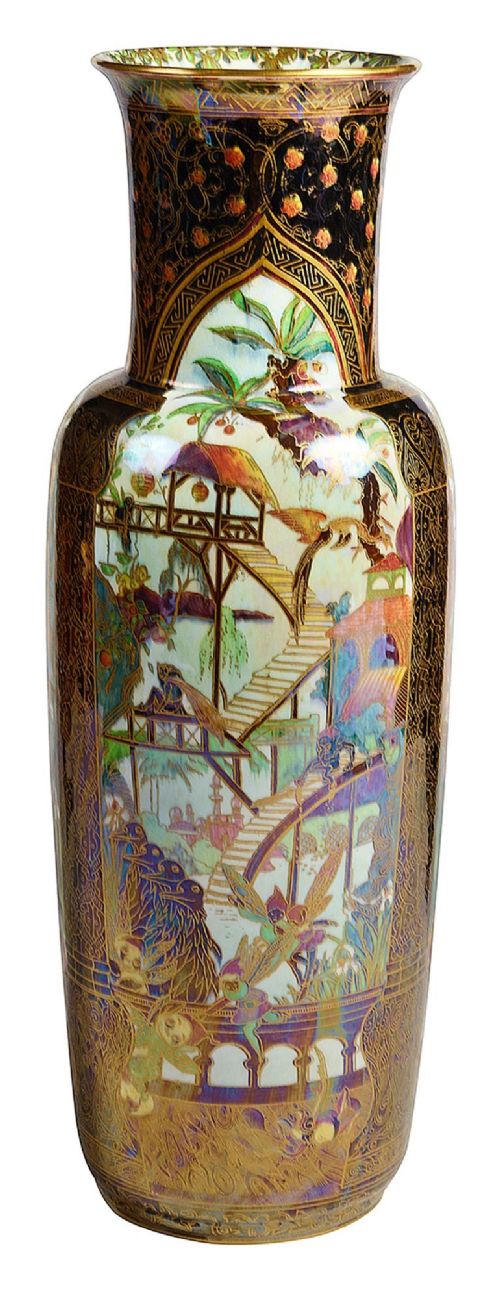
Surface decoration relied heavily on specialised techniques such as ceramic glaze, enamel, and gold leaf application. Lustre glazes were manipulated during firing to produce iridescent sheens, while hand enamelling added detailed pictorial scenes and geometric patterns.
1920s Decorative Pottery Retail Price Guide 2026
Typical asking prices for 1920s decorative pottery among the pieces listed under this phrase on Sellingantiques today, from the lower quarter to the upper quarter. They describe what is for sale here now, not the wider market.
Objects recorded here span the Edwardian period, the 1920s, the 1930s, and the Taisho period.
What varies in quality
Quality in these ceramics rests upon the ambition of the design and the precision of the execution. The finest examples display complex hand-enamelled details, intricate lustre effects, and crisp moulding that remain sharp across the entire surface of the vessel.
The sophistication of the glaze chemistry and the artistic skill behind painted motifs separate standard production pieces from masterworks. Successful application of gold leaf and multi-layered lustre glazes requires precise temperature control during firing, which elevates the depth of the finished colour.
Wedgwood·Minton·Robert T Lallement·Fielding’s Crown Devon·Royal Lancastrian·Poole Pottery·Carter Stabler Adams
The 1920s Decorative Pottery Glossary
- Lustre Glaze
- A type of ceramic glaze containing metallic oxides that produce an iridescent, reflective sheen upon firing. This technique creates shimmering surface effects found on many pieces from the period.
- Jardiniere
- A large decorative ceramic pot or stand designed to hold live plants or flowers. These items often feature multiple handles and substantial proportions.
- Earthenware
- Porous pottery fired at a relatively low temperature and typically covered with an opaque glaze. It serves as the structural base for many decorative vessels of this era.
- Bone China
- A type of porcelain composed of bone ash, feldspathic material, and kaolin, known for its high strength and milky white appearance. It provides a refined surface for delicate enamel painting.
- Art Deco
- A design style characterised by streamlined shapes, geometric patterns, and bold colours that emerged in the early twentieth century. It heavily influenced the ceramic forms and surface motifs of the period.
1920s Decorative Pottery: Frequently Asked Questions
What is 1920s decorative pottery?
These pieces comprise glazed earthenware, porcelain, and bone china vessels produced during the early twentieth century, encompassing vases, bowls, and jardinieres.
They reflect aesthetic movements ranging from Edwardian traditions to bold Art Deco and Chinoiserie designs.
How were these pottery pieces used?
Households utilised these vessels primarily as ornamental display objects on mantelpieces, sideboards, and occasional tables. Jardinieres specifically held indoor plants and floral arrangements within formal rooms.
Smaller bowls and jars served to hold decorative items or stood alone as colour accents within a room.
How do I live with 1920s pottery?
Display these ceramics on sturdy surfaces where their reflective lustre glazes and hand-enamelled details catch natural light. Keep them away from direct heat sources and abrasive cleaning materials to protect the delicate surface finishes.
Pairing neutral backgrounds with these colourful pieces allows their distinct forms and patterns to stand out clearly.
How do I tell periods and styles apart?
Edwardian and early pieces often feature traditional floral motifs and softer pastel colour palettes. Items from later in the decade showcase sharp geometric lines, metallic leaf, and stylized animal or figural representations characteristic of Art Deco.
Examining the glaze type, such as standard ceramic versus iridescent lustre, helps clarify the specific manufacturing period.