









Covered Ceramic Urn Vase
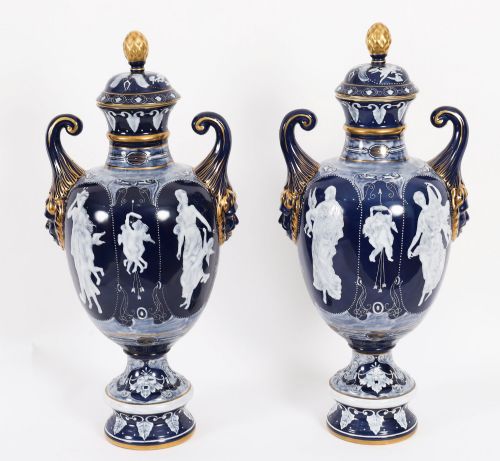
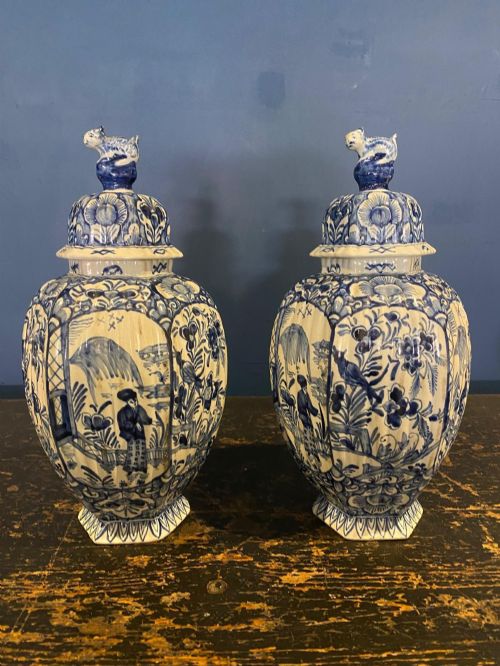
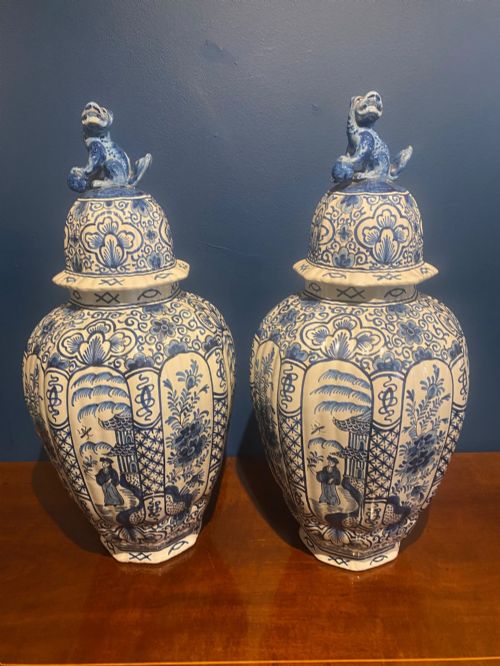
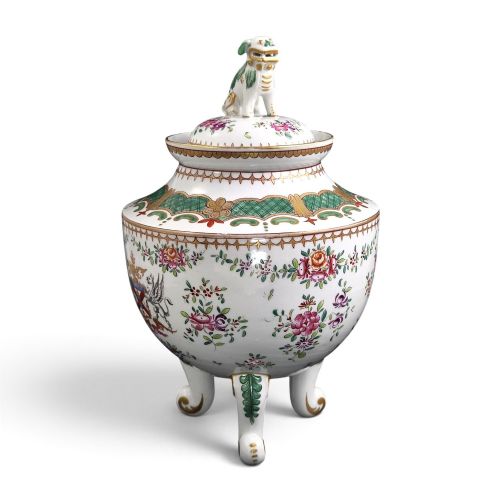
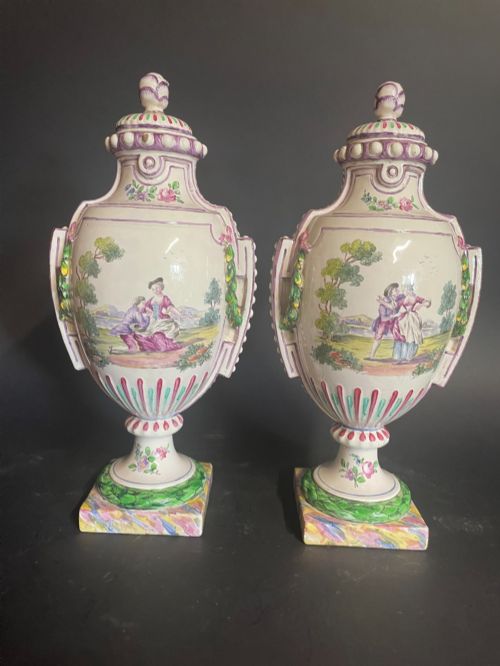
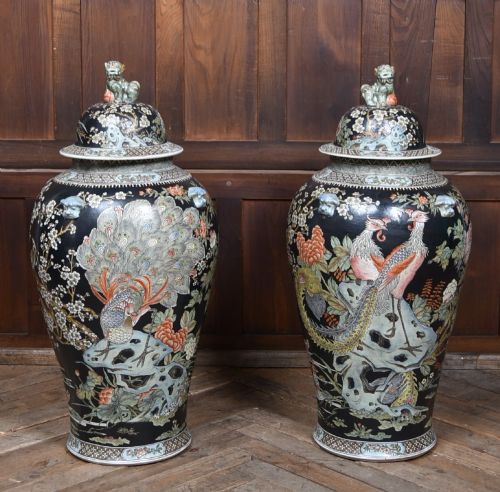
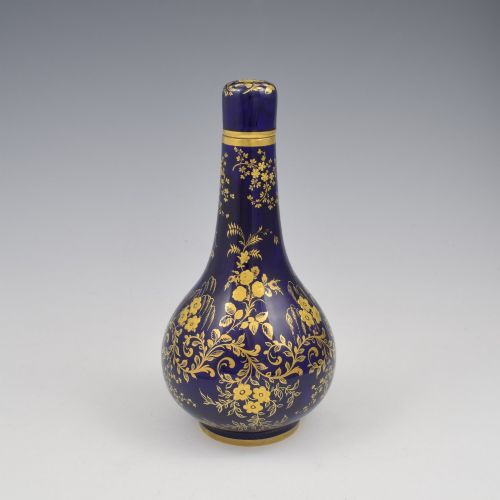
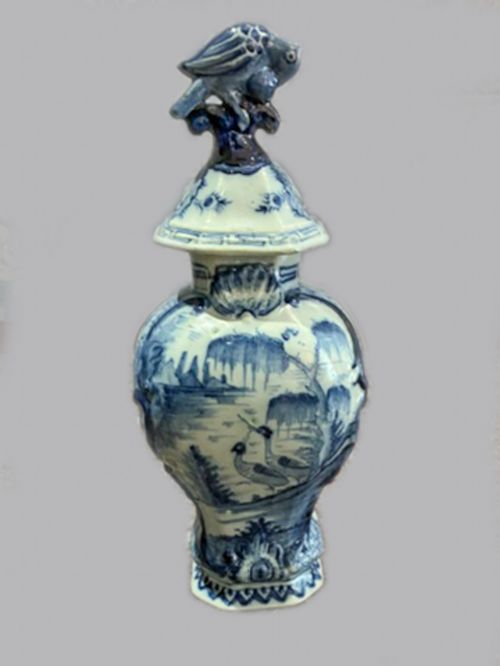
These covered ceramic urn vases bring together porcelain and earthenware forms from European and Asian traditions to hold pride of place on a mantel or table.
Covered Ceramic Urn Vase
A covered ceramic urn vase combines a vessel body with a matching lid, appearing in forms such as ginger jars, floor jars, and pot-pourri containers. These pieces emerge across the 18th, 19th, and early 20th centuries from various European factories and Asian kilns.
Makers in this category range from English porcelain manufacturers and ironstone potteries to continental faience works and Japanese export producers. The primary focus centres on lidded decorative forms, often featuring hand-painted floral motifs, armorial designs, or blue and white patterns.
How they were made
Potters shaped these vessels from ceramic bodies such as porcelain, ironstone, and tin-glazed earthenware, applying glazes before firing the pieces in kilns. Many items incorporate cobalt blue decoration, while others receive hand-painted enamels and gold leaf accents.
Certain factories added cast metal or ormolu mounts to secure or elevate the ceramic bodies, particularly in French and continental workshops. Artisans also utilised transfer printing techniques alongside freehand brushwork to apply detailed imagery across the curved surfaces.
Covered Ceramic Urn Vase Retail Price Guide 2026
Typical asking prices for covered ceramic urn vase among the pieces listed under this phrase on Sellingantiques today, from the lower quarter to the upper quarter. They describe what is for sale here now, not the wider market.
Japanese Imari wares and Chinese ginger jars appear alongside English factory productions from Spode and Royal Worcester.
What varies in quality
The standard of painting and the clarity of the glaze distinguish different examples within this category. Pieces featuring precise hand-painted details by named artists or established factory studios sit above simpler transfer-printed items.
The crispness of the moulding on handles, finials, and covers indicates the care taken during production. Intact matching lids and well-preserved gilt or enamel layers represent higher degrees of original craftsmanship.
Mason's·Royal Worcester·Spode·Coalport·Samuel Alcock
The Covered Ceramic Urn Vase Glossary
- Ironstone
- A type of durable earthenware patented in the 19th century that offers strength similar to stoneware while accepting detailed glazes.
- Imari
- A style of Japanese export porcelain characterised by a palette of underglaze blue, iron red, and gold.
- Faience
- Tin-glazed earthenware produced in France and other European regions, typically featuring opaque white glazes painted with coloured pigments.
- Pot-pourri jar
- A lidded vessel designed with pierced sections or a perforated top to diffuse the scent of dried flowers and spices held within.
- Armorial
- A ceramic design displaying a coat of arms or family crest, frequently commissioned for European households during the 18th and 19th centuries.
Covered Ceramic Urn Vase: Frequently Asked Questions
How were covered ceramic urn vases used?
These lidded vessels served as decorative ornaments, centrepieces, or functional containers for dried flowers and pot-pourri within period interiors. Their fitted covers helped preserve aromatics or simply completed the symmetrical silhouette of the display.
Larger floor jars and palace vases stood directly on reception room floors, while smaller ginger jars and pot-pourri pots rested upon tables, brackets, and mantelpieces.
How do I date a lidded ceramic vase?
Dating relies on examining the ceramic body, glaze characteristics, factory marks stamped or painted on the base, and the stylistic traits of the painted decoration. Eighteenth-century pieces often display tin glazes and hand-potted irregularities, whereas Victorian examples frequently utilise ironstone or transfer-printed elements.
Reference marks specific to English potteries or continental works provide narrower production windows, while Japanese export pieces align with distinct periods like the Meiji era.
Are the lids original to the vases?
Determining whether a cover is original involves inspecting the clay body, glaze consistency, and wear patterns inside the rim where the lid meets the neck. Matching kiln-fired pieces typically share identical crazing, colour tone, and shrinkage rates.
Replacement covers occasionally appear on older vessels, so checking the fit and the continuity of the decorative scheme helps confirm authenticity.
How should I display these vases at home?
These decorative objects work best on sturdy surfaces away from high-traffic areas where accidental knocks might dislodge the lids. Pairs look striking when arranged symmetrically on sideboards or mantel shelves.
Direct, prolonged sunlight can fade delicate enamel colours and gold leaf over time, so placing them in ambient interior light preserves their painted surfaces.