


Gilded Blue Ceramic Urn
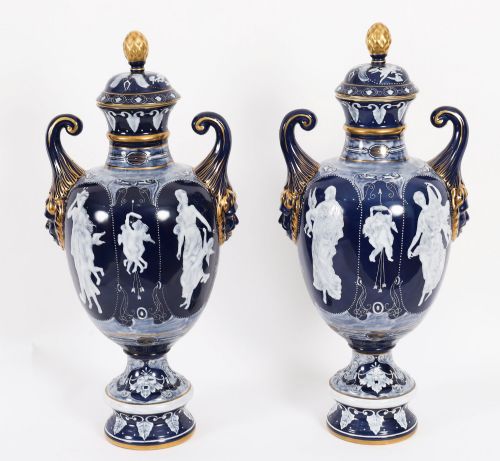
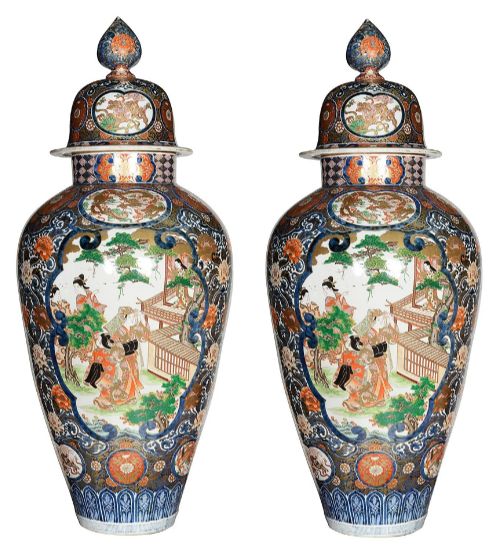
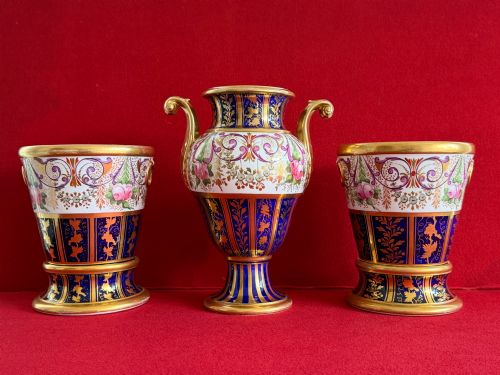
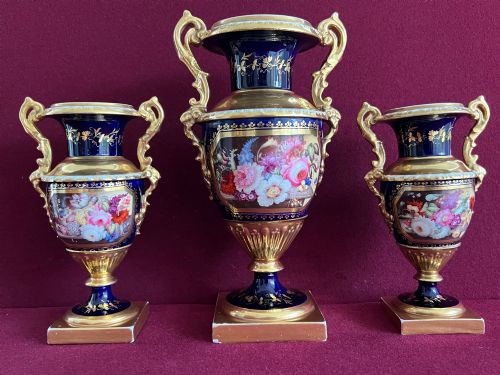
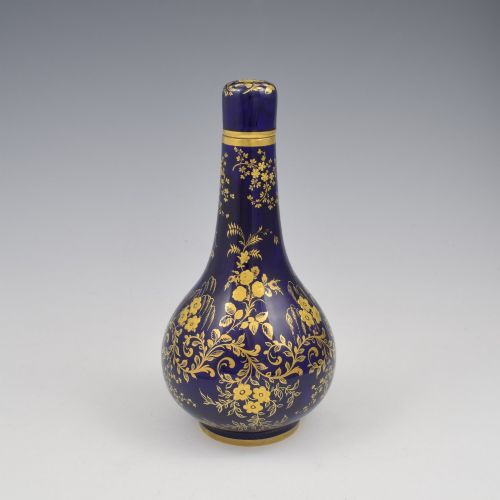
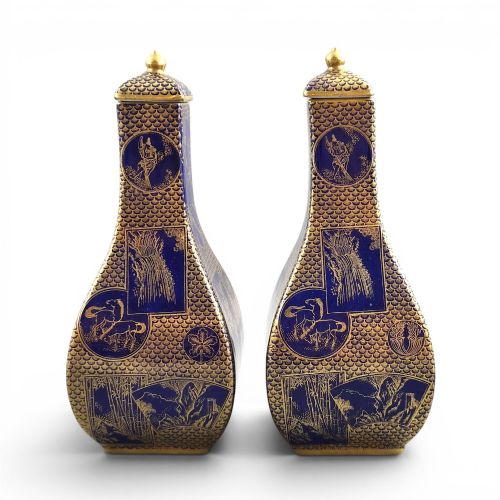
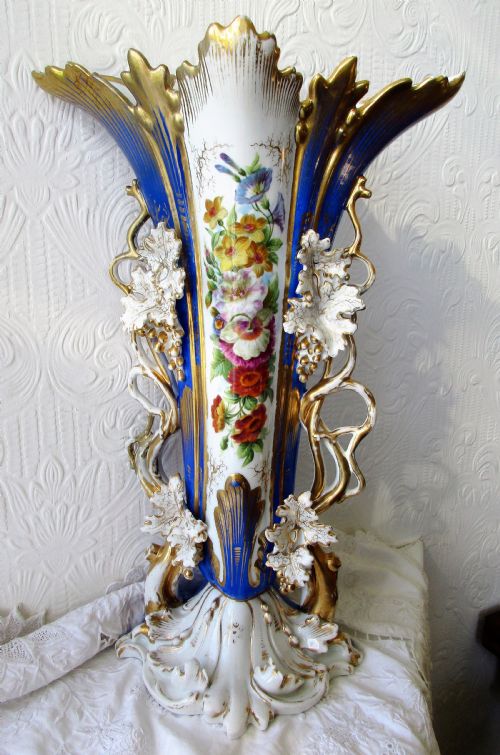
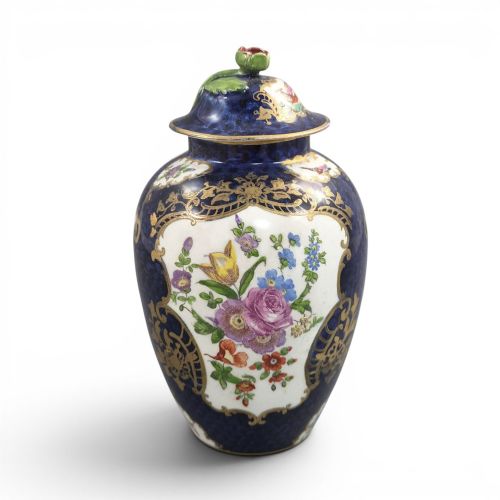
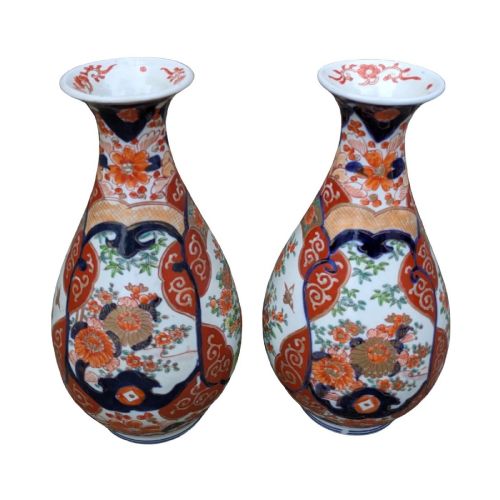
These gilded blue ceramic urn and vase forms unite cobalt grounds with rich gold leaf across several centuries of British, European, and Japanese production.
Gilded Blue Ceramic Urn
A gilded blue ceramic urn or vase brings together cobalt grounds, deep blue glazes, and applied gold leaf across various historic periods and regional traditions.
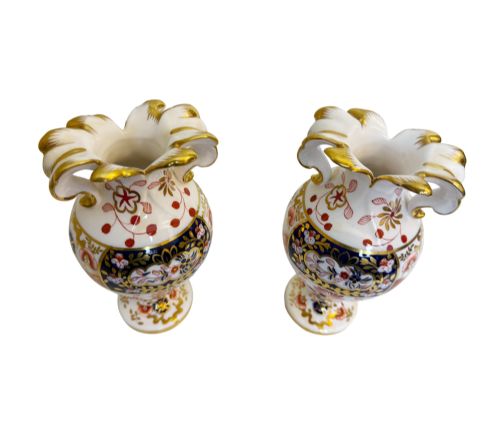
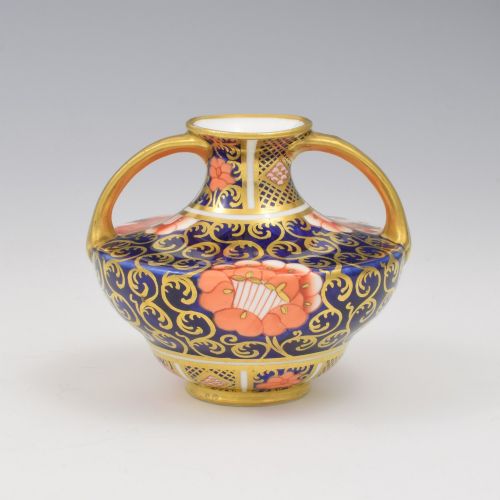
The pieces on this page span the nineteenth century, the Edwardian era, and the early twentieth century, taking forms such as twin-handled vases, campagna urns, jardinieres, and lidded jars.
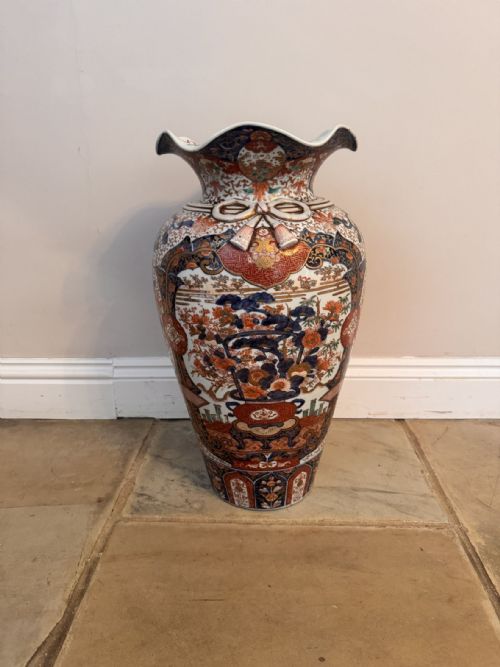
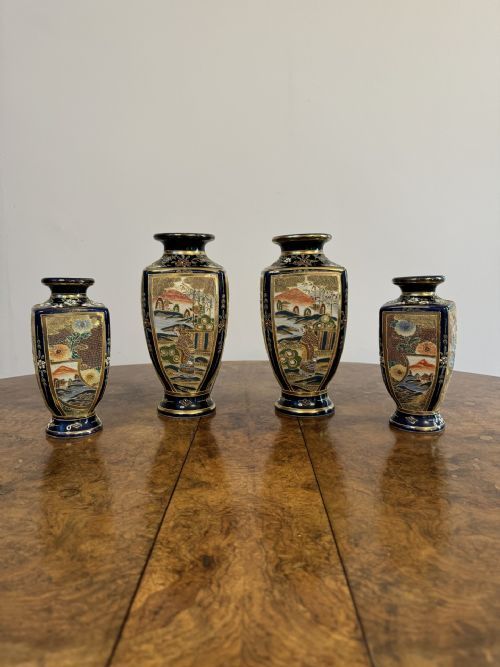
Makers and factories ranging from Worcester, Spode, Coalport, and Minton to Japanese Satsuma and Imari workshops shaped these blue and gold ceramics into decorative vessels and table lamps.
How they were made
Potters shaped porcelain, ironstone, earthenware, and pottery bodies before applying rich cobalt blue glazes and enamel colours to the surfaces.
Makers then embellished these blue grounds with gold leaf, heavy gilding, or ormolu mounts, frequently firing the pieces multiple times to set the metallic and enamel details.
Gilded Blue Ceramic Urn Retail Price Guide 2026
Typical asking prices for gilded blue ceramic urn among the pieces listed under this phrase on Sellingantiques today, from the lower quarter to the upper quarter. They describe what is for sale here now, not the wider market.
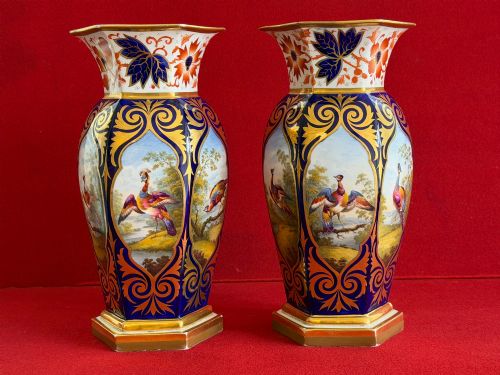
Several Victorian parrots and exotic birds on scale blue grounds keep a watchful, colourful eye over the entire blue and gold assembly.
What varies in quality
The fineness of hand-painted panels, delicate enamelling, and intricate moriage work distinguish the most accomplished examples from standard production pieces.
The crispness and weight of the applied gilding, along with the depth of the cobalt blue ground, set the visual hierarchy across English porcelain and Japanese Satsuma wares.
Flight Barr and Barr·Royal Crown Derby·William Moorcroft·Royal Doulton·Mason s Patent Ironstone
The Gilded Blue Ceramic Urn Glossary
- Cobalt ground
- A deep blue ceramic background colour achieved through metallic oxides during firing. This rich blue tone forms the base for subsequent gilding and enamel decoration.
- Moriage
- A Japanese ceramic technique involving raised slip decoration applied to the clay body. This method creates textured, tactile reliefs beneath the glaze and gold highlights.
- Campagna urn
- A classical bell-shaped pedestal vessel popular in nineteenth-century neoclassical design. These decorative vases often feature twin handles and footed bases.
- Gilding
- The application of gold leaf or powdered gold paint to ceramic surfaces. It provides the metallic contrast that defines these blue and gold vessels.
- Garniture
- A matched set of three or more decorative vases or urns designed to be displayed together on a mantelpiece or sideboard.
Gilded Blue Ceramic Urn: Frequently Asked Questions
What periods do these blue and gold vessels come from?
The listings span the nineteenth century, the Regency and Victorian eras, and early twentieth-century periods including Edwardian and Art Deco production.
Japanese examples also draw upon the Meiji period and Edo manner traditions alongside European factory pieces.
How were these decorative urns and vases used?
These vessels served primarily as decorative garnitures, mantelpiece ornaments, and floral display pieces in formal historic interiors.
Some later examples were adapted into table lamps or utilised as lidded jars and scent bottles.
How do I tell English porcelain from Japanese Satsuma?
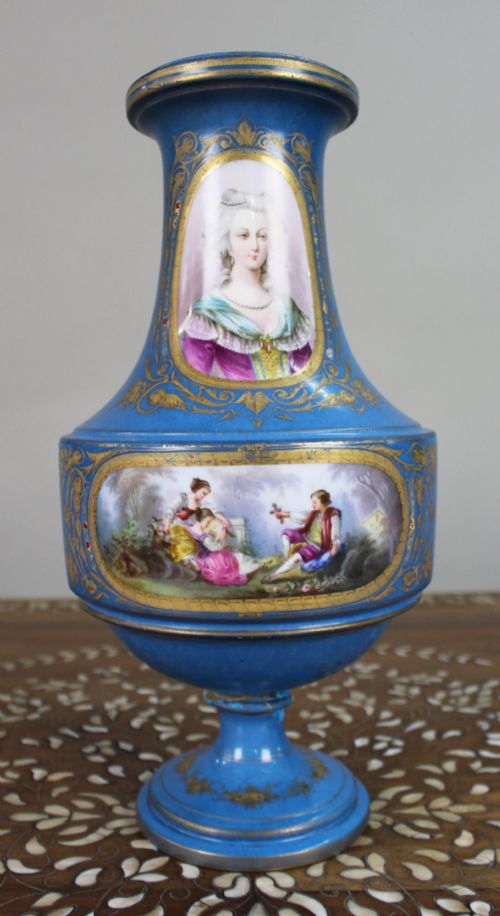
English pieces from factories like Spode, Coalport, and Worcester typically feature refined porcelain bodies with Sèvres-style bleu céleste grounds and classical painted panels.
Japanese Satsuma and Imari wares utilise earthenware or pottery bodies decorated with dense brocade patterns, cobalt grounds, and raised moriage figures.
What materials are used in these blue ceramic pieces?
The pieces utilise ceramic bodies such as porcelain, ironstone, earthenware, and stoneware coated in deep blue glazes and enamels.
Surface ornamentation relies upon gold leaf, heavy gilding, and occasional ormolu metal mounts.