



Antique Ceramic Display Urn
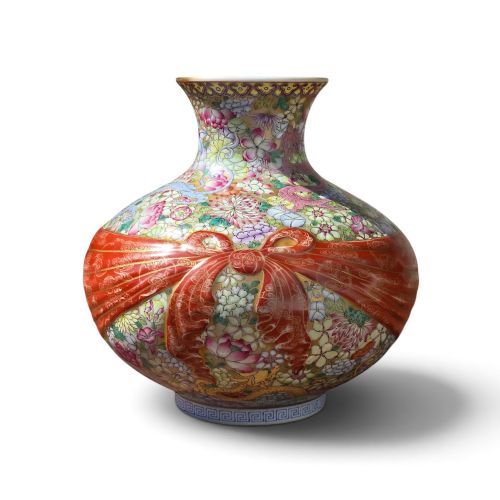
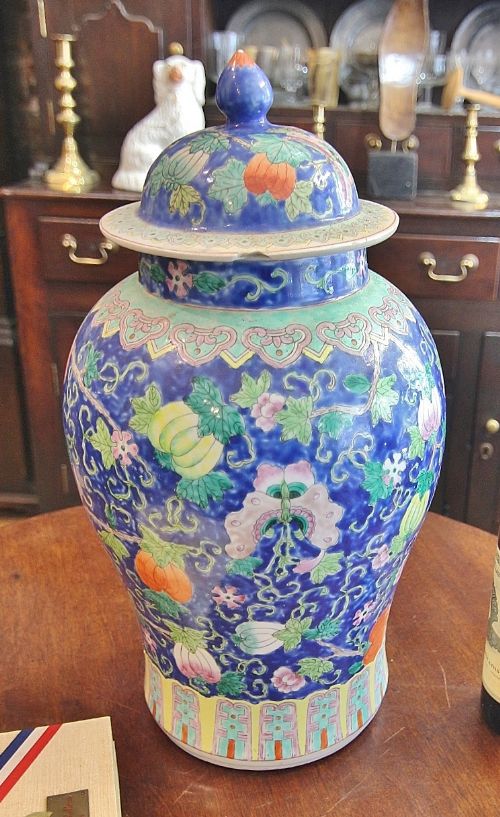
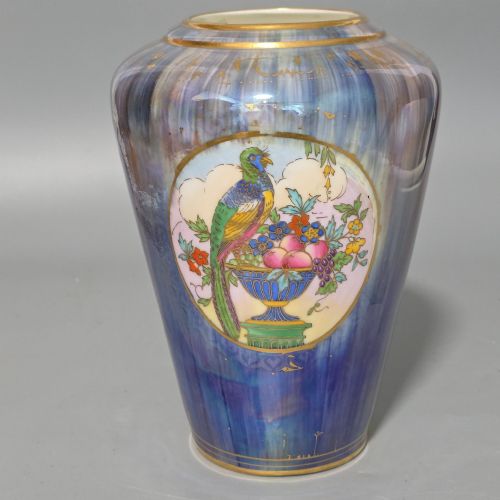
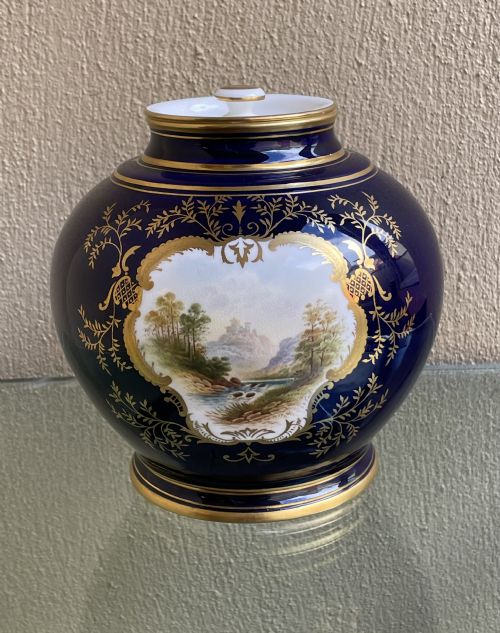
These pieces are antique ceramic display urns, sought after for their ornamental presence and intricate hand-painted detail in any room.
Antique Ceramic Display Urn
Forms range from lidded floor-standing jars to miniature cabinet pieces and decorative pairs. These objects served distinct ornamental roles in period interiors, acting as focal points on pedestals, mantelpieces or large tables.
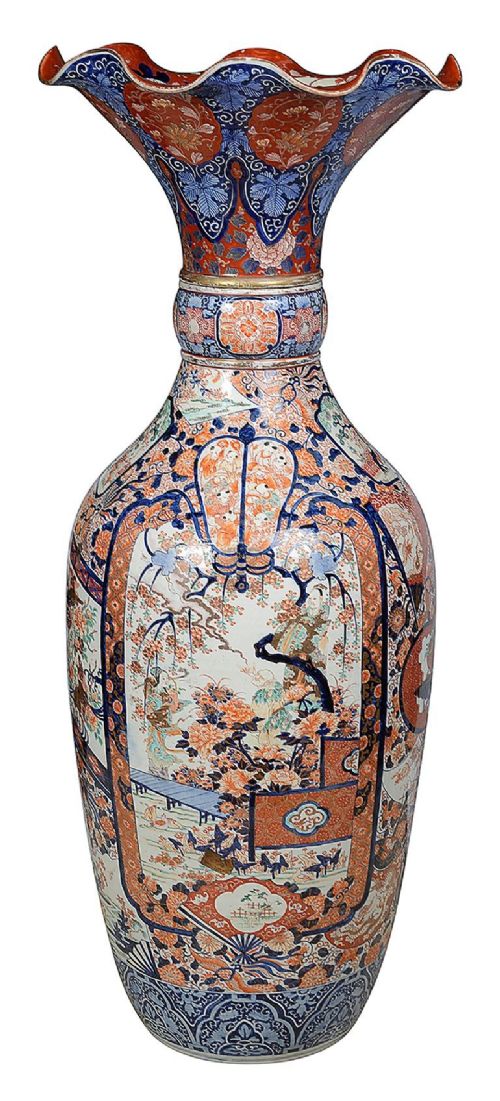
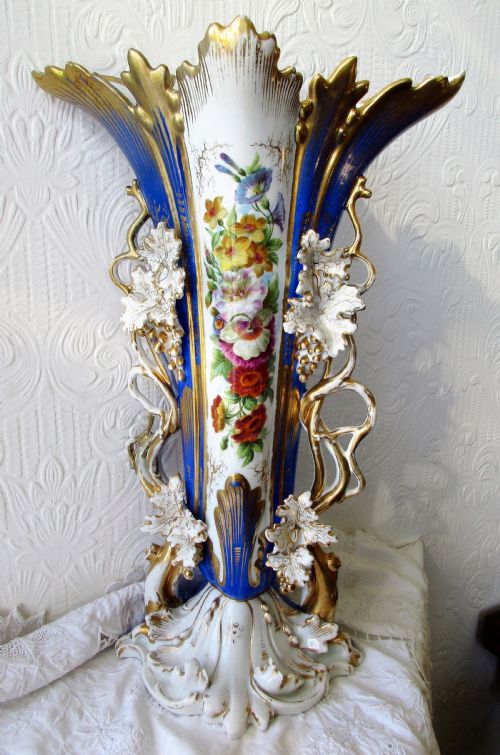
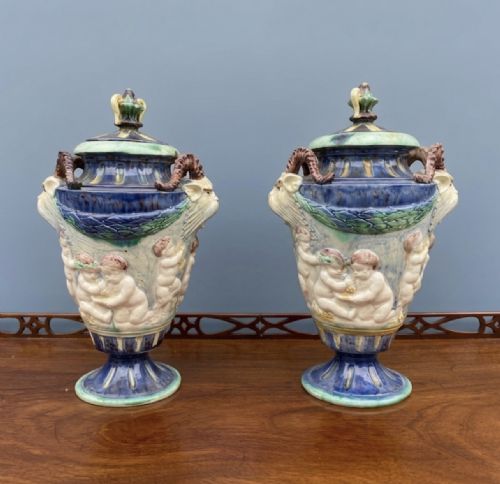
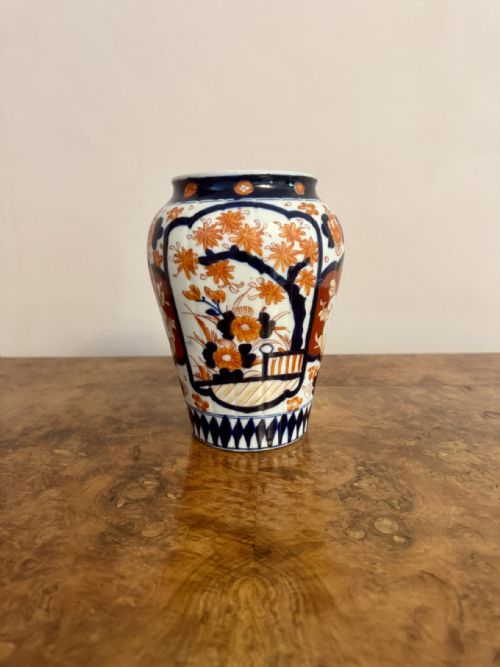
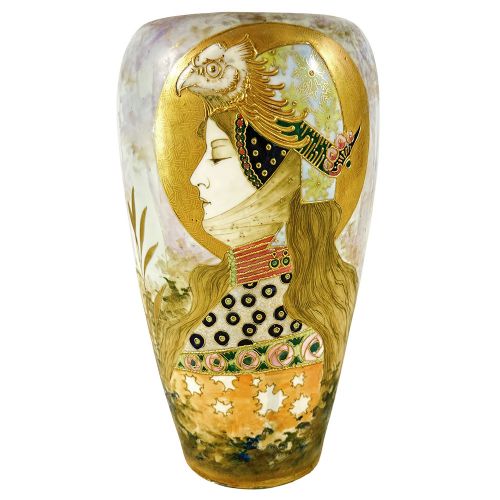
European factories such as Minton, Coalport and Vienna contribute classical proportions and intricate enamel work to the category. Meanwhile, Japanese export wares from the Meiji period bring complex hand-painted figurative scenes and heavy gilding into the mix.
Materials and production methods
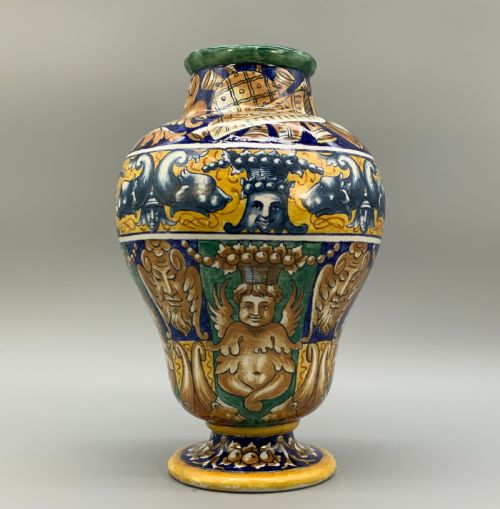
Makers shaped these vessels from porcelain, earthenware and tin-glazed bodies, firing them in kilns before applying pigments and glazes. Artisans utilised hand-painting techniques, laying down cobalt blues, polychrome enamels and iron-red details directly onto the ceramic surface.
Gilt and gold leaf applications highlight specific design elements, often paired with raised moriage decoration or lustre finishes. Wood bases occasionally accompany taller floor vases, providing structural support and display stability for heavy ceramic bodies.
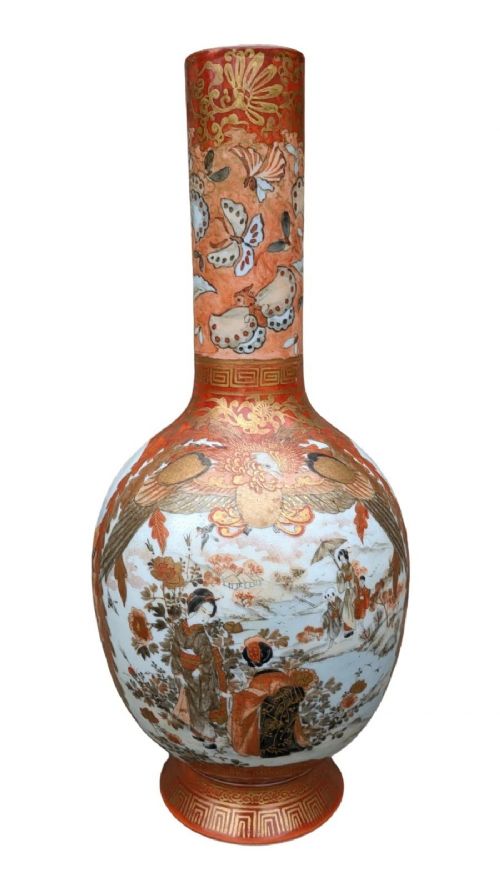
Several Satsuma vases record ancient mythical figures and dragons sharing surface space with tiny, meticulously painted butterflies.
Factors determining quality
Execution of hand-painted detail separates standard decorative items from superior examples. Precision in brushwork, particularly within complex figures, foliage and dragon motifs, indicates the skill of the original workshop or artist.
The density and application of gold leaf, enamel and raised moriage dictate visual depth. Superior vessels exhibit crisp definition in moulded elements and balanced composition across large surfaces without smudging in the glaze.
Reissner Stellmacher and Kessel·Kinkozan·Kinrin Workshop·Minton·Coalport
The Antique Ceramic Display Urn Glossary
- Moriage
- A Japanese ceramic technique using piped slip to create raised, textured decorative patterns on the surface. This method frequently outlines figures and floral elements in high relief.
- Imari
- A style of Japanese export porcelain characterised by a palette of underglaze blue, iron-red and supplementary gold. These pieces display dense geometric and floral panel layouts.
- Majolica
- A type of earthenware covered with an opaque tin glaze and painted with polychrome metallic oxide colours. It gained popularity during Victorian revivals of Renaissance aesthetics.
- Pate-sur-pate
- A ceramic decorating method where successive layers of liquid clay slip are built up to create a low relief cameo effect. The translucent design stands out against a contrasting coloured clay ground.
- Faience
- European tin-glazed earthenware produced in imitation of Chinese porcelain or fine majolica. Potters used this technique extensively in Dutch and French kilns.
Antique Ceramic Display Urn: Frequently Asked Questions
How were display urns used historically?
Owners placed these large decorative vessels in prominent reception rooms and halls purely for visual impact. They rarely held functional contents like water or flowers, acting instead as sculptural centrepieces.
Pairs often framed fireplace mantels or architectural doorways, reflecting the formal interior design tastes of the nineteenth century.
How do I identify Satsuma ware?
Satsuma ceramics feature an ivory-coloured earthenware body covered in a fine, crackled transparent glaze. Artisans painted these surfaces extensively with detailed figures, landscapes and heavy gold highlights.
Most pieces originate from Japan's Meiji period and carry artist signatures or workshop seals on the underside.
Where should I place an urn in my home?
Position large floor-standing vessels in empty corners or beside heavy furniture where their scale can be appreciated safely. Smaller jars and urns sit well on sturdy console tables, sideboards or within glass-fronted cabinets.
Keep them away from direct foot traffic areas to protect delicate handles and raised enamel decorations from accidental knocks.
What is the difference between porcelain and earthenware?
Porcelain is fired at extremely high temperatures using fine kaolin clay, resulting in a dense, non-porous material that rings when struck. Earthenware uses common clay fired at lower temperatures, creating a more porous and heavier body that requires glazes for waterproofing.
Many antique display pieces utilise earthenware for sculptural modelling while relying on porcelain for refined cabinet vessels.