

Antique Buddhist Sculpture
These antique buddhist sculpture pieces bring centuries of meditative presence and ritual craft from across Asia into the home.
Antique Buddhist Sculpture
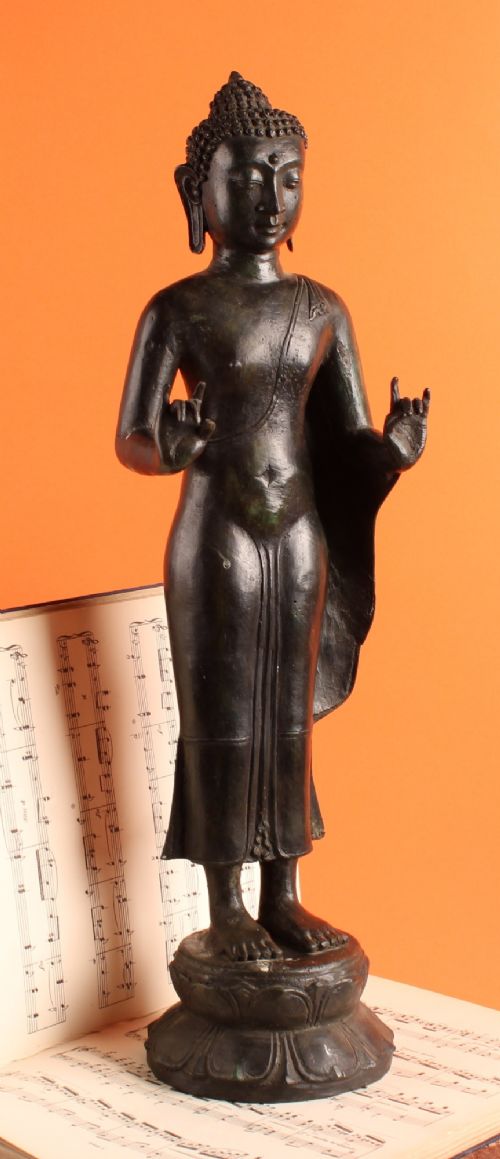
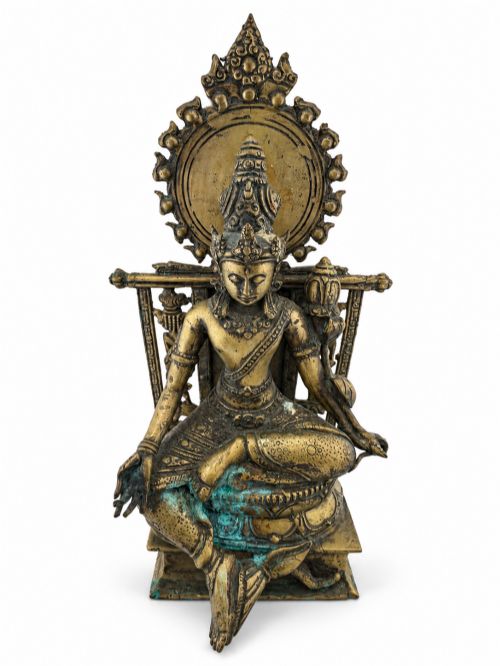
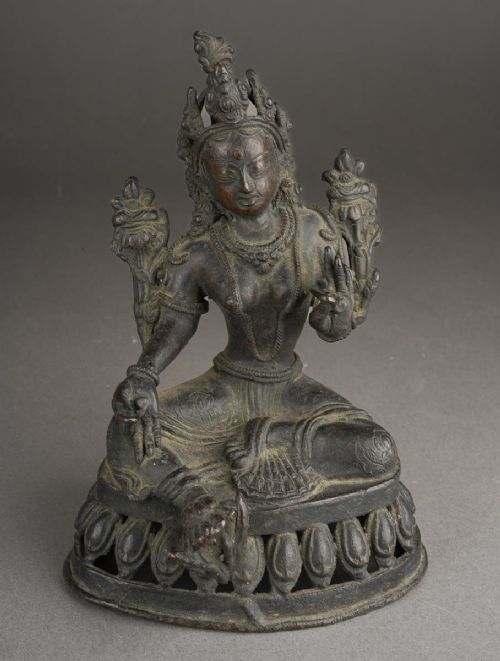
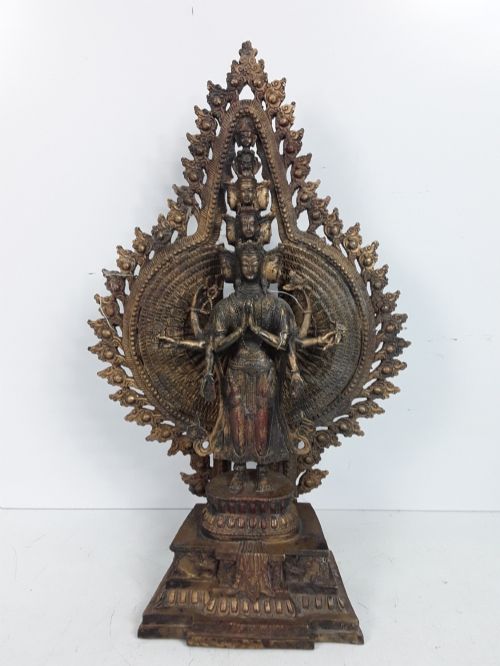
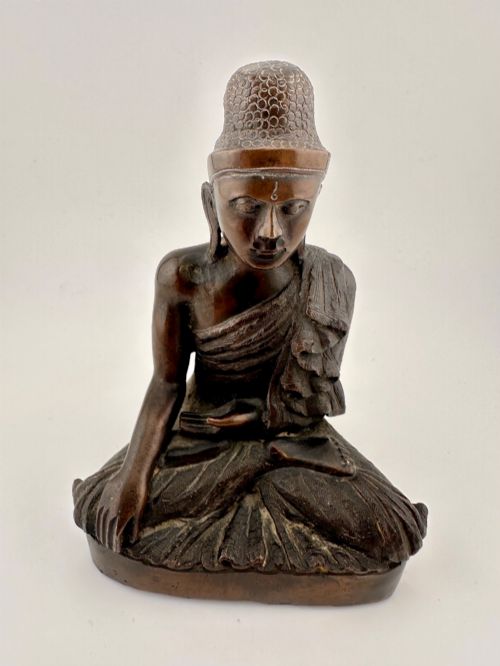
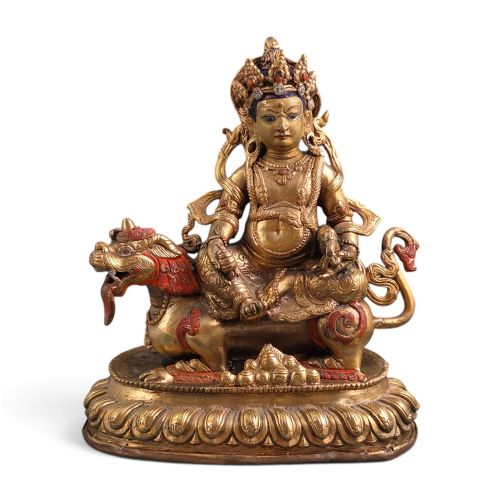
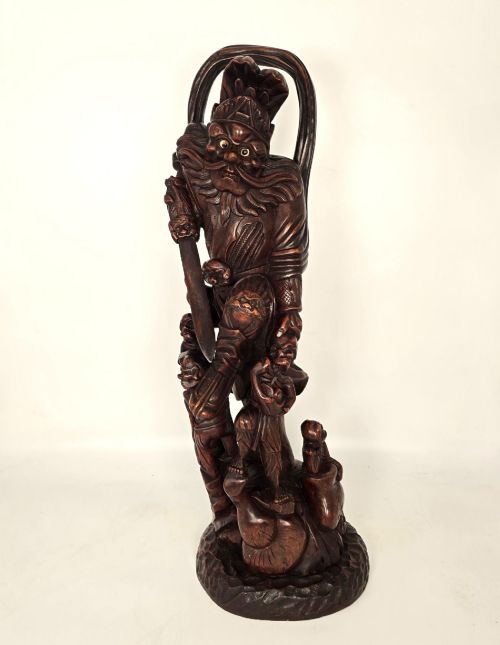
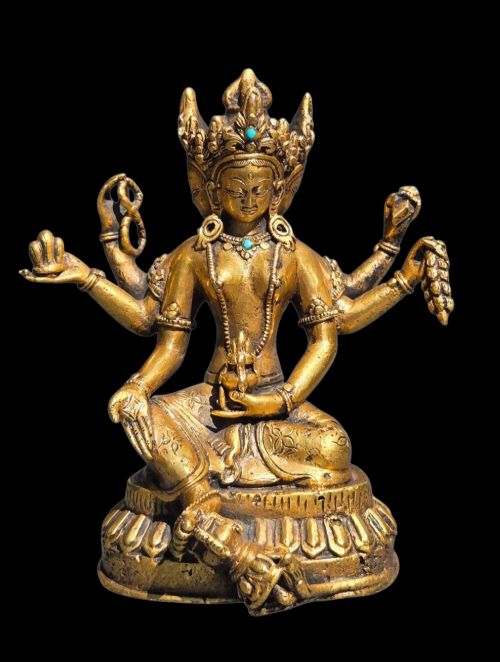
When searching for an antique buddhist sculpture, collectors encounter figures ranging from serene Thai Buddhas to intricate Himalayan deities and Japanese temple figures. The pieces on this page span diverse cultural traditions, including Sino-Tibetan, Burmese Mandalay, and Japanese Meiji aesthetics.
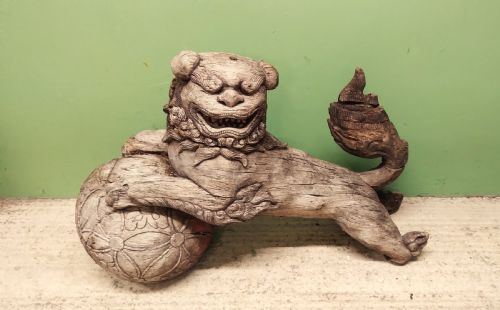
The material forms are equally varied, covering cast metals, carved timbers, and painted ceramics. Bronze and gilt bronze figures frequently appear alongside carved wood temple pieces and porcelain deities such as Kannon.
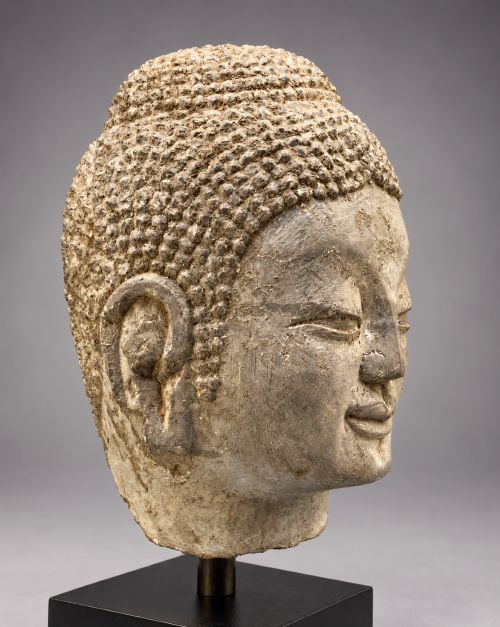
Dating primarily from the eighteenth and nineteenth centuries, alongside earlier pre-sixteenth century fragments, these works reflect the devotional practices and regional artistic styles of their origins.
Materials and construction
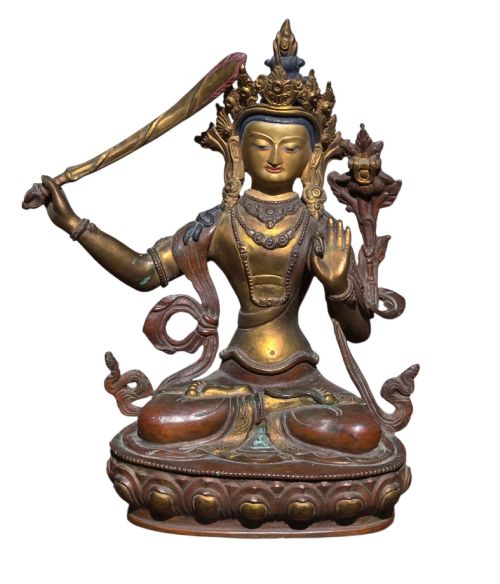
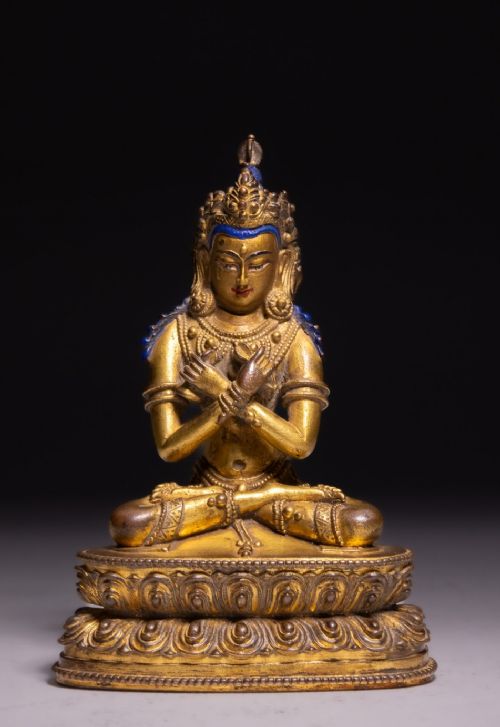
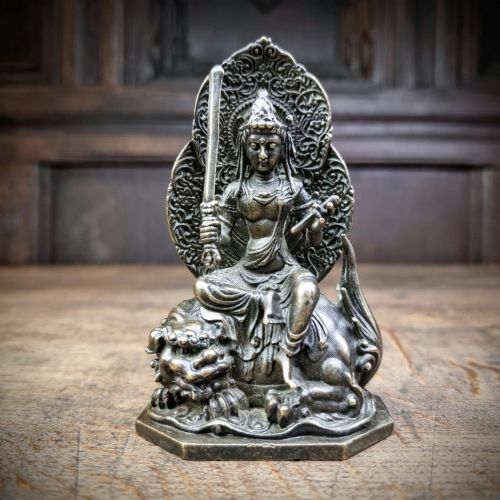
Metal sculptures are typically produced through traditional lost-wax casting, often utilising copper alloy or bronze before receiving applications of gold leaf or gilt surface treatments. Some examples incorporate inlays of turquoise or polychrome painted details to accentuate ornamentation and sacred attributes.
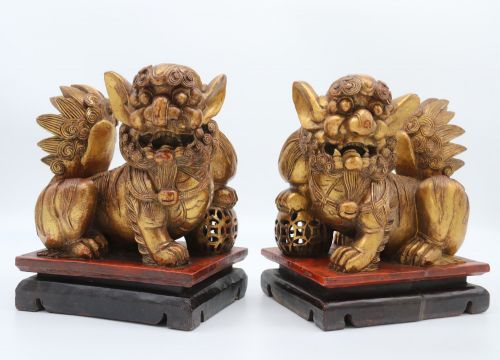
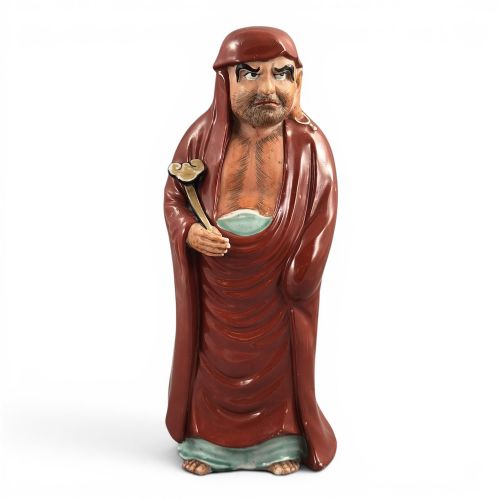
Wooden temple figures rely on skilled hand-carving techniques, frequently finished with layers of lacquer, gilt wood, or painted polychrome pigments. Ceramic pieces demonstrate fine porcelain moulding, particularly visible in Japanese Kutani works depicting figures like Guanyin and Daruma.
The inventory spans multiple periods, including the eighteenth century, nineteenth century, and early twentieth century.
Factors of quality and execution
Quality in these sculptures rests upon the crispness of the casting or the depth and precision of the hand-carving. Superior examples exhibit finely rendered facial expressions, well-defined drapery folds, and harmonious proportions consistent with their specific iconographic traditions.
The preservation of original surface finishes, such as fire gilding, lacquer, and gold leaf, significantly elevates a piece. Subtle chasing work and intact ritual attributes or inlays distinguish masterworks from more commercial utilitarian temple items.
The Antique Buddhist Sculpture Glossary
- Mudras
- Symbolic hand gestures made by a Buddha or deity in sculpture. Each specific gesture communicates a particular teaching, fearlessness, or earth-witnessing moment.
- Bodhisattva
- An enlightened being who defers Buddhahood to assist others. These figures are typically adorned with elaborate jewellery and royal garments unlike the simpler robes of a Buddha.
- Gilt bronze
- Metal cast primarily from copper alloy and coated with a thin layer of gold or gold amalgam. This technique provides a lasting, luminous finish to sacred figures.
Antique Buddhist Sculpture: Frequently Asked Questions
What is a mudra on a statue?
A mudra is a symbolic hand gesture depicted on the figure, carrying specific religious meaning. These gestures represent teachings, meditation, or protection.
Collectors look closely at mudras to identify the specific deity and the regional tradition of the sculpture.
How do I display a sculpture at home?
These pieces require stable placement away from direct sunlight and sudden temperature fluctuations. Placing them on a sturdy shelf or dedicated display surface ensures safety and prominence.
Allowing adequate surrounding space helps highlight the sculptural form and meditative character of the work.
Are these pieces from temples?
Many figures originated in domestic shrines, regional temples, or monastic settings across Asia. Their use ranged from focal points for daily prayer to ritual shrine accompaniments.
Over time, various pieces transitioned into secular collections while retaining their spiritual aesthetic.