
Antique Bronze Animal Ornament
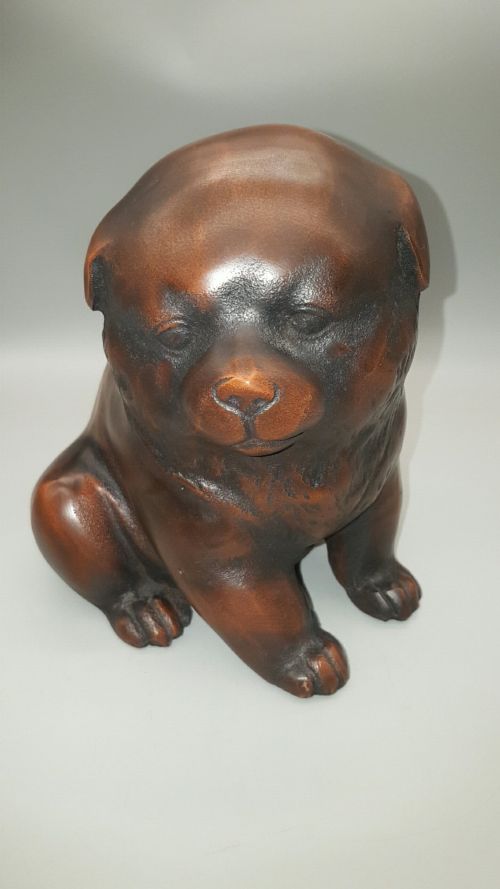
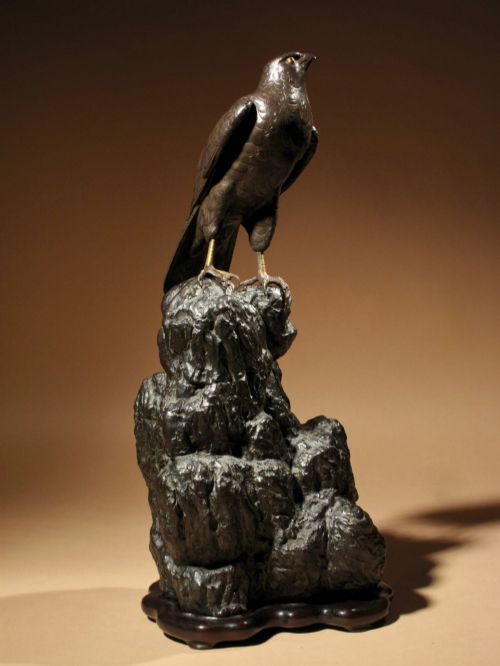
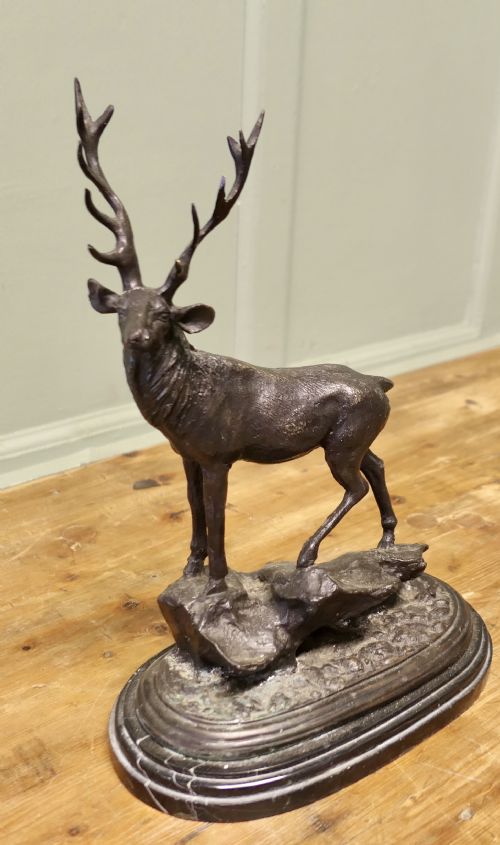
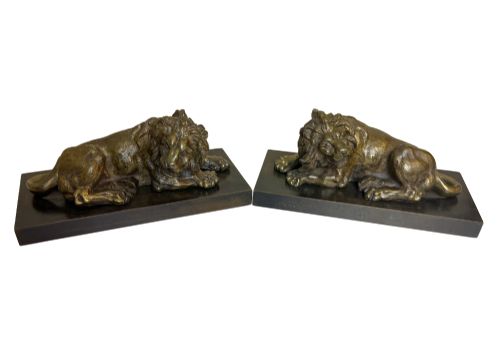
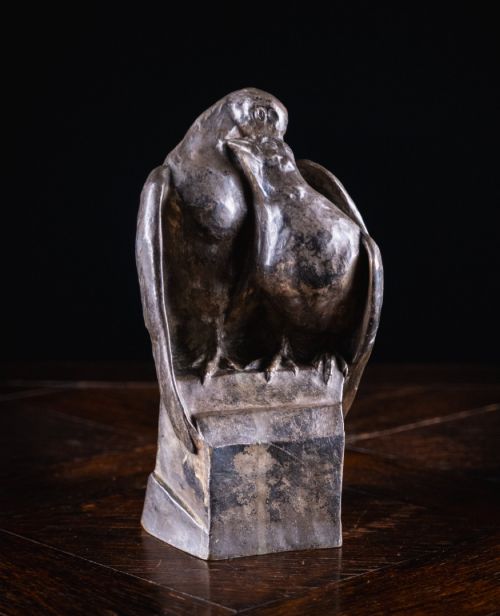
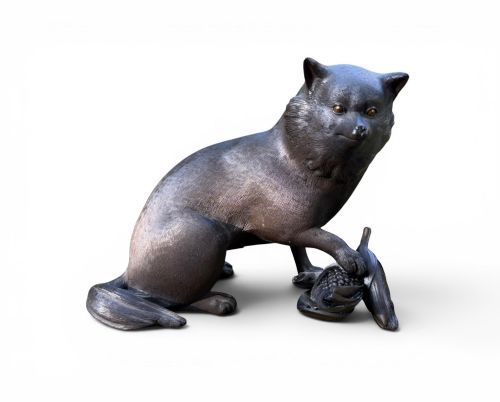
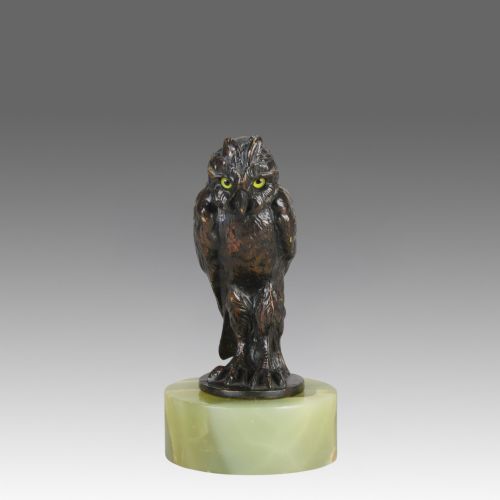
These pieces are a solid antique bronze animal ornament, bringing the weight and texture of nineteenth-century foundry work directly to a desk or mantelpiece.
Antique Bronze Animal Ornament
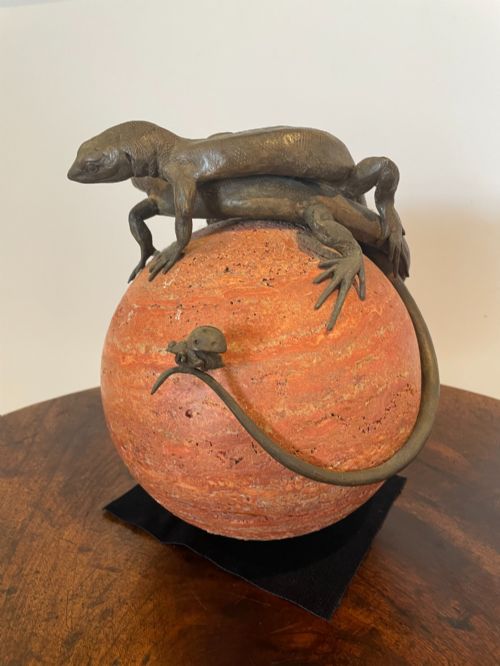
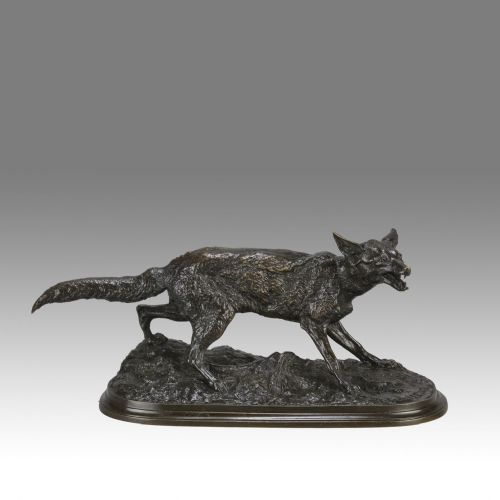
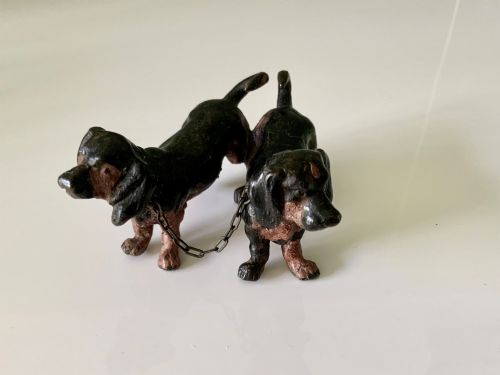
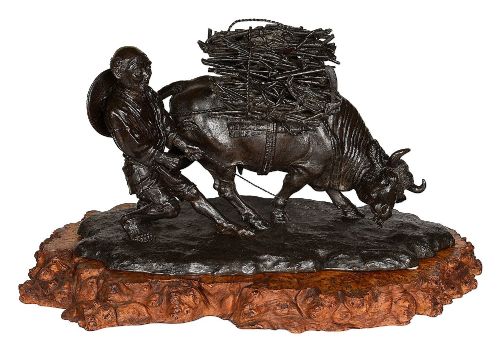
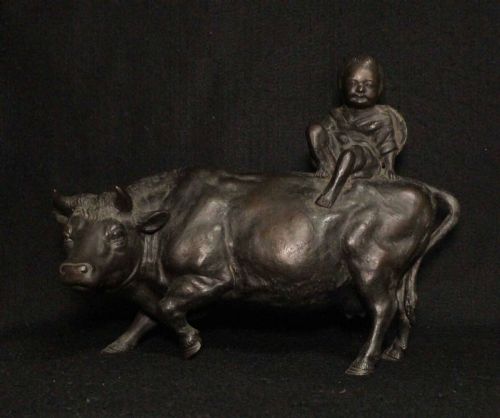
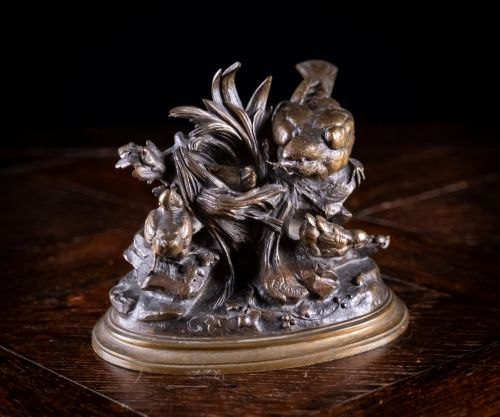
When you search for an antique bronze animal ornament, you find a diverse gathering of European animalier studies, Austrian cold-painted novelties, and Japanese Meiji period okimono. These works range from diminutive miniatures designed for desk accessories to substantial sculptures mounted upon marble or onyx plinths.
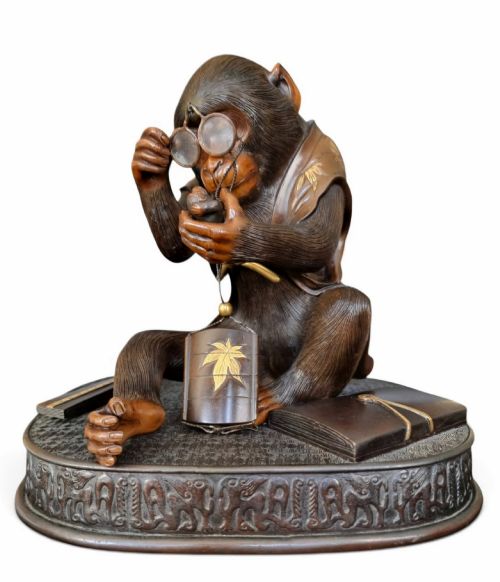
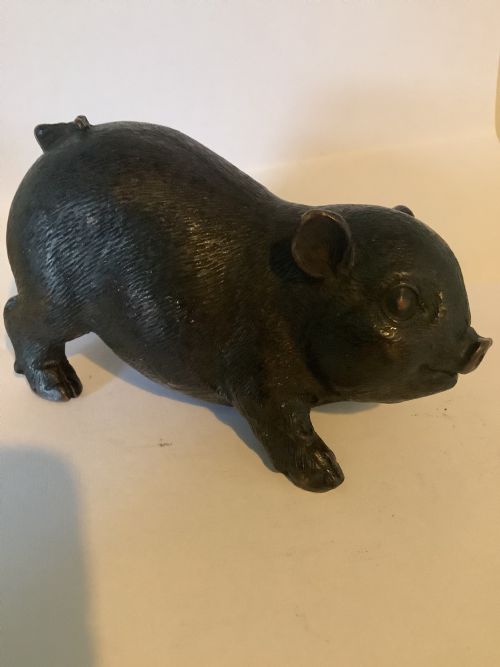
The specimens on this page cover the nineteenth century and the early decades of the twentieth, encompassing Victorian interpretations of wildlife alongside exported Japanese bronze figures of birds, elephants, and monkeys. Domestic animals, game, and mythical beasts appear with equal frequency across the selection.
Materials and casting methods
Foundries utilised traditional lost-wax casting and sand-casting techniques to capture musculature, feathers, and fur in solid bronze. Many European works received applied patination, ranging from warm brown tones to deep blacks, while Austrian workshops specialised in detailed cold-painted finishes applied over the metal.
Makers frequently combined bronze with natural materials such as marble, onyx, wood, and ivory to mount or support the figures. Mixed-metal techniques also emerge in Japanese Meiji period pieces, where contrasting metallic alloys highlight anatomical details.
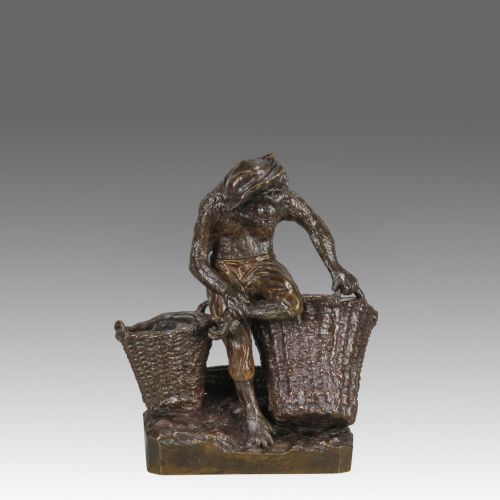
Several bronzes depict surprisingly industrious animals, including a miniature cockerel holding a bucket and monkeys carrying wicker baskets.
Defining quality and execution
The distinction between tiers rests upon the crispness of the chase work and the fidelity of the anatomical modelling. Master founders achieved realistic textures and balance without relying on heavy post-casting filing.
Preservation of the original surface patina or cold-painted enamel dictates desirability. Pieces retaining unrubbed coloration and original stone plinths represent the upper range of the selection.
P J Mêne·Franz Bergman·Antoine Louis Barye·Christophe Fratin·Alfred Barye
The Antique Bronze Animal Ornament Glossary
- Animalier
- A nineteenth-century artistic movement dedicated to the realistic portrayal of animals, particularly predators and domestic beasts. Sculptors in this style studied living subjects in menageries to capture authentic movement.
- Cold-Painted Bronze
- A technique where bronze figures receive polychrome paint finishes that are left to dry naturally rather than fired in a kiln. Austrian workshops popularized this method for small domestic ornaments.
- Okimono
- A Japanese term for a decorative object traditionally placed in a home's alcove or upon a shelf. These figures often depict animals, legendary beasts, or genre scenes from daily life.
- Patina
- The surface coloration and sheen acquired by bronze over time through oxidation or intentional chemical treatment by the founder. It protects the underlying metal and defines the visual depth of the sculpture.
Antique Bronze Animal Ornament: Frequently Asked Questions
What is an animalier bronze?
An animalier bronze is a nineteenth-century sculpture focused specifically on the anatomical accuracy and natural behaviour of animals. These pieces range from small domestic dogs to powerful big cats captured in motion.
European foundries produced these works to satisfy a growing Victorian appetite for natural history and realism in interior decoration.
How do I care for cold-painted bronze?
Cold-painted bronze requires gentle dusting with a soft, dry brush to protect the delicate painted surface from abrasion. Avoid using water, oils, or chemical cleaning agents which can strip the original pigments.
Keep the piece away from direct sunlight and high humidity to prevent the paint from fading or flaking over time.
How are bronze sculptures mounted?
Many sculptures are secured directly to bases made of marble, onyx, or wood to provide stability and visual weight. These plinths are characteristic of late nineteenth and early twentieth-century display standards.
The stone bases often feature polished finishes that contrast with the dark patina of the bronze animal figures above.