


Oriental Bronze Sculpture Elephant
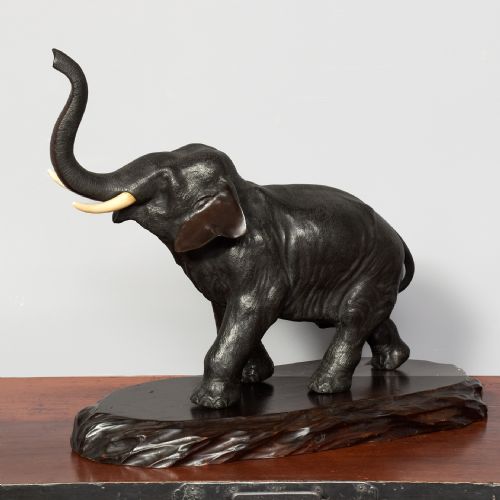
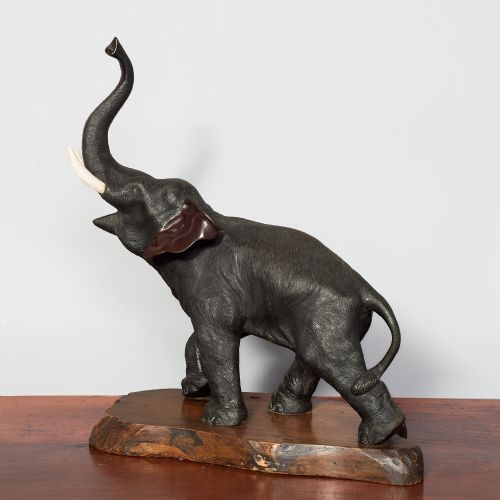
These oriental bronze sculpture elephant pieces bring remarkable cast metal presence and intricate detail into a room.
Oriental Bronze Sculpture Elephant
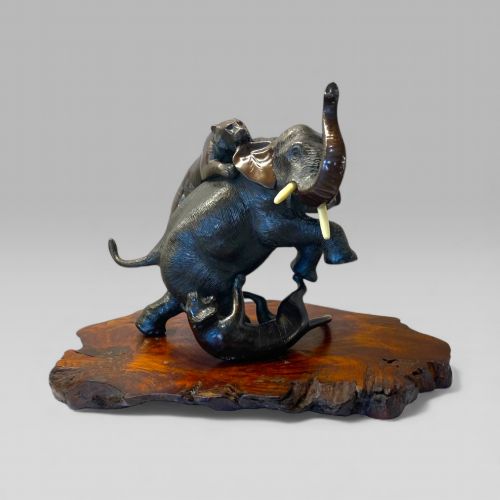
When you search for oriental bronze sculpture elephant, you find heavy cast metal figures and vases originating from Japanese Meiji period workshops, 19th-century India, and Burma. The forms range from naturalistic animal studies to dynamic scenes of elephants fighting tigers, often accompanied by riders or mounted on naturalistic bases.
The version you are most likely to meet on this page is the Japanese Meiji period bronze elephant, frequently incorporating inlaid details and occasionally presented as an okimono or part of a pair of vases. These works span the late 19th century into the early 20th century, capturing both solitary beasts and complex multi-figure narratives.
How they were made
These works rely on bronze casting techniques, frequently enhanced with contrasting materials such as gold inlay, silver inlay, wood, bone, and ivory for tusks and eyes. Artisans utilised mixed metal techniques to create varied surface tones and textures across the hide and harness.
Many Japanese pieces incorporate fine engraved markings and specialised patination to render realistic skin folds and muscular tension. Subsidiary elements like ivory tusks or diamond eyes were fitted separately into the cast body to heighten the lifelike effect.
Several elephants on this page face an existential crisis, caught mid-battle with determined tigers clinging to their sides.
What varies in quality
The distinction between standard output and finer work lies in the sharpness of the casting and the depth of the chased surface details. Superior examples display meticulous attention to anatomical accuracy, skin texture, and the integration of secondary elements like riders or attacking tigers.
Signature panels and attribution to recognised makers elevate a piece beyond standard decorative foundry production. The precision of inlaid precious metals and the naturalism of the pose further separate ordinary castings from masterworks.
Tsunemitsu·Genryusai Seiya
The Oriental Bronze Sculpture Elephant Glossary
- Okimono
- A Japanese term for a decorative object designed for display on a tokonoma alcove or shelf. These freestanding sculptures focus on naturalistic animal subjects rather than religious veneration.
- Meiji Period
- The era of Japanese history lasting from 1868 to 1912, marked by the opening of trade with the West and a surge in accomplished metalwork. Artisans during this time produced intricate bronzes for international export.
- Mixed Metal
- An alloy combination or the simultaneous use of different metals such as copper, silver, and gold within a single object. This technique allows for contrasting colour accents and highlights.
- Patination
- The chemical or natural coloration applied to the surface of bronze. It defines the shadow and tone of the metal, creating deep browns, blacks, or verdigris finishes.
Oriental Bronze Sculpture Elephant: Frequently Asked Questions
What is an okimono elephant?
An okimono is a Japanese display sculpture intended for interior decoration rather than religious use. These pieces focus on realistic or dynamic depictions of animals.
In the context of bronze work, they represent freestanding sculptures placed on tables or stands to showcase the foundry skills of the period.
How do I date these bronzes?
Dating relies on stylistic markers associated with the Meiji period, 19th-century Indian craftsmanship, or early 20th-century Burmese production. Workshops often exported specific naturalistic animal forms during distinct decades.
Examining the casting methods, patination styles, and associated signature marks helps place the piece within its historical era.
Where were these sculptures made?
The pieces originate primarily from Japanese foundries during the Meiji era, alongside traditional workshops in 19th-century India and Burma. Each region utilised distinct casting traditions and surface treatments.
Japanese examples frequently feature fine ivory or bone additions and dramatic animal combat motifs.
How do I care for bronze?
Bronze requires a stable indoor environment away from excessive moisture and direct heat sources to preserve the historic patination. Gentle dusting with a soft, dry cloth is usually sufficient for routine maintenance.
Avoid using abrasive cleaning products or polishes that can strip away the original surface finish and metal coloration.