


Antique Bombe Chest
An antique bombe chest delivers sweeping, rounded curves and bold proportions that command attention in any room.
Antique Bombe Chest
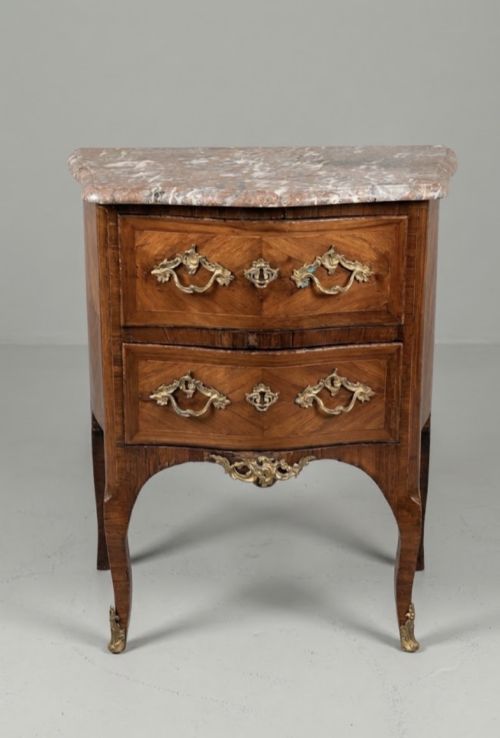
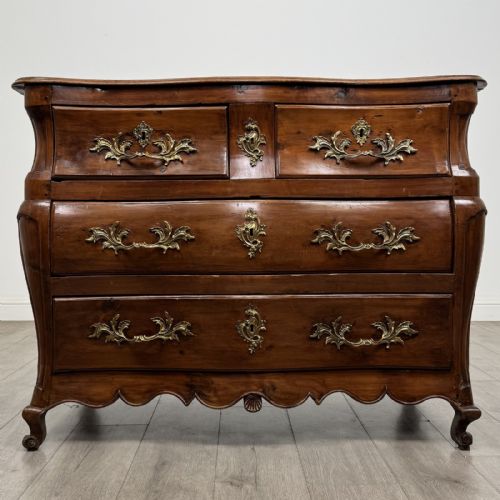
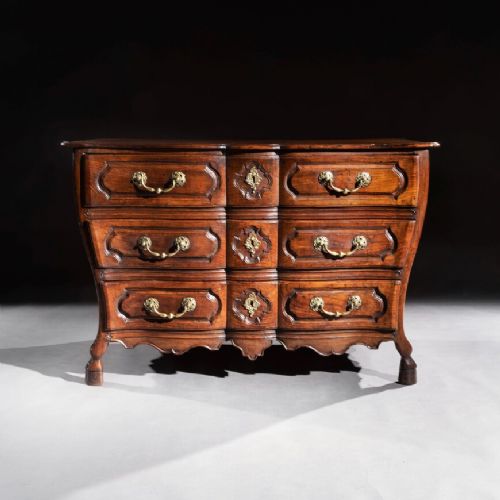
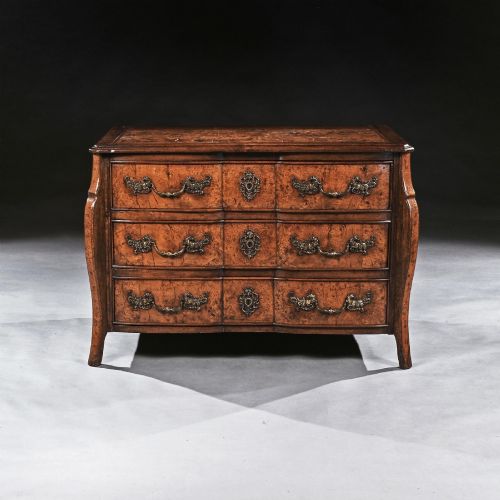
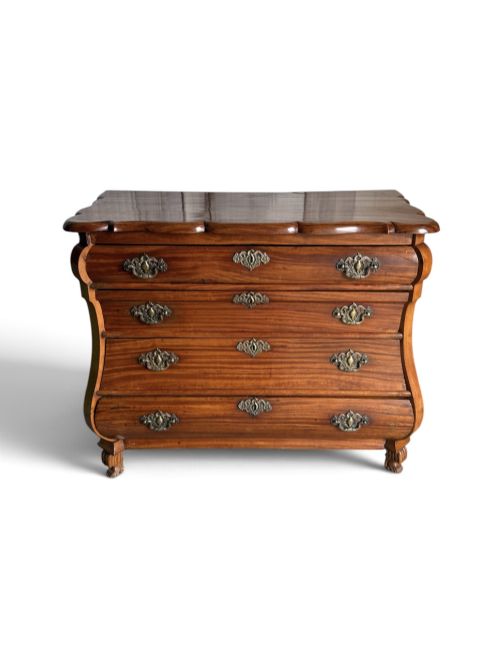
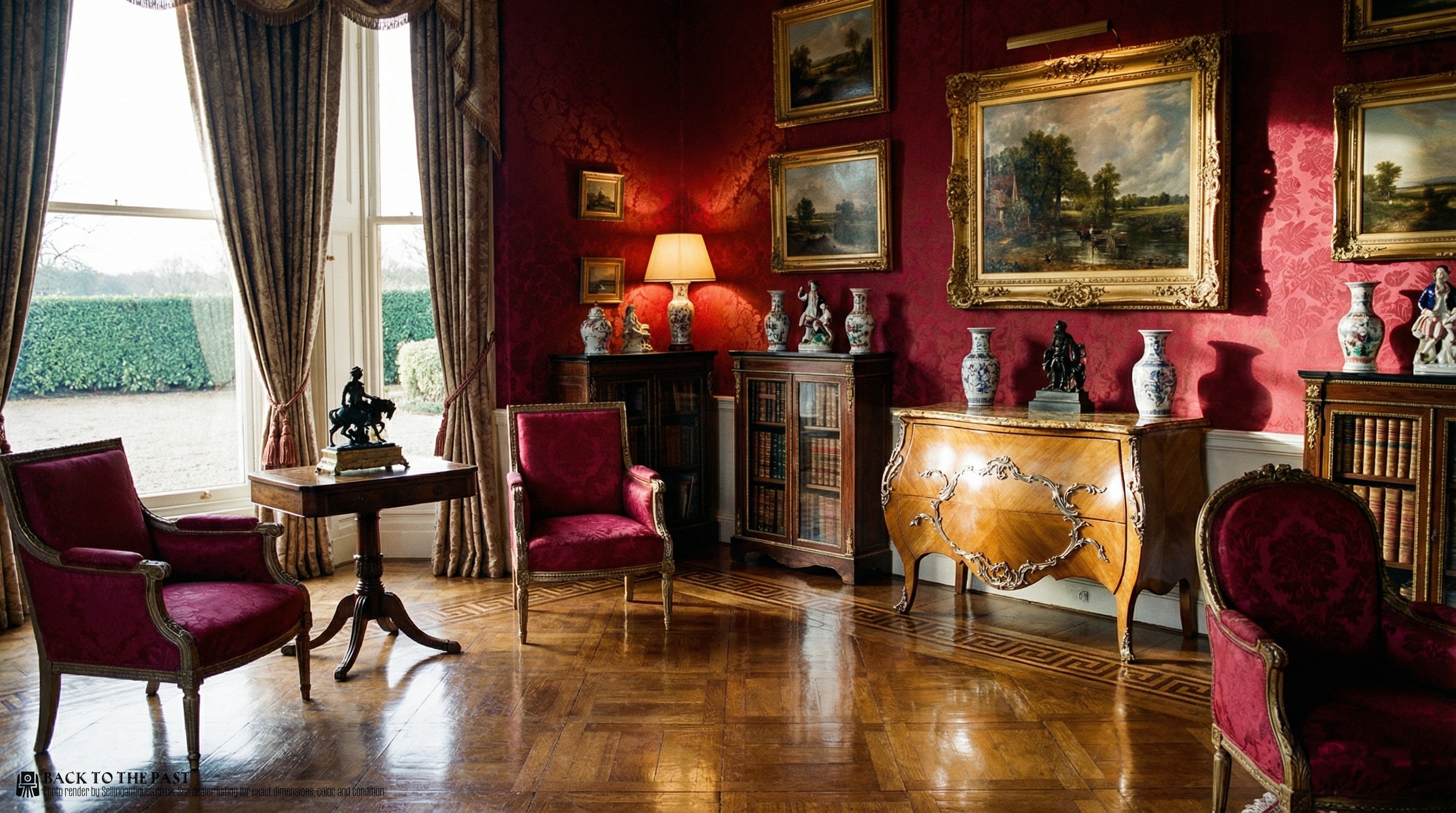
An antique bombe chest presents a distinctive convex front and swelling sides that set it apart from standard rectilinear furniture. These pieces span centuries of craftsmanship, originating from continental workshops where cabinet makers mastered complex, flowing contours.
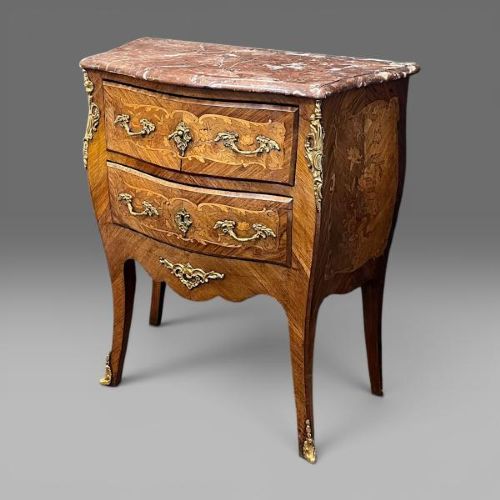
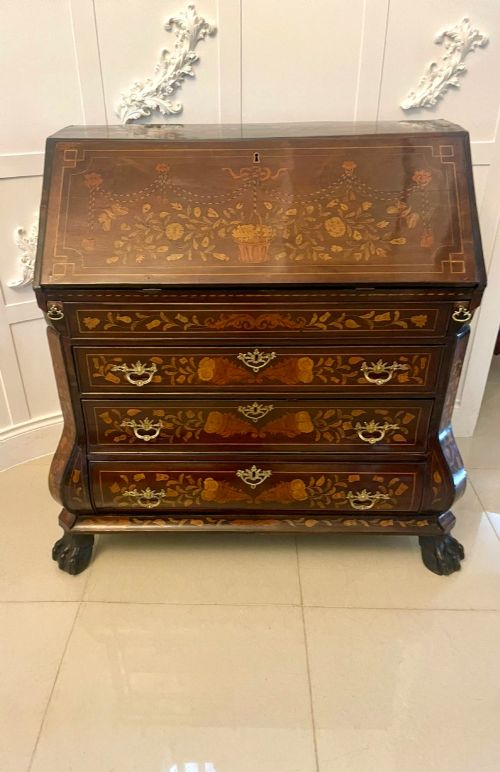
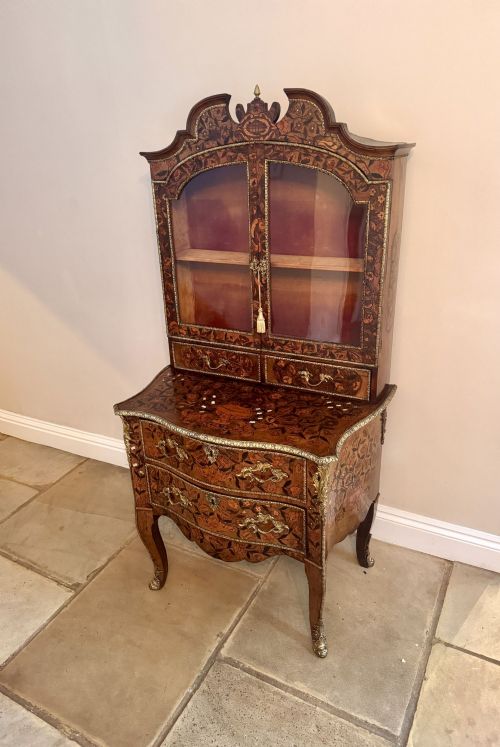
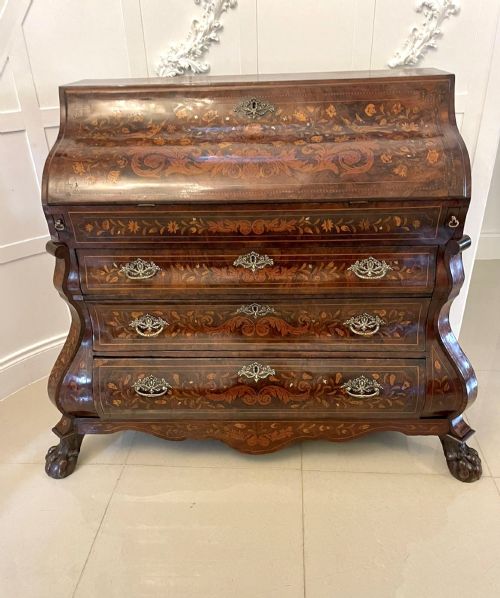
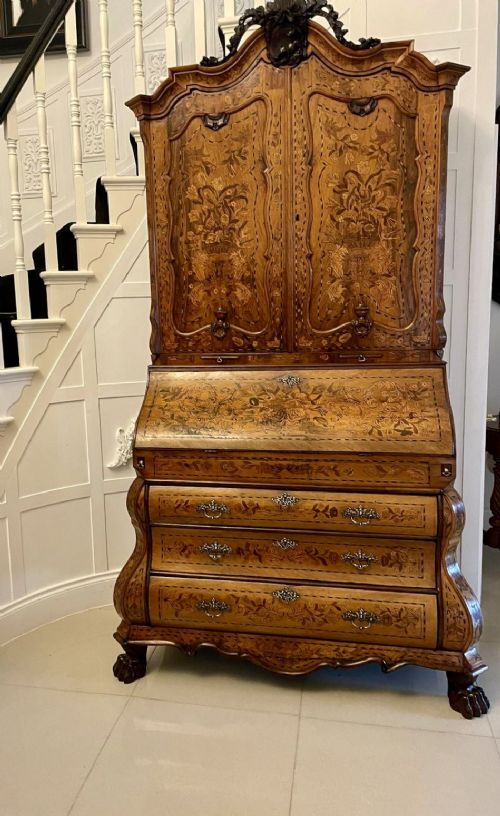
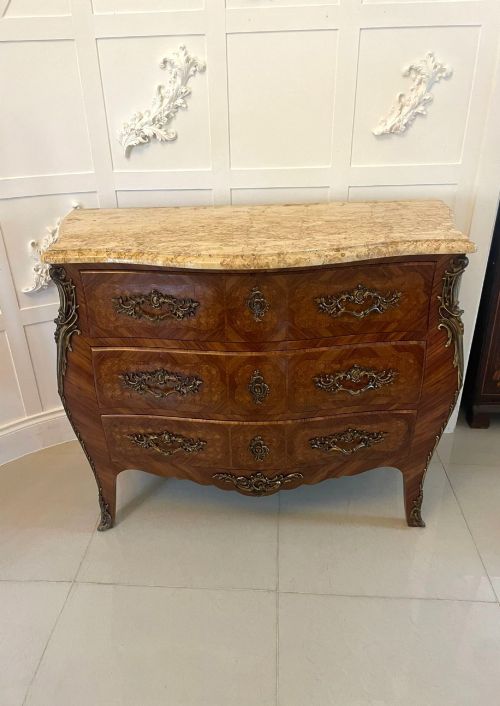
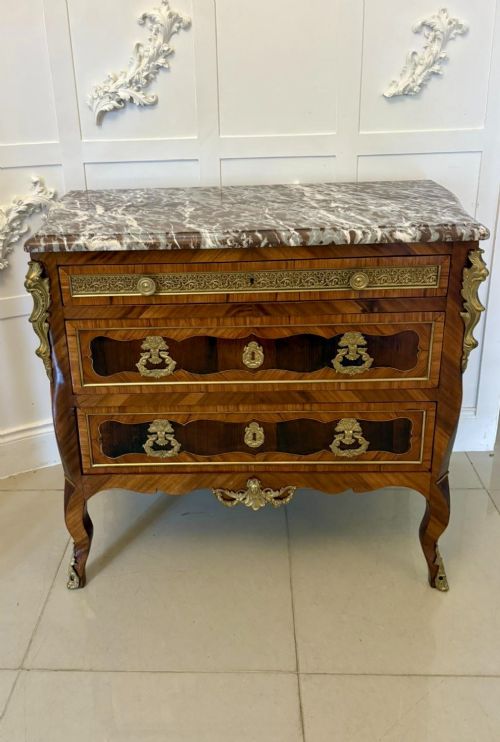
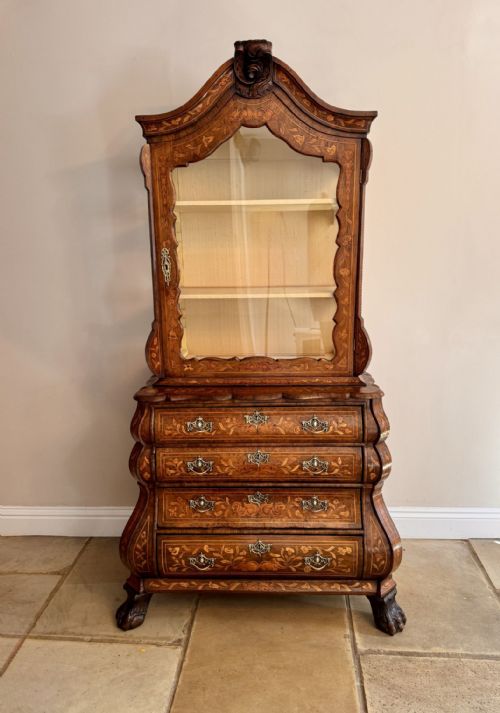
The selections here highlight various forms including commodes, bureaus, and display cabinets sharing the characteristic swelling profile. Buyers frequently encounter Dutch and French iterations featuring rich timber veneers or painted surfaces.
Makers designed these substantial pieces to serve as primary storage furniture in domestic interiors. Their dramatic silhouette demands space to let the curved lines catch the light.
Materials and construction methods
Craftsmen built these pieces over robust carcases of oak or pine, applying decorative veneers such as walnut, kingwood, and burr elm. Artisans shaped the timber to achieve the signature swelling profile before laying down intricate marquetry or parquetry patterns.
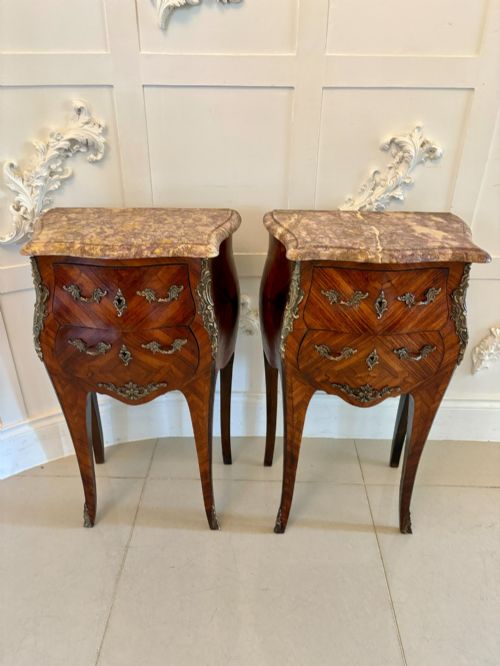
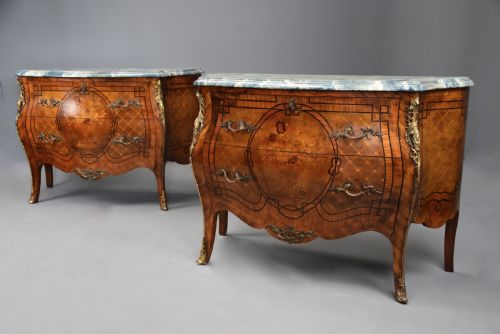
Many continental examples incorporate contrasting brass handles, ormolu mounts, and polished marble tops that add weight and colour contrast to the wooden surfaces. Specialised finishing techniques like japanned lacquer and Vernis Martin appear on select cabinets.
Antique Bombe Chest Retail Price Guide 2026
Typical asking prices for bombe chest among the pieces listed under this phrase on Sellingantiques today, from the lower quarter to the upper quarter. They describe what is for sale here now, not the wider market.
Certain commodes hide their curves beneath whimsical Chinoiserie lacquers.
Distinguishing quality across examples
Quality rests in the fluidity of the swelling timber and the precision of the veneer work across the complex curves. Superior examples display seamless alignment in floral marquetry patterns that flow naturally over the rounded drawer fronts.
The calibre of the cast ormolu mounts and the weight of the fitted marble top indicate the workshop standard. Interior construction, including secondary timbers and drawer lining execution, reveals the original maker's commitment to durability.
E. Kahn·Edwards & Roberts
The Antique Bombe Chest Glossary
- Bombe
- A French term describing furniture with a swelling or bulging outward contour on the front and sides.
- Marquetry
- The art of applying decorative pieces of veneer to a structure to form intricate floral or geometric designs.
- Ormolu
- Gilded bronze mounts cast and chased for decorative effect on cabinet corners, apron mounts, and handles.
- Commode
- A low chest of drawers, typically of French origin, standing on short legs and fitted with decorative mounts.
- Parquetry
- Geometric wood mosaic work used for surface decoration on tabletops and drawer fronts.
Antique Bombe Chest: Frequently Asked Questions
Where did bombe chests originate?
Continental European workshops, particularly in France and the Netherlands, pioneered the sweeping curved forms during the eighteenth century.
Cabinet makers in these regions pushed timber manipulation to new limits to create the dramatic swelling silhouettes.
How do I clean marble top chests?
Wipe the stone surface with a soft, damp cloth using mild soap and dry thoroughly immediately afterward.
Avoid acidic cleaning agents or harsh chemicals that can etch the polished stone finish.
Are these pieces suitable for modern homes?
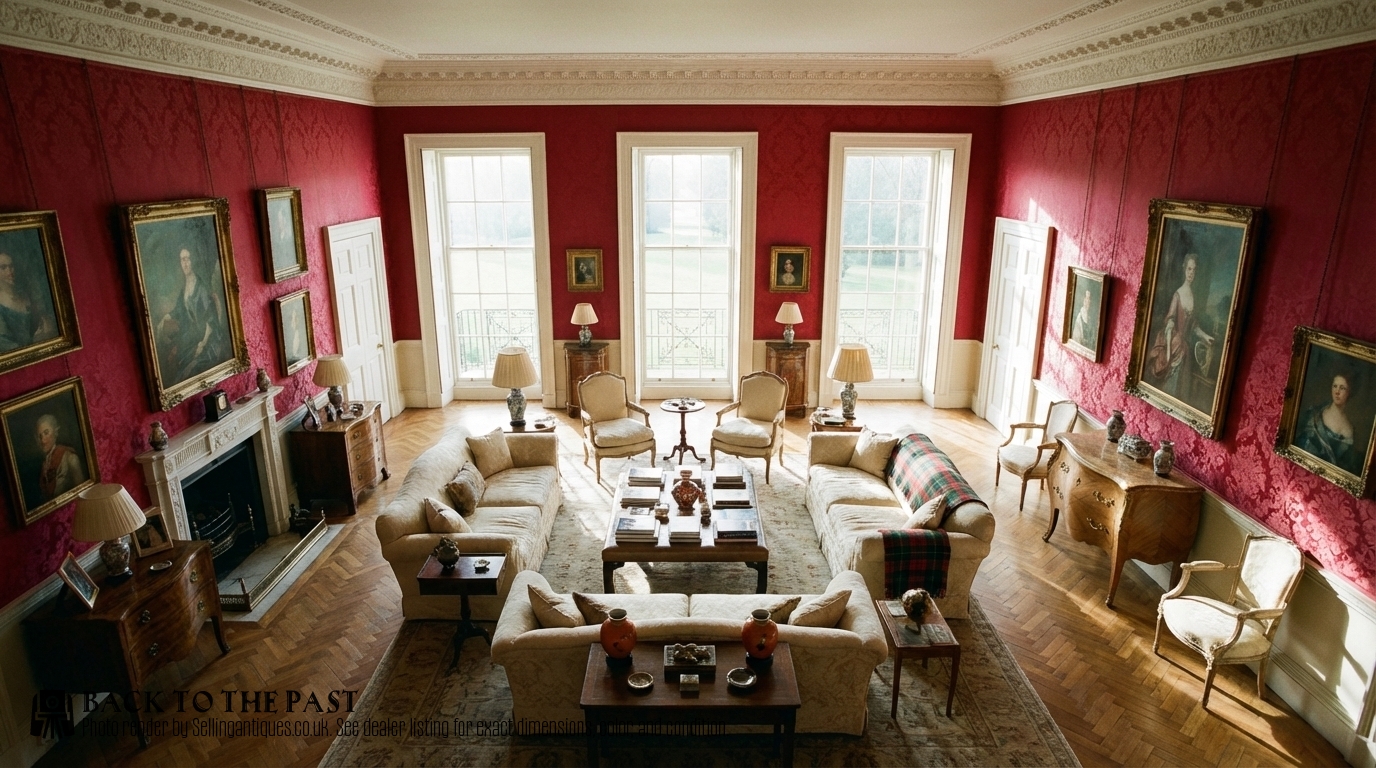
Their striking profile makes them natural focal points in hallways, living rooms, or bedrooms as statement storage.
Ensure adequate floor space surrounds the piece to let the swelling sides remain visible.
How do Dutch and French styles differ?
Dutch examples often feature dense floral marquetry in walnut and oak with robust proportions.
French pieces frequently incorporate lighter fruitwoods, parquetry, and gilt bronze mounts in the rococo taste.