




Antique Blue White Charger
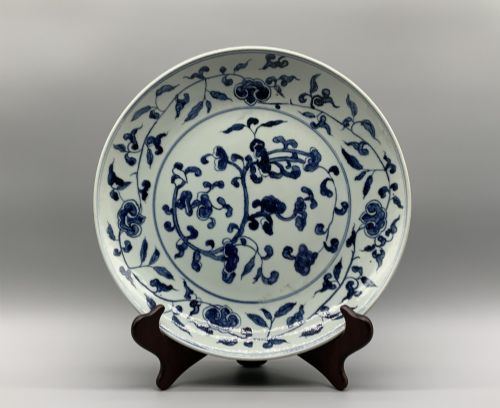
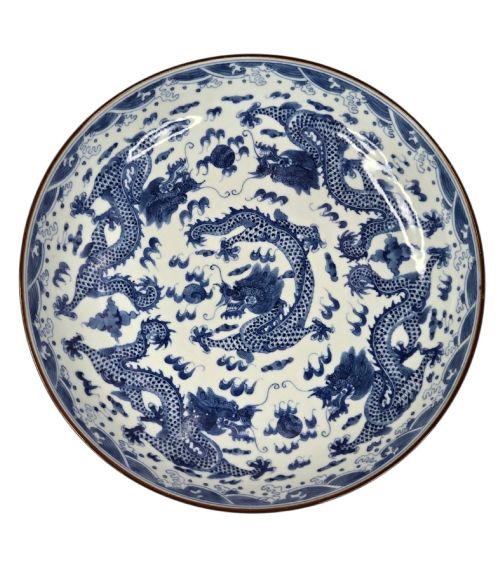
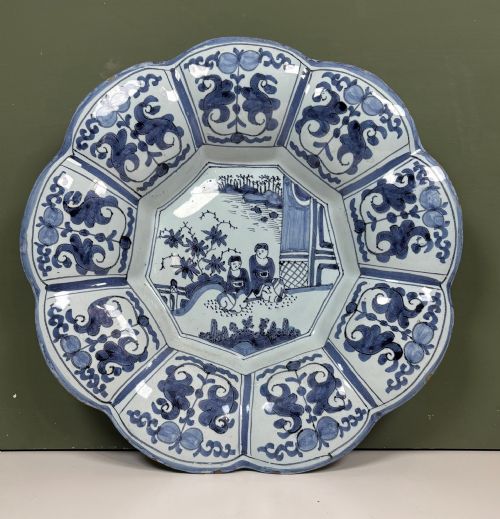
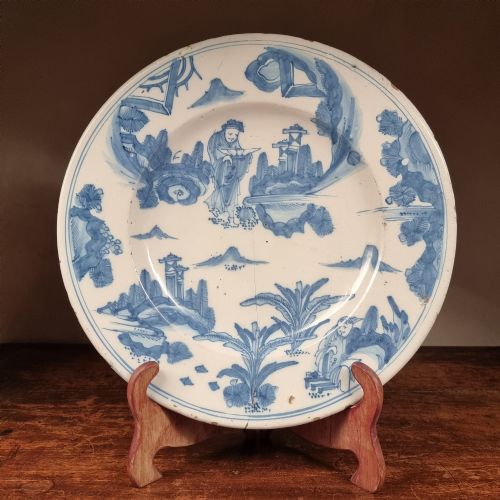
An antique blue white charger is a broad display plate carrying cobalt decoration, offering depth and historic presence for a wall or dresser.

What these pieces are
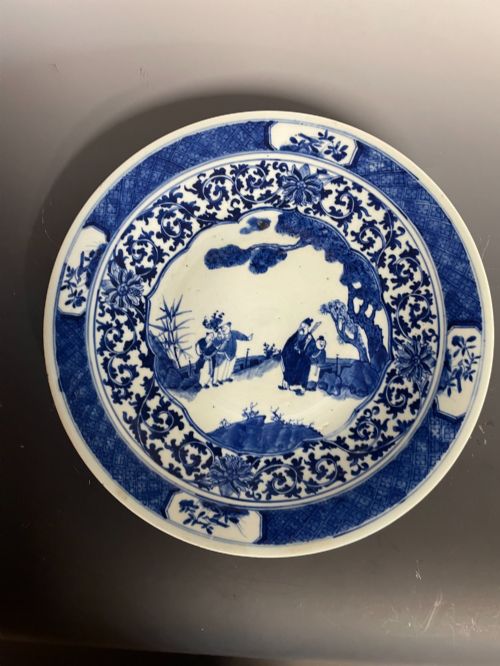
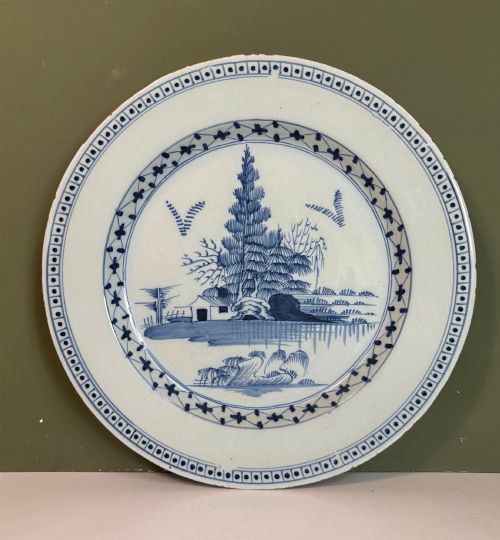
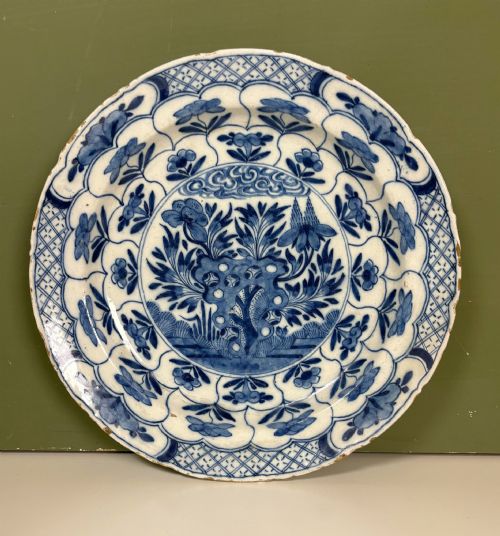
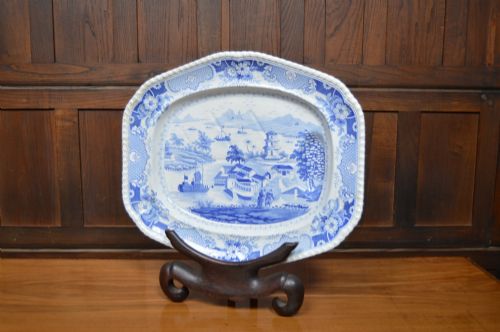
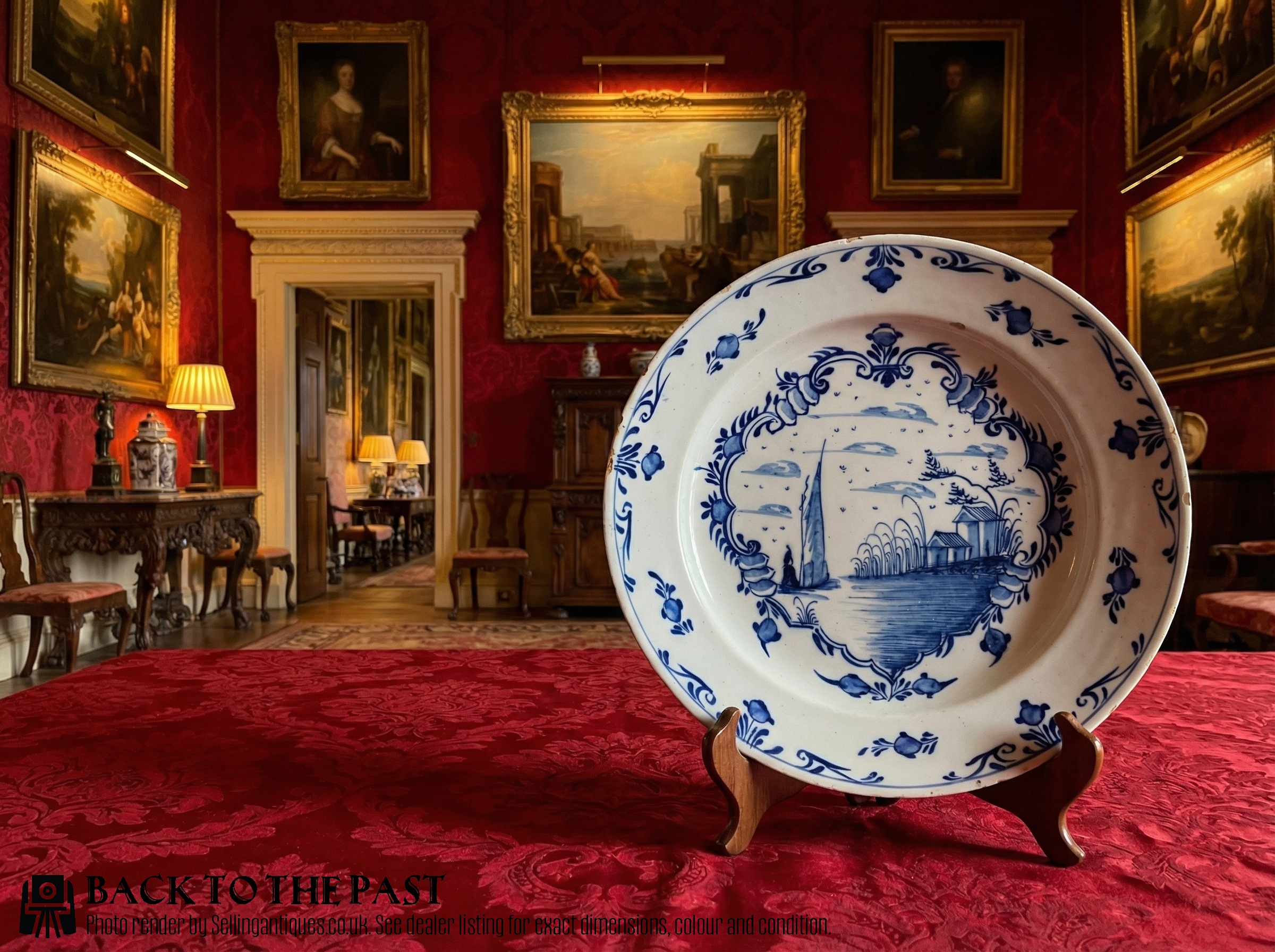
An antique blue white charger brings together broad circular plates and large serving platters made across the seventeenth, eighteenth, and nineteenth centuries. You meet these primarily as tin-glazed earthenware and pottery pieces originating from English and Dutch kilns.
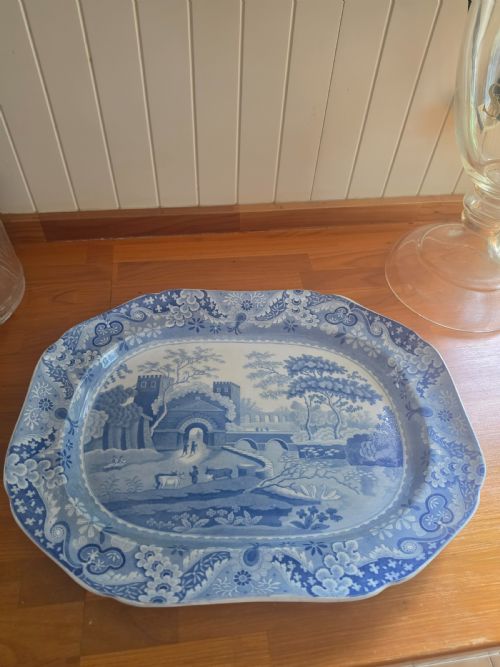
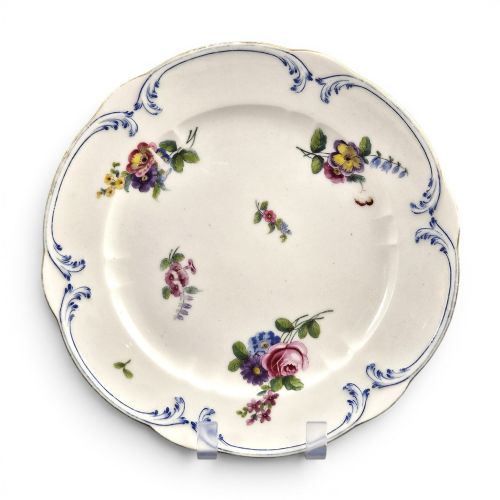
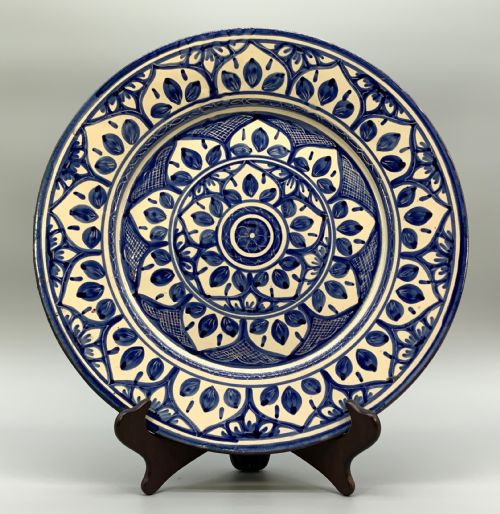
The selection here encompasses decorative plates, marriage plates, and meat plates alongside traditional chargers. These items span Georgian, Regency, and Victorian styles alongside distinct Dutch delftware traditions.
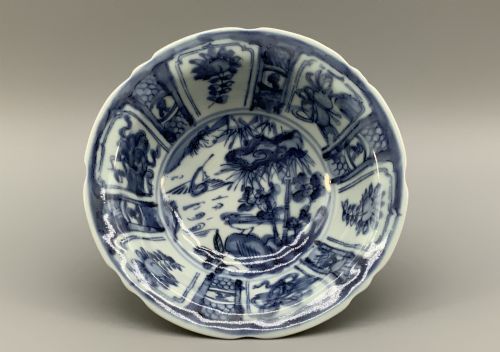
Earlier examples lean towards seventeenth-century Dutch delft Kraak designs, while mid-eighteenth-century English pieces show local interpretations of tin glaze. Every piece functions as a substantial display object rather than everyday tableware.
How they were made
Potters shaped earthenware bodies on the wheel before applying a tin glaze that created an opaque white surface. Cobalt oxide pigment was then painted directly onto this unfired glaze, absorbing into the surface during the single or double firing process.
Cobalt pigment provided the deep blue tone characteristic of these chargers, reacting to kiln heat to produce variations from soft grey-blue to vibrant dark cobalt. The resulting ceramic combined a porous earthenware body with a glossy, protective mineral glaze layer.
Retail Price Guide 2026
Typical UK retail prices for blue white charger, calculated from the Sellingantiques database of over a million retail prices indexed since 2003. This retail price guide relies exclusively on Sellingantiques data; no external sources or auction records are used, so the figures do not describe the wider market.
What varies in quality
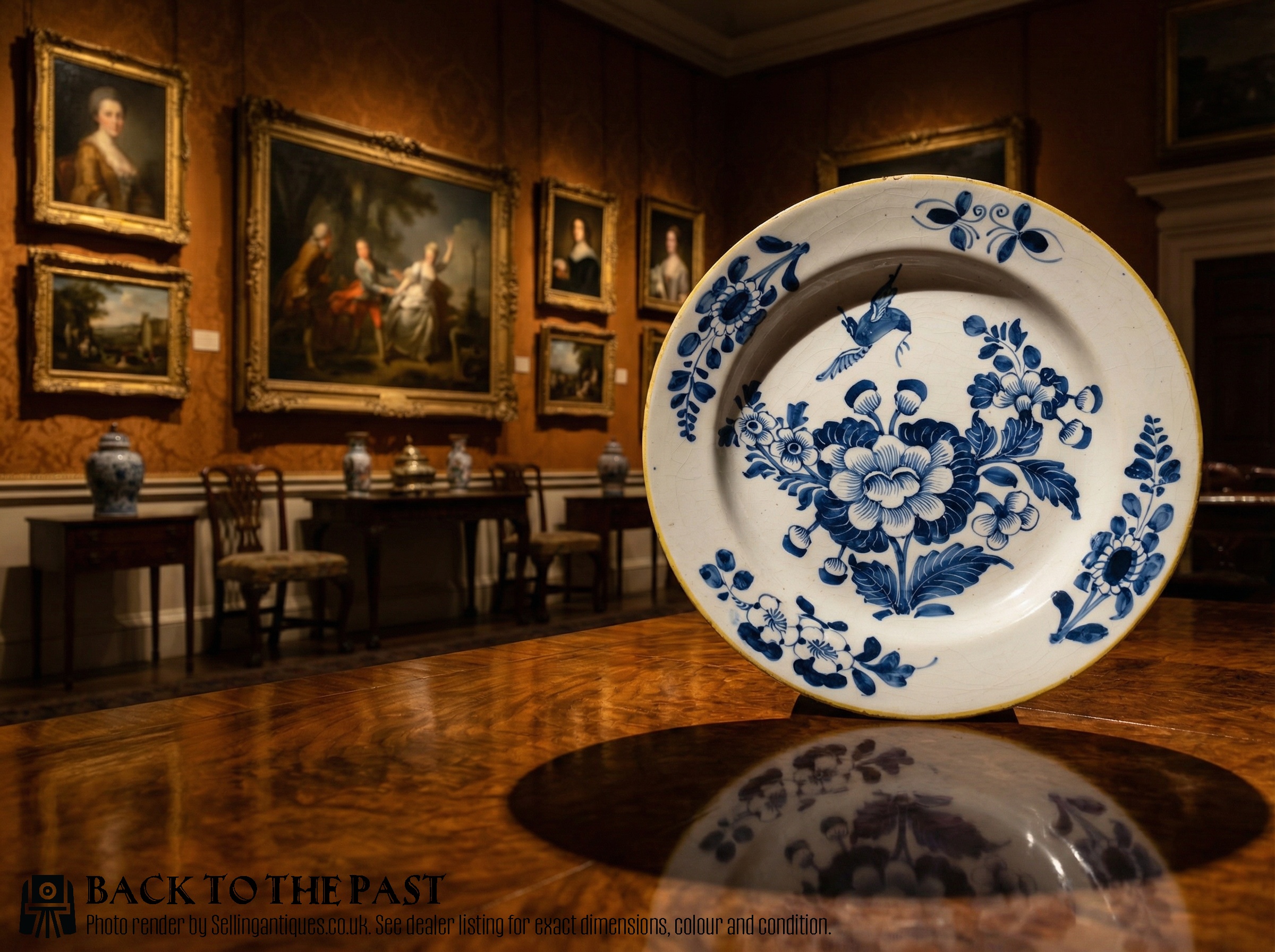
Quality rests in the confidence of the brushwork and the purity of the tin glaze applied over the earthenware body. Superior chargers display crisp cobalt painting with clear botanical or figurative motifs, whereas simpler items show hurried execution.
The stability of the glaze during firing dictates the visual depth of the blue pigment, separating standard production from exceptional examples. Balance in the circular form and the absence of heavy distortion from the kiln further define the better specimens.
The Antique Blue White Charger Glossary
- Charger
- A large ornamental plate traditionally used for ceremonial display or grand service rather than dining. These pieces measure significantly larger than standard dinner plates.
- Tin glaze
- An opaque white ceramic glaze containing tin oxide that provides a smooth, pale canvas for painted cobalt decoration. It is characteristic of delftware and majolica.
- Cobalt oxide
- A metallic pigment used to achieve deep blue colouring on ceramics under high kiln temperatures. This mineral withstands intense heat without losing its vibrant hue.
- Kraak plate
- A style of Chinese export porcelain featuring panelled borders and central motifs, heavily copied by European delftware potters. The design translates oriental aesthetics into earthenware forms.
- Delftware
- Tin-glazed earthenware produced in workshops in the Netherlands and England, particularly during the seventeenth and eighteenth centuries. It is celebrated for its painted blue and white iconography.
Frequently Asked Questions
How were these large chargers used?
These pieces served chiefly as decorative items in grand interiors, displayed on dressers or mounted on walls to catch the eye. Their generous diameter made them unsuited for standard table service.
In earlier centuries, similar platters occasionally presented food at feasts, but surviving antique examples generally functioned as ornaments.
How do I care for an antique charger?
Keep tin-glazed earthenware out of direct sunlight and away from areas with high moisture or sudden temperature shifts. Dust the surface gently with a dry, soft cloth rather than using liquid cleaners.
Display the charger using a secure wall mount or a stable plate stand designed to support significant ceramic weight.
How do I tell seventeenth-century pieces apart from later ones?
Seventeenth-century examples often display specific stylistic traits like Kraak panelling, heavier earthenware bodies, and distinctively thicker tin glaze layers. Eighteenth-century pieces typically refine the cobalt painting and introduce lighter potting techniques.
Examining the foot ring, glaze pooling on the reverse, and the character of the blue pigment helps clarify the period of production.