








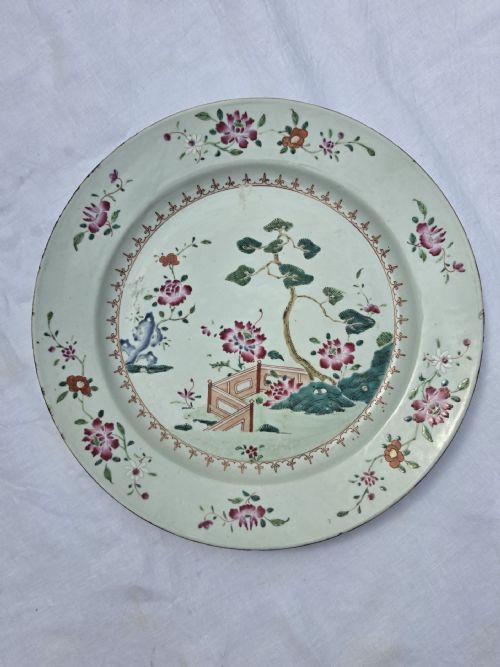
Antique Asian Porcelain Dishes
These antique asian porcelain dishes bring centuries of skilled firing and hand painting into daily display.
Antique Asian Porcelain Dishes
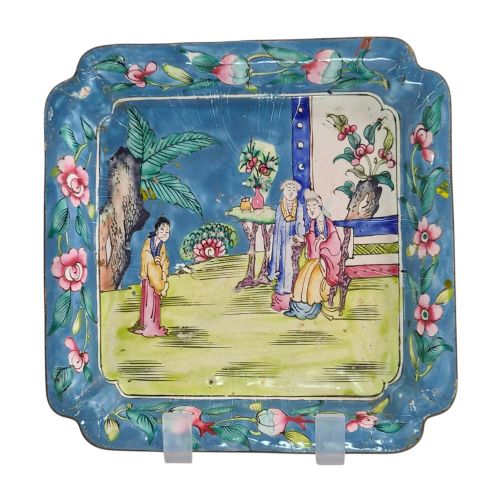
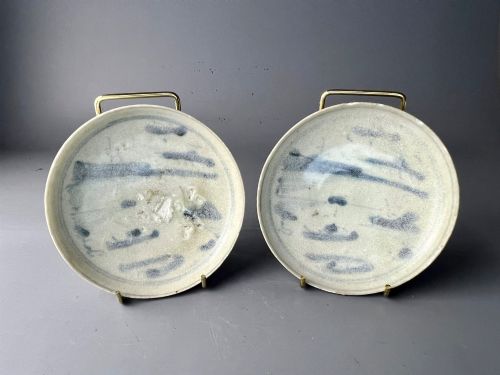
When you search for antique asian porcelain dishes, you meet a variety of decorative plates, chargers, and shallow bowls originating from China and Japan. The pieces on this page span several centuries, reaching from the Ming and Qing dynasties down to the Meiji period and the early twentieth century.
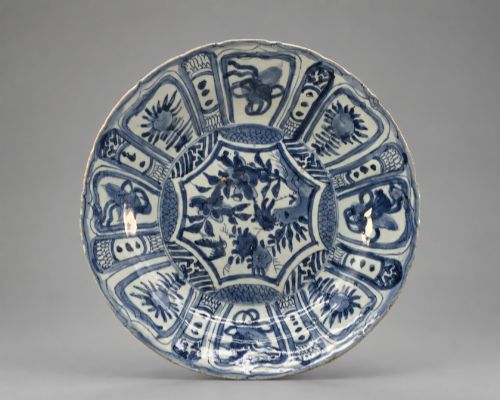
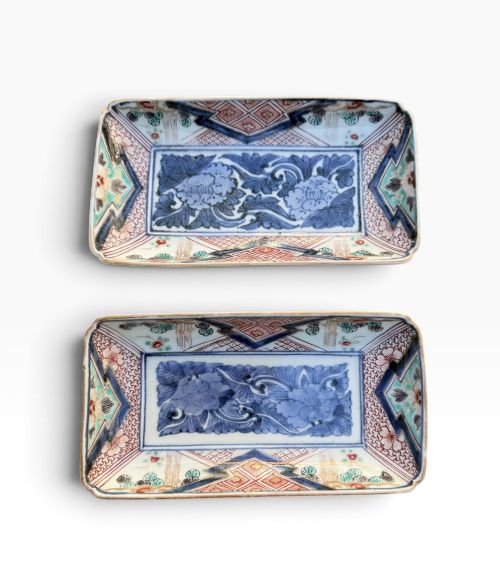
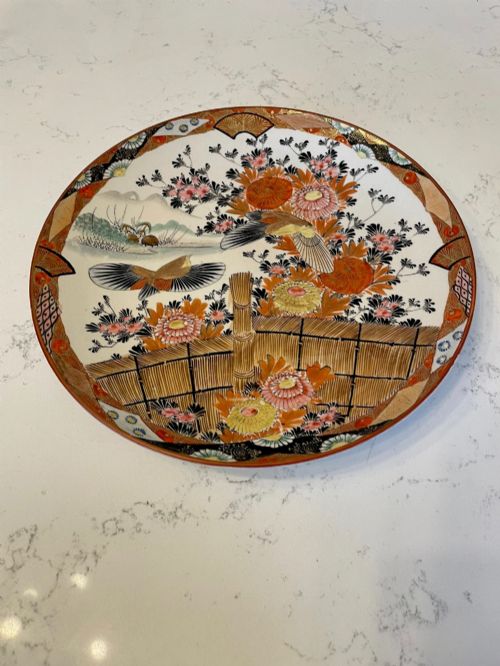
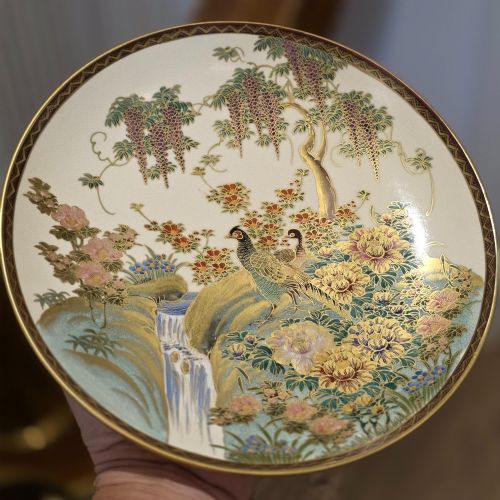
Japanese Imari stands out as the version you will encounter most frequently among these listings, often shaped with scalloped edges and decorated in characteristic palettes. Alongside these sit Chinese blue and white chargers, Satsuma earthenware bowls, and Kutani wares.
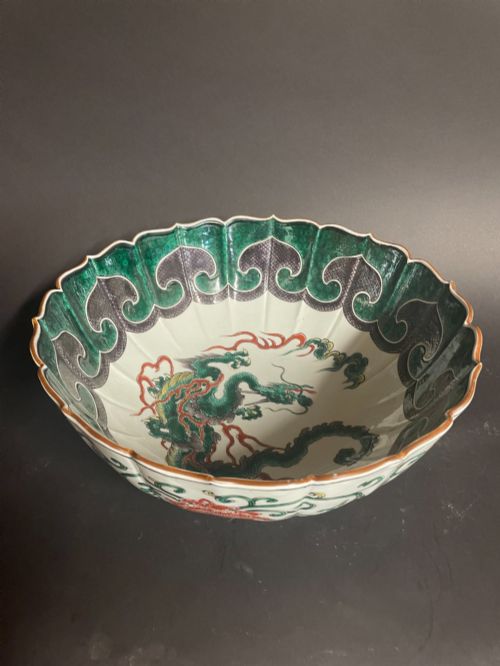
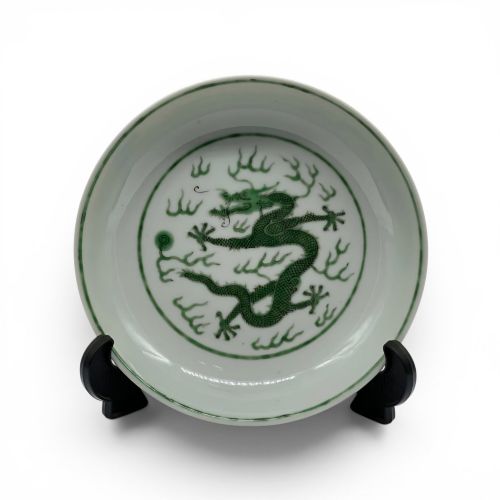
Forms range from small cabinet plates to large chargers intended for central display, carrying motifs of exotic birds, dragons, and floral arrangements.
How they were made
Potters shaped porcelain bodies from fine clays before applying cobalt underglazes and enamel colours by hand. Kiln firing vitrified the clay into a durable ceramic base capable of holding intricate painted details.
Many Japanese Imari and Satsuma examples integrate gold leaf and gilt highlights over the glaze, adding metallic sheen to the surface designs. Some pieces utilise earthenware rather than hard-paste porcelain, finished with crackle or clear glazes.
Antique Asian Porcelain Dishes Retail Price Guide 2026
Typical asking prices for asian porcelain dishes among the pieces listed under this phrase on Sellingantiques today, from the lower quarter to the upper quarter. They describe what is for sale here now, not the wider market.
Listings feature porcelain, earthenware, glaze, and gold leaf applied across Japanese Imari, Satsuma, and Ming Dynasty styles.
What varies in quality
The precision of the hand painting separates standard production wares from the finest examples on the market. Brushwork showing careful control of line and pigment creates crisp imagery on both Chinese blue and white and Japanese Imari surfaces.
The depth and vibrancy of the enamel palette, combined with the successful application of gold leaf, determine the visual impact of a charger or dish. Condition also influences the standing of a piece, with intact glazes and minimal wear preserving the original decorative intent.
Shozo·Koshida·Gyokkō·Kozan
The Antique Asian Porcelain Dishes Glossary
- Imari
- A style of Japanese porcelain decorated in underglaze blue and contrasting overglaze red, gold, and green. This ware gained high popularity for export during the Edo period.
- Kraak porcelain
- Chinese export porcelain produced during the late Ming dynasty, typically painted in blue and white with segmented panel designs around a central motif.
- Satsuma
- Japanese pottery featuring a crackle-glaze earthenware body decorated with polychrome enamels and extensive gilding. These pieces often originate from Kyoto workshops.
- Charger
- A large decorative plate utilised historically for ceremonial presentation or sideboard display rather than everyday dining.
- Famille rose
- A palette of Chinese porcelain enamels dominated by opaque pink or rose colours, introduced during the Qing dynasty.
Antique Asian Porcelain Dishes: Frequently Asked Questions
How do I care for antique porcelain dishes?
Wash these pieces by hand using lukewarm water and mild soap, avoiding dishwashers entirely. Dry them thoroughly with a soft cloth to protect the surface enamels and gold leaf.
Display them securely on stable plate stands or within enclosed cabinets to prevent accidental knocks. Keep them away from direct, prolonged sunlight to preserve the strength of the painted colours.
How do I tell Japanese Imari from Chinese porcelain?
Japanese Imari typically combines underglaze blue with iron red and gilt highlights on a slightly greyish or dense white body. The patterns often feature dense floral and brocade motifs arranged in repeating panels.
Chinese export porcelain of comparable periods frequently employs crisper underglaze blue or famille rose palettes on a brighter white paste. The foot rings and potting techniques also offer clues to the specific kiln origin.
What is the difference between a plate and a charger?
Plates were traditionally made in smaller dimensions suitable for holding food or small servings. Their rims and wells follow standard dining proportions.
Chargers are substantially larger decorative dishes designed specifically for ceremonial use or wall hanging. Their expansive central surfaces allowed artists to paint more complex pictorial scenes.
How do I date a piece of Meiji period porcelain?
The Meiji period spans from eighteen sixty-eight to nineteen twelve, aligning with the reign of Emperor Meiji in Japan. Pieces from this era often display detailed hand-painted Satsuma or Imari designs created for the booming export market.
Look for maker signatures on the base, stylistic cues in the enamel colours, and signs of industrial transition in the ceramic body. Comparison with dated museum examples helps narrow down the decade of production.