



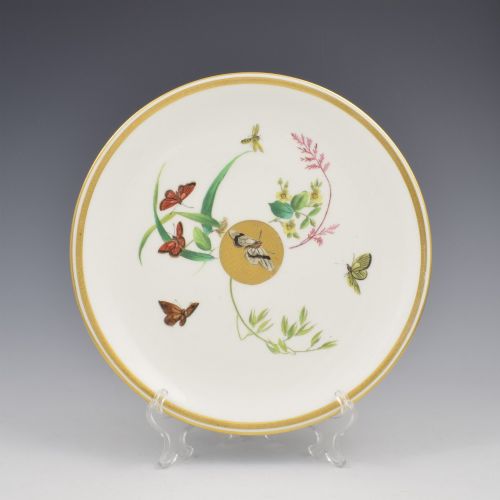


Japanese Decorative Cabinet Plates
These japanese decorative cabinet plates bring rich Imari palettes, Satsuma detail and intricate Meiji period forms straight to your walls and display spaces.
Japanese Decorative Cabinet Plates
When you search for japanese decorative cabinet plates, you encounter an array of hand-painted porcelain and earthenware designed for display rather than daily dining. These pieces arrive from various periods, predominantly featuring the late nineteenth century and the early twentieth century.
The selections on this page span from small Imari plates and hexagonal dishes to large wall chargers and serving dishes. You will also find European interpretations influenced by Japanese aesthetics, such as Minton porcelain and Meissen Kakiemon patterns.
Forms vary from deeply lobed serving dishes to flat decorative chargers and delicate wall plates. Collectors often find sets ranging from pairs to groups of twelve, alongside individual statement chargers bearing intricate motifs.
How they were made
Potters shaped these pieces from fine porcelain and bone china before applying intricate glaze and enamel decoration. Many items incorporate gold leaf and gold gilt highlights to accentuate the detailed hand-painted scenes.
Certain decorative plates utilise the cloisonné technique on metal bases, featuring detailed wirework alongside enamel fill. Kiln firing fixed the pigments and glazes, creating the durable surfaces seen across these nineteenth and twentieth-century items.
Japanese Decorative Cabinet Plates Retail Price Guide 2026
Typical asking prices for japanese decorative cabinet plates among the pieces listed under this phrase on Sellingantiques today, from the lower quarter to the upper quarter. They describe what is for sale here now, not the wider market.
Periods represented across the items span the Victorian era, the Meiji period, and the early twentieth century.
What varies in quality
The distinction between standard items and superior examples lies in the precision of the hand-painted brushwork and the complexity of the design. Finer pieces demonstrate exceptional control over the enamel and gilt application, with crisp detailing that remains sharp across the entire surface.
The richness of the palette and the restraint or exuberance of the gold leaf also dictate the grade of a piece. Satsuma and Imari works with deep, saturated colours and well-balanced compositions represent the upper tier of the range.
Royal Crown Derby·Minton·Meissen·Fukagawa
The Japanese Decorative Cabinet Plates Glossary
- Imari
- A style of Japanese porcelain featuring a distinct palette of cobalt blue, iron red, and gold gilt. This aesthetic heavily influenced both Japanese production and European factories.
- Satsuma
- A type of Japanese earthenware characterised by a ivory-crackled glaze and detailed polychrome enamel painting often heightened with gold.
- Cloisonné
- A metalwork technique where thin wire partitions are soldered to a base and filled with coloured enamel paste before firing.
- Charger
- A large decorative plate intended for display on a sideboard, wall, or cabinet rather than for serving food at the table.
- Meiji Period
- The era in Japanese history spanning from 1868 to 1912, known for a surge in decorative arts produced for export.
Japanese Decorative Cabinet Plates: Frequently Asked Questions
How do I hang a japanese decorative cabinet plate?
Use spring-loaded brass or coated wire plate hangers that grip the rim securely without causing friction damage to the porcelain. Ensure the wall fixing is anchored firmly to support the weight of larger chargers.
Position plates at eye level in rooms with stable humidity away from direct sunlight to preserve the enamel and gold gilt over time.
Can I use these plates for serving food?
These pieces are intended primarily as decorative cabinet plates and display items rather than functional tableware. Antique glazes and enamel decorations can be sensitive to cutlery and modern dishwashing.
Keep them strictly for visual display in cabinets, on dressers, or mounted on walls to protect their historical surfaces.
How do I tell Imari from Satsuma?
Imari pieces use a hard porcelain body with glazed underglaze blue and iron red enamel, often finished with gold. They have a ringing tone when tapped gently.
Satsuma items utilise an earthenware body covered in a characteristic fine network of crackled ivory glaze, painted with softer polychrome pigments.
What does Aesthetic Movement mean on a plate?
The Aesthetic Movement refers to a late nineteenth-century European design philosophy that embraced Asian art and craftsmanship. British makers like Minton drew inspiration from Japanese motifs.
These pieces combine European porcelain bodies with Japanese-style subjects such as butterflies, suns, and asymmetrical botanical compositions.