







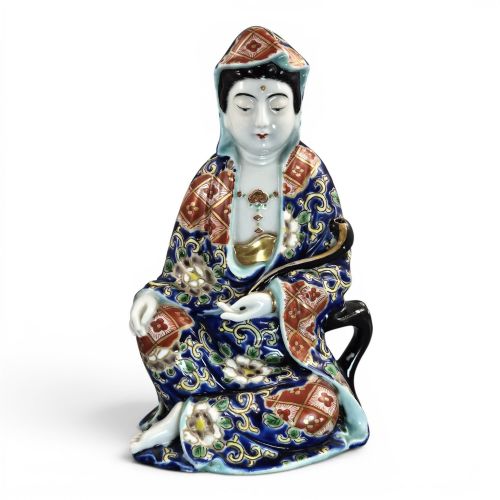
Antique Arita Porcelain
Antique arita porcelain comprises hand-painted Japanese ceramic vessels and plates offering collectors rich cobalt pigment and vivid enamel palettes across centuries of production.
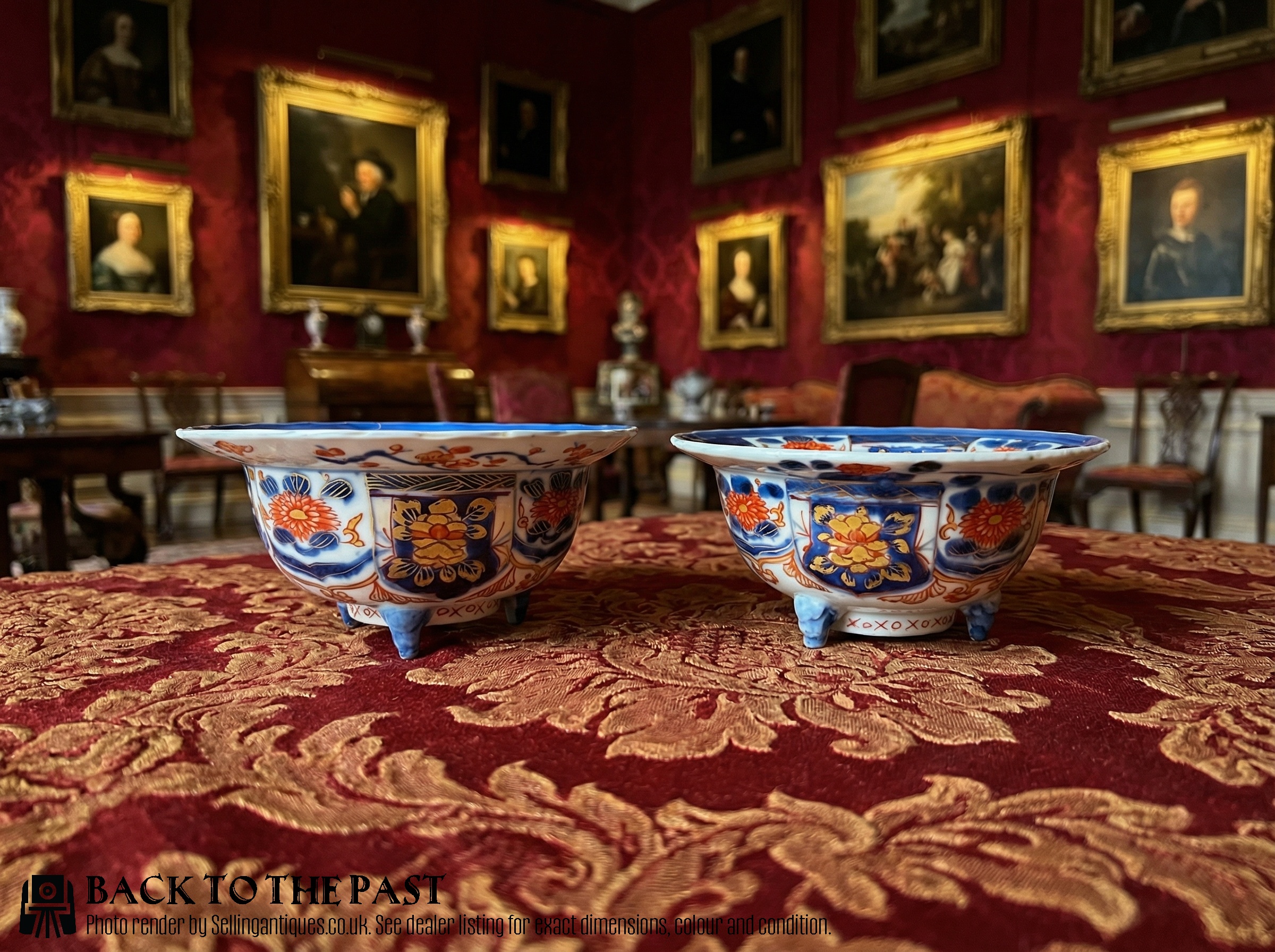
Antique Arita Porcelain
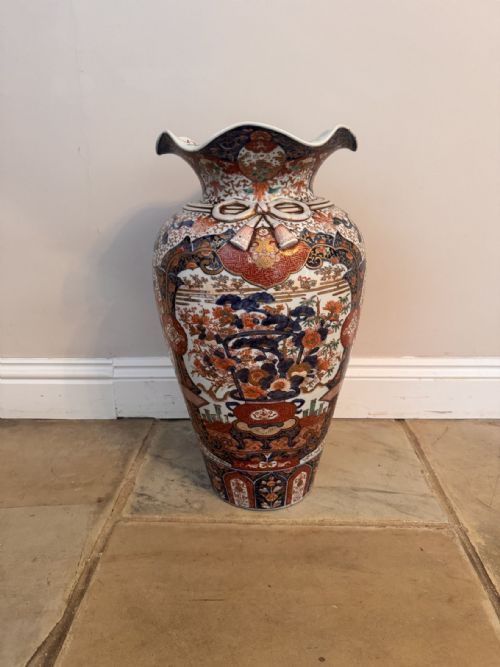
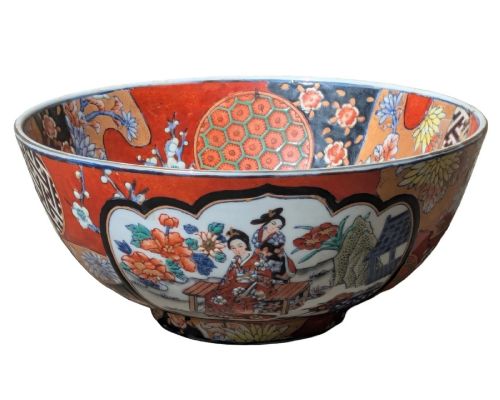
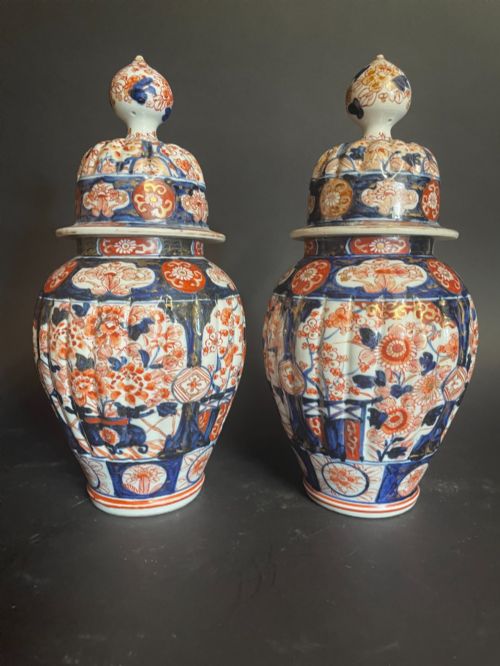
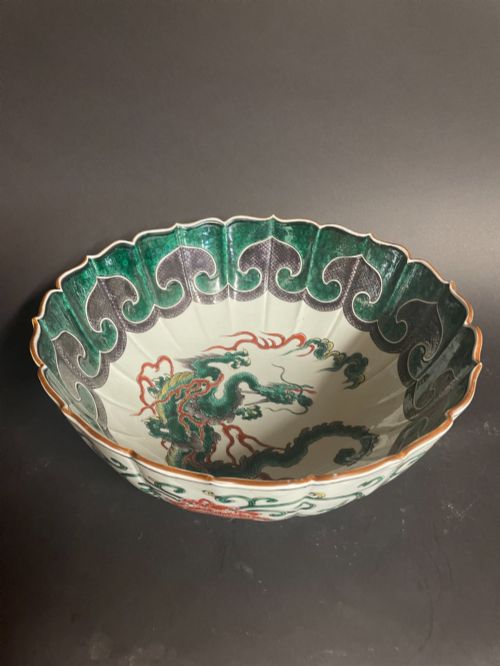
Antique arita porcelain spans several centuries of Japanese ceramic production, originating from the Hizen province where kilns fired hard-paste porcelain for domestic use and export. These items include decorative plates, large chargers, bowls, lidded jars, floor-standing vases, and figural pieces.
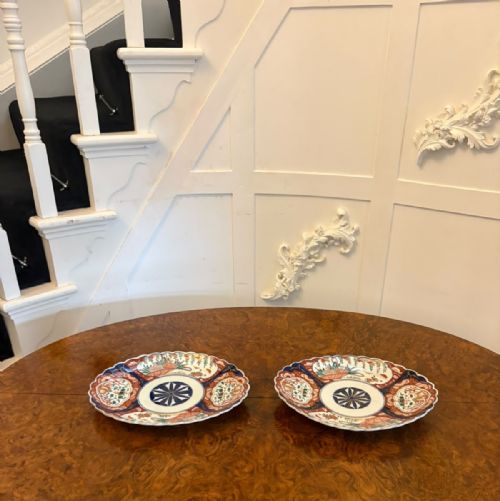
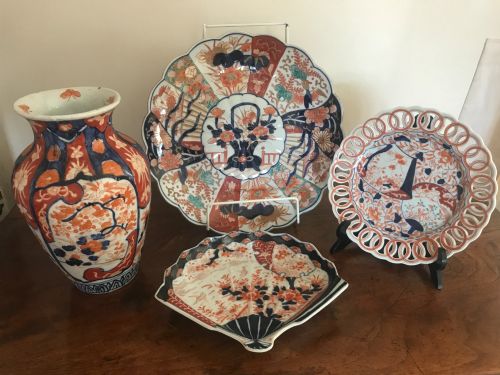
The pieces encountered most frequently on this page date from the Meiji period and the nineteenth century, often decorated in the distinctive Japanese Imari style. Earlier examples stretch back to the Edo period and the seventeenth century, showing robust forms and deep cobalt blue underglazes.
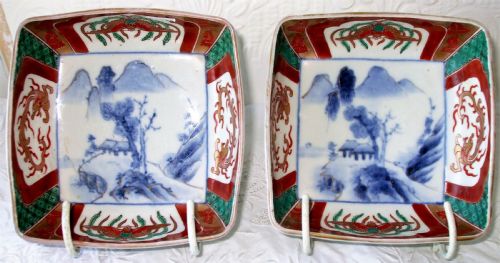
Forms vary from delicate scallop-edge dishes and hexagonal plates to monumental temple vases and jardinières. Buyers encounter both blue and white designs and polychrome schemes incorporating iron red, green enamel, and gold gilt.
How antique arita porcelain was made
Potters shaped kaolin-rich porcelain clay on the wheel or pressed it into moulds, creating sturdy bodies capable of withstanding high kiln temperatures. Once formed, artisans applied underglaze cobalt pigment directly to the raw clay before the initial firing.
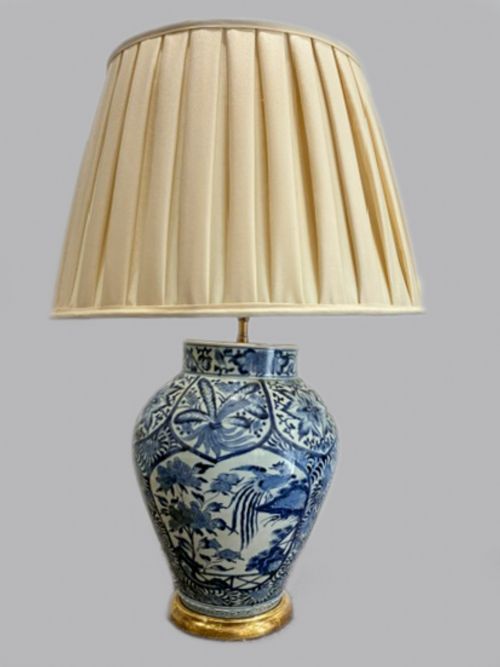
Overglaze decoration followed the first firing, utilising vibrant enamel colours alongside gold leaf or gold gilt highlights to build complex floral and avian motifs. Brass mounts and conversion hardware appear on specific surviving pieces adapted later for lighting or interior display.
Antique Arita Porcelain Retail Price Guide 2026
Typical asking prices for arita porcelain among the pieces listed under this phrase on Sellingantiques today, from the lower quarter to the upper quarter. They describe what is for sale here now, not the wider market.
Listings span the Edo period, Meiji period, and Showa period, utilising porcelain, enamel, glaze, cobalt pigment, and gold gilt.
What varies in quality
The refinement of the painted detail separates ordinary production from exceptional work, particularly in the precision of hand-painted floral, bird, and figural compositions. Crispness in the cobalt pigment underglaze and stability in the overglaze enamels indicate superior kiln control and skilled brushwork.
The structural scale and ambition of the form also dictate standing, with large floor-standing vases, garnitures, and heavily potted chargers representing greater technical achievement than standard domestic plates. Preservation of the original glaze sheen and minimal rubbing to the gold gilt preserve the visual integrity of the surface.
The Antique Arita Porcelain Glossary
- Imari
- A Japanese export style originating in Hizen and shipped from the port of Imari, typically combining underglaze blue, iron red, and gold.
- Meiji Period
- The era of Japanese history lasting from 1868 to 1912, characterised by prolific ceramic production for Western export markets.
- Edo Period
- The period spanning from 1603 to 1867, marking the foundational centuries of Japanese porcelain manufacturing in Arita.
- Jardiniere
- A large ornamental pot or container designed to hold growing plants or flowers, often heavily decorated.
- Garniture
- A matching set of vases or jars, usually three or five in total, intended for display together on a mantelpiece or cabinet.
Antique Arita Porcelain: Frequently Asked Questions
How do I date antique arita porcelain?
Dating relies on stylistic markers, potting thickness, and the characteristics of the cobalt pigment and enamel palettes. Meiji period items typically display bright polychrome enamels and dense gilding, while seventeenth-century Edo pieces show heavier potting and deeper underglaze blues.
Kiln technology and trade patterns shifted significantly between the seventeenth and nineteenth centuries, altering the purity of the white body and the composition of the glazes. Comparing the brushwork style against dated comparative examples helps narrow the production window.
How were large arita chargers used?
Large chargers served primarily as decorative display pieces on tables, sideboards, or walls rather than for serving food. Wealthy households utilised their impressive scale and vibrant enamel designs to showcase status and taste.
In European interiors, these wide porcelain dishes sat mounted on specialised stands or hung securely in formal reception rooms. Their sturdy construction allowed them to survive centuries of display without losing their decorative impact.
What makes blue and white arita different?
Blue and white arita porcelain relies exclusively on cobalt pigment applied beneath a clear glaze before firing, omitting the secondary red and gold enamels. This style reflects strong influences from Chinese blue and white porcelain produced during the Qing dynasty and earlier reigns.
Early seventeenth-century examples often display deep, pooling cobalt tones on heavy bodies, while later nineteenth-century interpretations feature crisper, lighter blues. The restraint of the single-pigment palette emphasises the purity of the porcelain body and the fluidity of the brushwork.