


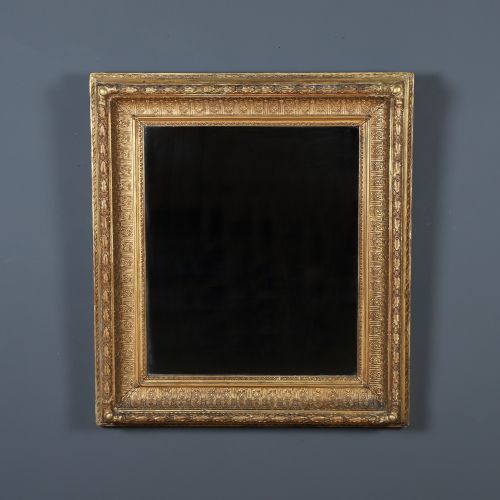
Antique Accent Mirror
An antique accent mirror brings character and reflective depth to a room through period craftsmanship.
Defining the antique accent mirror
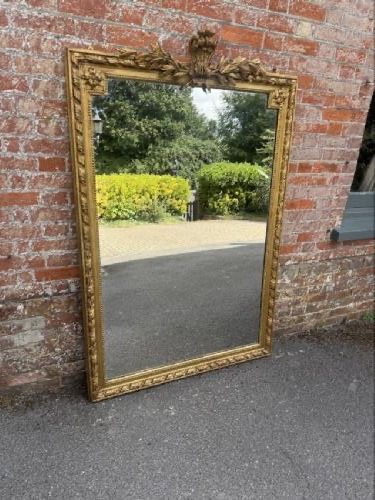
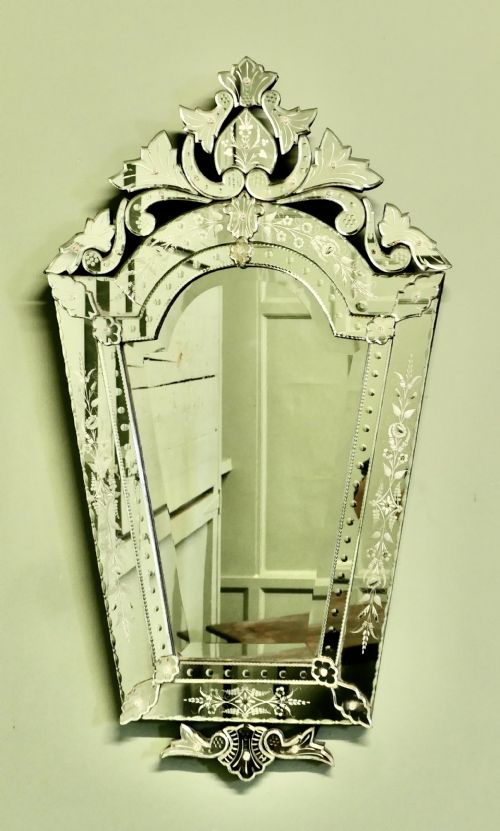
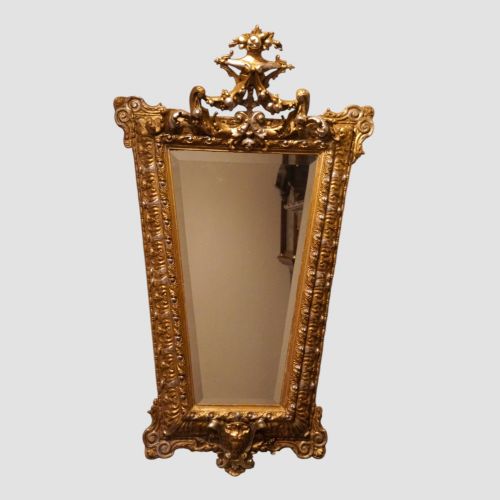
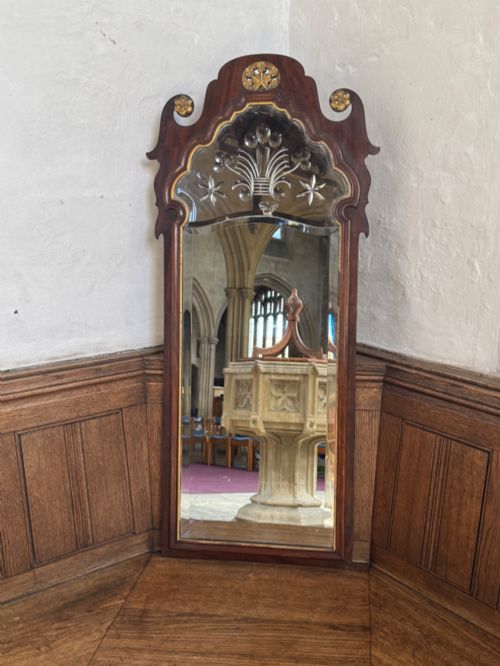
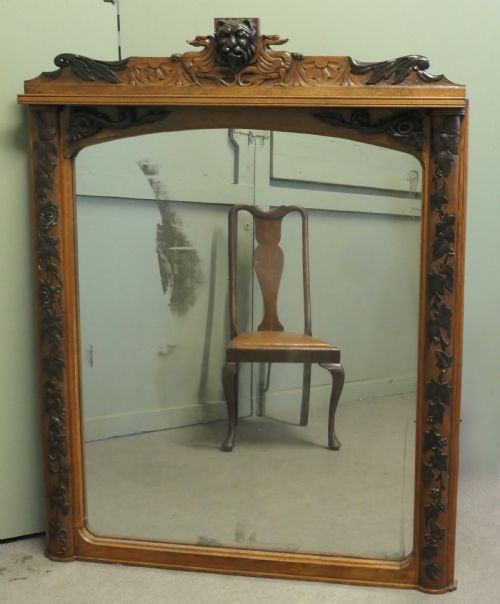
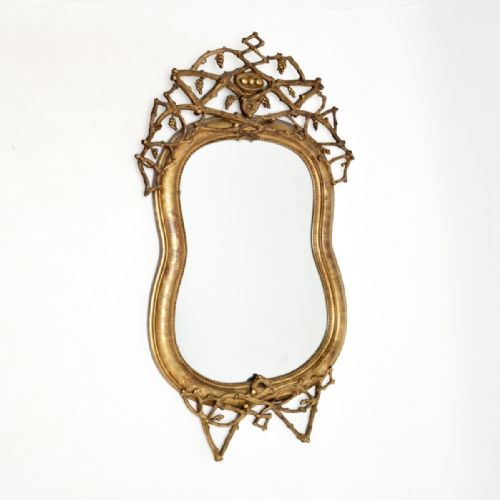
An antique accent mirror serves as a decorative focal point, drawing the eye while brightening interior spaces. When searching for an antique accent mirror, buyers encounter wall-hanging forms including overmantle, hallway, and trapezoidal designs.
The pieces listed span the nineteenth century, including specific dates around eighteen fifty, eighteen eighty, and nineteen twenty. Styles represented range from Victorian to Baroque Revival, Rococo Revival, and Venetian.
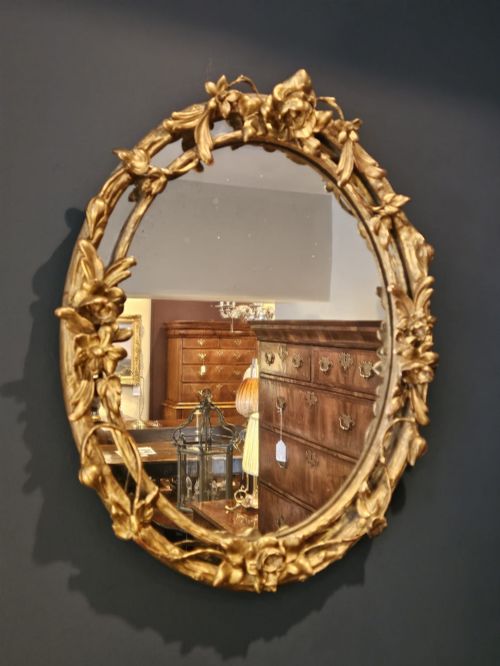
Origins encompass English and Italian traditions, utilising wall mirrors and oval formats to suit various interior settings. These objects function as historical artworks that simultaneously serve a practical purpose within a home.
Materials and construction
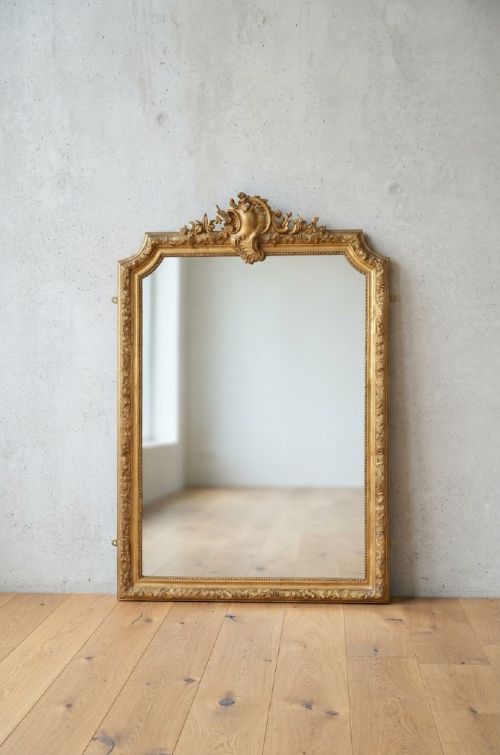
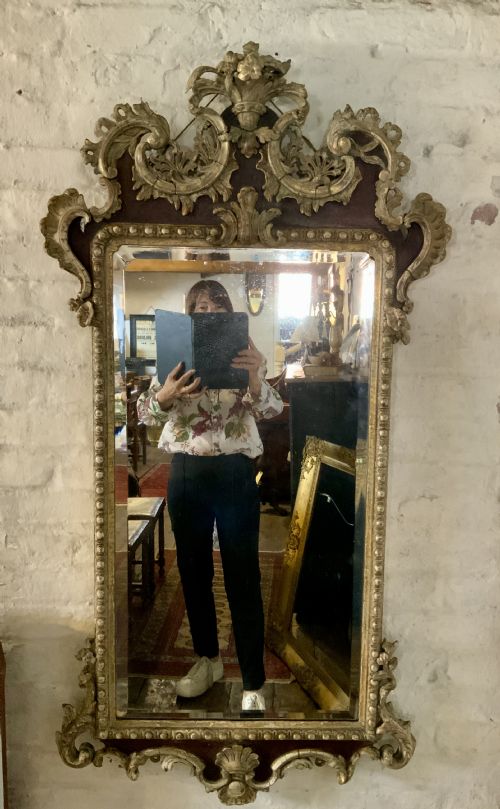
Makers constructed these frames using wood, applying gesso as a smooth foundation for subsequent gilding. Artisans then finished the surfaces with gold leaf and silver leaf to achieve a luminous metallic sheen.
Mirrored glass is set within carved giltwood and gesso frames, utilising traditional joinery and carving techniques appropriate to each period. The combination of glass and reflective leaf creates the distinctive visual weight characteristic of these historic mirrors.
Retail Price Guide 2026
Typical UK retail prices for accent mirror, calculated from the Sellingantiques database of over a million retail prices indexed since 2003. This retail price guide relies exclusively on Sellingantiques data; no external sources or auction records are used, so the figures do not describe the wider market.
A trapezoidal frame geometry proves that nineteenth-century makers enjoyed bending conventional shapes just to confuse geometry teachers.
Assessing quality and execution
Quality in these mirrors rests upon the depth and intricacy of the hand-carved woodwork beneath the gilt surface. Finer examples display crisp detail in the gesso and precise application of gold or silver leaf, whereas lesser pieces show softer contours and simpler framing.
The preservation of the original mirrored glass and the integrity of the giltwood frame determine the overall standing of a piece. Superior execution is evident in harmonious proportions and the skillful translation of Revival styles.
The Antique Accent Mirror Glossary
- Giltwood
- Wood carved and coated with gold leaf or metal leaf. This surface treatment provides the brilliant metallic appearance seen on many period frames.
- Gesso
- A plaster-like mixture applied to wood frames as a base for gilding. It allows artisans to carve intricate details before applying gold or silver leaf.
- Trapezoidal
- A geometric shape with four sides where two sides are parallel. This specific form creates an unusual visual perspective on the wall.
- Overmantle
- A large mirror designed to hang above a fireplace mantelpiece. These pieces often anchor the decorative scheme of a Victorian reception room.
Frequently Asked Questions
Where should I hang an antique accent mirror?
These mirrors suit hallways, living rooms, and bedrooms where they can reflect natural light and create a sense of expanded space. Positioning them opposite a window maximises illumination.
Ensure the wall construction supports the weight of carved giltwood and glass frames safely. Secure fixings suited to the specific wall type are essential.
How do I clean an antique mirror?
Dust the frame gently with a soft, dry cloth to protect fragile gesso and gold leaf surfaces. Avoid using harsh chemical sprays near the historic gilding.
Clean the glass sparingly with a mild solution applied to a cloth rather than directly onto the mirror. This prevents moisture from seeping behind the glass plate.
What styles are common in these mirrors?
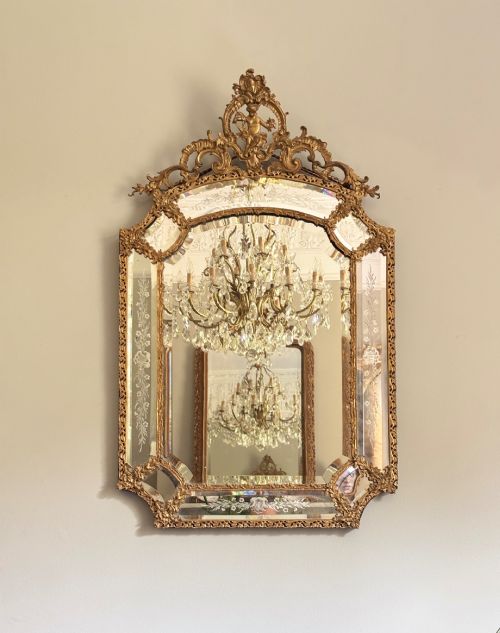
Victorian, Baroque Revival, Rococo Revival, and Venetian styles predominate among these pieces. Each style reflects the aesthetic preferences and ornamental vocabulary of its era.
Italian Venetian mirrors often feature distinctive glasswork, while English Victorian examples frequently showcase robust carved giltwood frames.
How do I identify the period of a mirror?
Examine the materials used in the frame, such as wood, gesso, and gold or silver leaf. Construction techniques and stylistic cues like Rococo Revival ornamentation provide further chronological clues.
Dates ranging from the nineteenth century into the early twentieth century appear across these listings. Comparing stylistic motifs with documented period pieces helps confirm the era.