


19th Century Porcelain Plate
A 19th century porcelain plate brings handpainted botanical studies, armorial crests and cabinet displays directly from Georgian and Victorian dining rooms into modern interiors.
19th Century Porcelain Plate
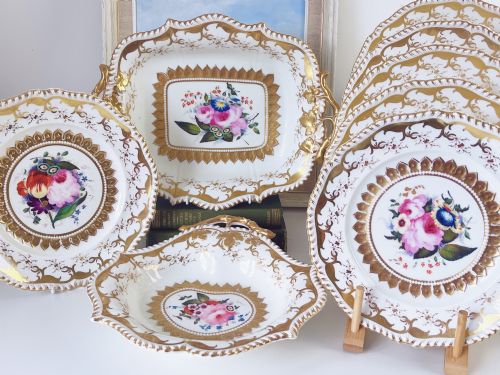
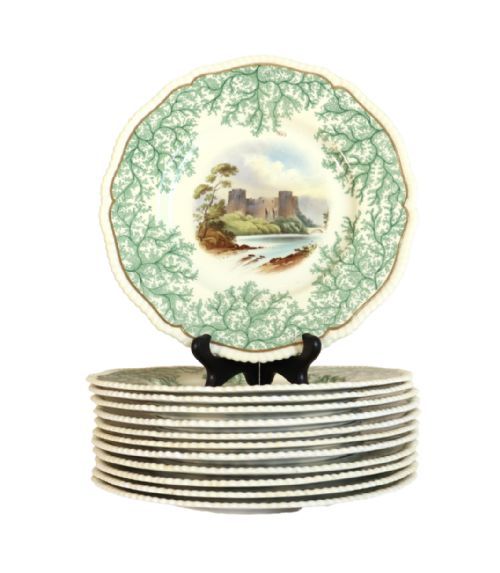
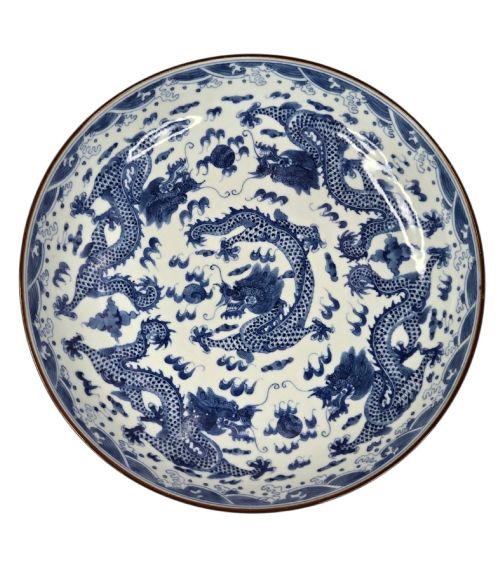
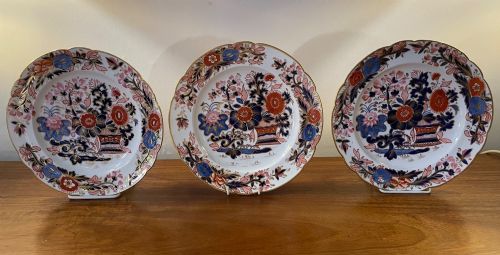
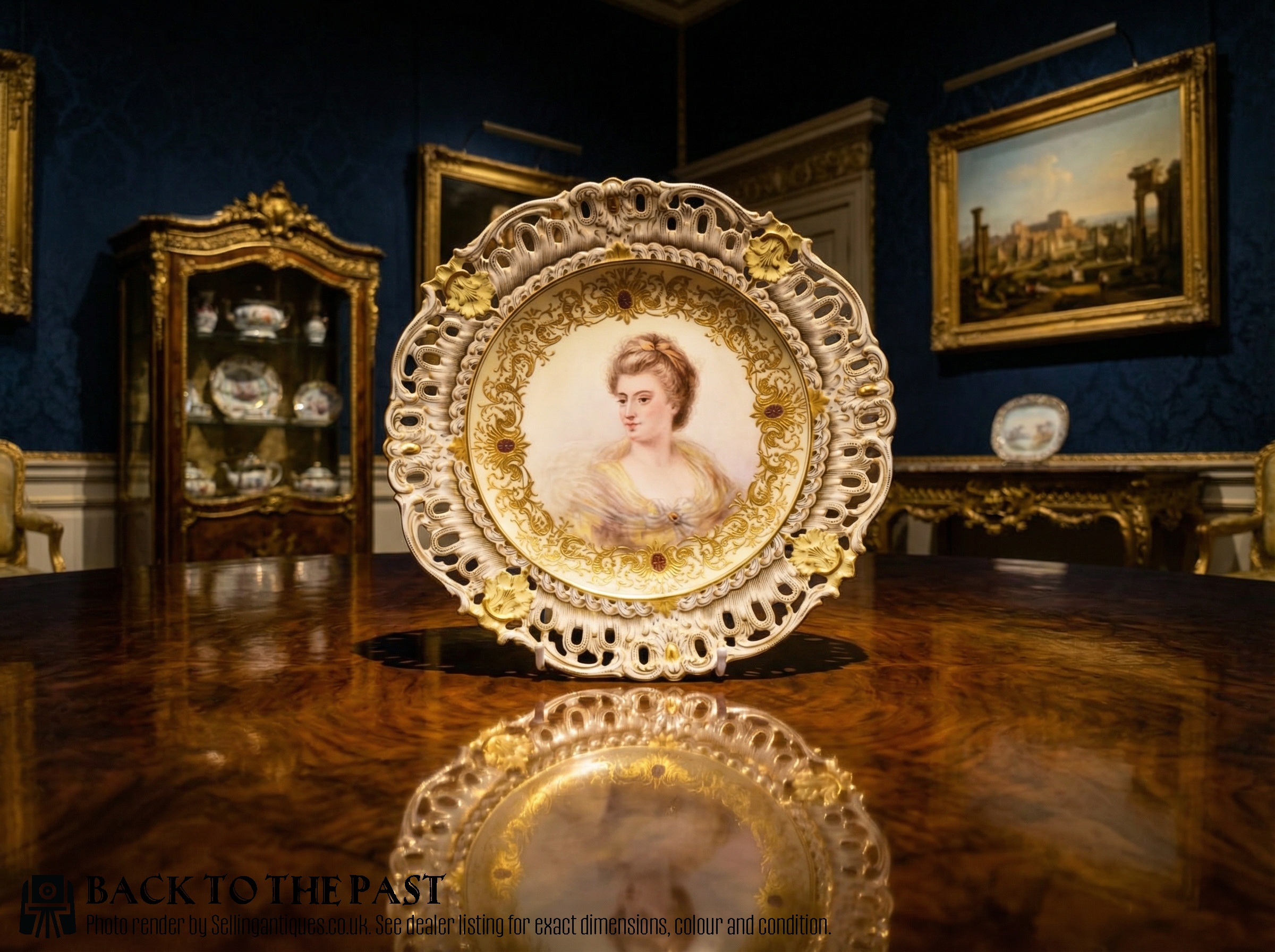
A 19th century porcelain plate encompasses everything from utilitarian blue and white earthenware services to highly decorative cabinet pieces meant for display rather than dining. The pieces available span early English factories, French Paris porcelain, German manufactories and Japanese export wares created for Western markets.
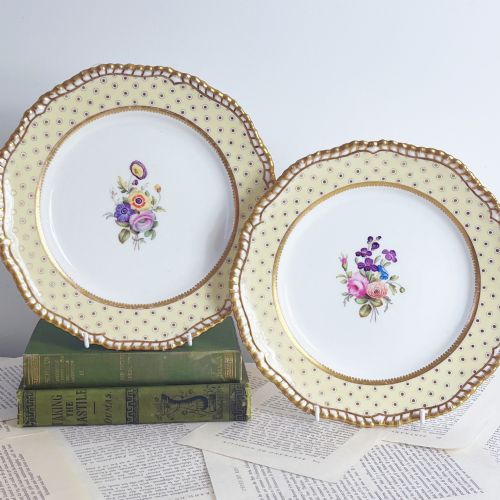
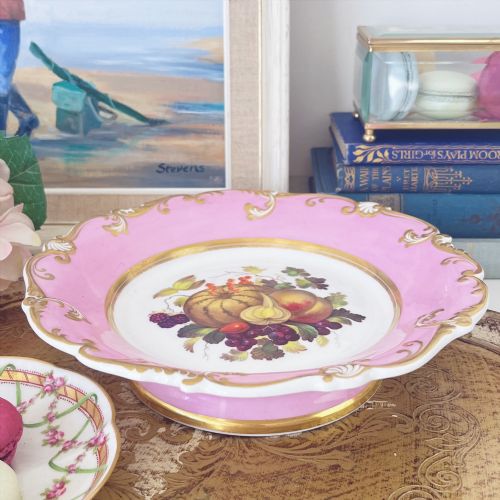
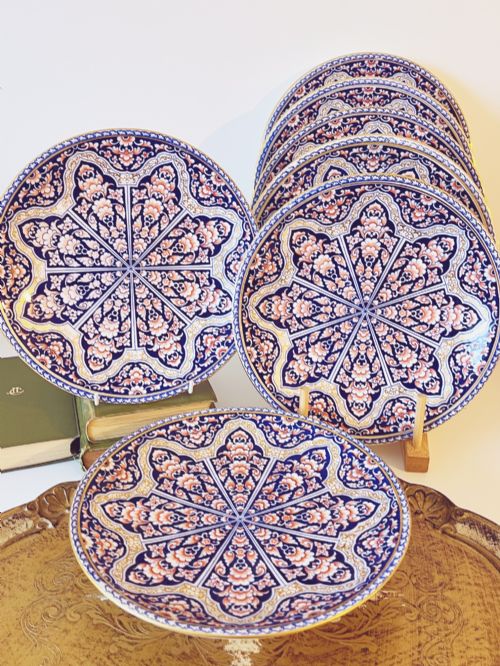
Buyers regularly encounter dessert services, individual cabinet plates and large decorative chargers bearing diverse styles ranging from Rococo Revival curves to Japanese Imari patterns. These items reflect the shifting tastes of the Georgian, Regency and Victorian eras, capturing a period of immense technical experimentation in ceramic production.
Materials and Manufacture
Potters shaped these objects using fine ceramic bodies such as hard-paste porcelain, bone china and felspathic mixes, applying smooth glazes to seal the surface before firing. Kiln temperatures and raw materials dictated the ultimate translucency and durability of each vessel.
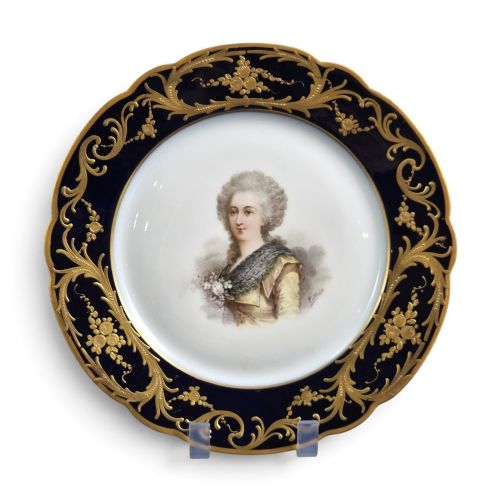
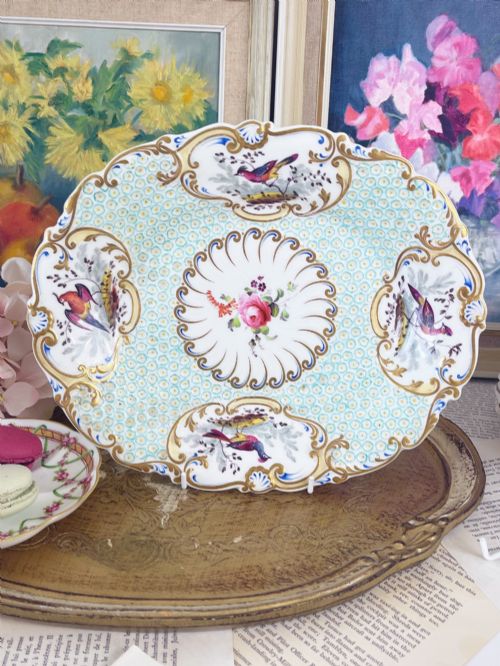
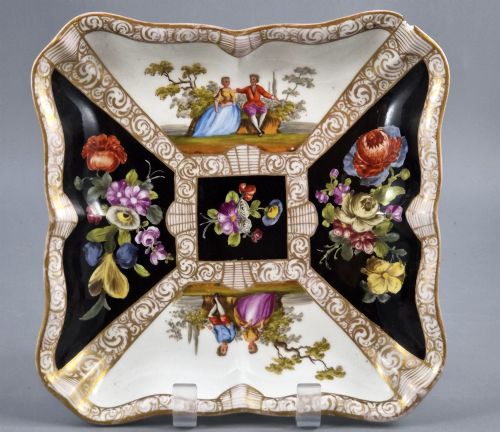
Decoration relied on meticulous handpainting, enamel pigments and applied gold leaf or gilding to accentuate raised borders, handpainted flowers and armorial crests. Skilled artisans used mineral paints that required subsequent firings to fix the vibrant colours permanently to the glaze.
19th Century Porcelain Plate Retail Price Guide 2026
Typical asking prices for 19th century porcelain plate among the pieces listed under this phrase on Sellingantiques today, from the lower quarter to the upper quarter. They describe what is for sale here now, not the wider market.
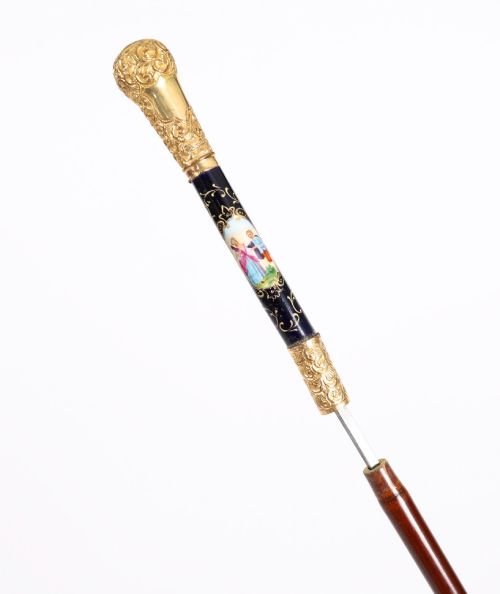
Several Victorian walking sticks cleverly conceal porcelain Sèvres plates inside their shafts as secret portable dining equipment.
Evaluating Quality and Execution
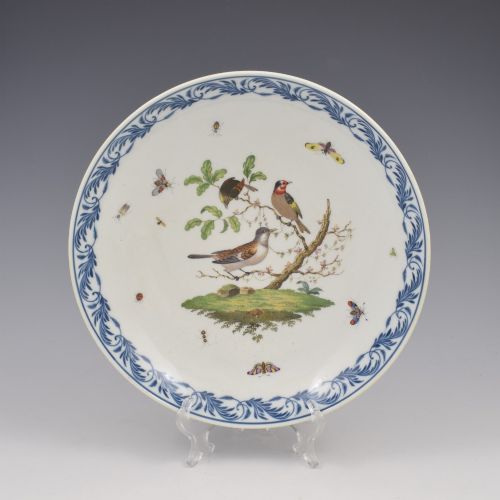
Quality rests primarily on the precision of the handpainted detail, from the brushwork on botanical studies and birds to the complexity of gilt seaweed borders and armorial crests. Superior examples display crisp definition and depth in the pigments without blurring or pooling.
The sophistication of the porcelain body and the crispness of moulded edges, such as shell borders and scalloped rims, distinguish finer workshop production from standard utility ware. Weight, translucency and the refinement of the foot rim also indicate the level of care invested by the original manufactory.
Grainger Lee And Co·Spode·H And R Daniel·Royal Crown Derby·Meissen·Minton·Coalport·Bloor Derby·Barr Flight And Barr
The 19th Century Porcelain Plate Glossary
- Cabinet plate
- A decorative plate intended strictly for display in a cabinet or on a wall rather than for serving food. These pieces typically feature elaborate handpainted scenes, portraits or heavy gilding.
- Charger
- A large decorative plate or dish that exceeds standard dining dimensions. They frequently serve as central display items featuring complex patterns such as Japanese Imari or Chinese Famille Rose.
- Comport
- A raised serving dish or tazza supported on a short foot, commonly found as part of larger dessert services. They sat centrally on the dining table during the fruit course.
- Gilding
- The application of gold leaf or powdered gold to the surface of porcelain. It highlights rims, handles and borders, often burnished to achieve a bright metallic shine against the white glaze.
19th Century Porcelain Plate: Frequently Asked Questions
How were 19th century porcelain plates used?
These items served functional roles in large multi-course dining arrangements, particularly during dessert services where fruit and sweetmeats were presented on matching comports and plates. Wealthy households also utilised cabinet plates purely as decorative art objects displayed in drawing rooms.
Over the course of the century, changing domestic habits shifted certain ornate wares away from the dining table and into display cabinets. This transition encouraged manufacturers to focus on pictorial subjects and intricate gilding intended to catch the light.
Can I use antique plates for dining?
Most antique cabinet pieces and handpainted dessert wares are unsuited for modern dishwashers, microwaves or heavy daily use due to delicate overglaze enamels and fragile gold leaf. Utilitarian ironstone and robust transferware survived heavy historical service better, but collectors generally prefer to preserve them.
Gentle hand washing in lukewarm water with mild soap preserves the original glaze and pigments. Avoid soaking pieces with vulnerable gilt borders or fine enamel work to prevent surface degradation.
How do I identify a manufacturer?
Many factories stamped, impressed or painted their unique marks directly onto the unglazed underside of the porcelain base. These factory ciphers, pattern numbers and registration dates help narrow down the exact period of production.
Stylistic clues such as specific floral painting styles, border motifs and porcelain bodies also point toward particular workshops. Comparing unmarked pieces with documented factory archives remains a standard method of attribution.
What is the difference between earthenware and porcelain?
Porcelain is vitrified at much higher temperatures, resulting in a dense, non-porous and often translucent material that rings when tapped. Earthenware uses coarser clay bodies that remain opaque and require an impermeable glaze to seal the surface.
Throughout the 1800s, British and continental potteries refined ceramic formulas to produce bone china and felspar porcelain, balancing durability with the delicate appearance demanded by fashionable buyers.