



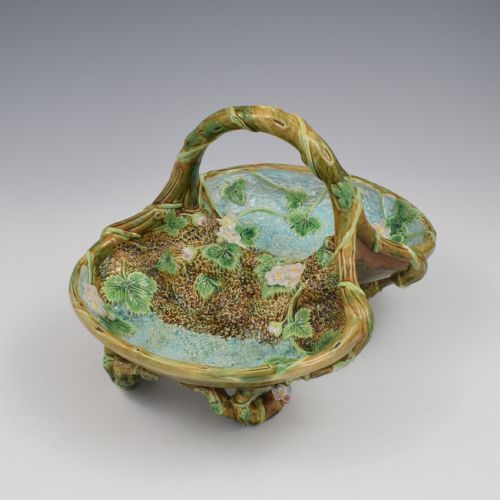
19th Century Mould
When you search for a 19th century mould, you encounter functional kitchen implements, decorative tableware, and architectural elements shaped by historical production methods.
19th Century Mould
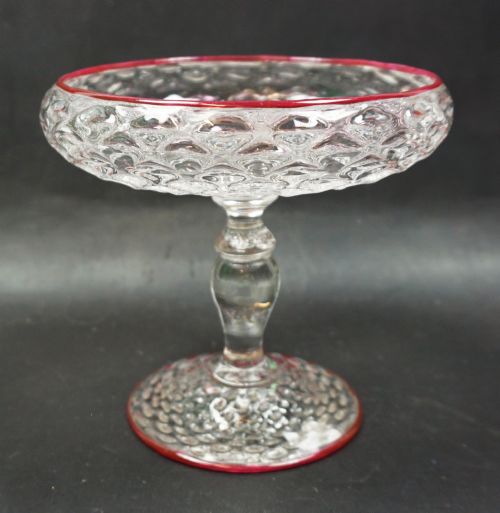
A 19th century mould encompasses a diverse range of objects designed to shape food, glass, or materials, alongside architectural mouldings and decorative items from the same era. Buyers frequently encounter copper kitchen jelly moulds, treen fruitwood biscuit and gingerbread moulds, and glass pieces shaped in full rib or petal patterns.
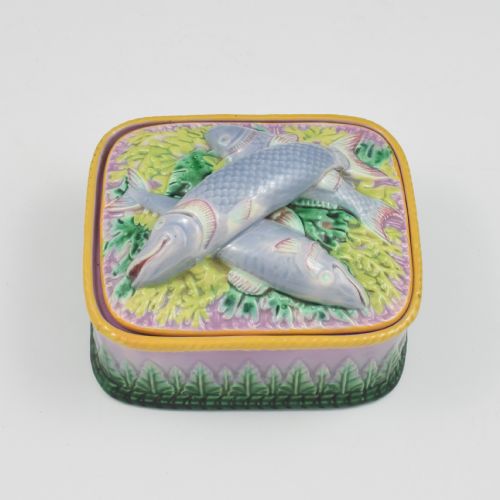
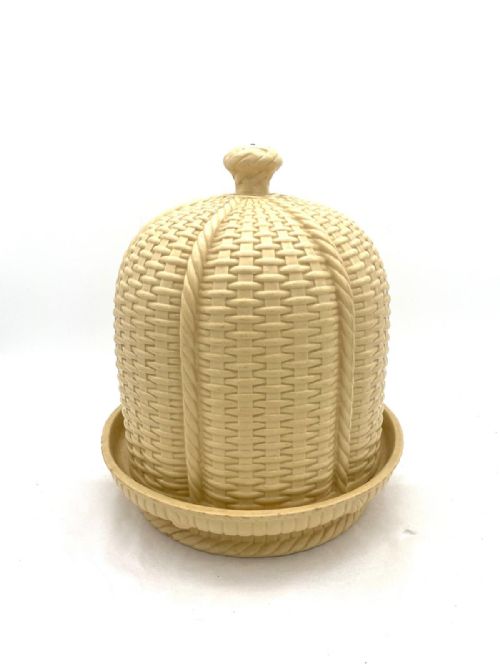
The selection also includes ceramic cheese domes, majolica sardine boxes, and domestic jugs featuring relief-moulded designs. These items originate from Victorian Britain, France, and wider Europe, reflecting both humble domestic tasks and elaborate dining customs.
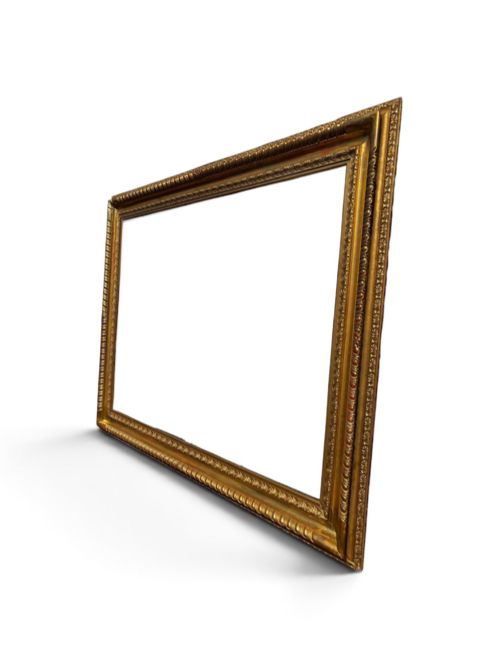
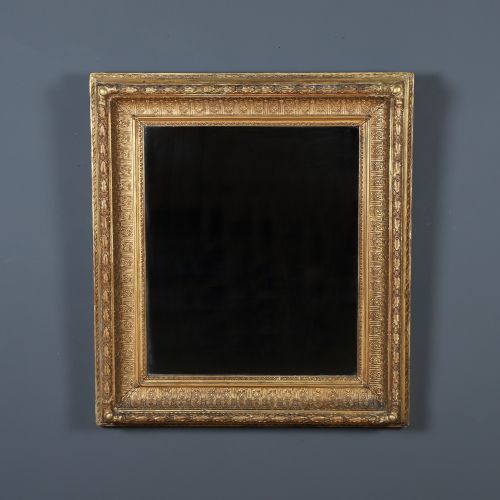
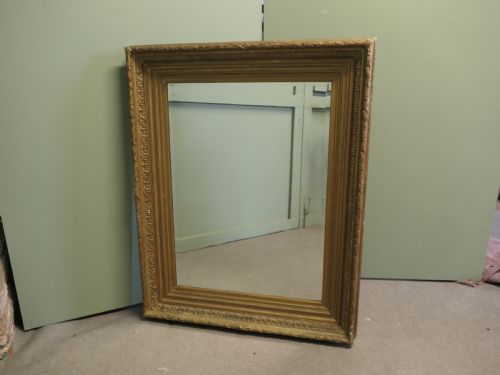
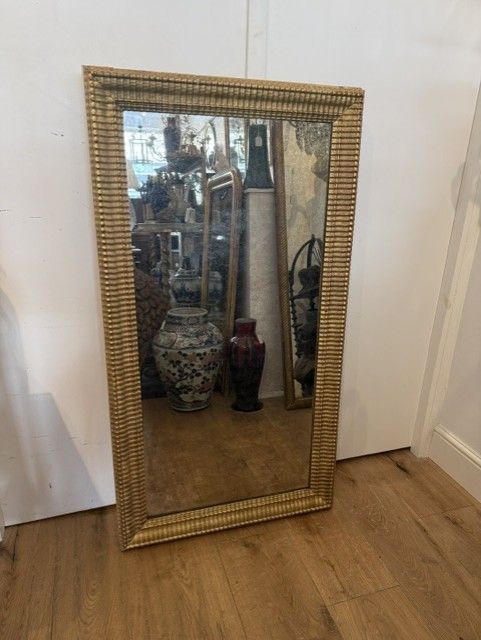
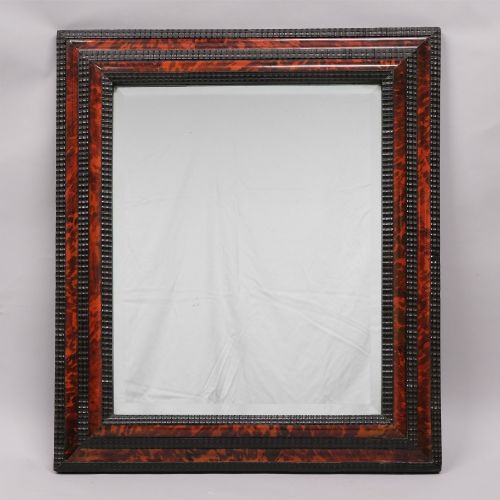
Beyond culinary equipment, the category extends to wooden gesso mirror frames and architectural carvings that utilise historical moulding techniques. Each piece demonstrates how period manufacturers applied shaped forms to copper, glass, ceramic, and wood.
How they were made
Makers fashioned culinary and decorative items using durable materials suited to shaping and pressing, such as heavy-gauge copper, dense fruitwoods like sycamore and beech, and blown or pressed crystal glass. Metal kitchenware often involved skilled hand-beating and soldering, sometimes featuring tin linings for safe food preparation.
Wooden items relied on precise hand-carving to sink intricate negative motifs into fruitwood blocks for biscuits, butter, or gingerbread. Glass pieces gained their distinctive patterns through blowing into dip moulds or full-size ribbed and panelled moulds, whilst ceramics utilised plaster formers for relief-moulded earthenware and stoneware.
Old dairy workers carved intricate wooden butter stamps to secretly brand their farmhouse churns with loyalist beasts.
What varies in quality
The distinction between standard domestic items and superior examples lies in the crispness of the impression and the complexity of the design. Sharply defined details on carved wooden fruitwood moulds or deeply struck patterns on glass tumblers indicate skilled workmanship.
Material thickness and original retention of components also define the better pieces, such as heavy copper jelly moulds retaining their suspension loops or gesso mirror frames maintaining their crisp relief moulding without excessive restoration.
George Jones·Charles Meigh·Ridgway and Sons·Trottier·Benham
The 19th Century Mould Glossary
- Jelly mould
- A hollow container used to shape aspics, blancmanges, or jellies, commonly found in copper, tin-lined brass, or earthenware with castle or geometric top designs.
- Treen
- Small handmade wooden domestic objects, including carved sycamore, fruitwood, and beech biscuit or butter moulds.
- Gesso
- A plaster-like mixture applied to wooden frames and carved or moulded into decorative reliefs before gilding.
- Majolica
- A colourful lead-glazed earthenware popular during the Victorian period, frequently utilised for moulded cheese dishes and sardine boxes.
- Rib moulded
- A glass production technique where molten metal is inflated into a patterned dip mould to impart vertical or spiral ribs before final blowing.
19th Century Mould: Frequently Asked Questions
What were old kitchen moulds used for?
Kitchen implements shaped foodstuffs such as jellies, butter, biscuits, and gingerbread for formal dining and domestic service.
Craftsmen carved wooden blocks or formed copper and ceramic vessels to impart decorative motifs directly onto the food.
How do I date a glass mould?
Glass pieces show specific characteristics like pontil marks, rim wear, and the style of the rib or petal moulding used during manufacture.
Comparing the weight, metal colour, and pattern depth against dated examples helps place the piece within the nineteenth century.
Are copper jelly moulds safe for cooking?
Original nineteenth-century copper items frequently feature a thin interior lining of tin to prevent food from contacting the reactive copper base.
Modern buyers often use these decorative kitchenalia pieces for display rather than active food preparation.
How should I display wooden moulds?
Wooden fruitwood and treen items benefit from stable indoor humidity away from direct heat sources to prevent timber splitting.
Wall mounting or shelf placement allows the carved negative reliefs to be clearly viewed as decorative objects.