
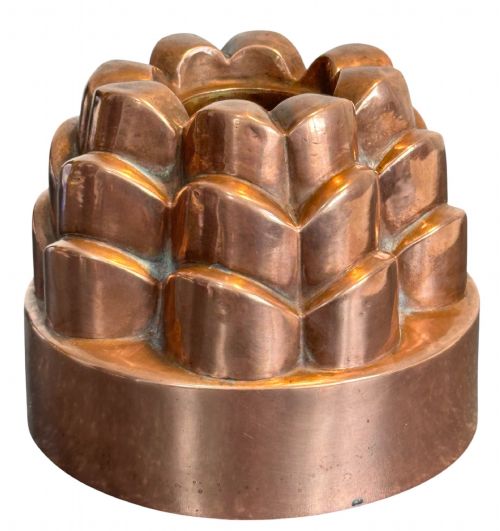


Antique Culinary Mould
These antique culinary mould pieces bring sculptural drama to the table, offering the clever collector a tangible slice of nineteenth-century kitchen artistry.
Antique Culinary Mould
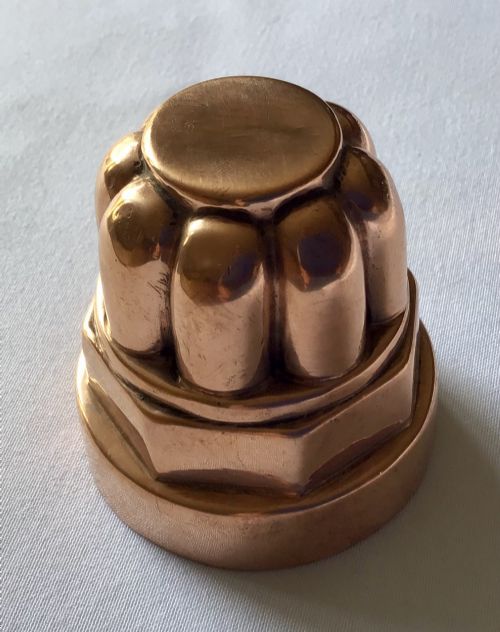
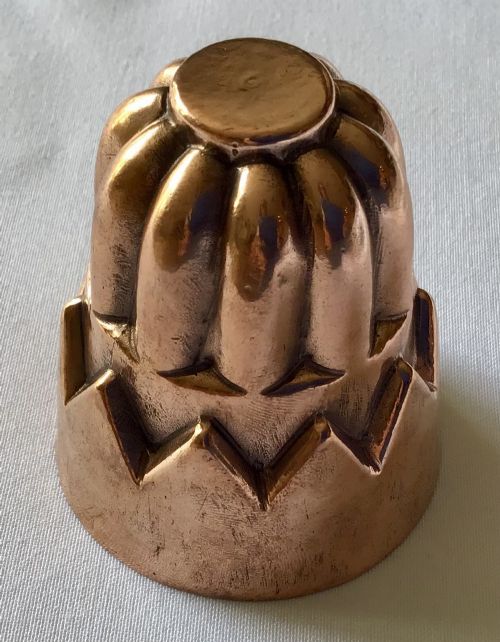
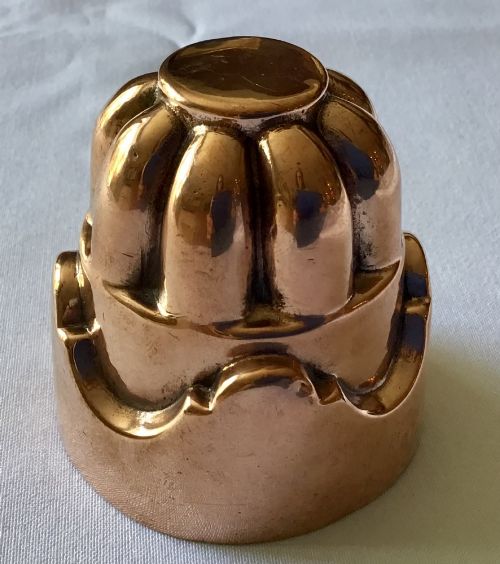
When you search for an antique culinary mould, you are looking at kitchenware designed to shape jellies, ice creams, and baked goods into intricate forms. The items appearing on this page span the Victorian era and the nineteenth century, reflecting both English and French domestic life.
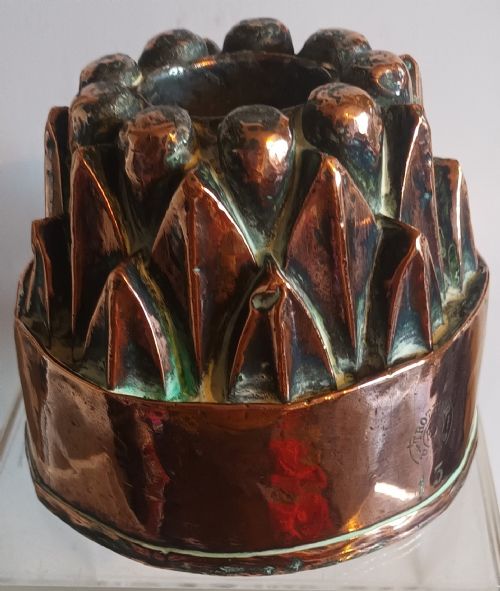
You are most likely to meet copper jelly moulds in various sizes, alongside creamware and earthenware pottery pieces. Kitchen collectables such as lidded ice cream pots and figural shapes like cats and lions also feature heavily among these listings.
The selection ranges from standard domestic utensils to miniature examples and specialised country house pieces. Each object serves as a reminder of elaborate historic dining practices where presentation was paramount.
How they were made
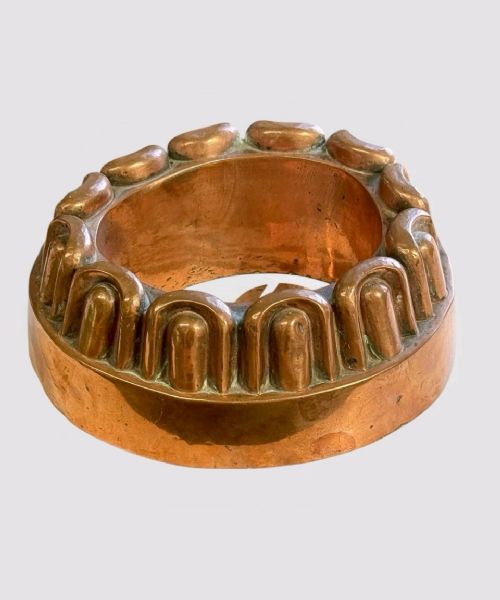
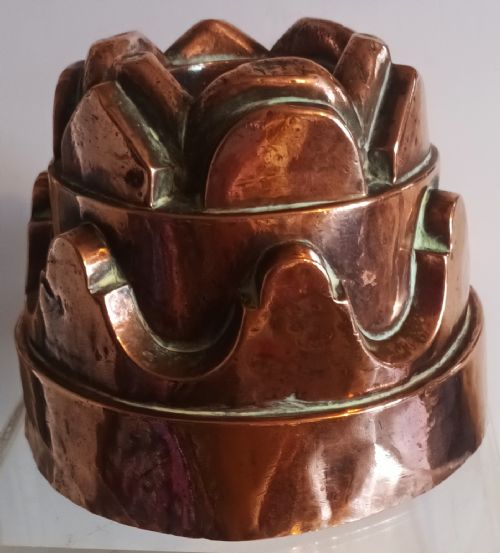
Metal vessels in this category rely primarily on heavy gauge copper, often lined with tin to prevent food contamination during the shaping process. Brass, pewter, and tin appear alongside these metal forms, demonstrating diverse workshop methods for utilitarian kitchenware.
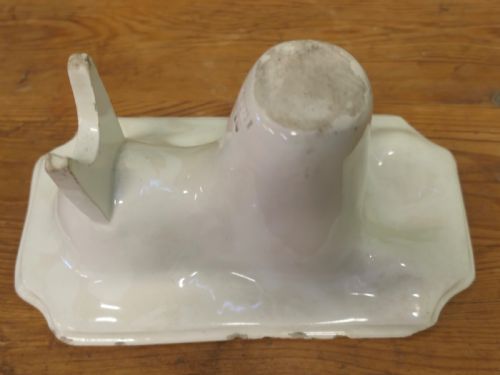
Ceramic equivalents utilise creamware and earthenware bodies finished with a glaze, capturing fine details in the clay before firing. Makers constructed these items to endure regular kitchen use while retaining sharp architectural motifs and animal profiles.
Listings on this page span the Victorian period and the nineteenth century, utilising copper, creamware, earthenware, and brass.
What varies in quality
Materials and lining integrity dictate the upper tier of the range, with original tin linings and substantial metal weight elevating a piece. Provenance also plays a part, as marked pieces associated with notable retailers or makers command stronger interest from collectors.
Trottier·Harrods
The Antique Culinary Mould Glossary
- Tin lined
- A protective coating applied to the interior of copper moulds. This layer kept acidic food ingredients from reacting with the reactive copper beneath.
- Creamware
- A refined earthenware developed in Yorkshire during the eighteenth century. It is known for its warm pale yellow tone and smooth lead glaze.
- Kitchenalia
- Household utensils and equipment collected for display rather than modern culinary use. These objects document past domestic routines and kitchen technology.
- Castle top
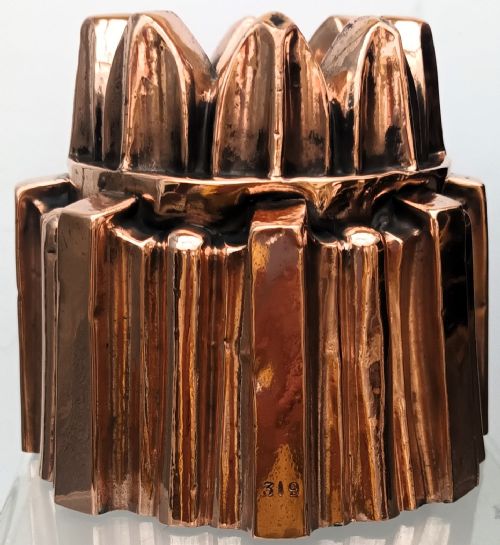
- A decorative mould design featuring architectural crenellations and towers. Jelly or blancmange set in these vessels emerged as miniature fortresses on the dining table.
Antique Culinary Mould: Frequently Asked Questions
What were antique culinary moulds used for?
These pieces shaped jellies, aspic, ice cream, and cakes for elaborate nineteenth-century dining tables. Cooks used them to produce decorative centrepieces that showcased household status and culinary skill.
Once chilled or baked, the contents were carefully unpeeled or turned out to reveal intricate designs such as animals or castles. They transitioned from working kitchen tools to decorative display objects in modern collections.
How do I date a Victorian copper mould?
Dating relies on construction methods, weight, and wear patterns typical of the nineteenth century. Heavier gauge copper and dovetailed or seam-welded joints often point towards this period.
Maker stamps and retailer marks can also help narrow down the production window. Comparing the complexity of the design against known nineteenth-century forms provides further context.
Are ceramic moulds older than metal ones?
Both creamware and copper versions circulated concurrently throughout the Victorian era and the broader nineteenth century. Earthenware and creamware pieces offered different aesthetic results compared to metal alternatives.
The choice of material depended on the recipe used and the kitchen budget of the household rather than a strict chronological shift.
Can I still use these moulds for cooking?
While physically robust, most collectors choose to display these items rather than use them for food preparation. Historic metal moulds often feature worn tin linings that are no longer suitable for modern food safety standards.
Ceramic examples can also develop hairline cracks over time that make them vulnerable to thermal shock during baking.